The fall of the Assad regime marked not only the end of a dictatorship in Syria; it opened a historic opportunity to rebuild the country's political order after more than a decade of devastating conflict. As the transitional government sought to restore state institutions and foster national reconciliation, parliamentary elections emerged as the first major test of the country’s post-war trajectory. Far from being a routine political exercise, the vote became a measure of whether Syria’s diverse communities were prepared to pursue their interests through democratic institutions rather than armed confrontation.
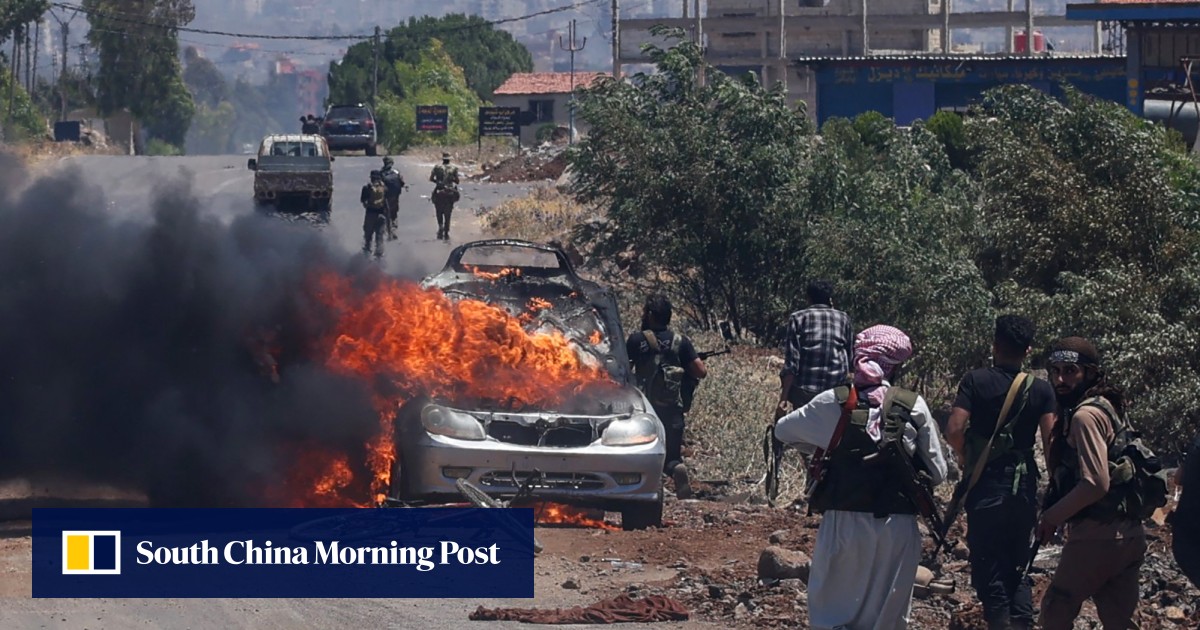
Originally scheduled for Oct. 5, 2025, voting had to be postponed in several regions due to complex, lingering security risks. The most prominent area left out was northeast Syria. Under the control of the YPG, the Syrian offshoot of the PKK terrorist organization, the region initially distanced itself from the national ballot at a time when integration with the new Damascus government was being heavily contested.
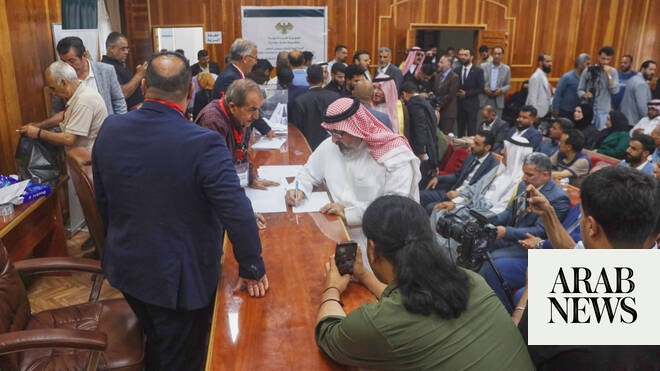
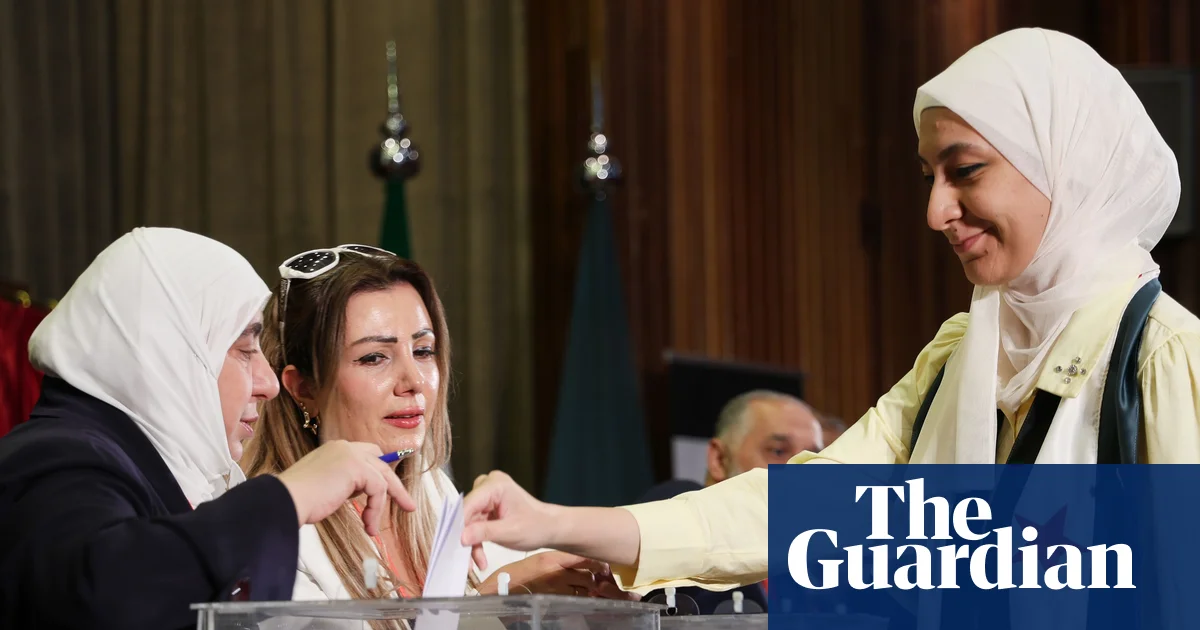
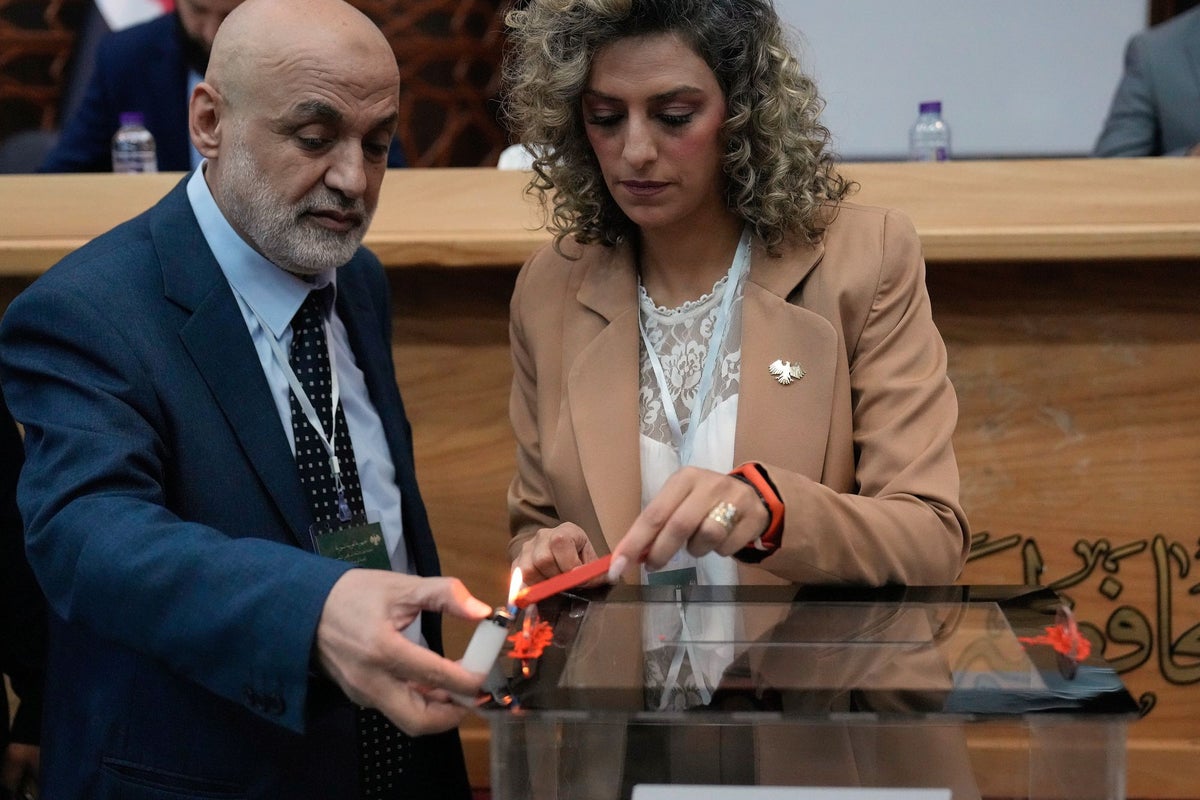
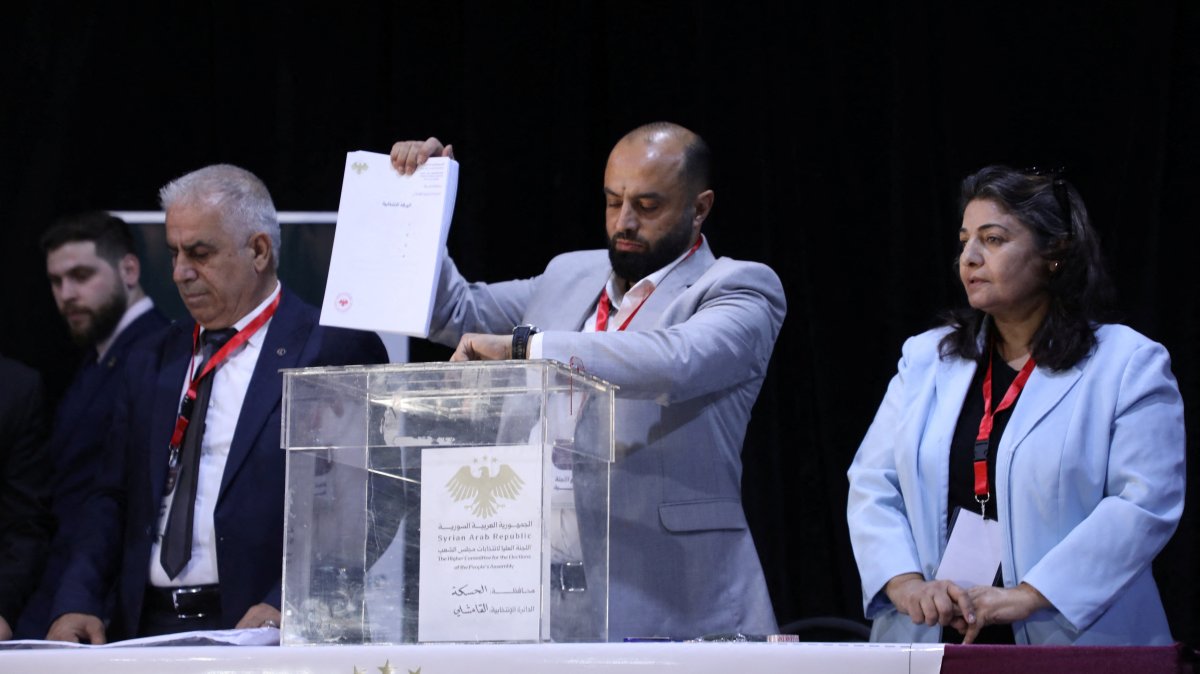
However, following the deployment of central government security forces to key urban centers such as al-Hassakeh and Qamishli in early 2026, state institutions were progressively restored. This stabilization cleared the path for the delayed balloting. On May 24, 2026, voters and local electoral colleges in al-Hassakeh, Qamishli and Ayn al-Arab successfully selected their new representatives for the parliament in Damascus.