https://arab.news/9szvy
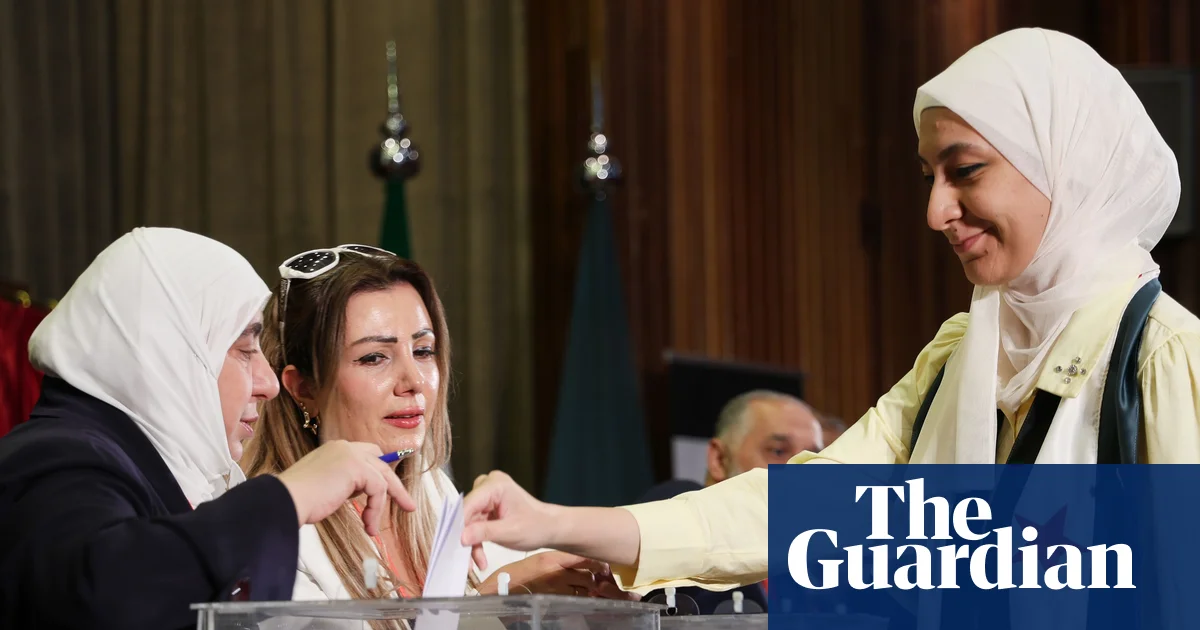
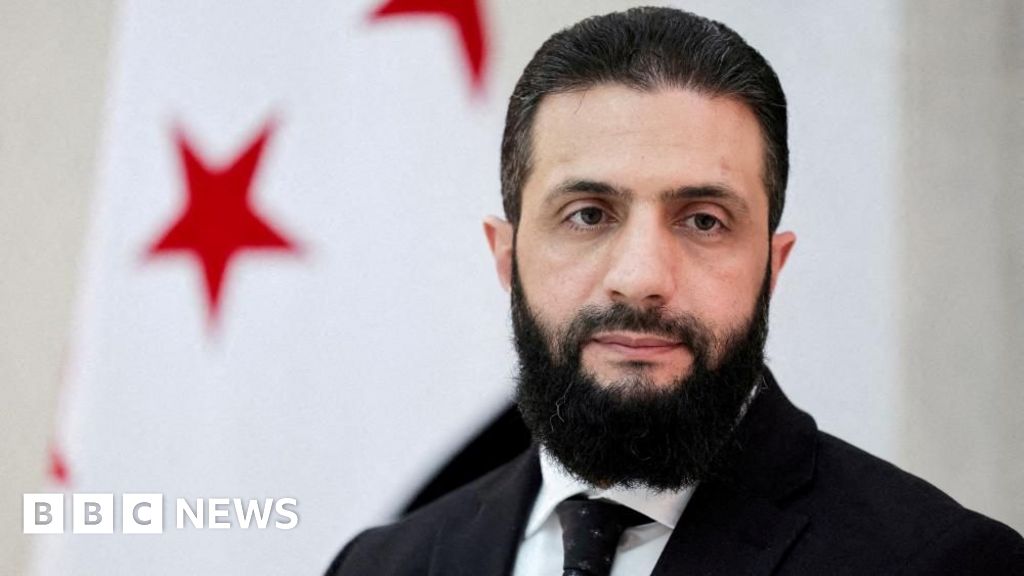
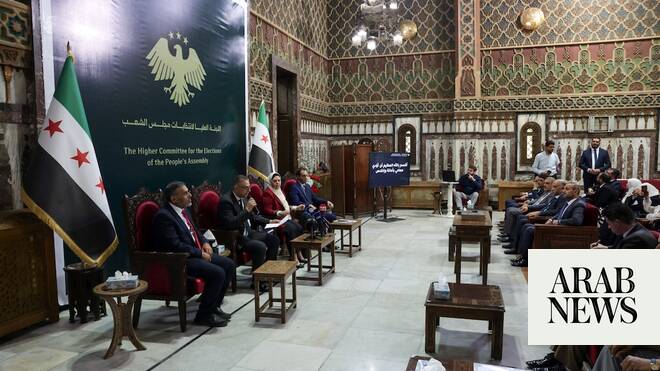
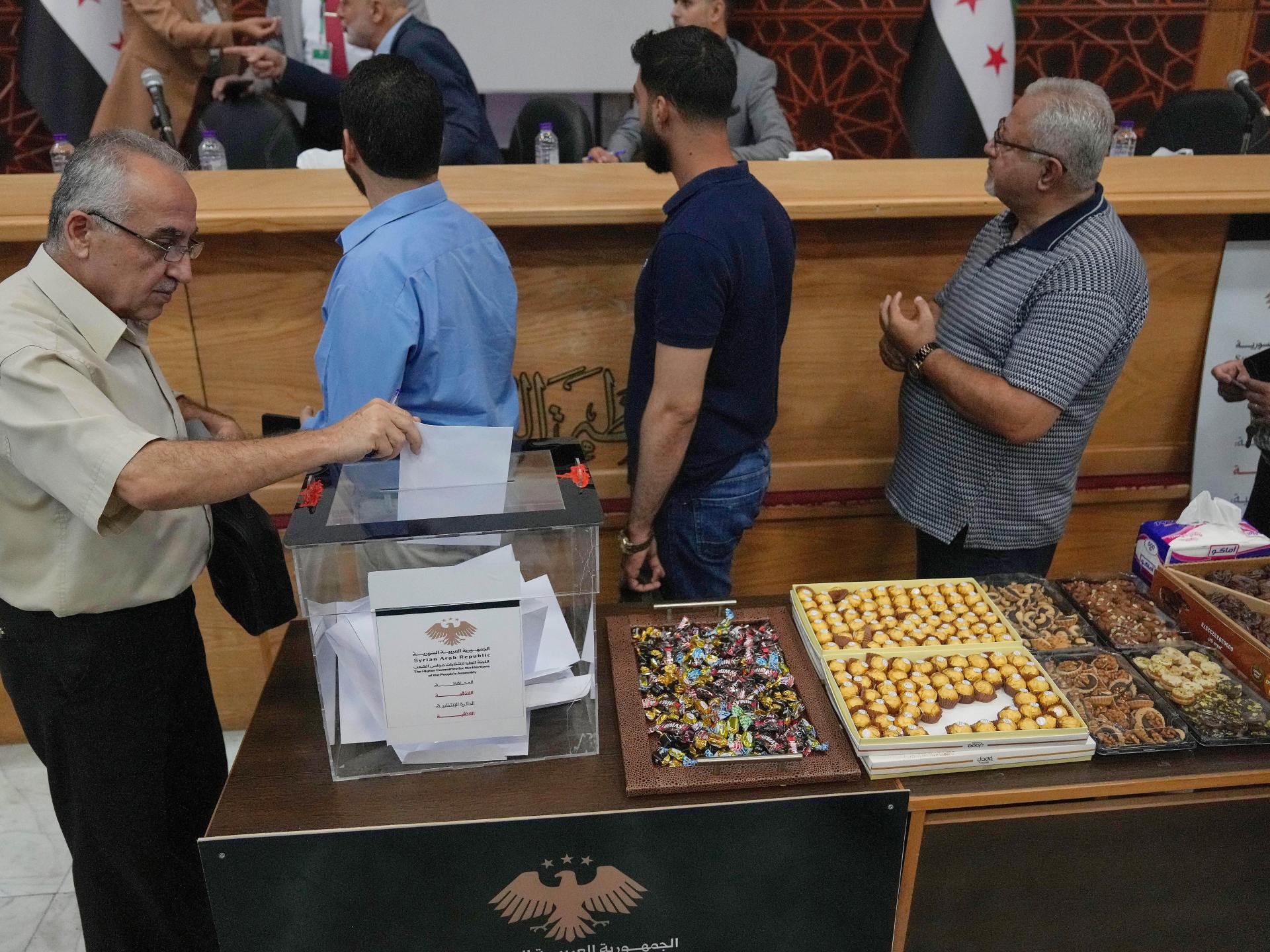
Following the fall of the Assad regime, Syria’s transitional period, under the leadership of President Ahmad Al-Sharaa, is working toward reconstruction and the building of a new Syria. Earlier this month, the country held its first elections. However, not every Syrian voted, and there were no political parties. Instead, Damascus organized indirect parliamentary elections to select members of the People’s Assembly, the country’s legislative body, for a 30-month extendable term. This move is part of a broader effort to create national unity and political stability in a country where regional fragmentation remains deeply apparent.
This electoral system is an unusual process for the country. There has been no public campaigning, and most citizens were not given the opportunity to vote for their representatives. Elections were postponed in Sweida, Raqqa, and Hasakah due to what government officials described as security concerns.
Electors voted for two-thirds of the 210-member People’s Assembly from a list of 1,578 candidates, while the president will directly appoint the remaining 70 members. Nineteen seats, reserved for Sweida, Raqqa, and Hasakah, are yet to be filled. Across 49 electoral districts in 11 governorates, members of the electoral colleges cast their votes for candidates who were themselves members of these colleges and had submitted their candidacies in late September.