Average weekly working hours in the European Union stood at 35.9 hours in 2025 for employees aged 20-64, covering both full-time and part-time work in primary jobs. This marks a decline from 36.9 hours a decade earlier, according to Eurostat data.
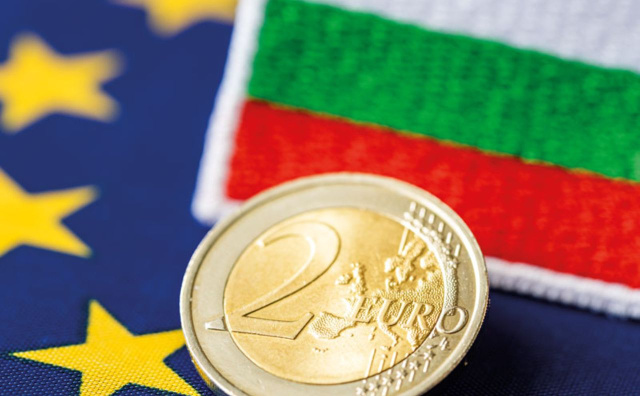
Within the EU, Greece recorded the highest average working week at 39.6 hours. Bulgaria and Poland followed closely, both at 38.7 hours, while Lithuania registered 38.4 hours, placing these countries among those with the longest working time in the bloc.
At the opposite end of the scale, the Netherlands reported the shortest working week at 31.9 hours. It was followed by Denmark and Germany, both at 33.9 hours, and Austria at 34.0 hours.
Significant variation also appears across professions. Employees in agriculture, forestry, and fisheries worked the longest hours on average at 42.0 per week. Managers followed with 40.6 hours, while military personnel recorded 39.4 hours.
Shorter working weeks were observed in lower-skilled occupations, as well as in public administration, services, and trade, where averages ranged between 31.8 and 34.5 hours.