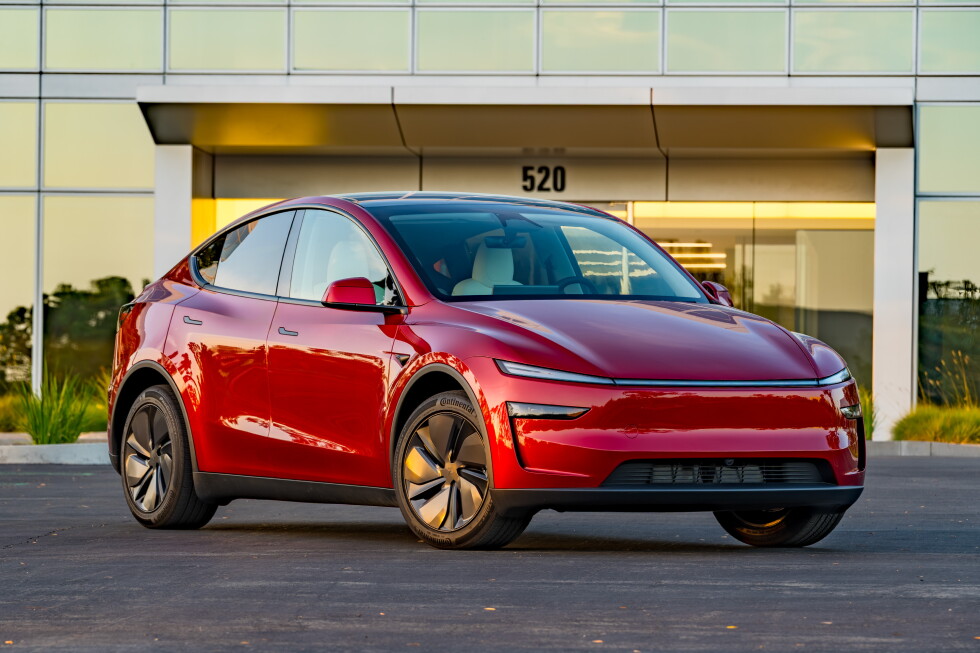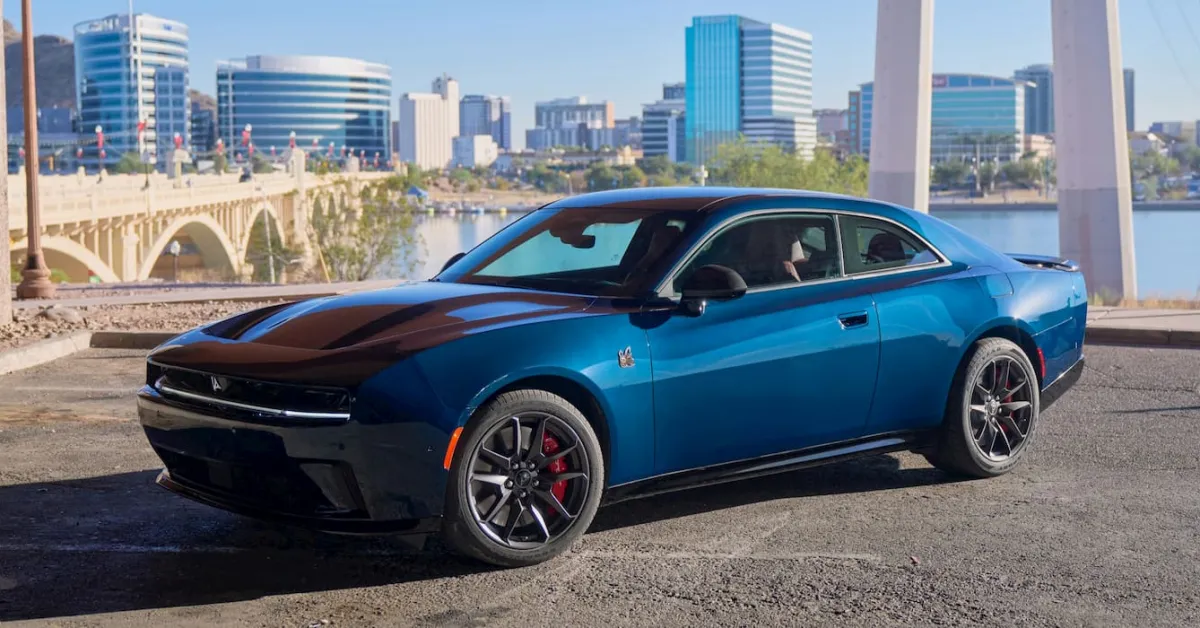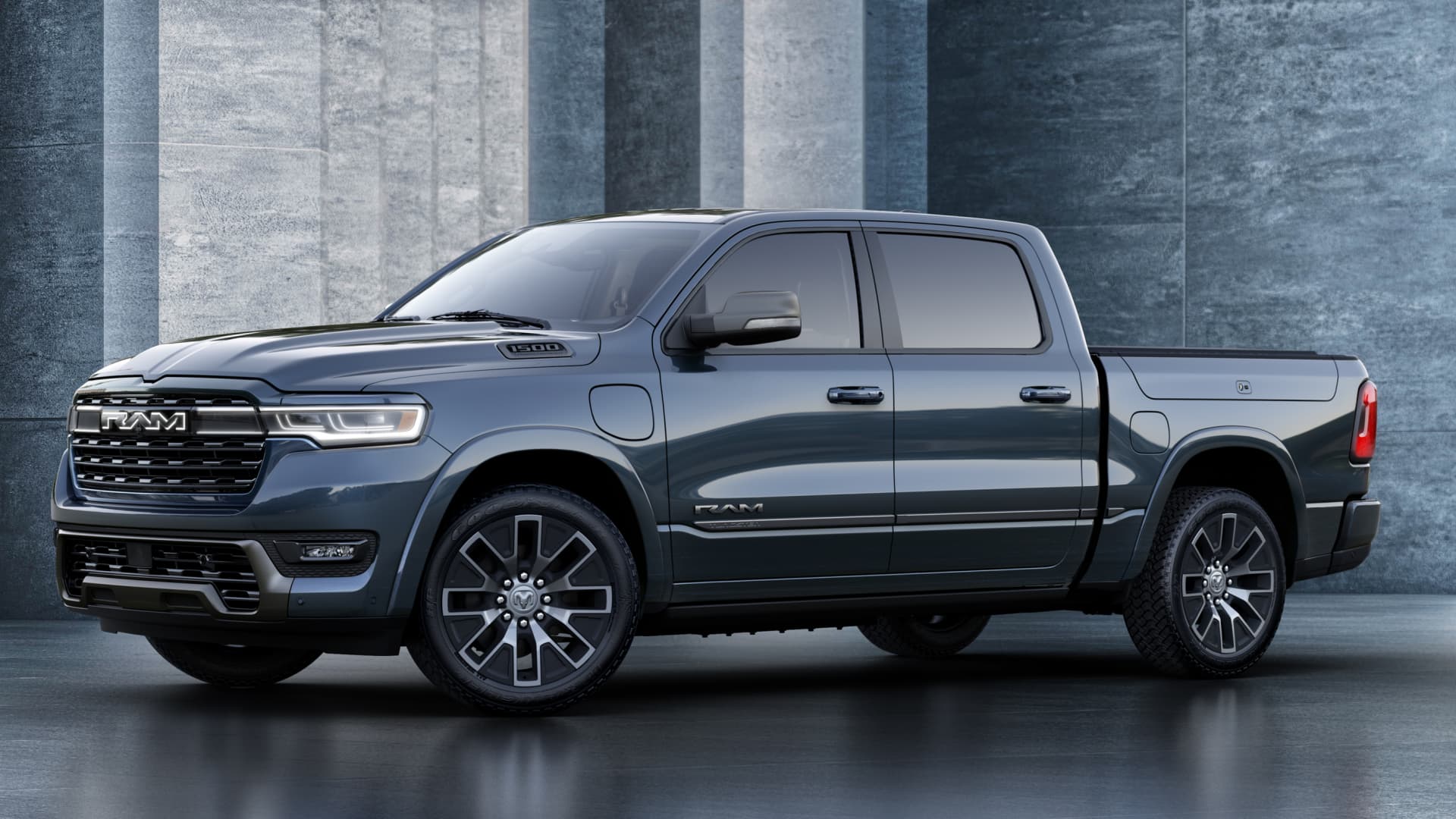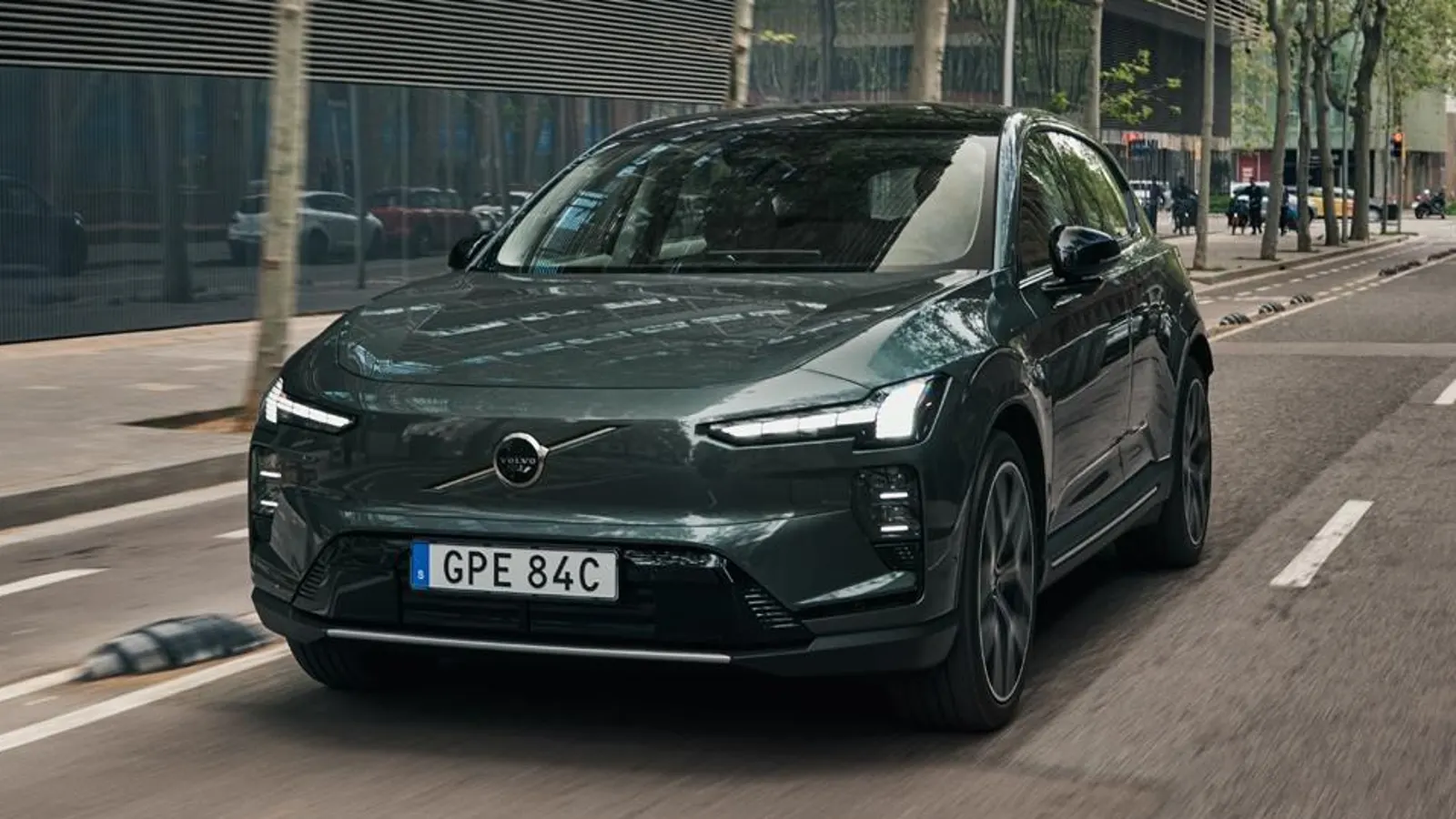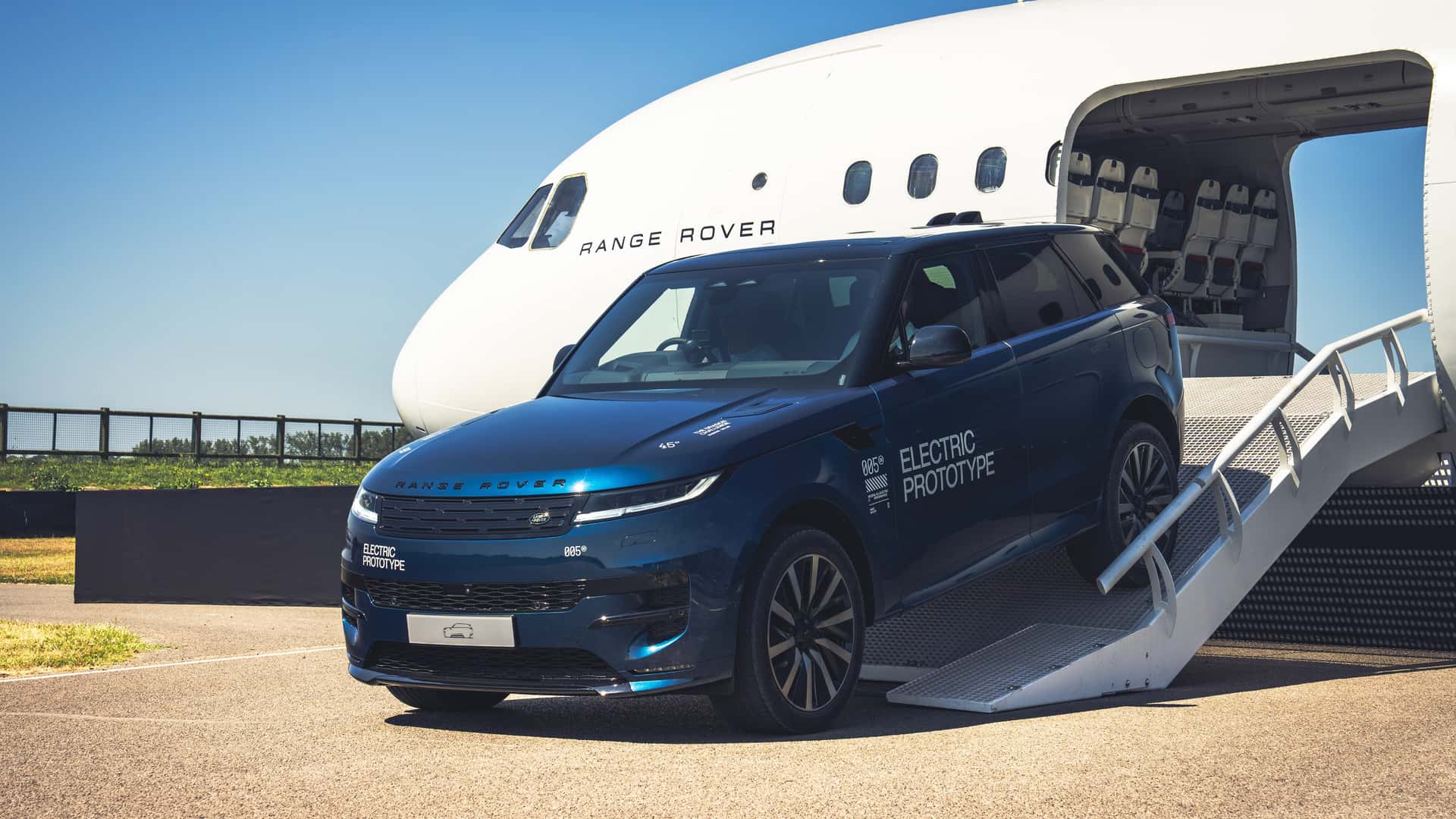
All-wheel drive was once a reason not to buy an electric vehicle. Early EVs were predominantly rear-wheel-drive, and the transition to AWD was either unavailable or cost-prohibitive compared to what conventional AWD vehicles offered. The landscape has shifted completely. All-wheel drive is now standard on many of the most compelling EVs on the market, and the performance it enables — dual electric motors can vector torque independently to each axle with precision that mechanical differentials cannot replicate — makes AWD electric vehicles some of the most capable all-weather cars available at any price.
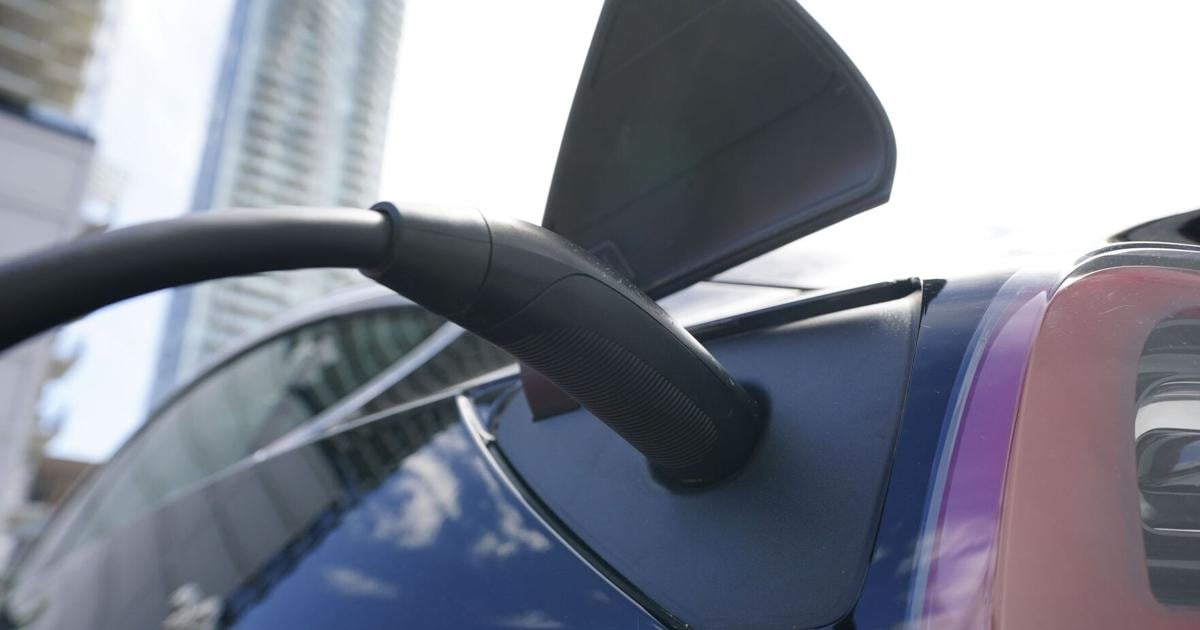
The practical stakes of AWD for everyday buyers extend beyond performance. Drivers in northern climates who previously ruled out EVs because winter traction felt unacceptable now have a growing list of AWD options that address the concern directly. The charging infrastructure that once made EV ownership a burden has also improved substantially, and range figures across the AWD segment have reached levels that make long-distance travel feasible without constant planning anxiety. The intersection of these improvements — better AWD availability, longer range, faster charging, and broader charging networks — has made AWD electric vehicles genuinely practical for a wider audience.