Table of Contents
Pediatrician Dr. Tiffany Munzer has encouraging words for parents hoping to strike a healthy balance with summer screen time for their kids and teens. "There are things that they can do, even though the deck really feels sometimes stacked against them," says Munzer.Munzer, who is also a digital media researcher at the University of Michigan, has no illusions about the challenges parents face over the summer. Fulfilling, screen-free activities are often expensive and require shuttling kids during the workday.
You May Also Like
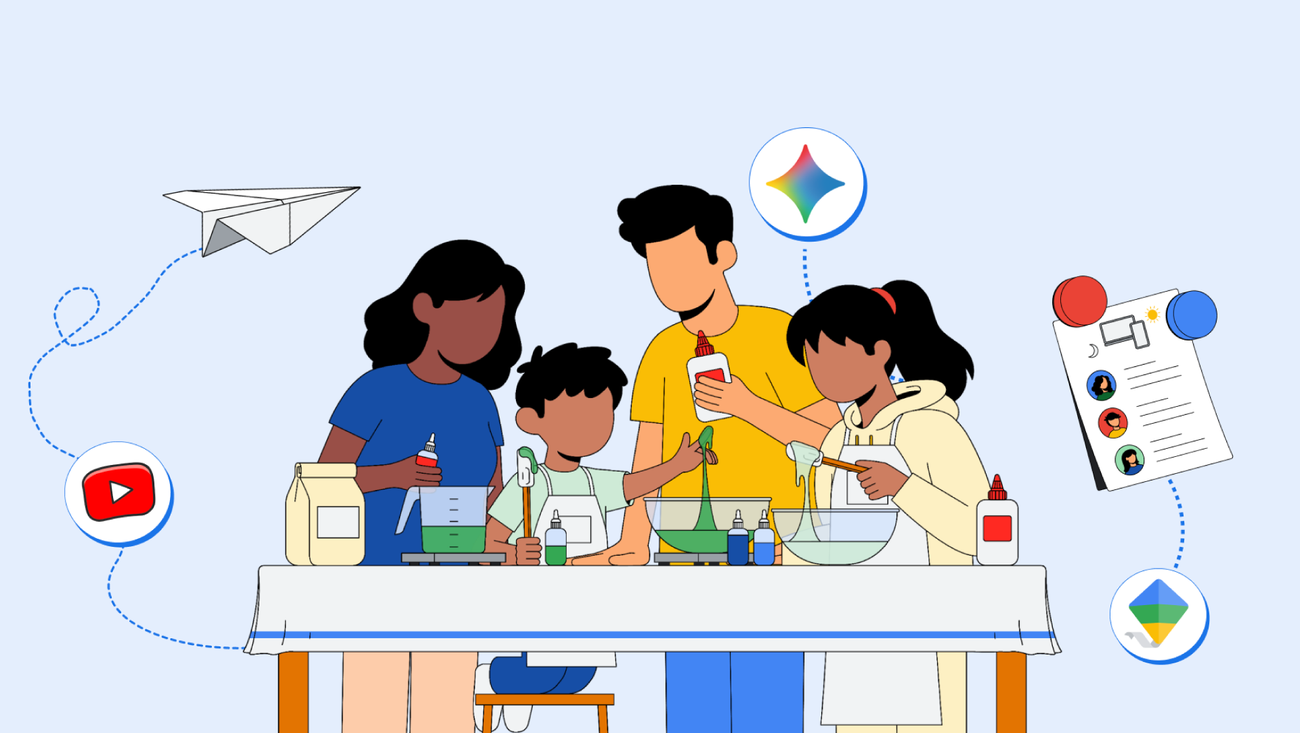
Letting children, even teens, stay home for hours on end presents its own dilemmas. Once a digital device is in their hands, it can be difficult — and feel impossible — to get a child to put it down. Yet Munzer, along with the childhood independence advocate Lenore Skenazy, shared practical tips with Mashable for summertime device use that can liberate kids from screens and get them outside playing with friends and peers. Make a screen time plan Going into summer without a screen time plan, yet still expecting balance, is unlikely to work. Instead, Munzer recommends that parents develop a predictable yet flexible schedule. Ideally, it reflects when parents most need support, like during a meeting or an unsupervised gap between when they leave and a caregiver arrives. Younger children who aren't able to read may particularly benefit from a visual schedule they can interpret with symbols or graphics, so they know how the day is ordered. Regardless of the child's age, the schedule should show the entire day, not just blocks when they'll have access to a tablet or TV. Start with reasonable screen time expectationsMunzer doesn't expect any parent to forego screen time altogether. A parent's goal, rather, should be to prioritize high-quality screen time experiences and swap in-person activities for device use as much as possible. In a recent policy paper that Munzer co-authored for the American Academy of Pediatrics, Munzer and her colleagues suggested ranges of less than an hour per day of digital media for toddler and preschoolers and one to two hours daily for school-aged kids and teens. Munzer recognizes that children may likely exceed those guidelines during the summer or weekend, when they have more time. After all, she told Mashable, digital media is "seamless and easy to access" compared to typically expensive in-person childcare, summer camps, and entertainment and play options for kids.Set boundaries for digital media contentWhen parents need help deciding what to allow on a digital device, Munzer recommends they trust their own intuition. Often, parents want to watch or play the media themselves (hello, adult Bluey fans). In general, Munzer says the parental litmus test should be whether the content contributes to their child's well-being. Parents should look for themes that help kids make meaning of the world and encourage positive behaviors like kindness and perspective-taking. Ruling out poor or predatory design is also important. This includes AI slop and creepy or violent content. Less obvious are design choices that maximize marketing to children, amp up emotions for clicks, and incentivize constant scrolling or passive consumption. Munzer points parents to the American Academy of Pediatrics Center of Excellence's guidance on specific types of digital content with green, yellow, and red light ratings. She also recommends Common Sense Media's reviews of popular shows, games, apps, podcasts, and other forms of entertainment. Help your child with tolerating boredomA thoughtful screen time plan is essential, but kids of all ages may need support in coping with boredom when they don't have a digital device or entertainment. (Munzer says parents may also need to learn to tolerate the distress that's triggered when their child is unhappy without a screen.) Parents should avoid responding to boredom by handing back a device, Munzer says. Instead, parents should rely on their schedule as a guide. If there's an hour of downtime between screen time sessions, parents should stick to that as best as they can. Munzer warns that toddlers and pre-schoolers may only be capable of 15 minutes of independent play, at which point the parent may have to join them briefly. Younger children should know when these bursts of co-playing can happen, and for how long.