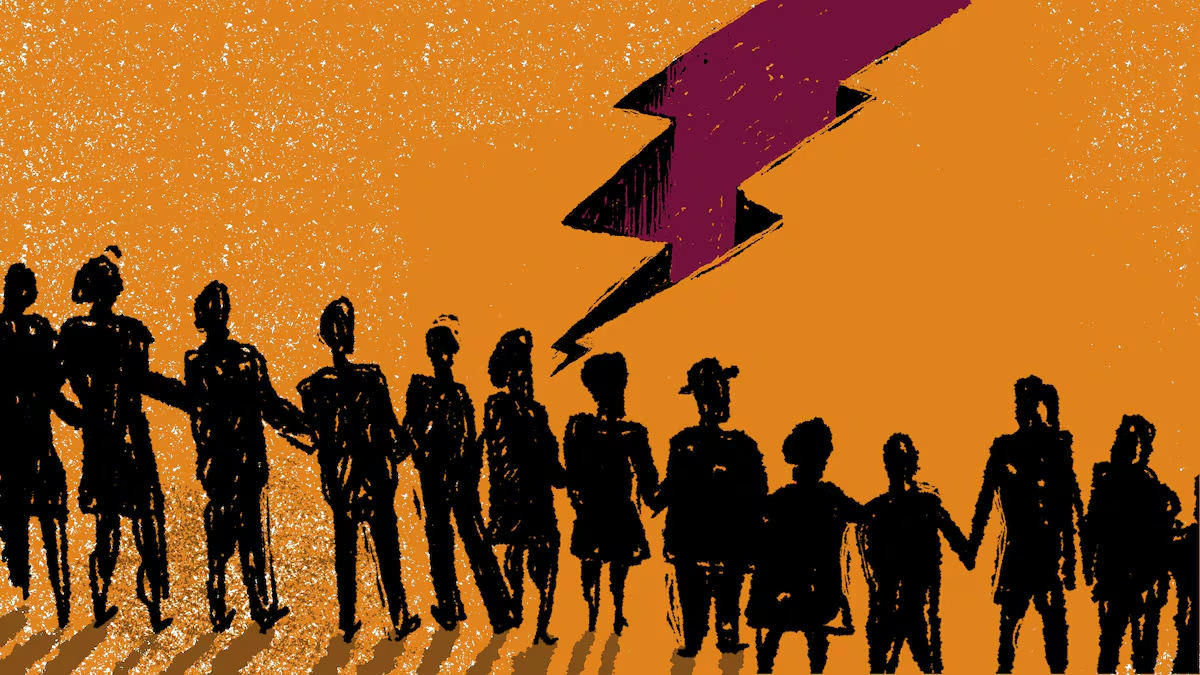
Democracy in Europe is constantly under discussion: elections, institutions, extremism, the rule of law. Fewer discuss the civic space itself and the growing difficulties faced by the organisations that sustain democratic life on the ground.
For years, the question of civic space within the EU was largely treated as an external issue, linked to enlargement and democratic transition. Before the 2004 enlargement, significant European funding supported NGOs and civil society organisations working on democratisation, anti-corruption, fundamental rights, and non-discrimination, recognising them as essential pillars of democratic resilience.
But after that enlargement wave of mostly ex-communist countries, much of that structural support faded, as if the need for a strong and protected civil society inside the EU had disappeared. Many organisations warned that democratic backsliding, political pressure, and restrictions on civic participation were not problems confined to Europe’s borders. Today, those warnings are becoming harder to ignore.
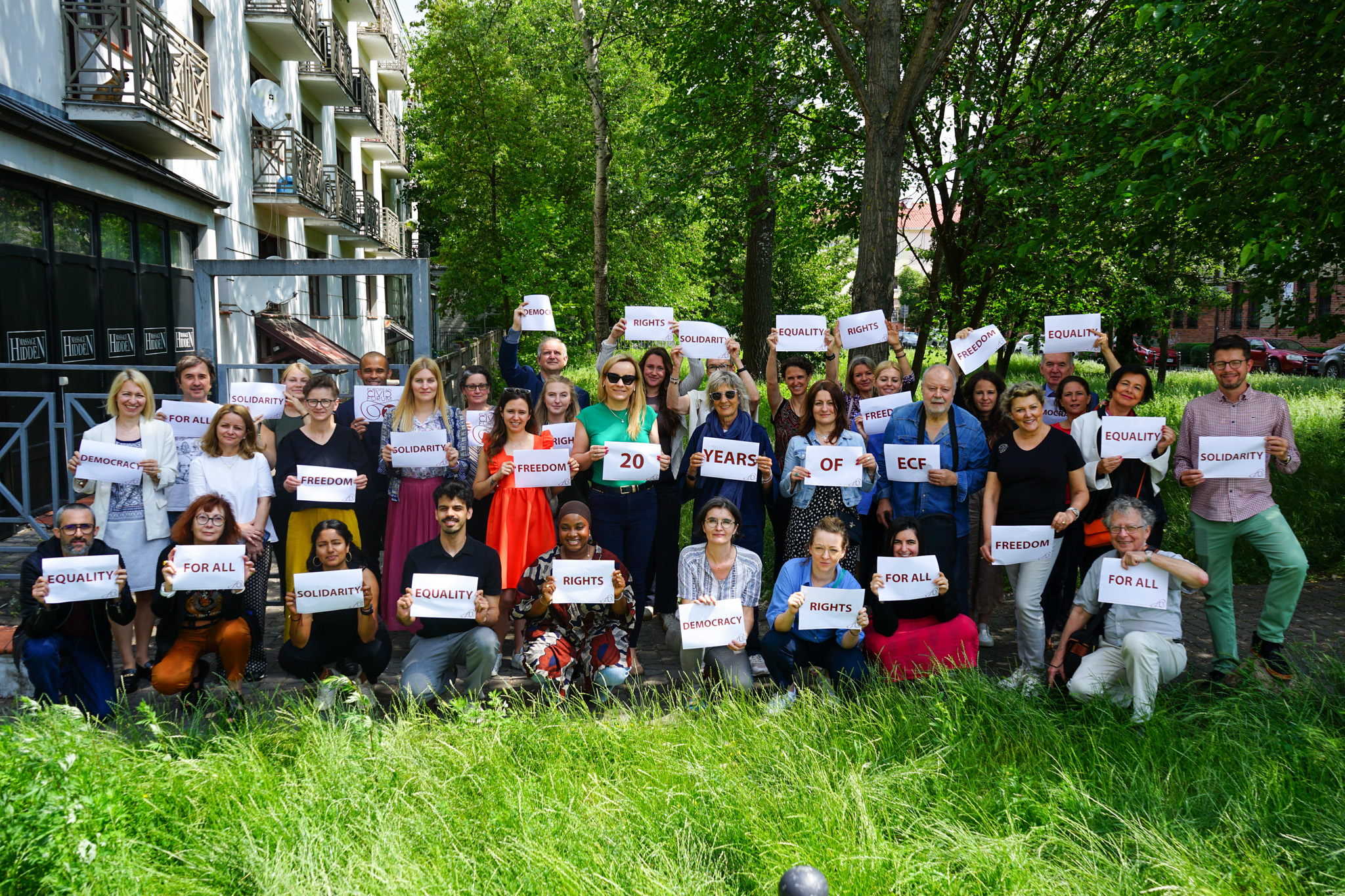
Natacha Kazatchkine, secretary general of the European Civic Forum (ECF), reflects on the state of civic space in Europe and what it reveals about the health of European democracy itself.