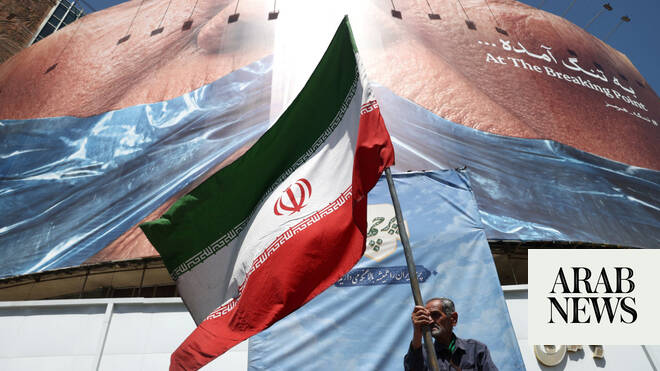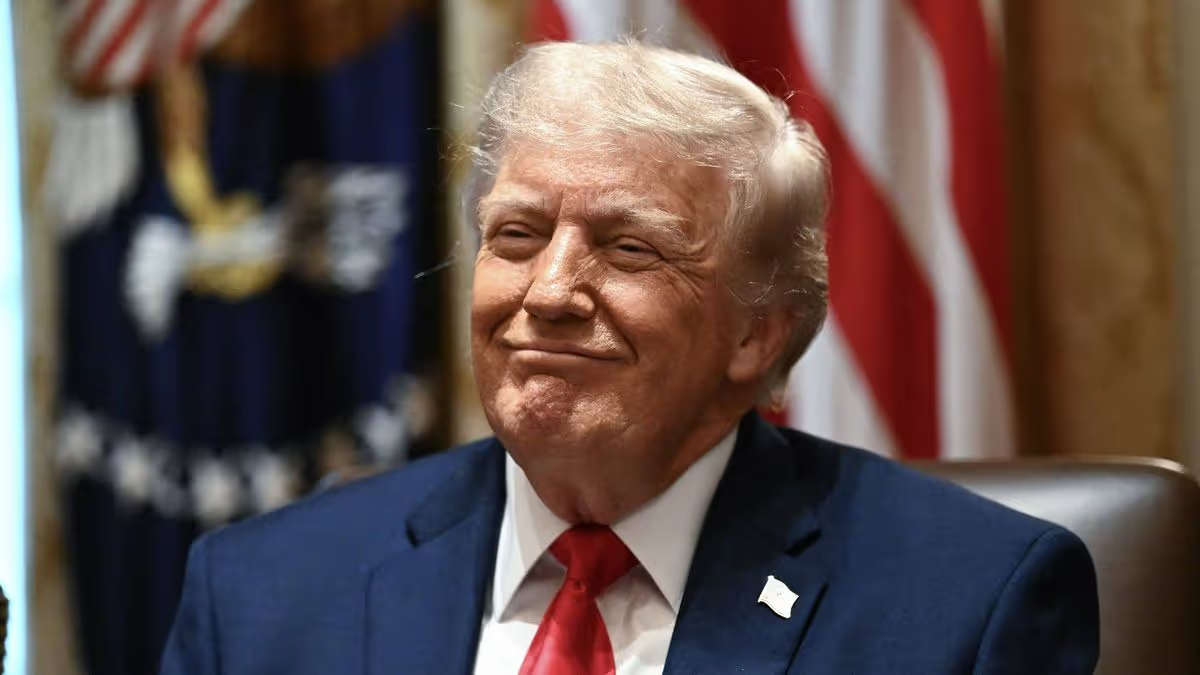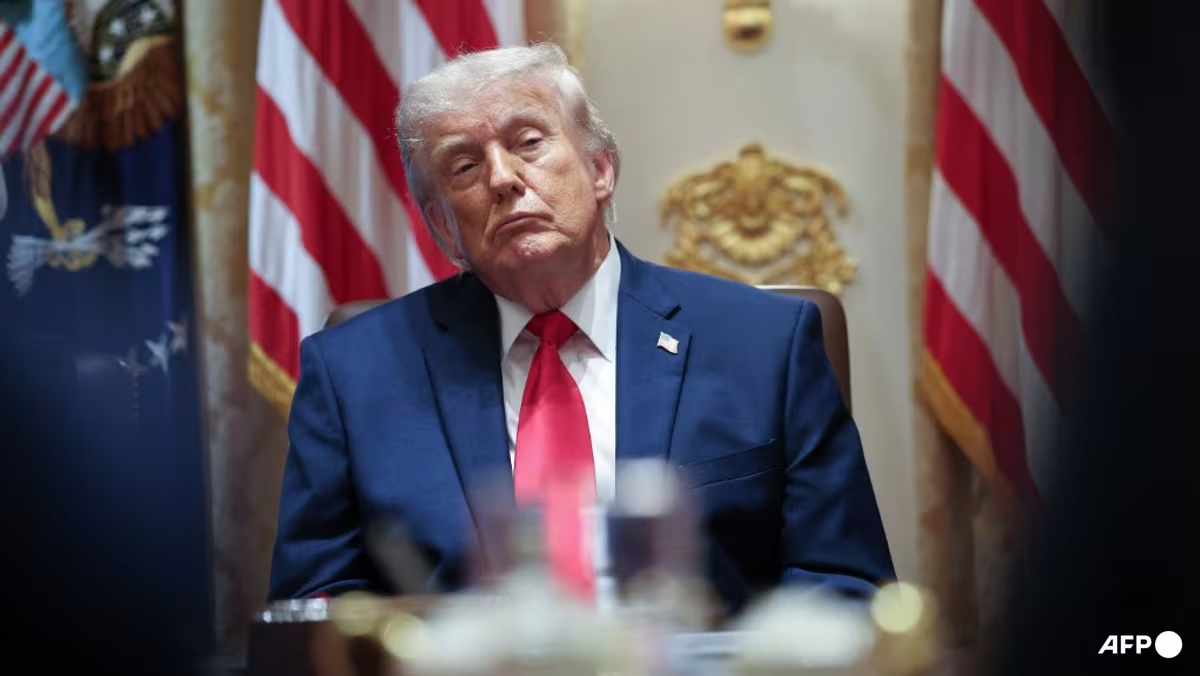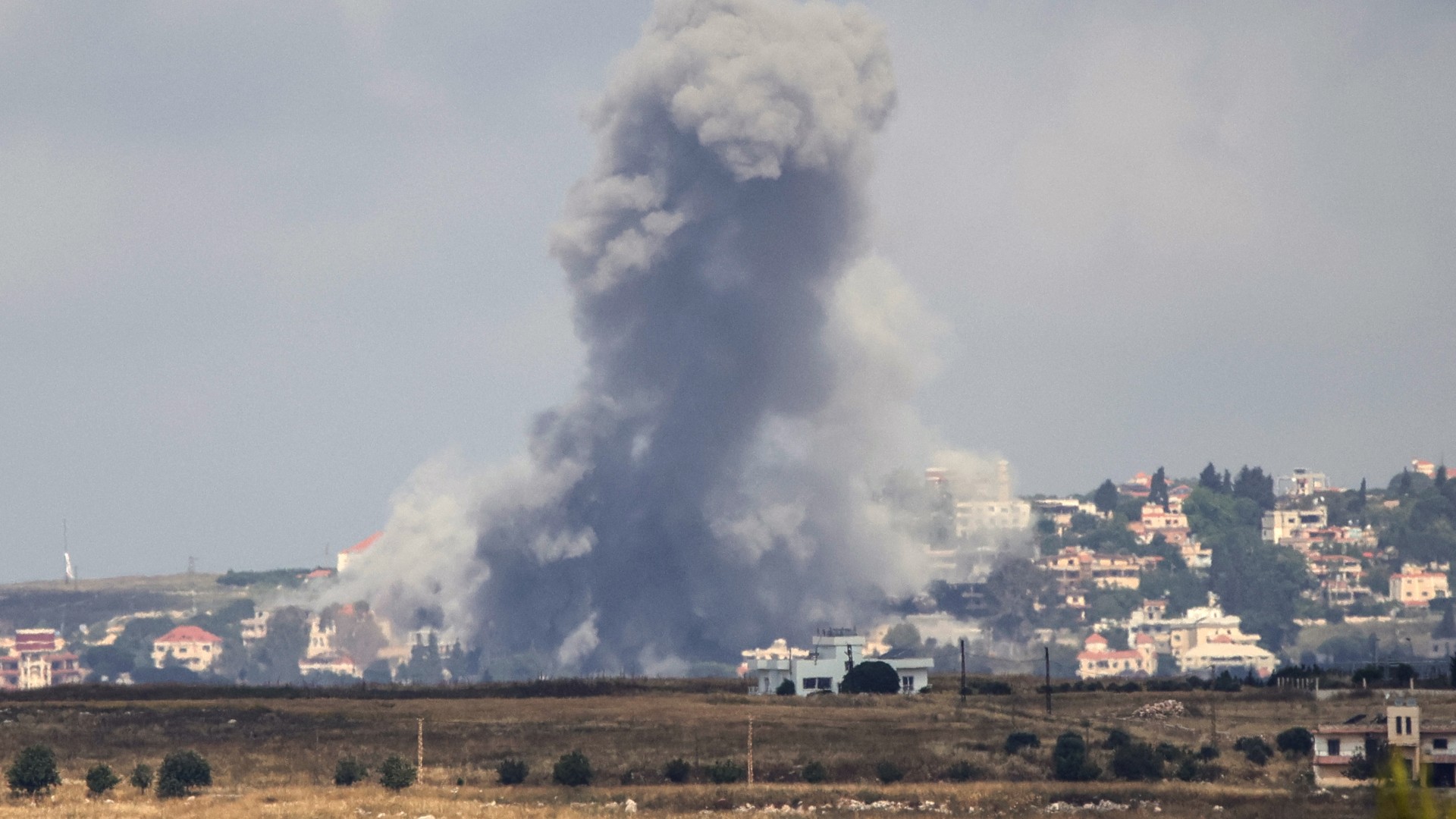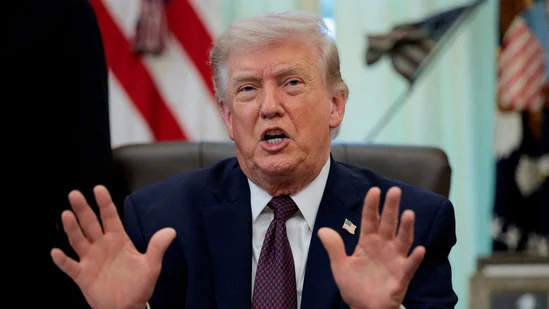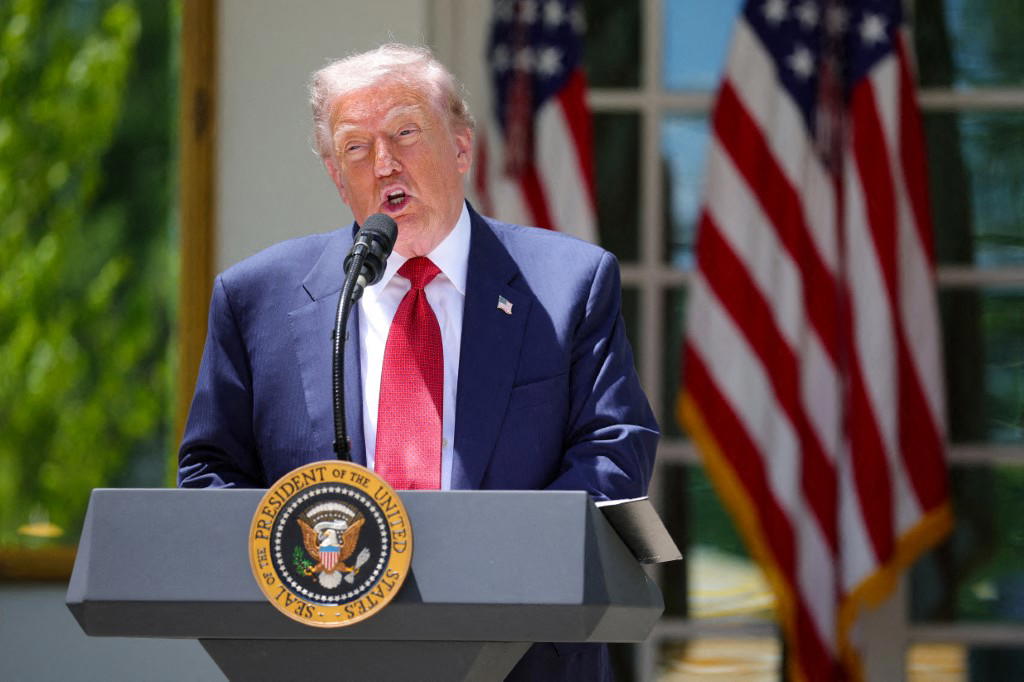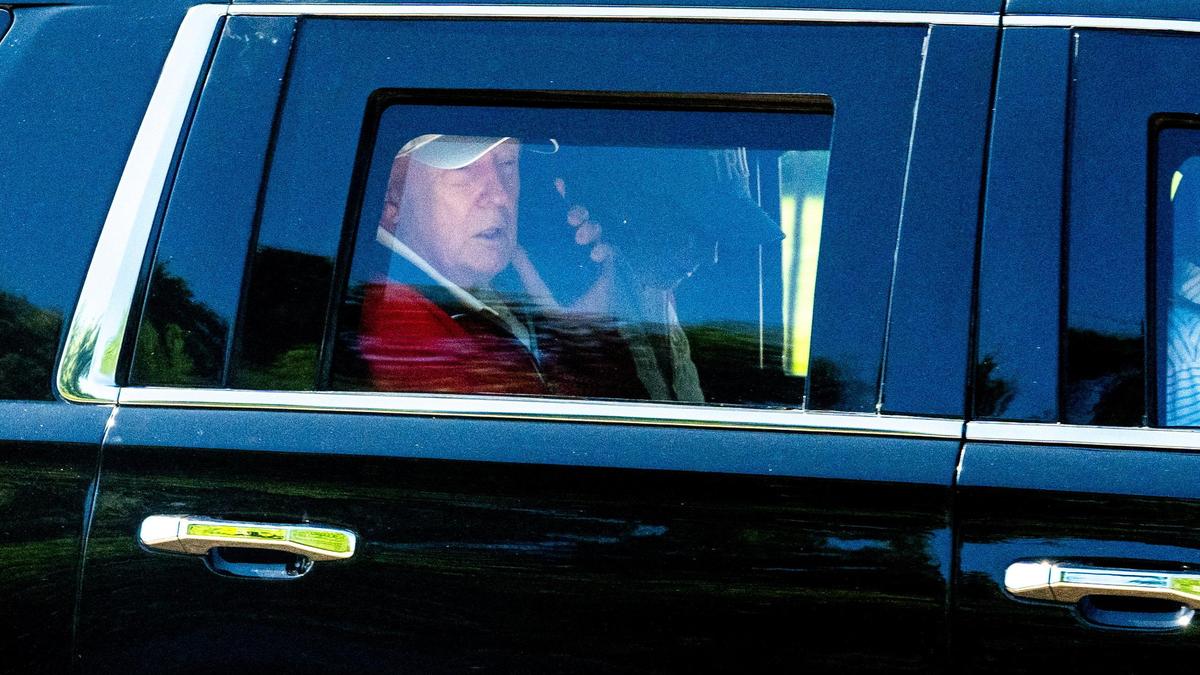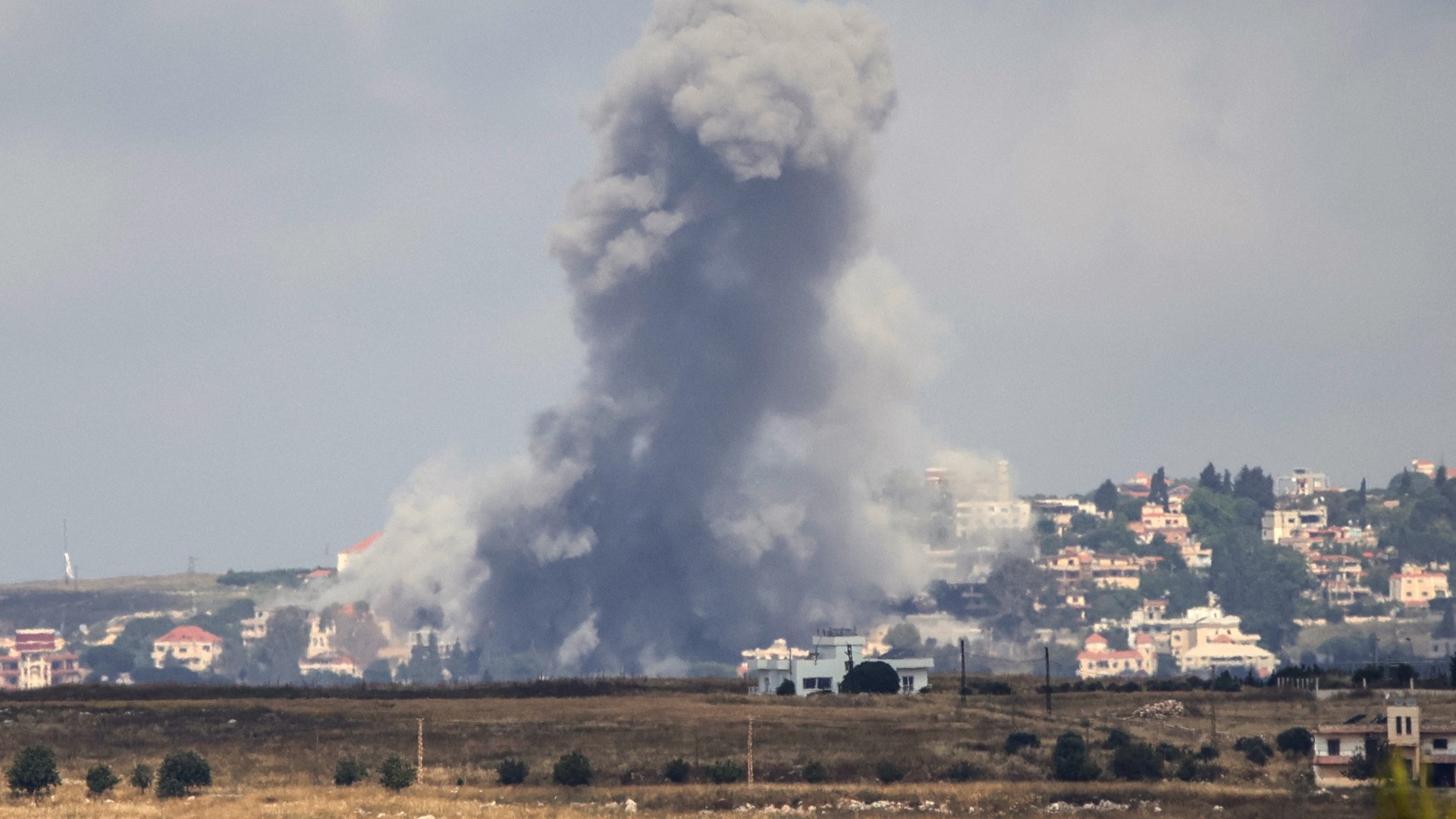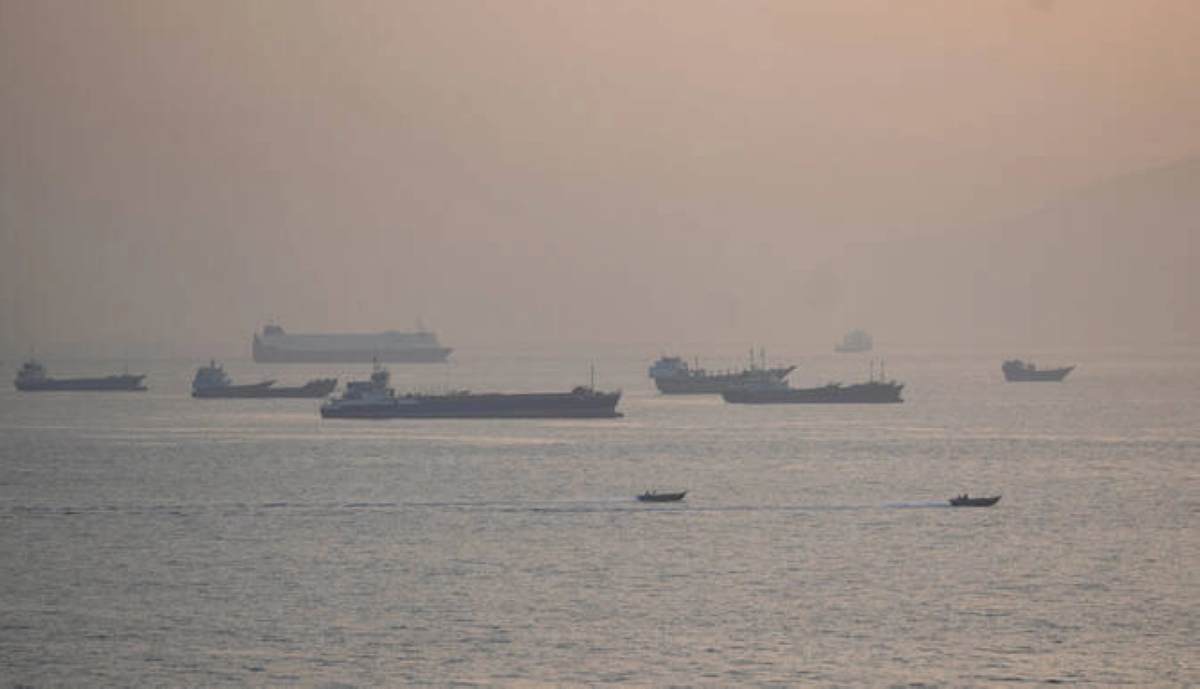
DUBAI — US PresidentDonald Trump has asked for several amendments to the proposeddeal his envoys reached with their Iranian counterparts during a high-level meeting at the White House, US media reported on Saturday citing a senior administration official.The US news portal Axios reported that Trump wanted to reinforce multiple elements of the proposal, particularly measures aimed at preventing Iran from developing nuclear weapons.According to The New York Times, Trump requested changes to several provisions of a draft deal that had been awaiting his approval, sending a revised framework back to Iran for consideration. The changes reportedly strengthen provisions that Trump considers critical.The revisions could prolong negotiations for days as Washington and Tehran seek to preserve a fragile ceasefire that followed the conflict triggered by US and Israeli strikes on Iran on February 28.As Trump is withholding any announcement on a possible peace deal with Iran, Defense Secretary Pete Hegseth told an international security forum in Singapore on Saturday that the US military is ready to resume combat in the Gulf if required and "is more strongly placed to do so than on day one of the conflict."Trump met with national security advisers in the White House Situation Room on Friday but emerged without making a final decision on whether to proceed with the agreement.Ahead of the meeting, Trump said he was preparing to make a “final determination.”A senior administration official later said the roughly two-hour session concluded without a decision, adding that Trump would sign only a deal that “satisfies his redlines” and curbs Iran’s nuclear ambitions.The talks came after reports that US and Iranian negotiators had reached a tentative understanding that would extend the ceasefire for 60 days while negotiations continue on Iran’s disputed nuclear program and regional security issues.Trump reiterated that any agreement must include a commitment from Iran never to develop nuclear weapons and must ensure the reopening of the strategically vital Strait of Hormuz, through which roughly one-fifth of the world’s oil supply passes.“Iran must agree that they will never have a Nuclear Weapon or Bomb,” Trump wrote on social media. He also demanded that sea mines in the strait be removed and international navigation restored.Iran, however, signaled that major differences remain.Iranian Foreign Ministry spokesman Esmail Baghaei said on Friday that the agreement “has not been finalized yet,” while parliamentary speaker Mohammad Bagher Qalibaf insisted Tehran would judge Washington by actions rather than promises.“No step will be taken before the other side acts,” Qalibaf wrote on X. “We do not gain concessions through talks, but through missiles.”The nuclear issue remains among the most contentious points.The proposed memorandum would also require Iran to eliminate mines in the Strait of Hormuz within 30 days and prohibit the imposition of transit tolls on vessels using the waterway, according to a US official familiar with the negotiations.In exchange, Washington would gradually ease its blockade of Iranian ports and relax some sanctions, enabling Tehran to increase oil exports.Iran has sought additional concessions, including access to billions of dollars in frozen funds and a truce between Israel and the Iran-backed Hezbollah movement in Lebanon, where clashes have intensified despite a nominal ceasefire.Iranian officials have also pushed back against US proposals regarding the Strait of Hormuz.Iran has reasserted its control over the Strait, warning that foreign commercial and military vessels will be targeted, if they do not comply with regulations governing passage through the strategic waterway.“The management of the Strait of Hormuz is exercised with full authority by the Armed Forces of the Islamic Republic of Iran,” the operational headquarters of Iran’s armed forces, Khatam al-Anbiya Central Headquarters, said in a statement reported by Iranian media on Saturday.“All ships, commercial vessels, and tankers are only required to travel through the designated routes and obtain permission from the Islamic Revolutionary Guard Corps [IRGC] Navy. Any violation of these regulations will seriously jeopardise the security of their traffic,” it added.Iran also issued a warning to foreign military forces operating in the area, saying any attempt to interfere with maritime management or shipping movements would trigger a response.The Strait of Hormuz has remained effectively closed since the outbreak of hostilities in late February, contributing to higher global fuel prices and disruptions to international trade.Although Iran has allowed limited commercial traffic to pass in recent weeks, vessel movements remain far below pre-war levels, while new US sanctions have targeted Iranian entities involved in regulating passage through the waterway.
Trump seeks tougher terms as US-Iran deal remains in limbo
DUBAI — US PresidentDonald Trump has asked for several amendments to the proposeddeal his envoys reached with their Iranian counterparts during a high-level...
731 words~3 min read