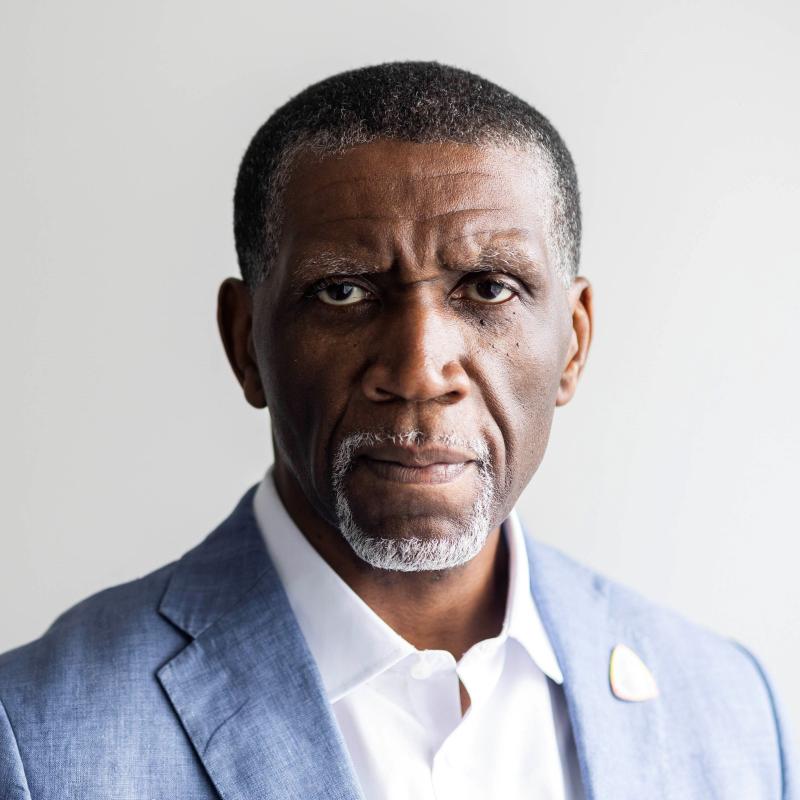
For a generation of Jamaicans, Britain was not a foreign country. Like my own parents, it was seen as the mother country. It was spoken of with familiarity, even affection. A place where opportunity waited and contribution welcomed. When Britain called after the Second World War, thousands answered. From Jamaica, Barbados, Trinidad, across the Caribbean. Men and women packed their lives into suitcases, leaving behind families and familiar skies, crossing the Atlantic on the promise they were coming home.They built that home with their hands, staffed the NHS when it was new and fragile. They drove the buses, worked the factories, built the churches and raised their children as British. They created communities that enriched every city and town they settled in, bringing culture, music, food and faith that became woven into the fabric of British life. Yet the mother country was not always warm to them. Signs in the windows “no blacks, no dogs, no Irish”, doors that closed, the daily indignities endured, but they stayed, because Britain was where their lives had taken root.Then, from around 2012, many were told they didn't belong.The Home Office Windrush Scandal was not a mistake or an oversight. It was the result of hostile immigration policies that required those living lawfully in Britain for decades to prove their right to remain. Many could not. Documents had never been issued. Records destroyed by the very government that now demanded proof. People lost jobs, were refused NHS treatment, made homeless, detained, and even deported to countries they had left as children. Some died before receiving any acknowledgment of the wrong done to them. Families were separated. Retirements were ruined. Lives built over fifty years were dismantled by bureaucracy and indifference.If you’re reading this in Jamaica, I want you to understand this is not a distant British story. These were Jamaica's sons and daughters. Some deported back here, forced to start again in a country they barely remembered, carrying the weight of a rejection they had done nothing to deserve. Others left quietly, frightened of detention, abandoning everything they had built. Some are here now, unaware that the British government still owes them something, and that support is still available to them.That is why I am writing to you directly.I was appointed as the Independent Windrush Commissioner to hold the government to account, ensuring it keeps the promises made to the Windrush generation. My role exists because those affected deserved someone in their corner. My work is guided by three commitments: justice and healing for those who were wronged, prevention so nothing like this can ever happen again, and legacy, ensuring the Windrush generations are always remembered and honoured.I’ve spent time listening in church halls, community centres and living rooms. I’ve heard from survivors about what was taken from them. Not just financially, but the cruelty of feeling like a stranger in the only country they had ever truly known. I’ve met people who still struggle to speak about what happened, and children who watched their parents diminished by a system that should’ve protected them.I’ve met with High Commissioners and diaspora leaders who carry the weight of this story across national borders. I’ve attended cultural celebrations and spoken with young people trying to understand an inheritance they never asked for.Those conversations shaped recommendations I’ve taken directly to ministers. Some of which have been accepted and put into practice, changing how claims are handled and how the scheme operates.There has also been real, measurable progress. As of March 2026, over £127 million has been paid in compensation across 3,978 claims. More than 19,600 people received documentation confirming their status or British citizenship, and over 94% of claims received have reached a final decision.But we cannot confuse progress with completion. Time is not on our side.Behind every number is a person, someone spending years in uncertainty, fighting for recognition of lives the British state tried to erase. And for every person who has come forward, there are others who have not. People who don’t know help exists. People who gave up after years of exhausting processes. People who assumed the system was not built for them. It is for those people that I continue this work.If you have a relative who came from Jamaica to Britain before 1973 and faced difficulties with their status in the UK – if they lost work, refused healthcare, couldn’t access their pension, were deported or felt they had to leave – they may be entitled to compensation and/or confirmation of their British status. If someone you know returned to Jamaica after losing their right to work, leaving Britain out of fear, or spent years unable to claim what is rightfully theirs, they may still be eligible. The impact of the scandal didn’t stop with one generation. Close family members may also be entitled to compensation, and where someone who was wronged has since passed away, their estate may still be able to bring a claim. It is worth finding out.And if you have a story to tell, I want to hear it. Every experience shared with my office helps us challenge government, shape recommendations and prevent future injustices. Your voice matters in this work. It always has.The Windrush generation came in good faith. They gave Britain their energy, their talent and their love. They asked for nothing more than to be treated as what they were – British. Britain failed them. It is my job to ensure that failure is not the final word. I won’t stop pressing until every person who was wronged has a genuine opportunity for justice.Visit www.windrushcommissioner.uk to find out more and access support.Reverend Clive Foster MBE is the independent Windrush Commissioner, appointed to hold the British Government accountable to the Windrush generations and ensure the commitments made to them are honoured.
Clive Foster | Britain was seen as the mother country – then it told them they didn't belong
For a generation of Jamaicans, Britain was not a foreign country. Like my own parents, it was seen as the mother country. It was spoken of with familiarity, even affection. A place where opportunity waited and contribution welcomed. When Britain called after the Second World War, thousands answered. From Jamaica, Barbados, Trinidad, across the Caribbean. Men and women packed their lives into suitcases, leaving behind families and familiar skies, crossing the Atlantic on the promise they were coming home.
965 words~4 min read