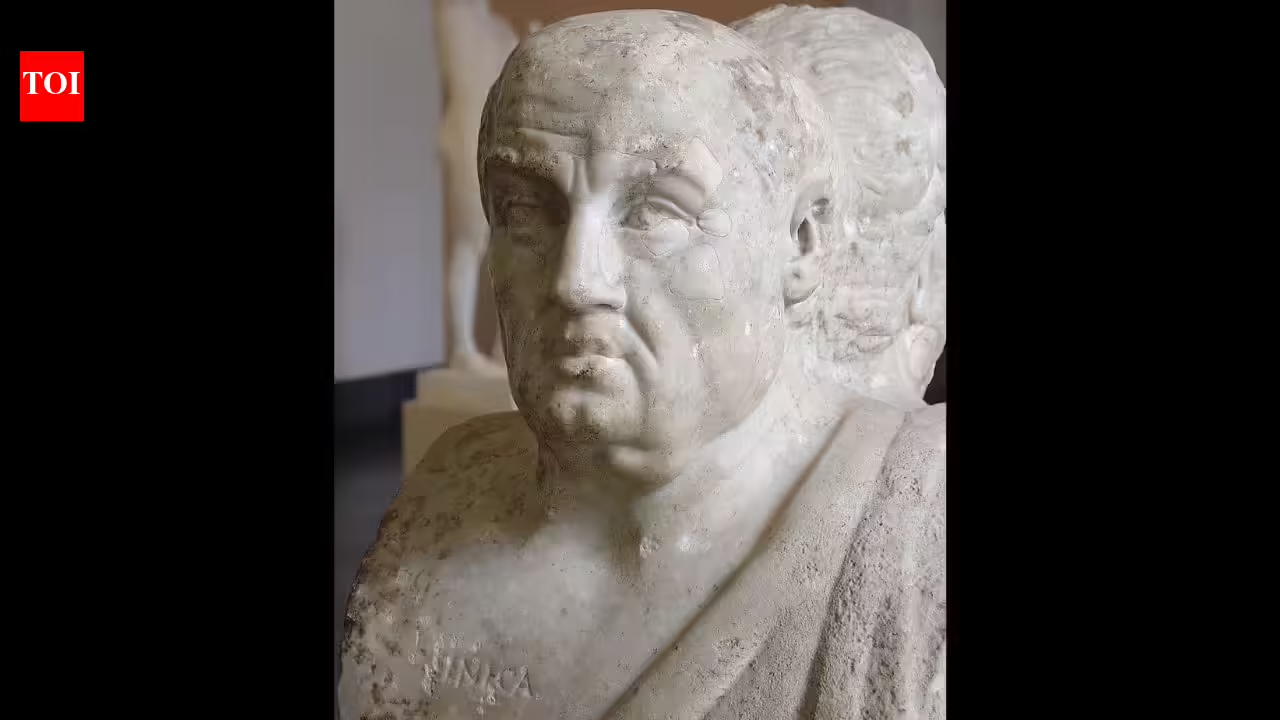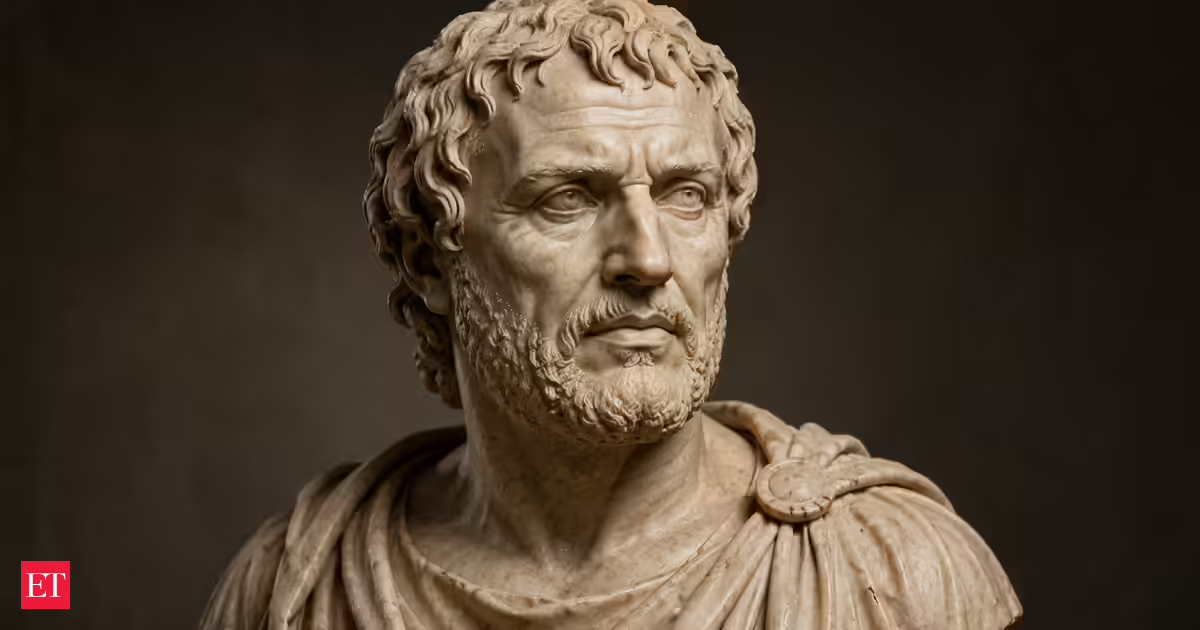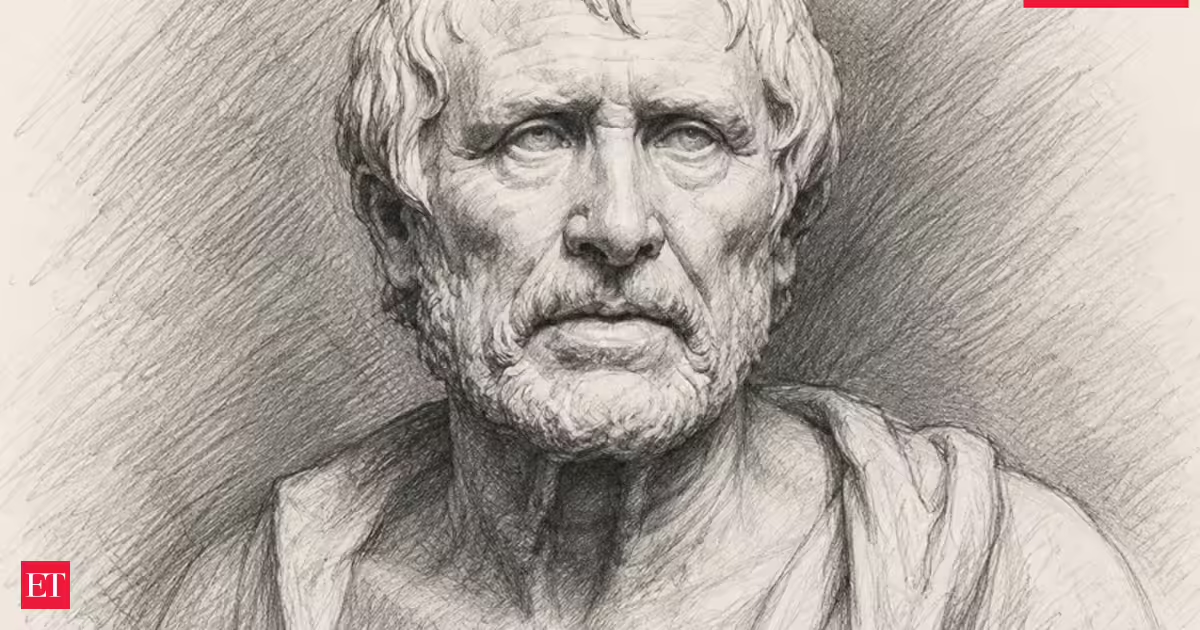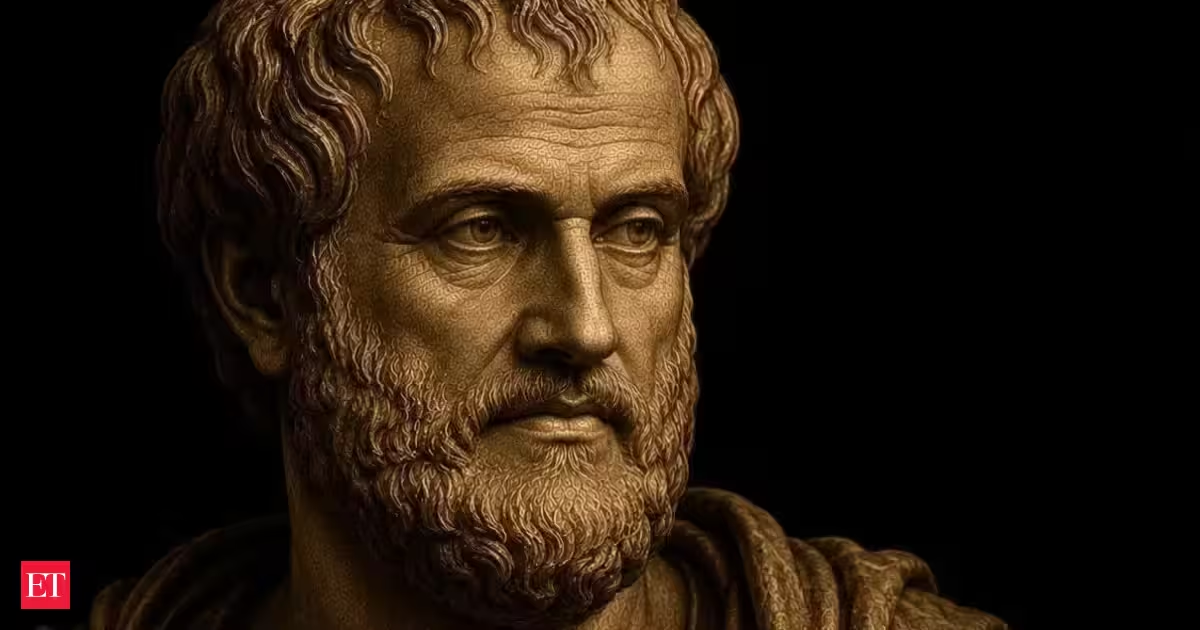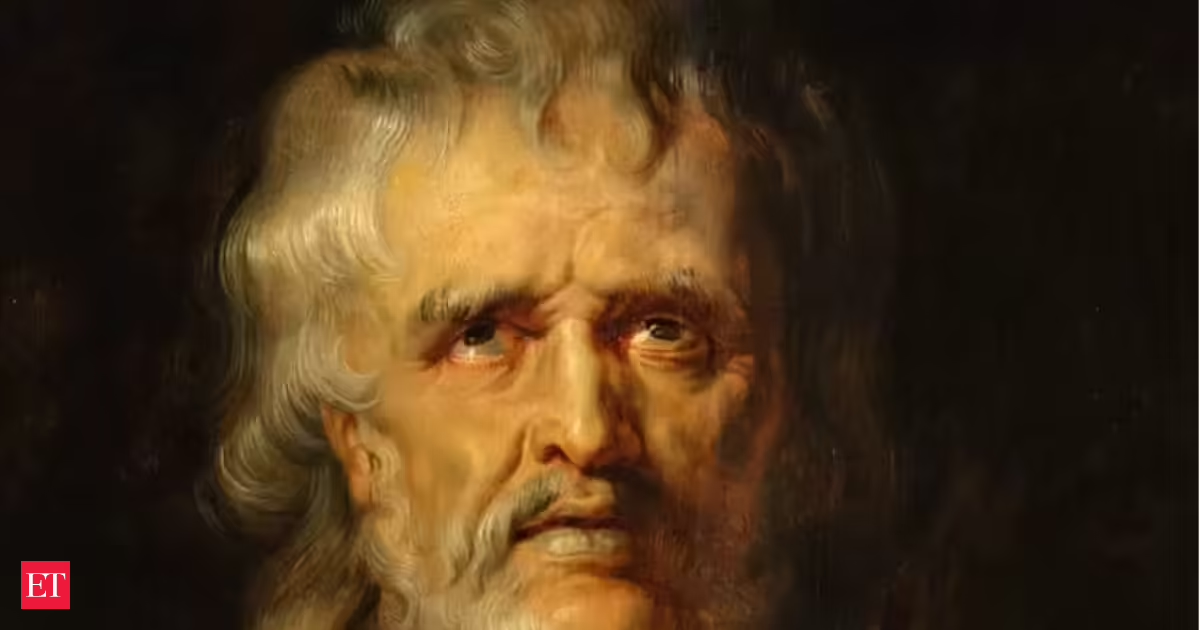
Long after an argument ends, have you ever replayed it in your head just to realize that your anger caused more stress than the original problem? Surrounded by workplace pressures, online debates, and personal conflicts, keeping emotions in check can feel like a daily challenge for most. Nearly 2,000 years ago, the Roman philosopher Seneca offered a powerful perspective on this struggle, one that remains remarkably relevant today.Quote of the Day by Seneca: “Anger, if not restrained, is frequently more hurtful to us than the injury that provokes it.”This famous quote is attributed to Lucius Annaeus Seneca, better known as Seneca. A leading Stoic thinker of ancient Rome, he believed that mastering one's emotions was essential to living a wise and fulfilling life. His writings continue to inspire readers seeking resilience, clarity, and self-discipline.Also Read: Quote of the Day by Star Wars creator George Lucas: ‘The secret is not to give up hope; it's very hard not to because...’ Billionaire philanthropist explains why success often comes after hopelessnessWhy Seneca's quote on anger matters todayAnger is one of the most natural human emotions, but it can also be one of the most destructive when left unchecked. In today's fast-paced world, people often react instantly to criticism, disappointment, or conflict, sometimes saying or doing things they later regret.Seneca's observation reminds us that while we cannot always control what happens to us, we can control how we respond. The emotional damage caused by unchecked anger often lasts longer than the original insult or setback.What Seneca's quote means in real lifeThe quote suggests that anger often becomes a second injury. Someone may offend us, criticize us, or treat us unfairly, but our uncontrolled reaction can create even greater problems. We may damage relationships, make poor decisions, or carry stress and resentment for far longer than necessary.In everyday life, this lesson applies to family disagreements, workplace conflicts, and even social media arguments. Taking a moment to pause before reacting can prevent situations from escalating and helping preserve both peace of mind and important relationships. Seneca believed true strength comes not from overpowering others but from mastering ourselves.About SenecaSeneca was born around 4 BCE in Corduba, now Córdoba in Spain, into a wealthy and educated Roman family. His father, known as Seneca the Elder, was a renowned teacher of rhetoric. As a young man, Seneca moved to Rome, where he studied philosophy and trained as an orator, developing the intellectual foundations that would shape his later work.His life combined philosophy and politics at the highest levels. After periods of exile and political turmoil, he became tutor and advisor to the future Roman Emperor Nero. Alongside his ally Burrus, Seneca played a major role in governing the Roman Empire during the early years of Nero's reign. Later, after withdrawing from public life, he devoted himself to writing philosophical works that remain influential today. In 65 CE, accused of involvement in a conspiracy against Nero, he was ordered to take his own life and reportedly faced death with remarkable composure.Seneca's legacySeneca is remembered as one of the most important figures of Stoic philosophy. His essays, letters, and tragedies explored themes such as virtue, self-control, adversity, mortality, and the pursuit of wisdom. His works have influenced thinkers, leaders, and writers for centuries.What makes Seneca's teachings endure is their practicality. Rather than discussing abstract ideas alone, he focused on everyday human struggles, fear, anger, ambition, grief, and uncertainty. His advice continues to resonate with modern readers looking for calm and perspective in a complex world.His quote on anger remains a powerful reminder that emotional discipline is not about suppressing feelings but about preventing them from controlling our actions. In an age of instant reactions and constant distractions, that lesson may be more valuable than ever.
Quote of the Day by Seneca: ‘Anger, if not restrained, is frequently more hurtful to us than the injury that provokes it’ - A timeless lesson on self-control and emotional wisdom
Quote of the Day by Seneca offers timeless advice on anger. He stated that uncontrolled anger causes more harm than the initial offense. This wisdom from nearly 2,000 years ago remains highly relevant today. Seneca's teachings emphasize emotional control for a wise and fulfilling life. His practical approach addresses everyday struggles, offering calm and perspective.
625 words~3 min read