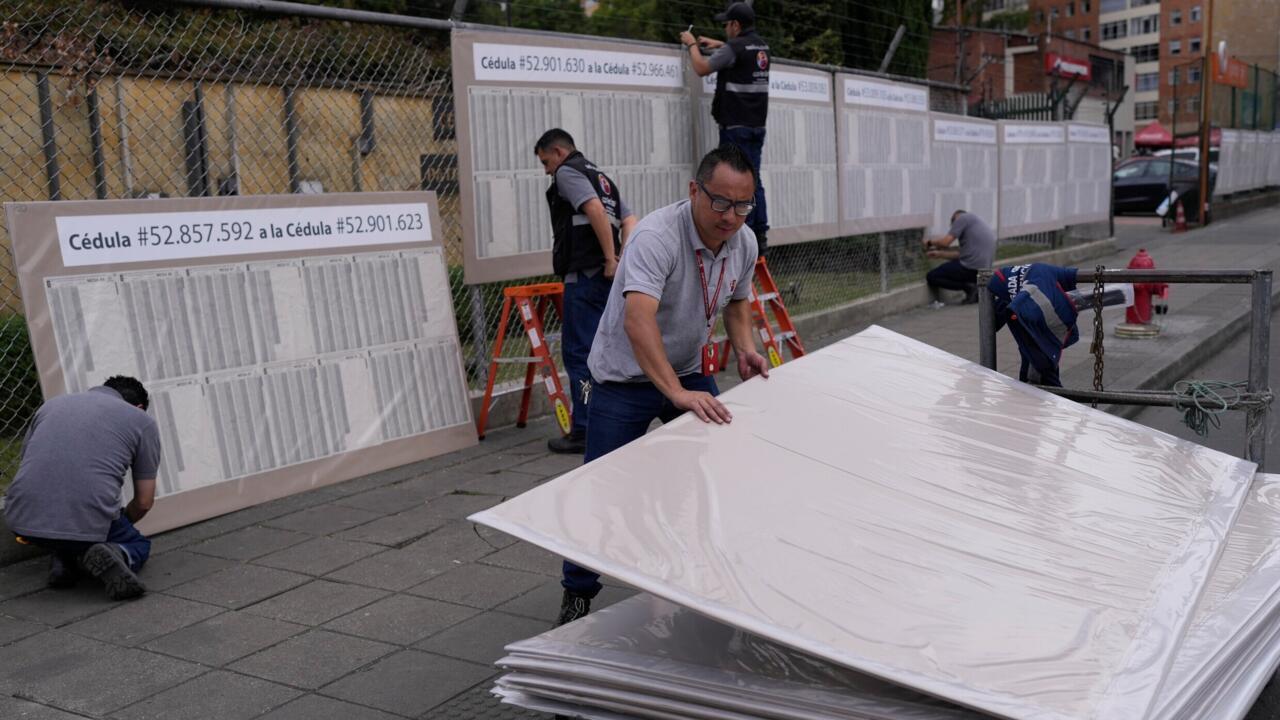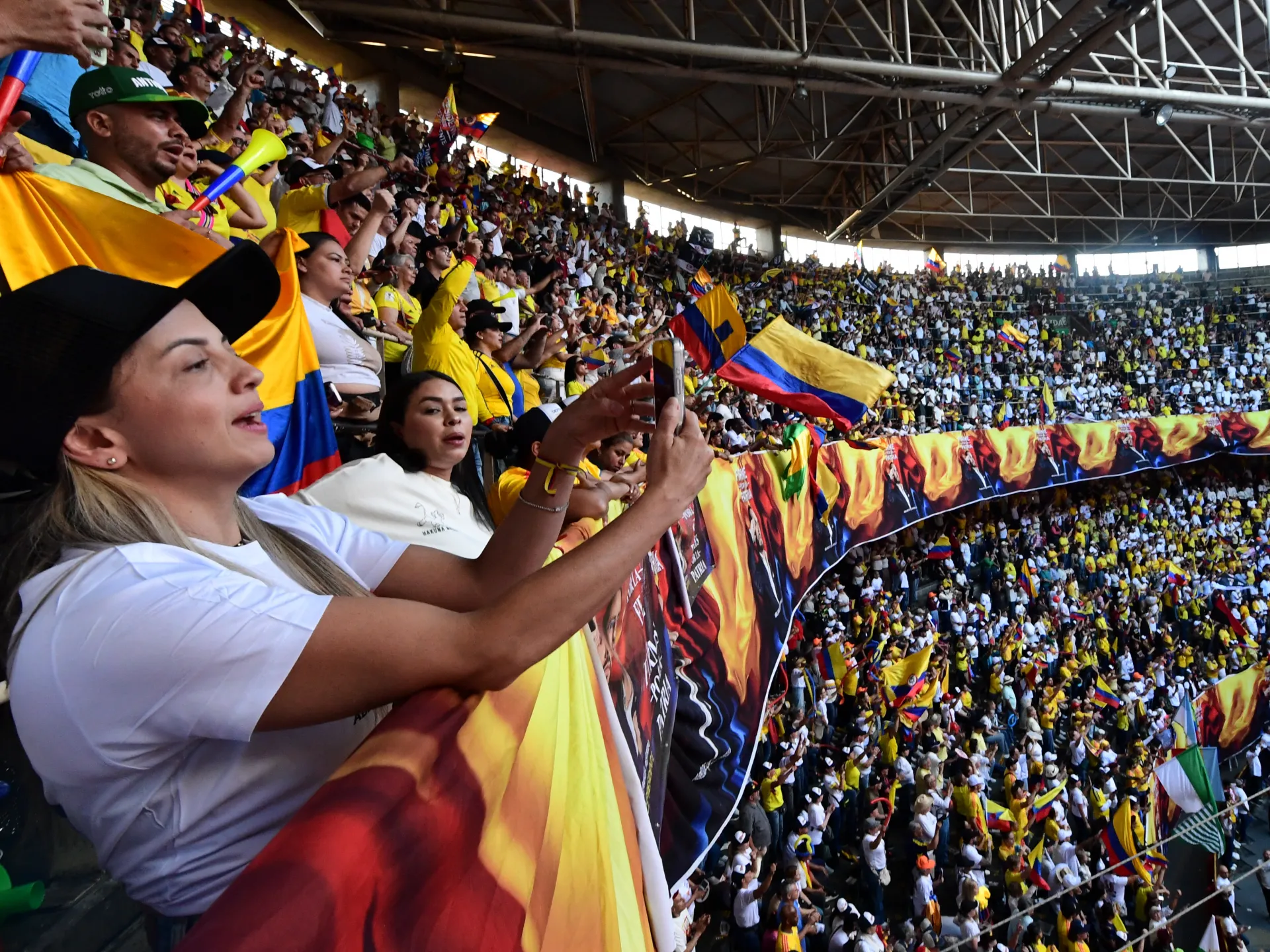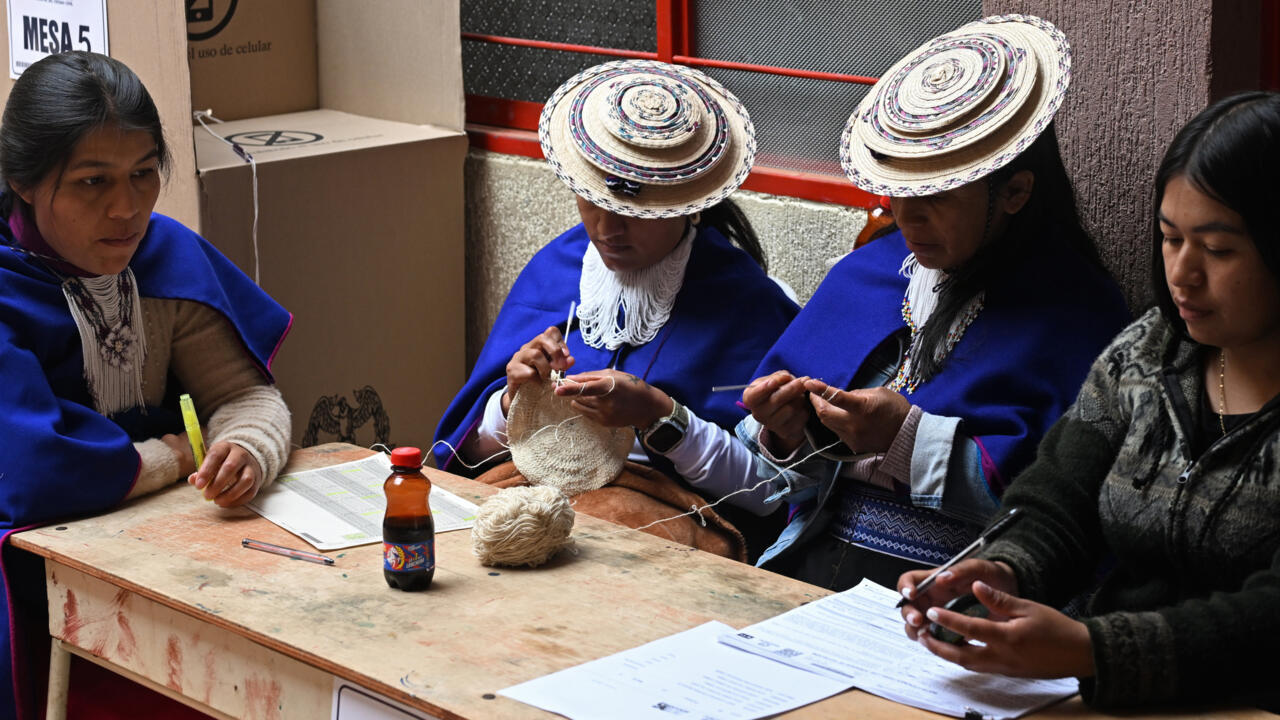
BOGOTÁ, Colombia (AP) — Colombians are casting ballots on Sunday in the first round of the South American nation’s presidential election, choosing between candidates with radically diverging visions for the future of peace in a country haunted by decades of armed conflict.The vote, seen as a referendum on outgoing President Gustavo Petro’s policies, comes 10 years after Colombia signed an historic peace pact with guerrillas of the Revolutionary Armed Forces of Colombia, or FARC.That agreement offered hope to break the nation out of a vicious cycle of fighting between rebel groups and the government but violence has roared back since then, coming to a head in the lead-up to the presidential vote. Criminal groups have increasingly launched drone strikes, armed attacks have plagued the race and last June, 39-year-old politician and presidential hopeful Miguel Uribe Turbay was fatally shot at a political rally.
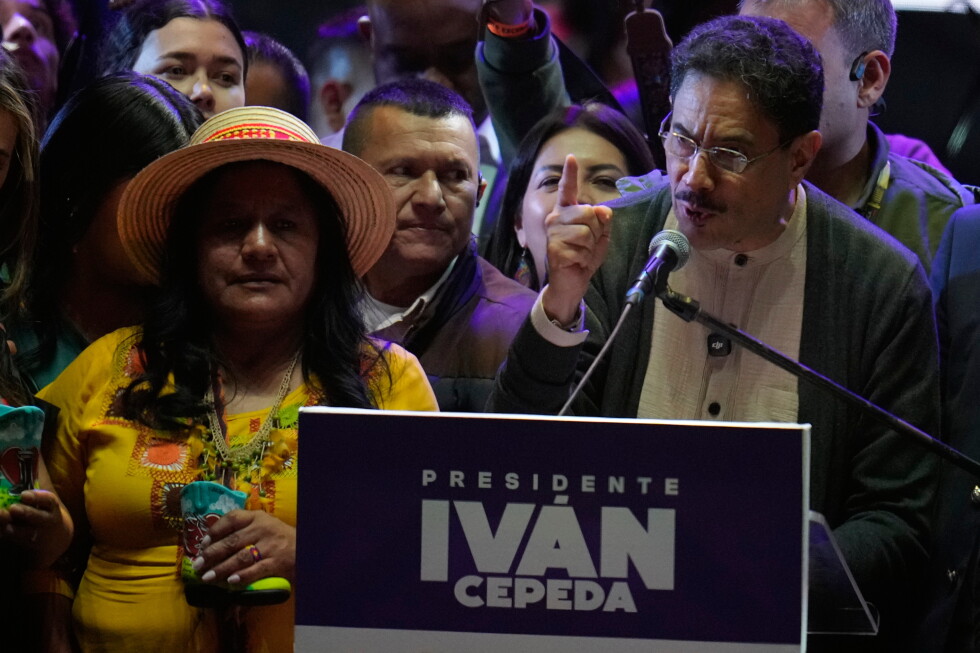
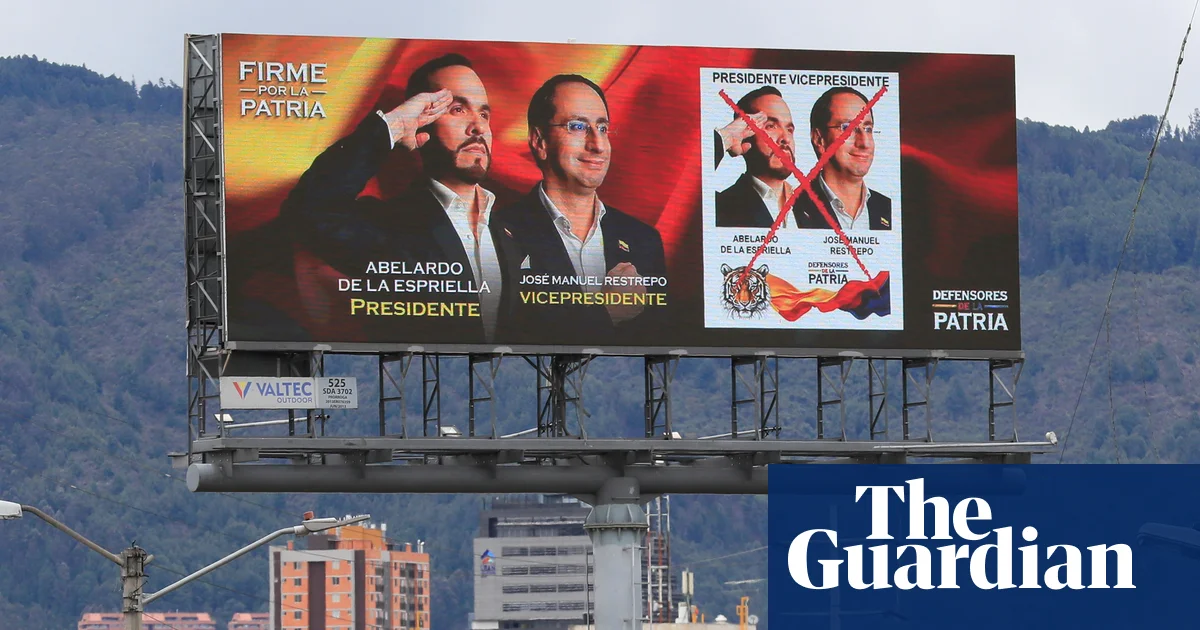
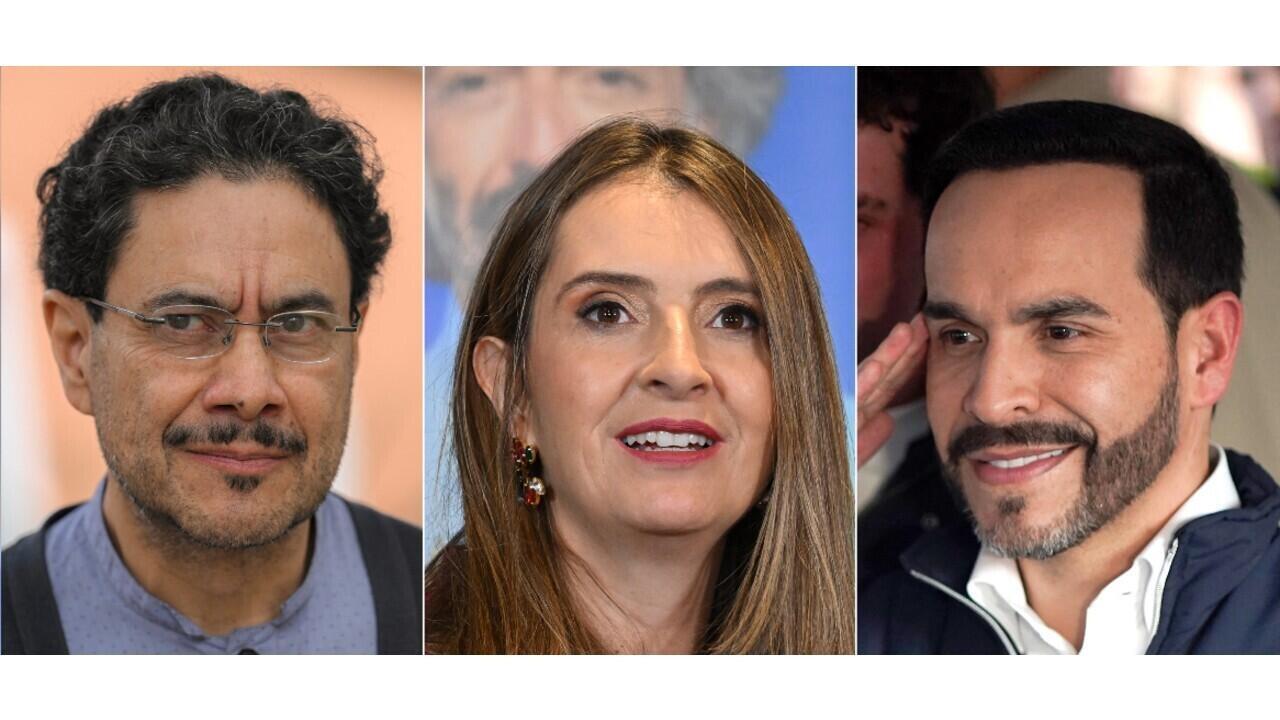
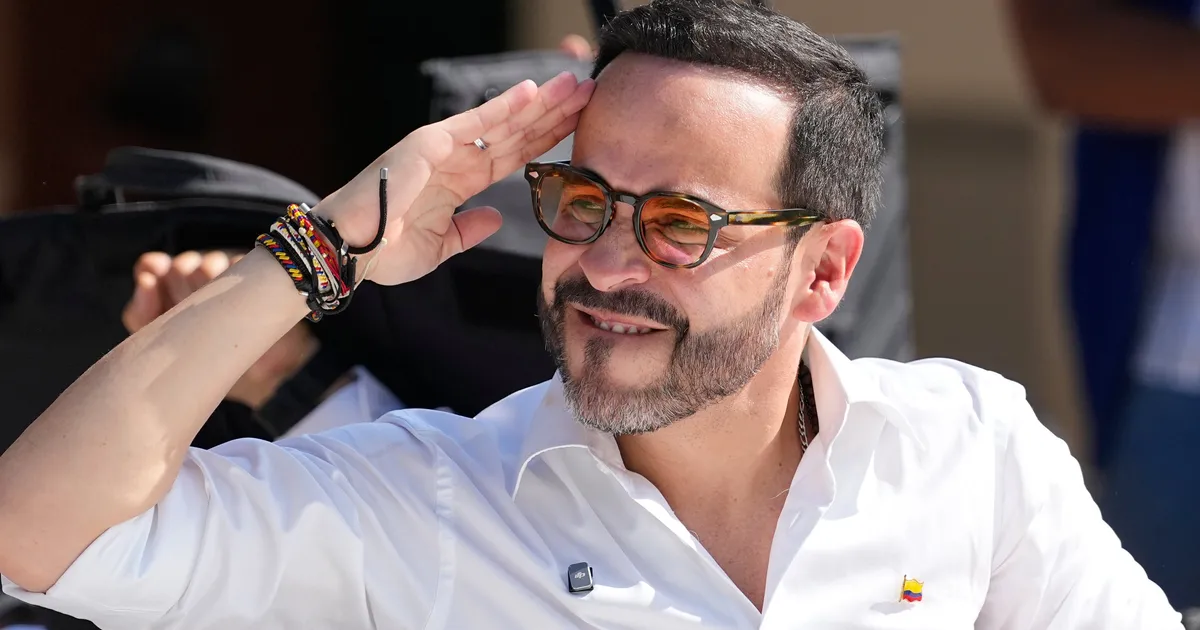
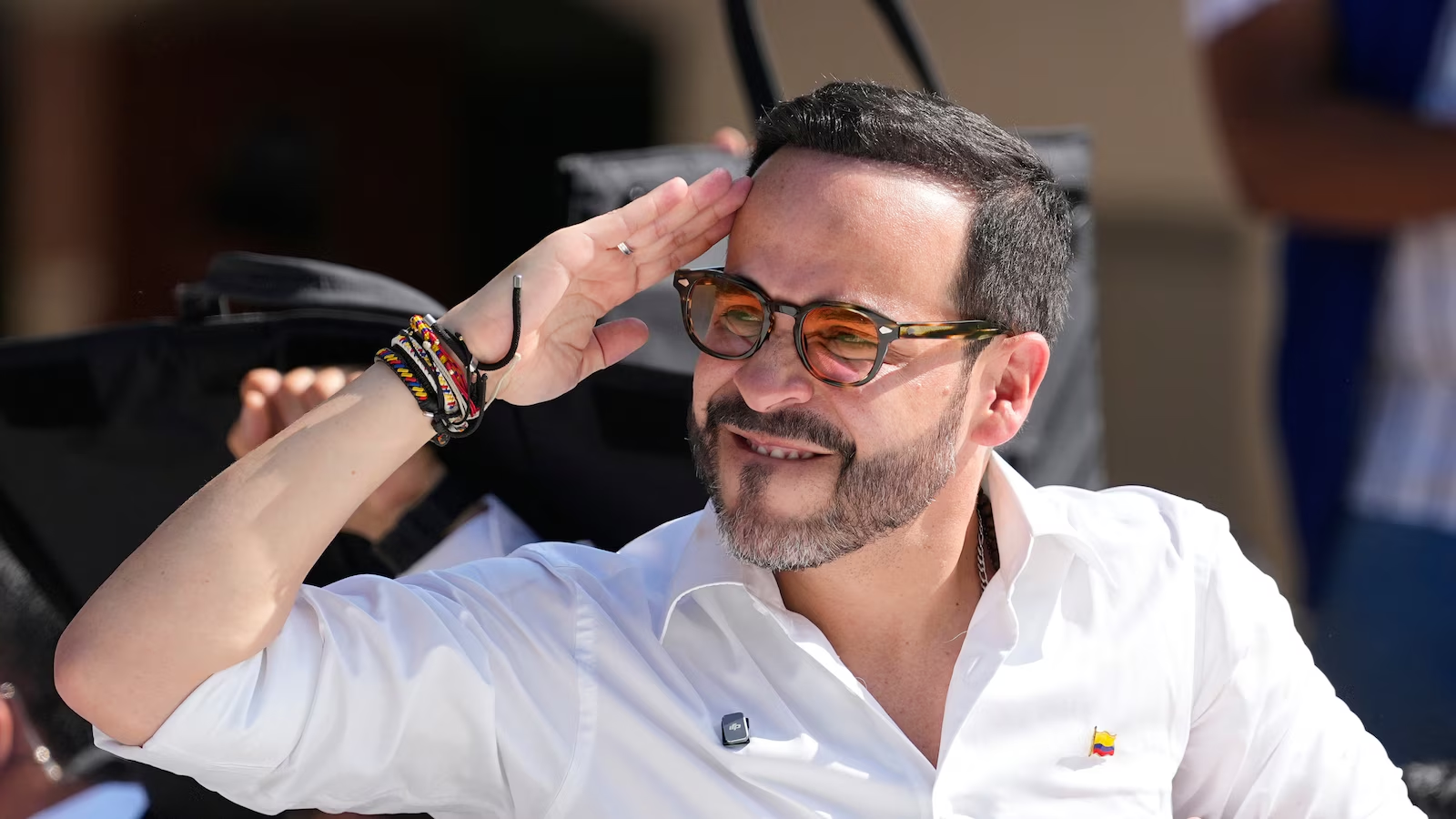
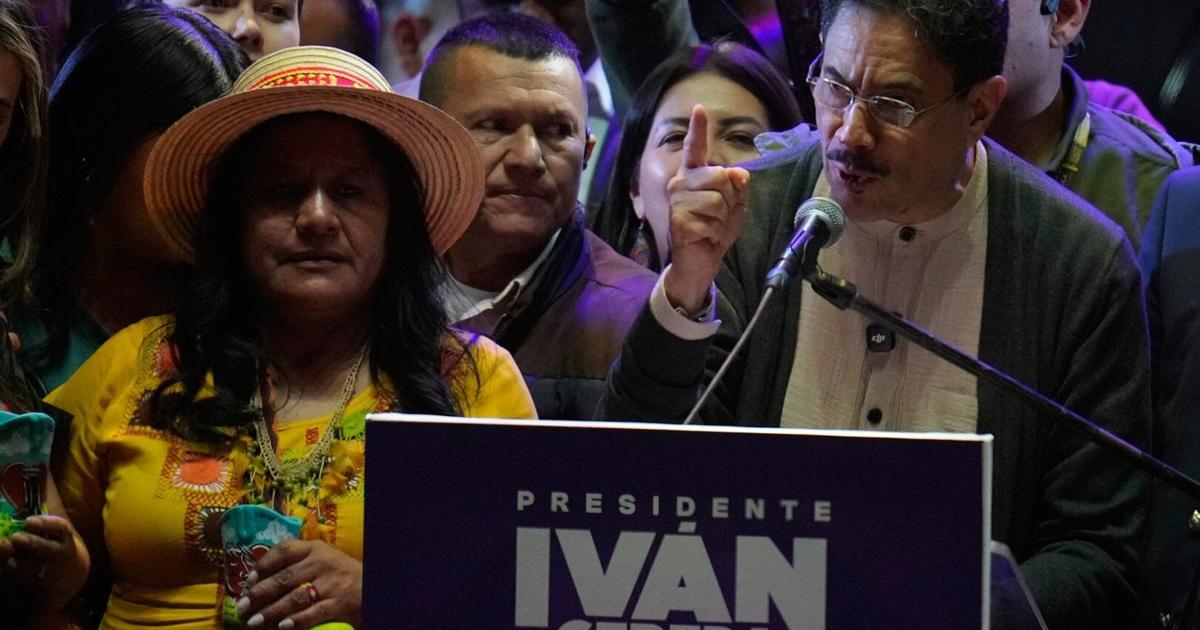
In a country where the fight for peace has long been a part of the political ethos, the question of how to address the conflict is once again dividing the country.Three top candidates have starkly different approachesThere are 14 candidates on the ballot, but the election has basically turned into a three-horse race.Senator and peace-builder Ivan Cepeda — a Petro ally — has led the polls and promises to carry on with Petro’s “total peace” initiative to negotiate with the country’s remaining rebel groups and sign peace agreements with them in an effort to resolve the persistent crisis.While the peace plan has largely failed as criminals have taken advantage of ceasefires with the government, Cepeda and Petro have maintained strong support among many because of progressive policies pushed forward under Petro, such as boosting the minimum wage.Running against Cepeda are Abelardo de la Espriella and Paloma Valencia, who have vowed to come down on armed groups with a heavier hand.De la Espriella — a bombastic lawyer known as “The Tiger” — has particularly gained traction among voters in recent weeks for pitching himself as an outsider keen on emulating the heavy-handed tactics used in El Salvador’s war on gangs, which sharply reduced gang violence but fueled accusations of human rights abuses.