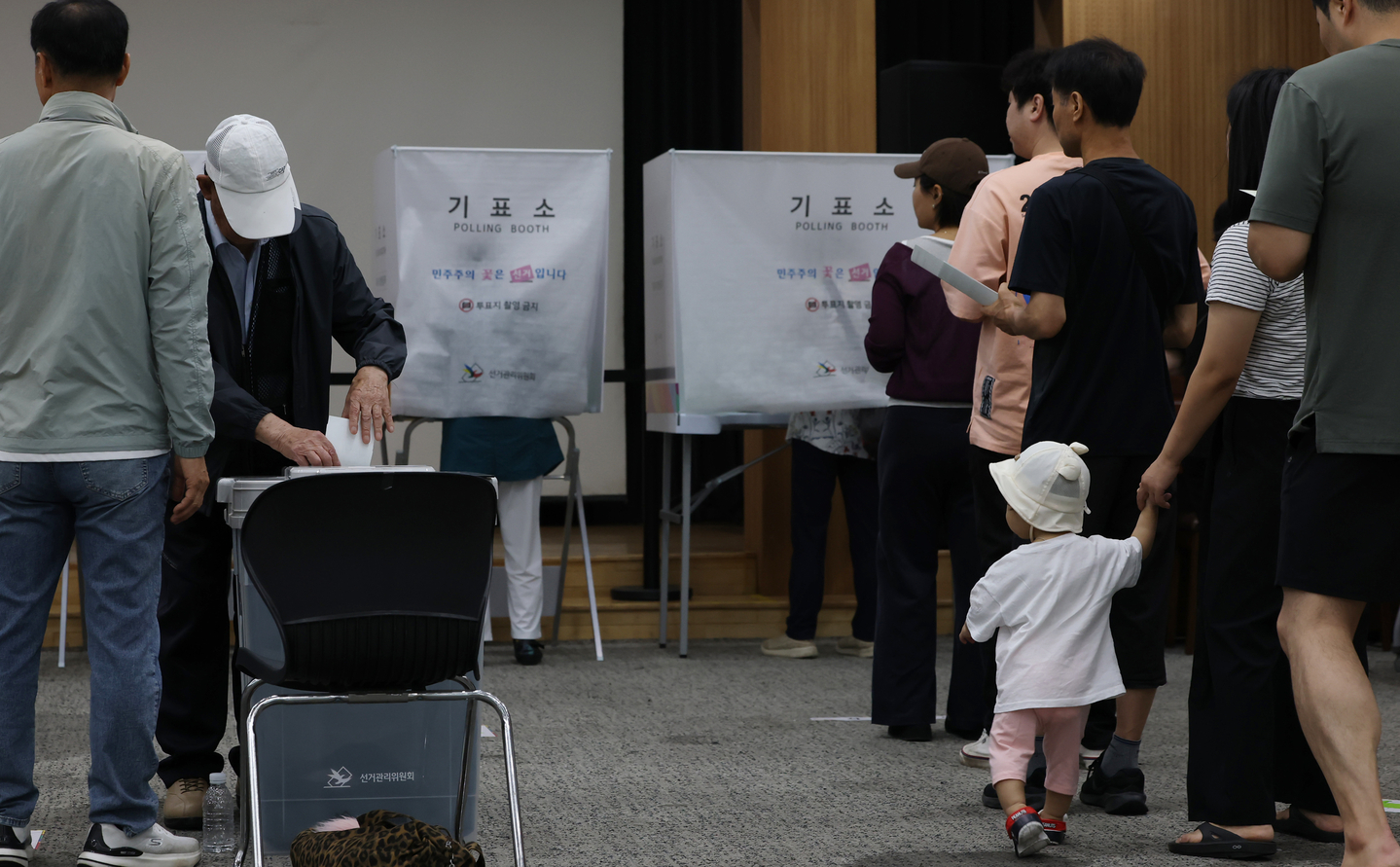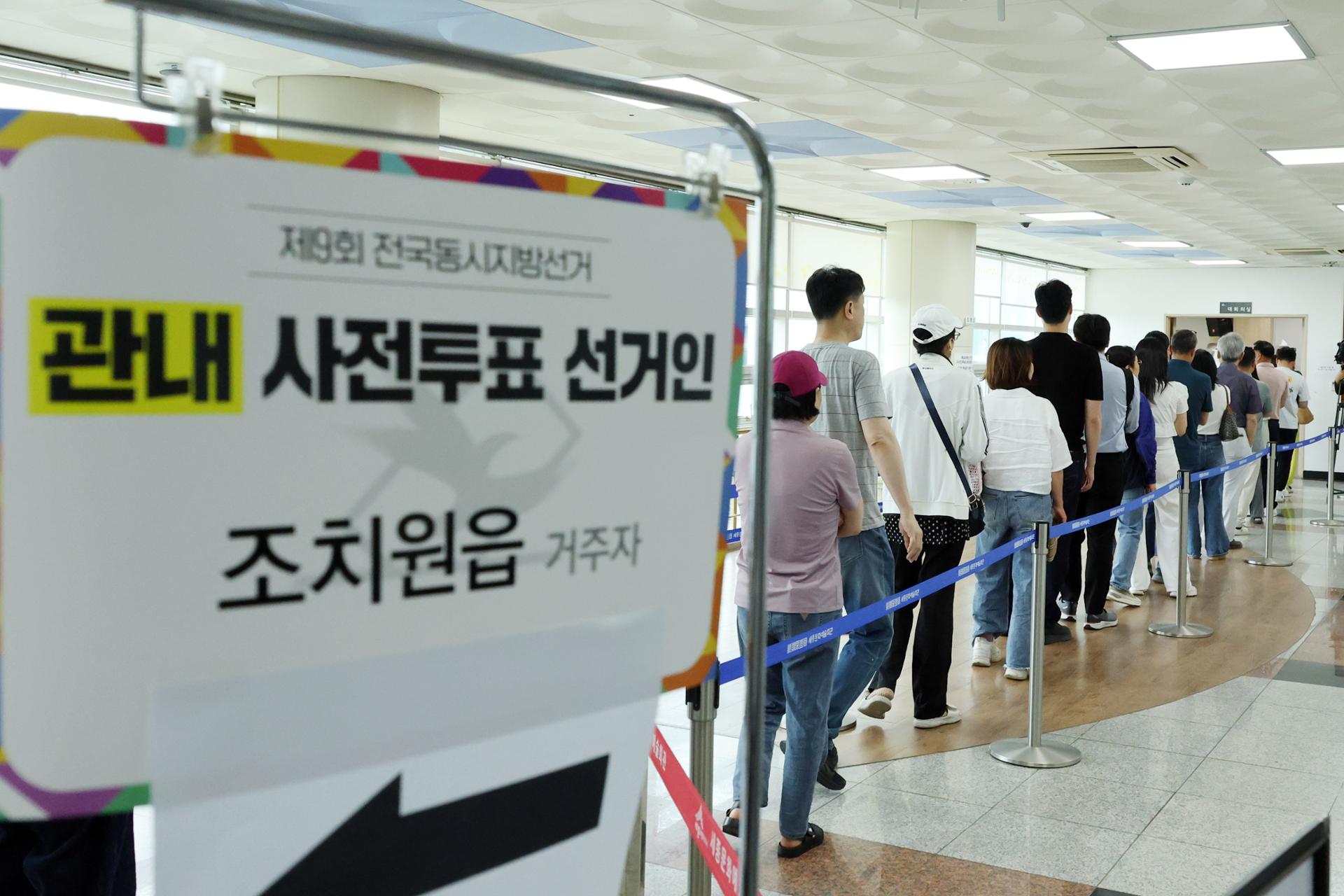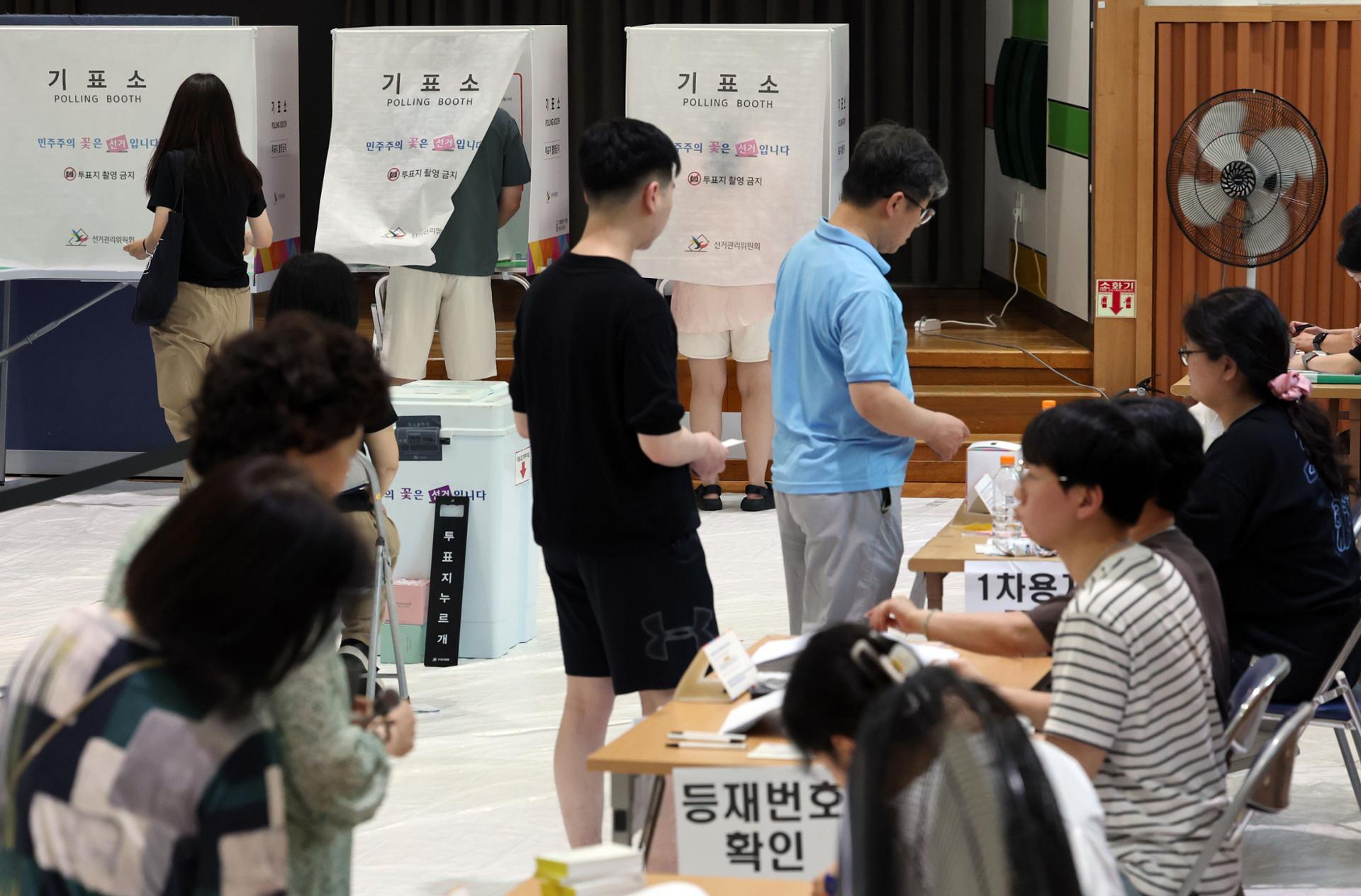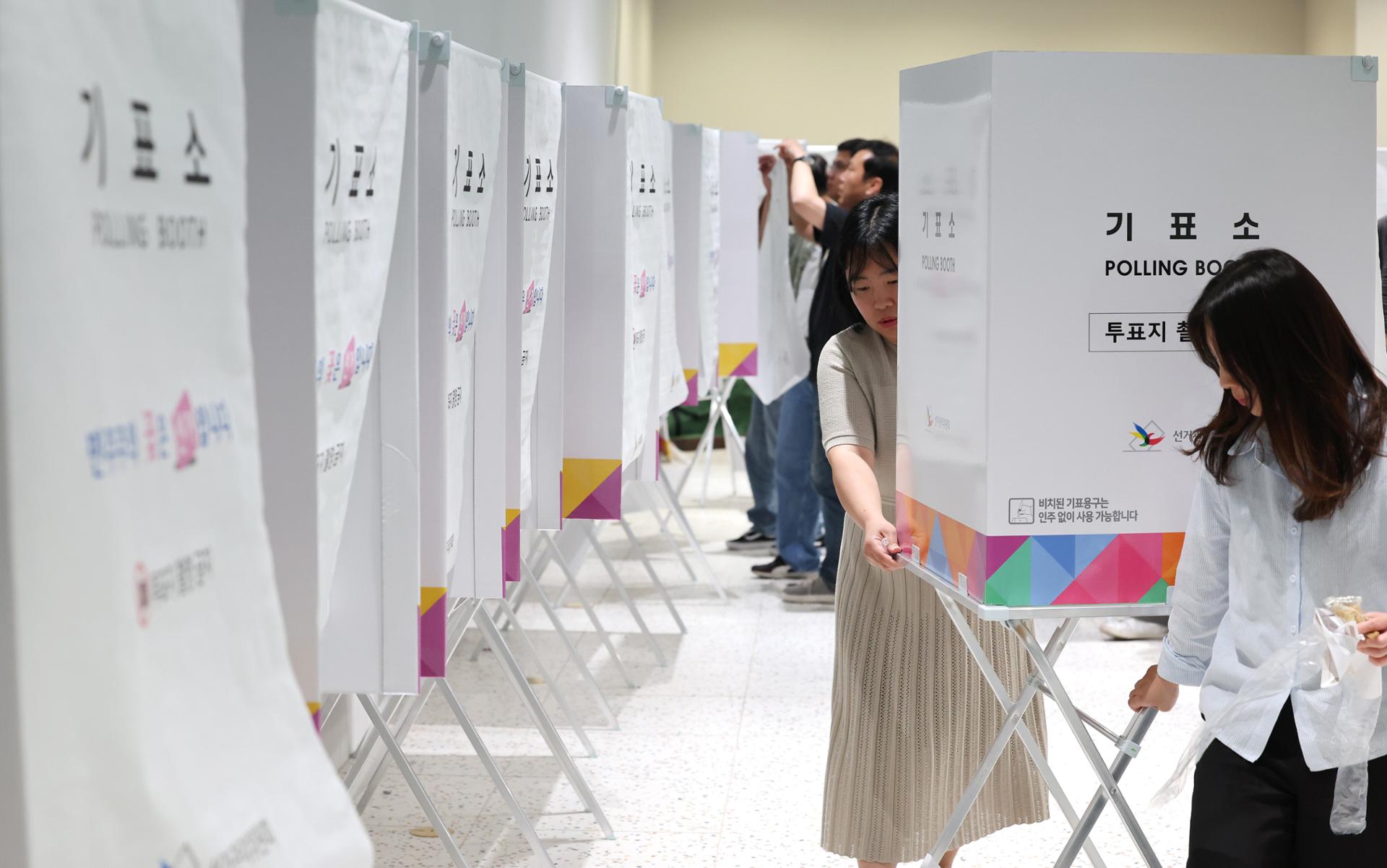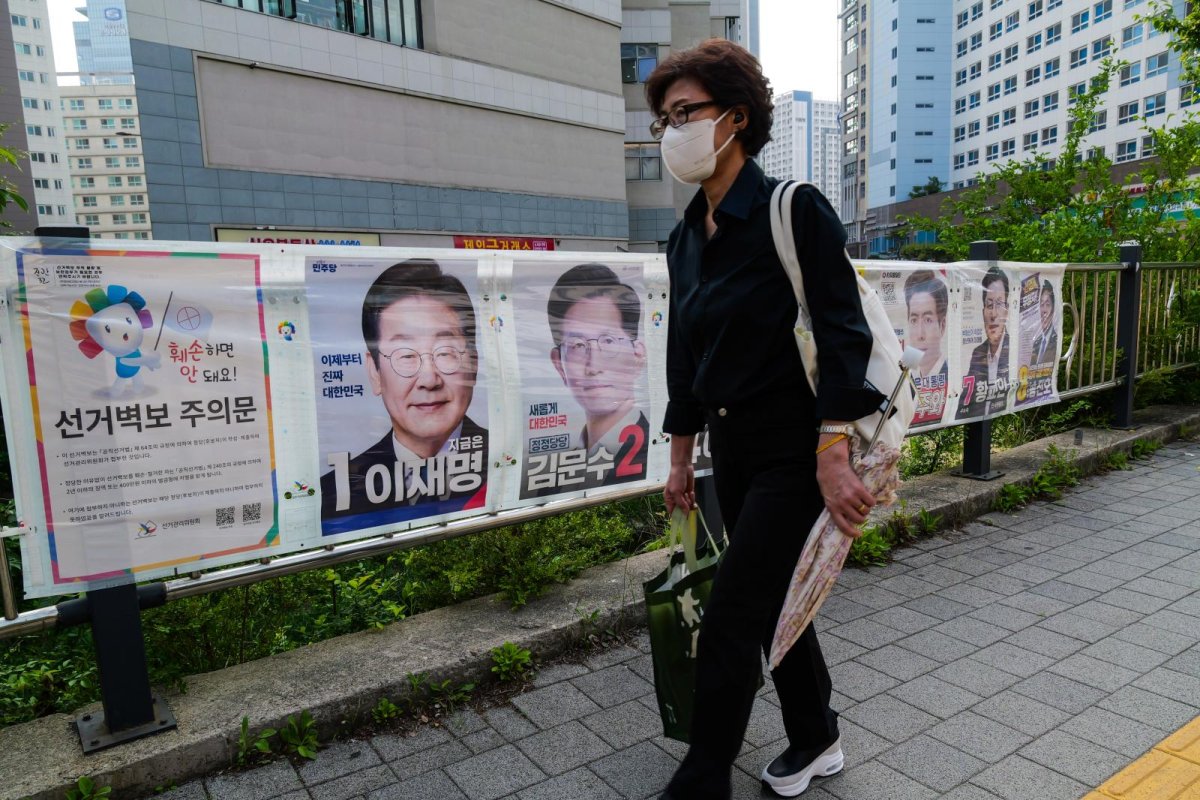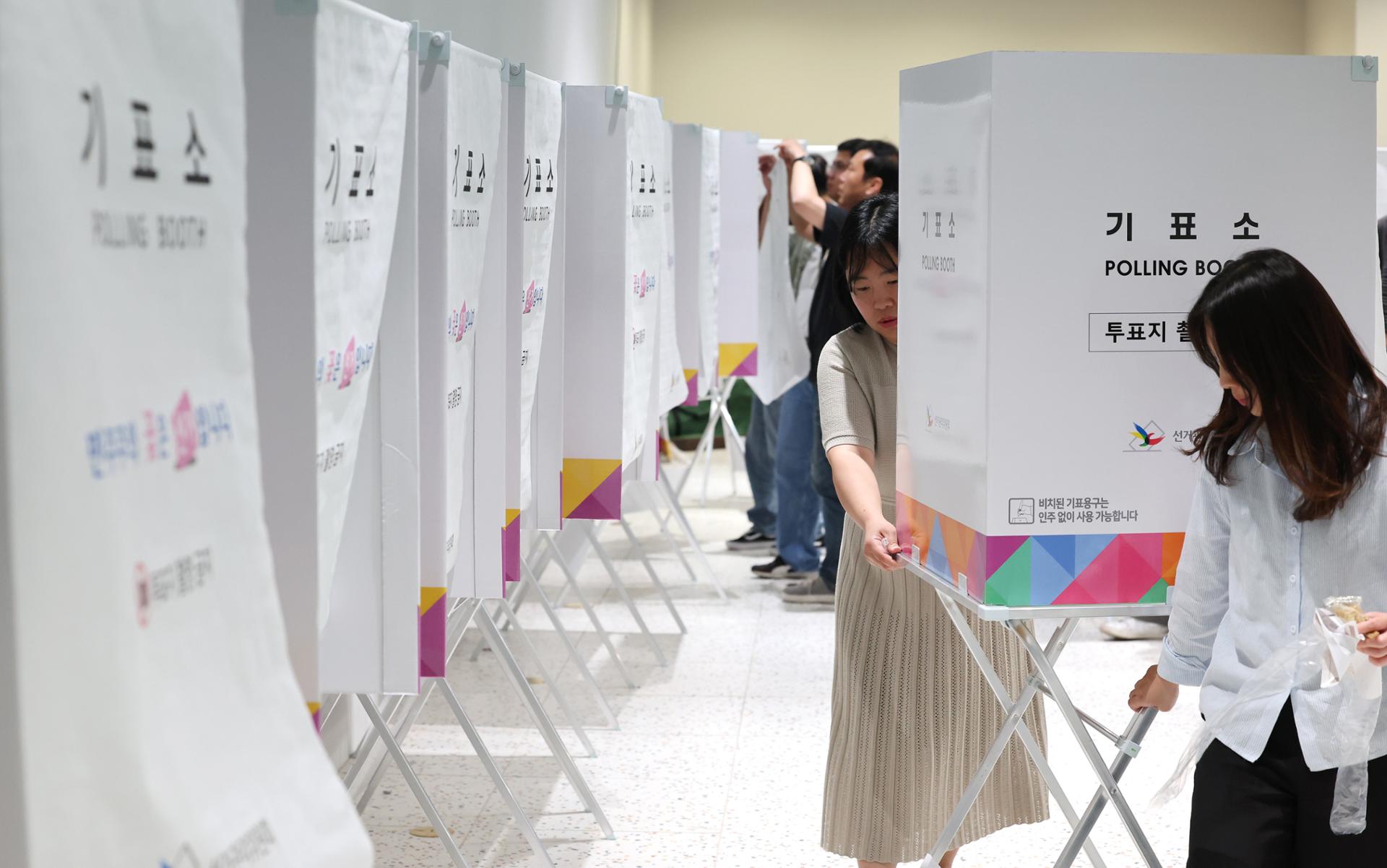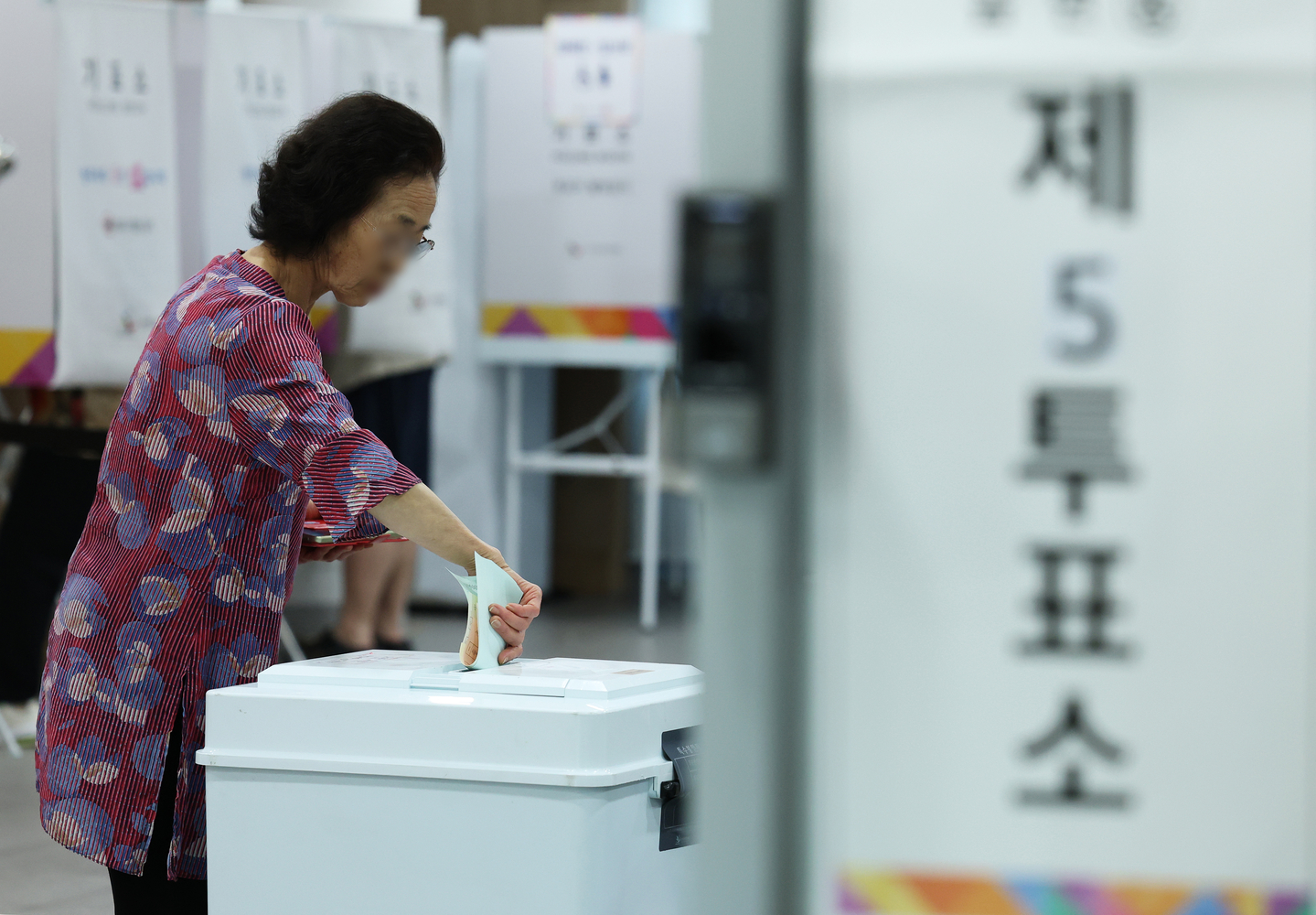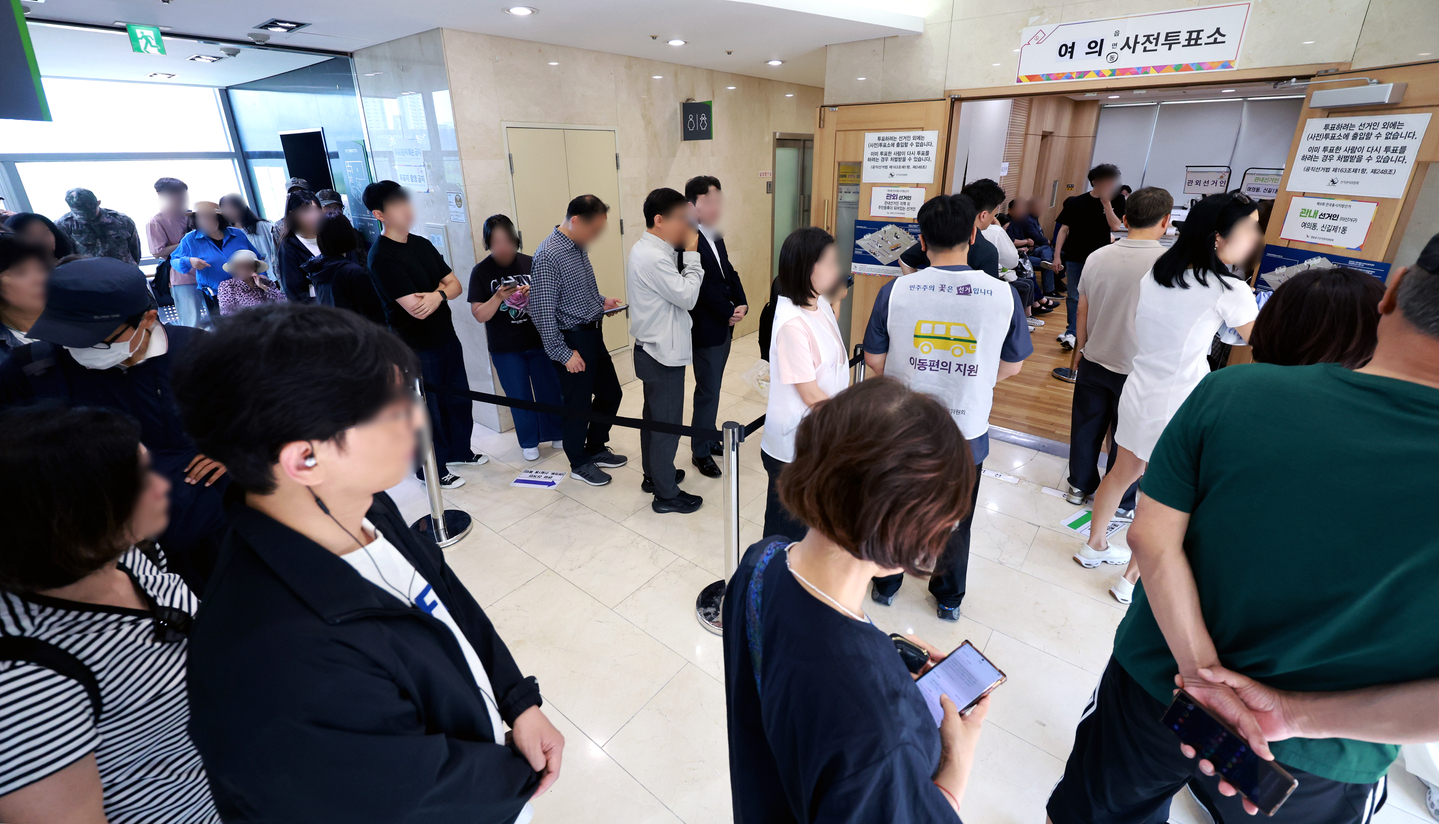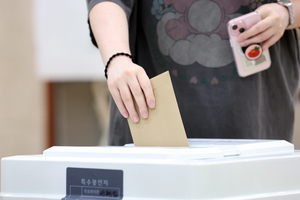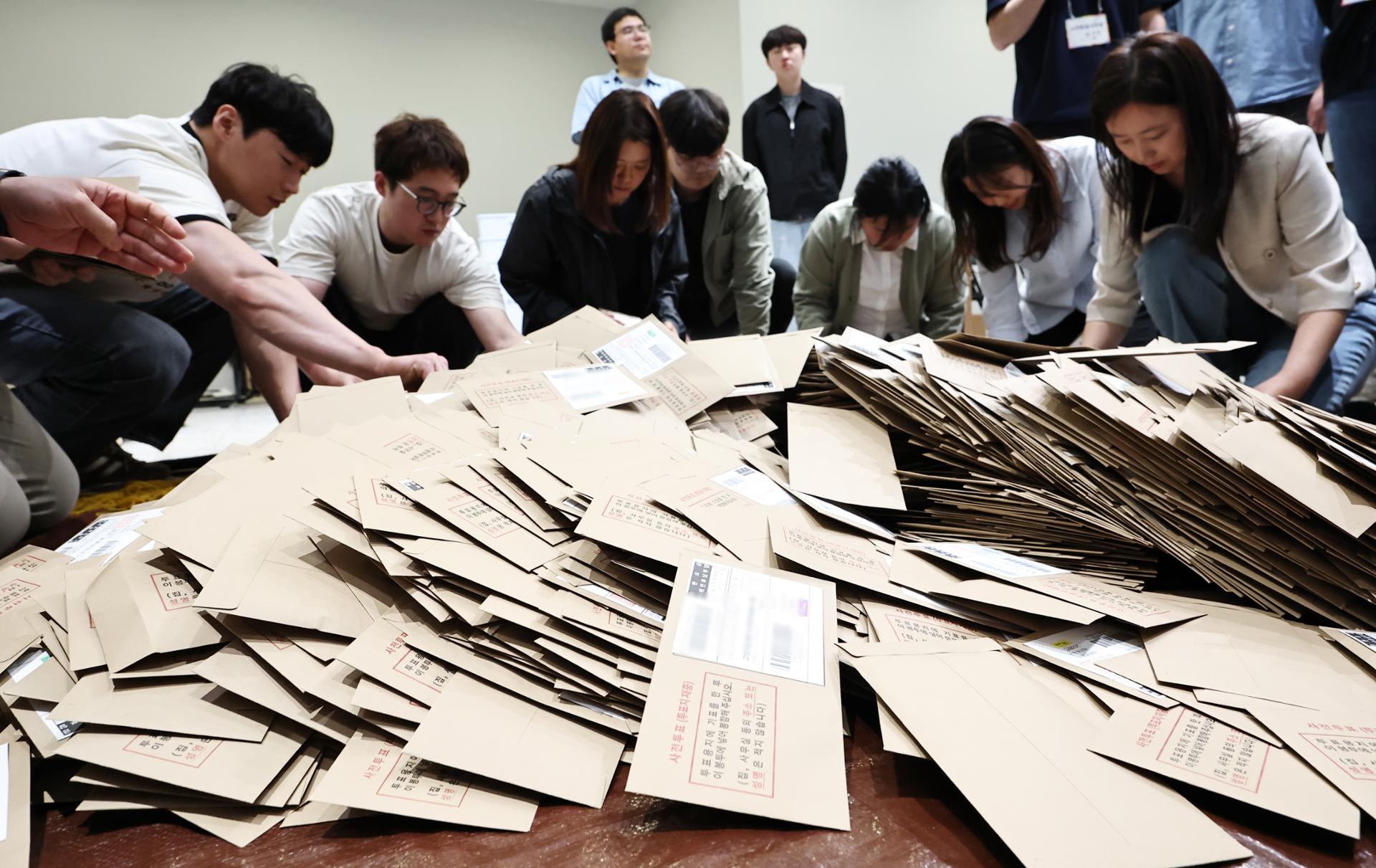
National Election Commission staffers handle marked ballots at a polling station set up in Incheon International Airport, Saturday. Yonhap
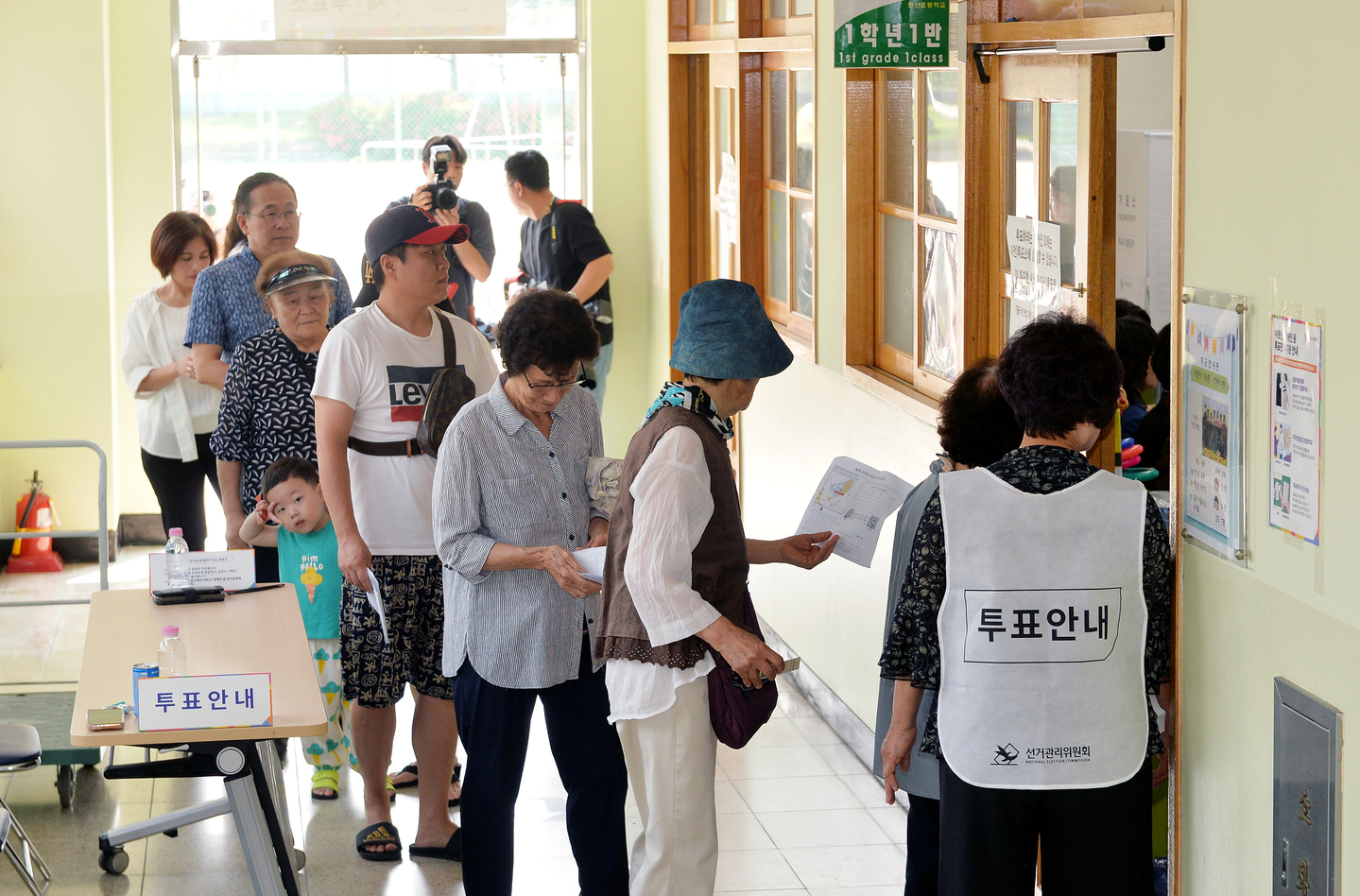
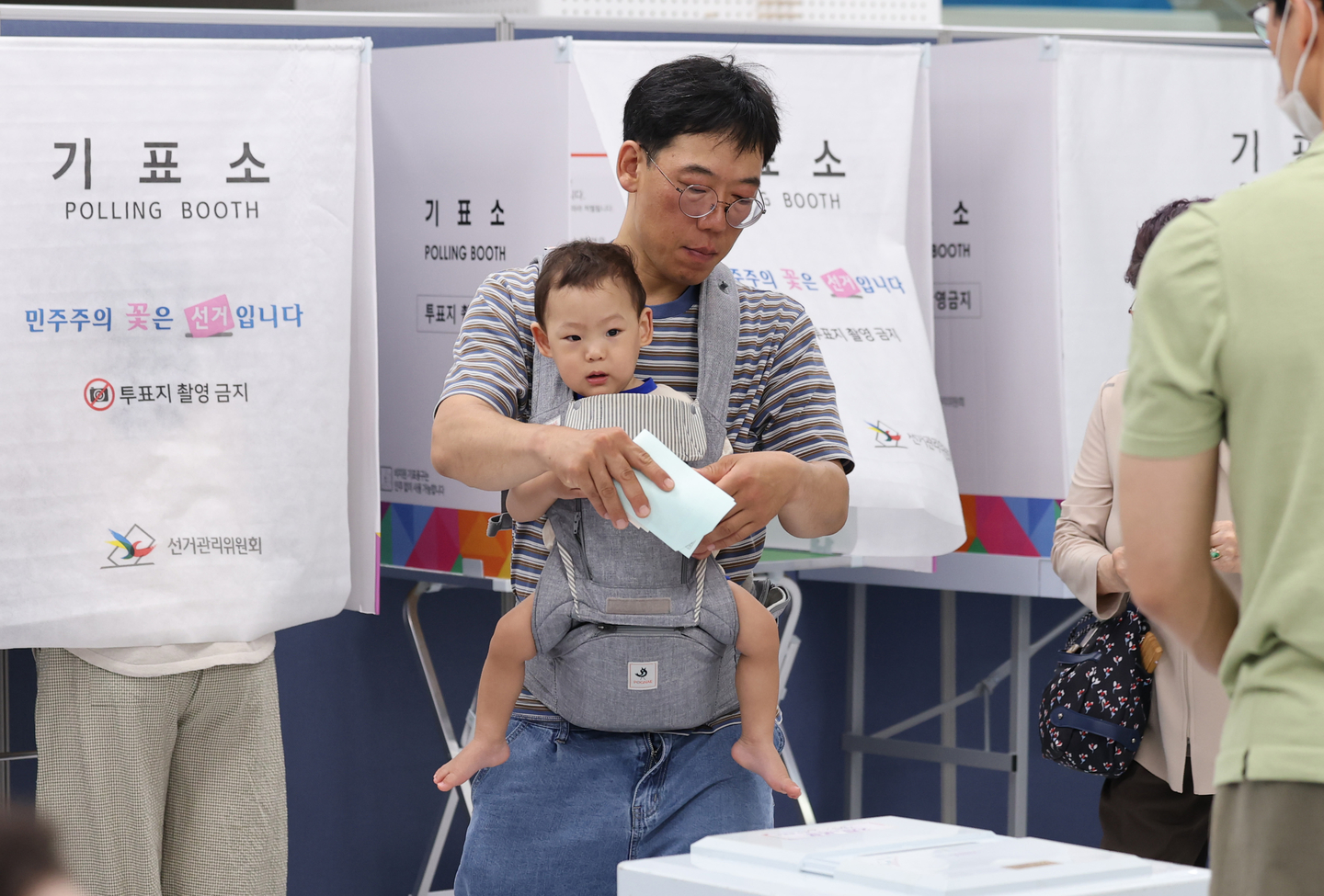
The high turnout rate for the June 3 elections is good news for Korean politics. According to the National Election Commission, 23.51 percent of eligible voters cast their ballots during early voting held Friday and Saturday. The figure is the highest since early voting was introduced in 2014.
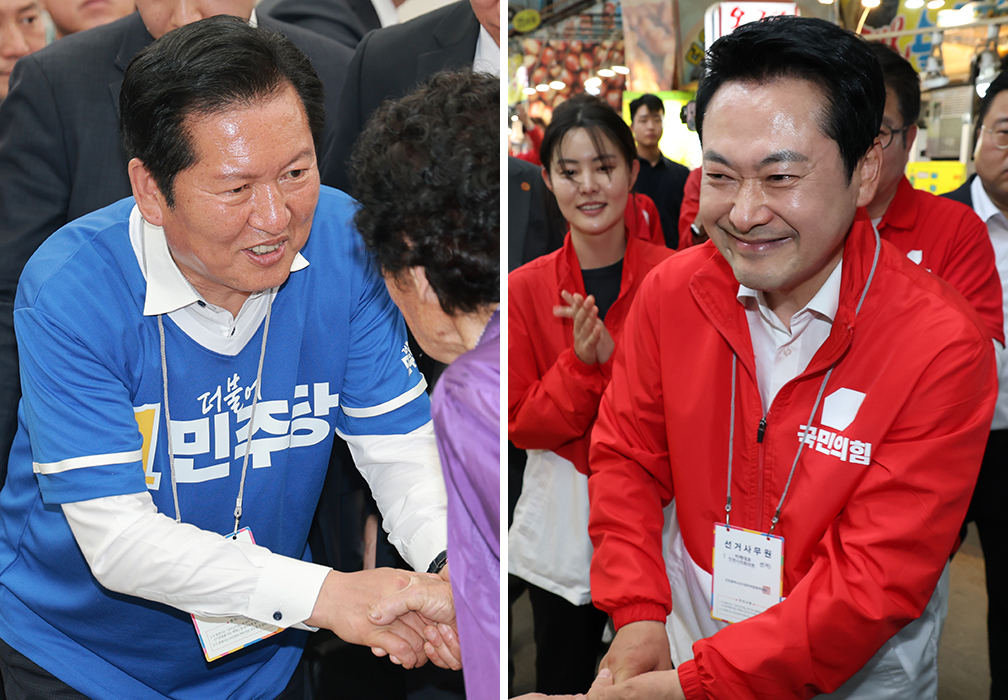
In a democracy, voting is the most effective and powerful way for people to make their voices heard in the policymaking process. Choosing the right candidates is the first step toward making democracy work.
Despite this positive development, early voting has once again revealed a southeast-southwest divide in Korean politics. People in the southwest, particularly in the Jeolla provinces, turned out in greater numbers to support their preferred candidates. South Jeolla Province recorded the nation’s highest early voting rate at 38.95 percent, followed by North Jeolla Province (35.05 percent) and Gwangju Metropolitan City (27.83 percent). In contrast, many voters in the southeastern region stayed away from the polls. The southeastern city of Daegu, a conservative stronghold, recorded the nation’s lowest early voting rate at 18.65 percent, nearly 5 percentage points below the national average. The turnout rate in Busan was 21.29 percent, also lower than the average.