Get the latest news and updates from Dawn
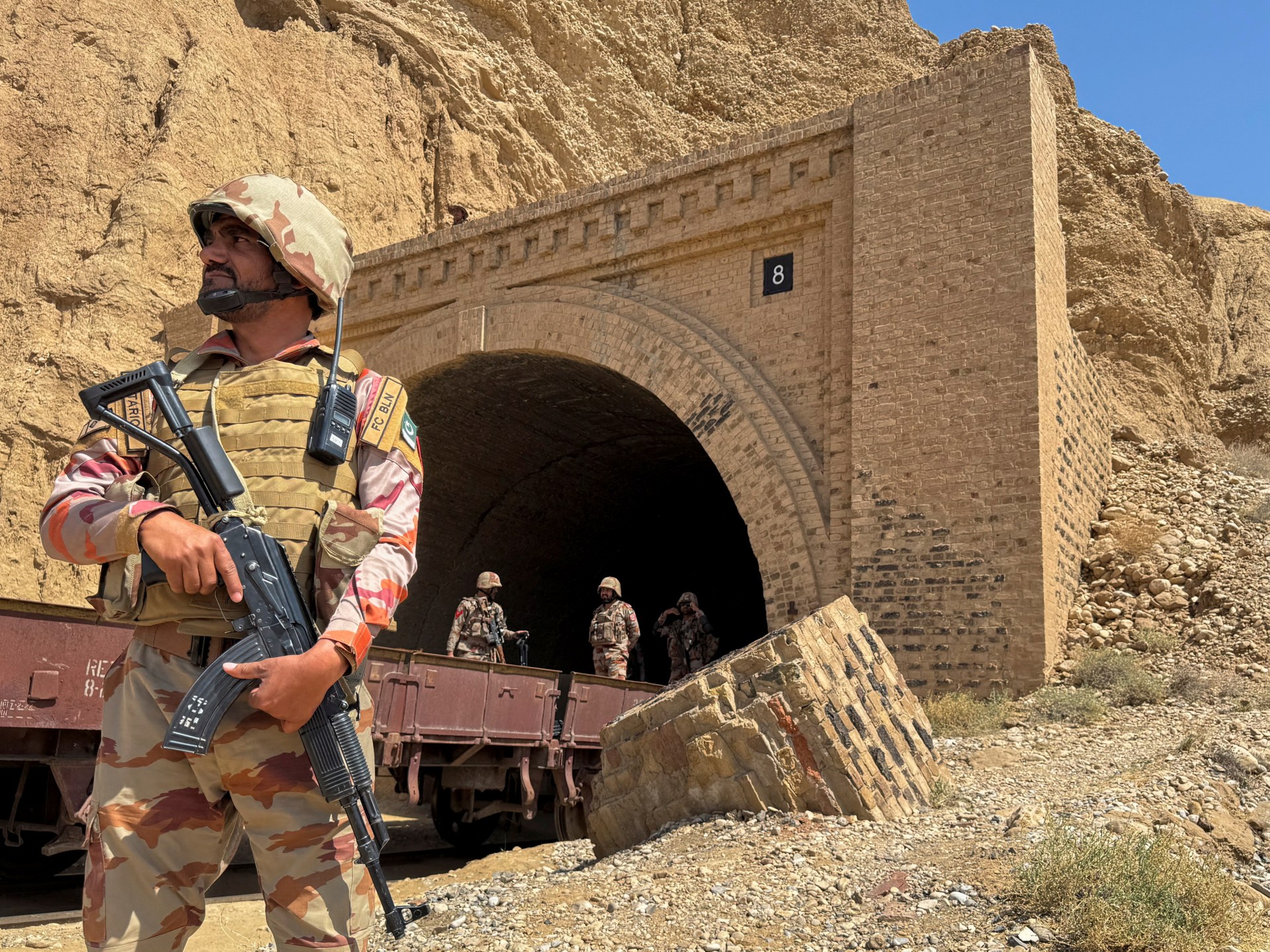
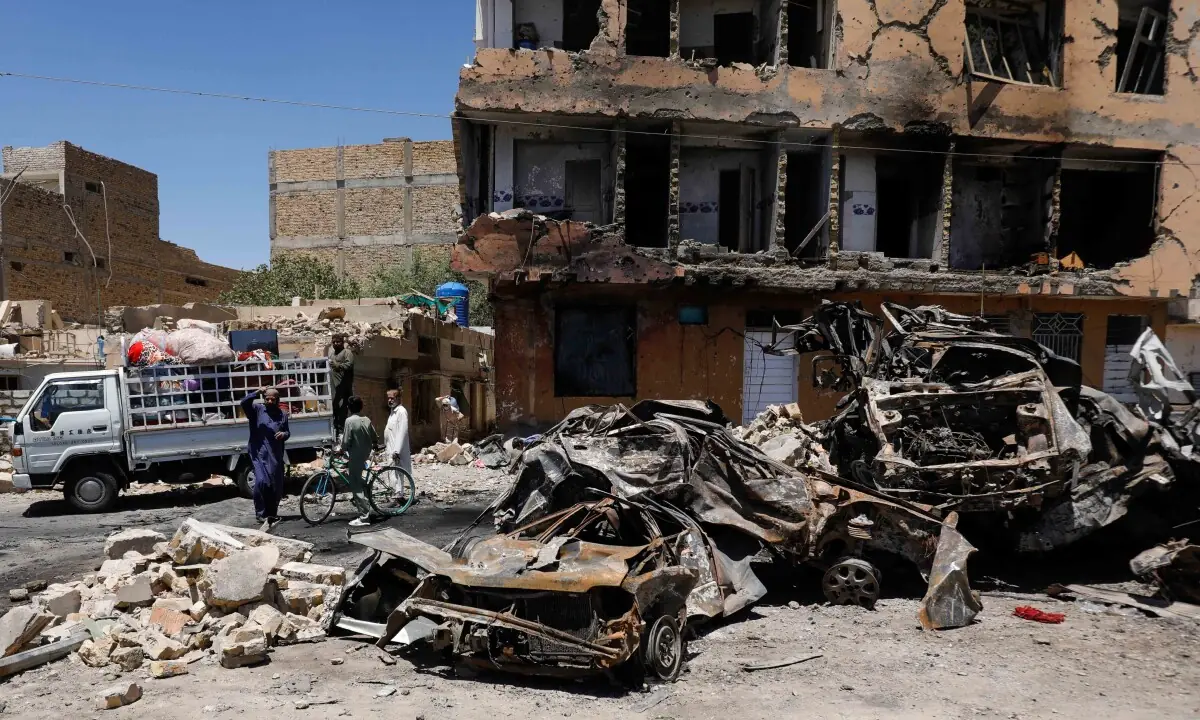
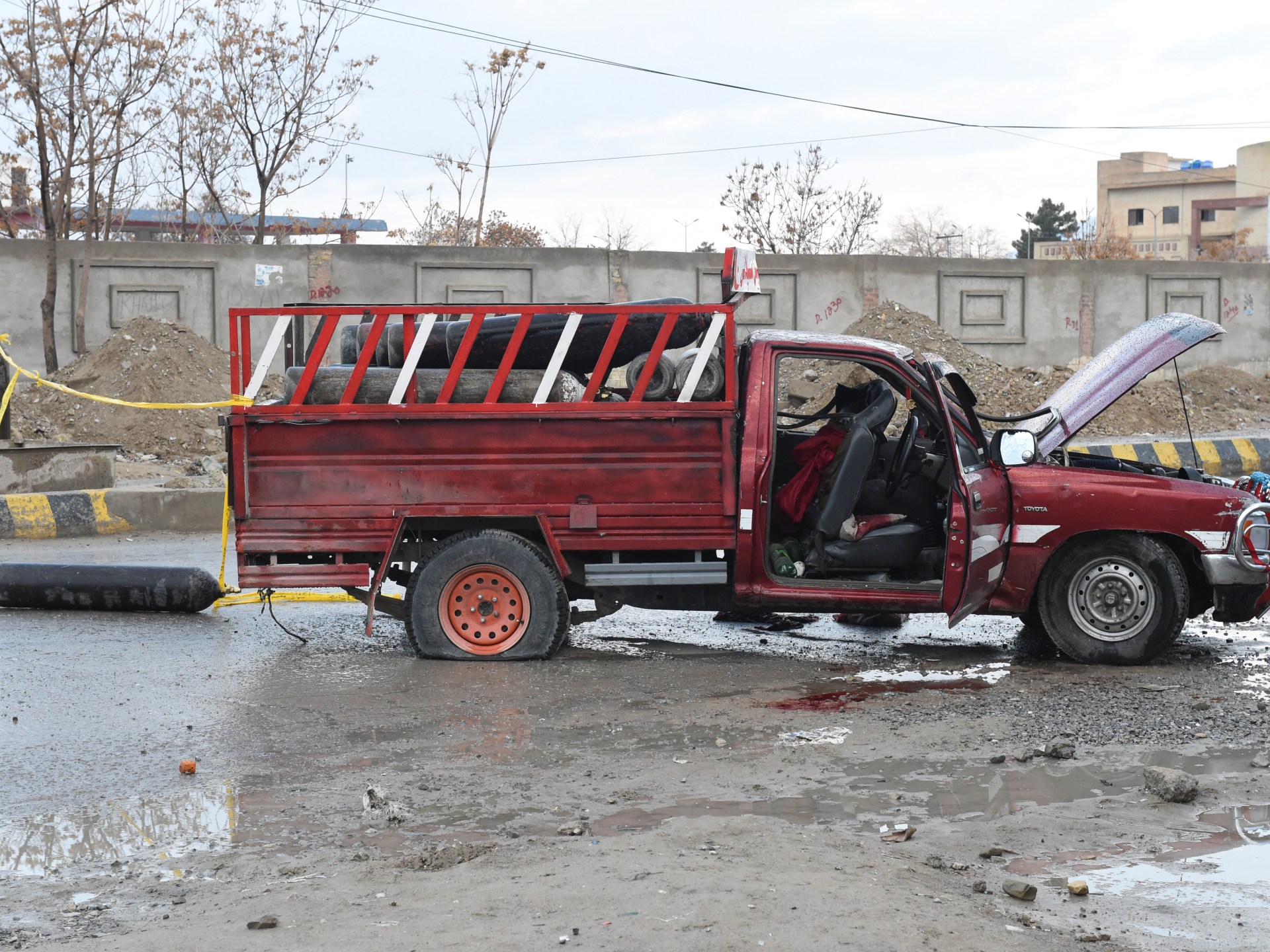
THE insurgency in Balochistan has posed a different set of problems for the state, which is still struggling to fully understand its dynamics. Perhaps the biggest challenge is defining the unrest in the province and identifying the factors that are contributing to it.
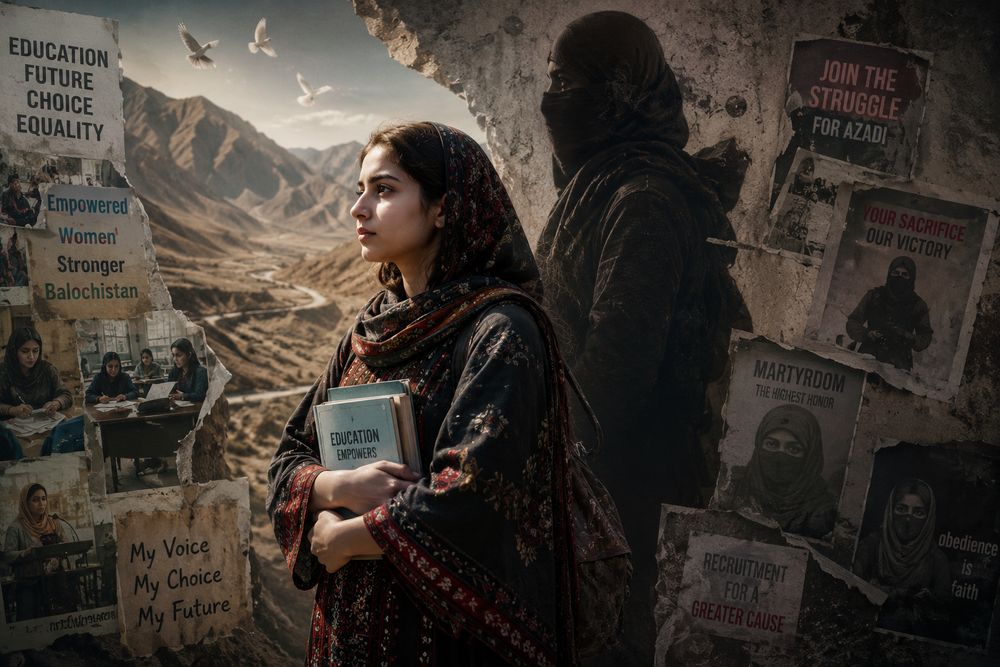
Even as it tries to understand the insurgency, the state has become fixated on the youth, particularly the educated ones, whom it sees as leading the unrest. It sees them as the core of the problem, which it seeks to address through narrative campaigns and a few incentives. In its search for quick fixes, it expects rapid results; when these don’t materialise, it stigmatises the very youth it seeks to influence.
A recent statement attributed to Balochistan Chief Minister Mir Sarfraz Bugti that Baloch youth pursuing PhDs at the state’s expense were conducting misleading research and supporting militancy reflected a hasty attitude. The statement drew sharp criticism from Balochistan’s political and civil society leadership and was perceived as an attempt by the state to silence critical voices that question poor governance, highlight flaws in the system, and expose the cost of electoral manipulation to political stability.