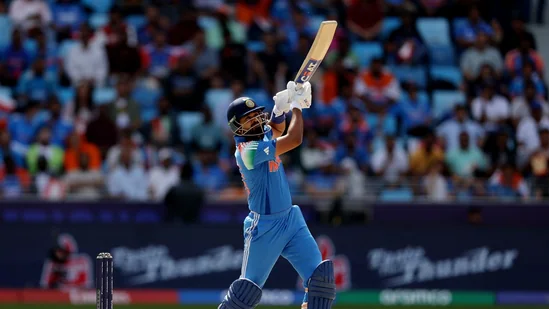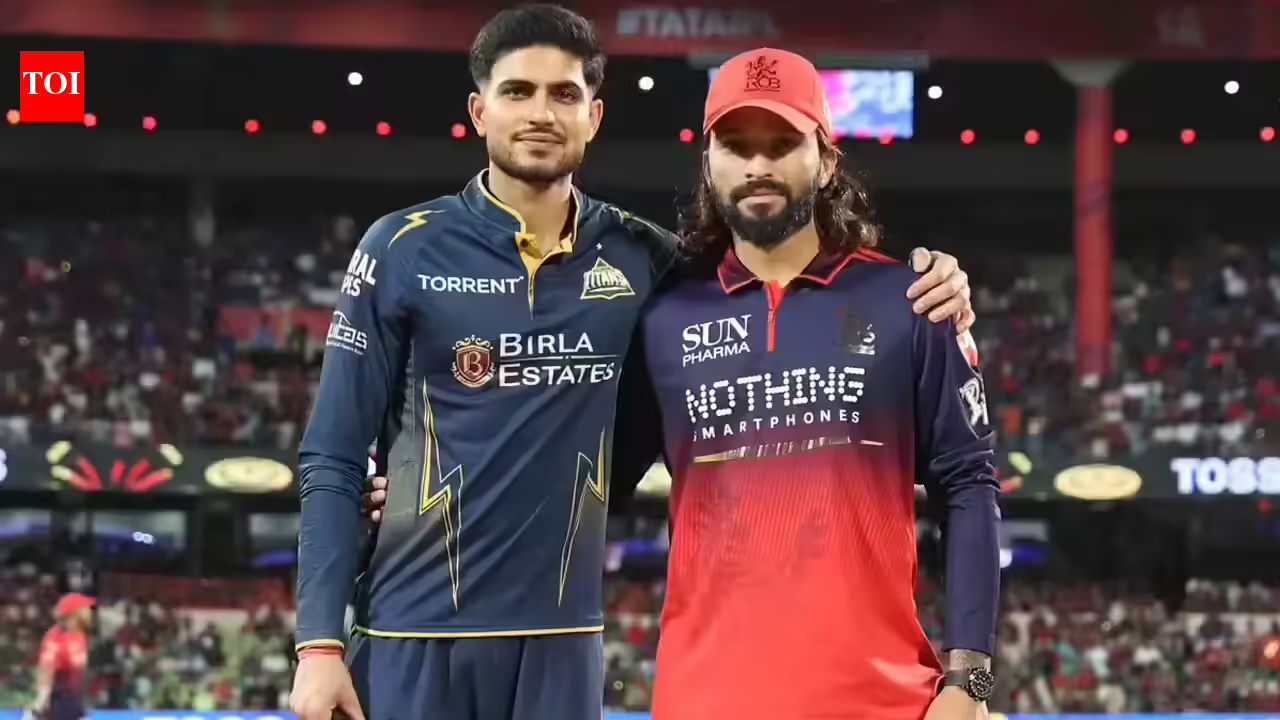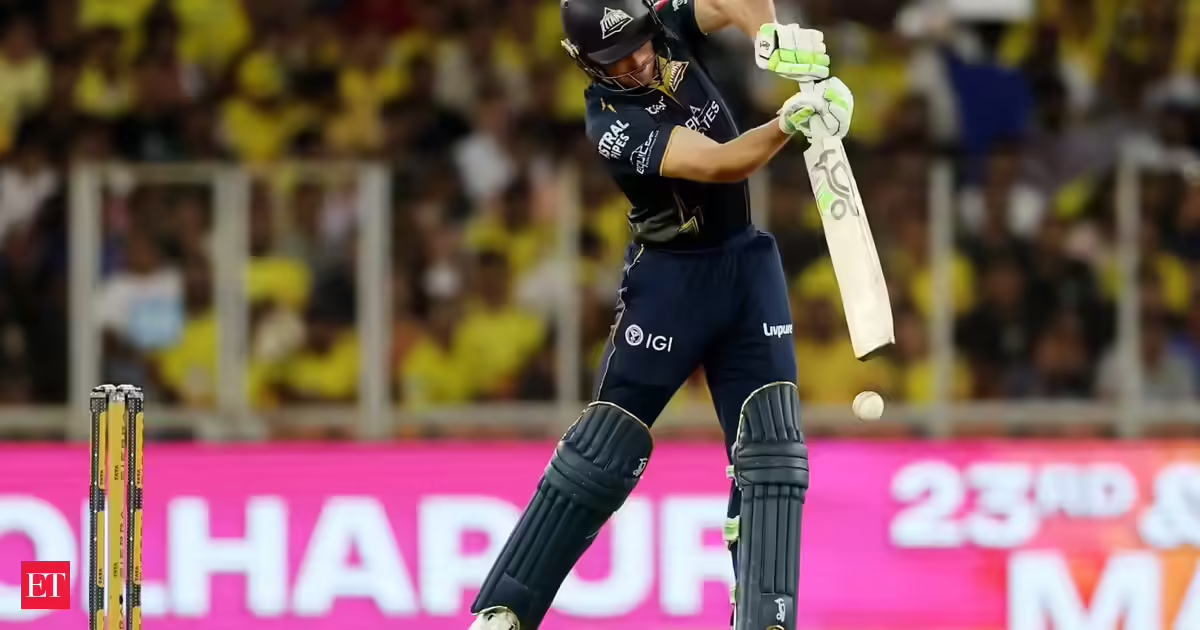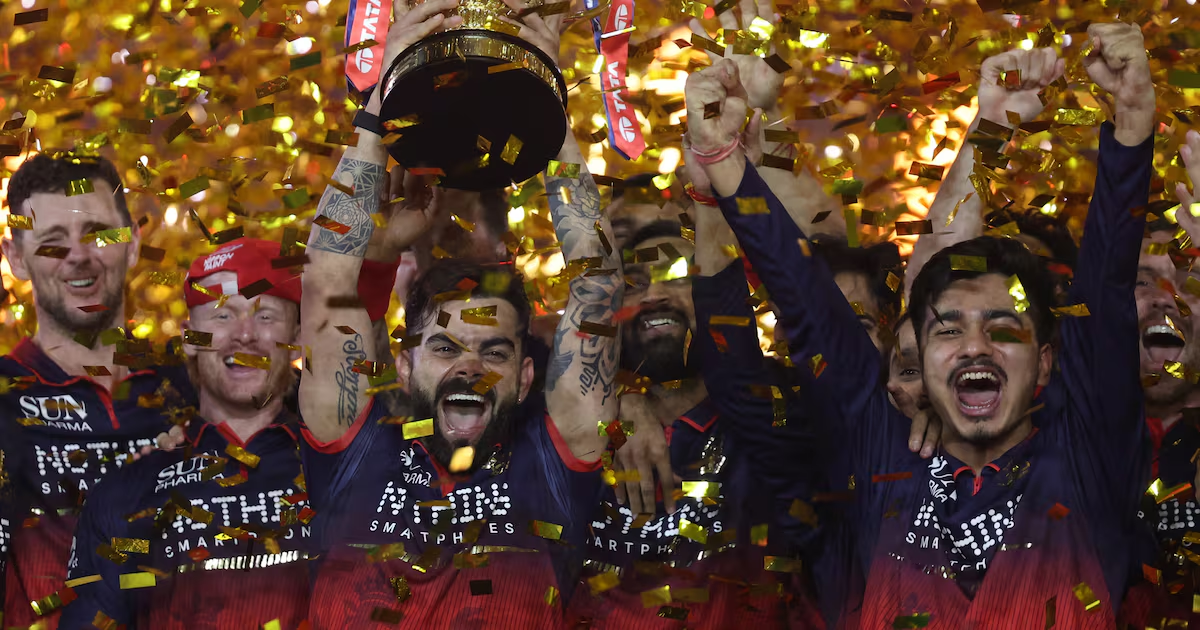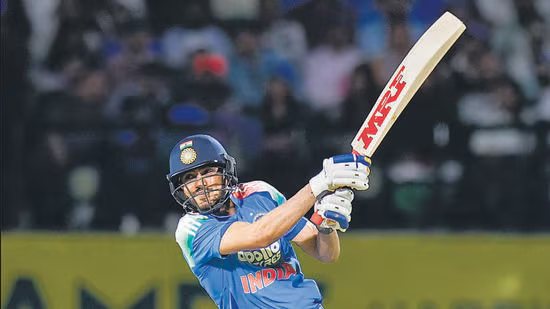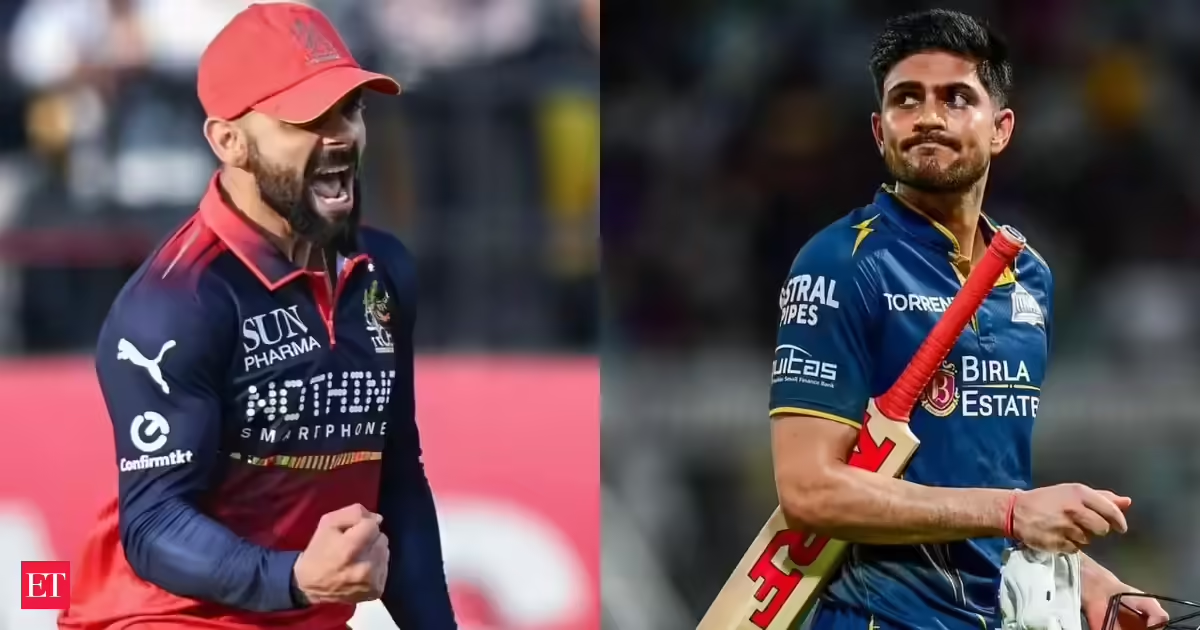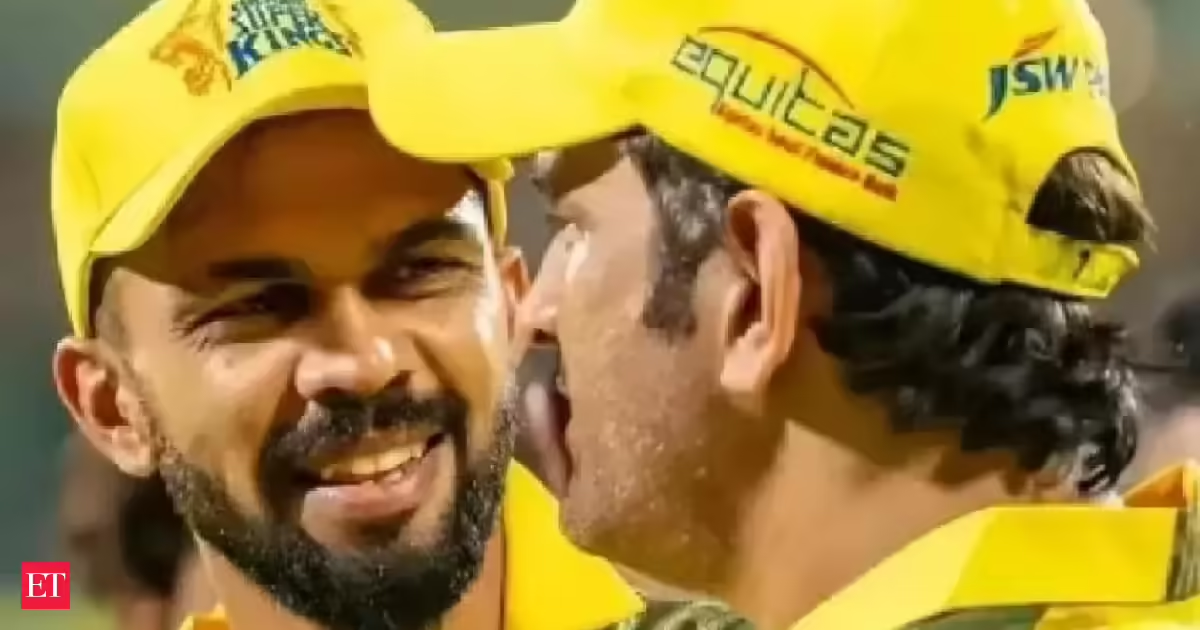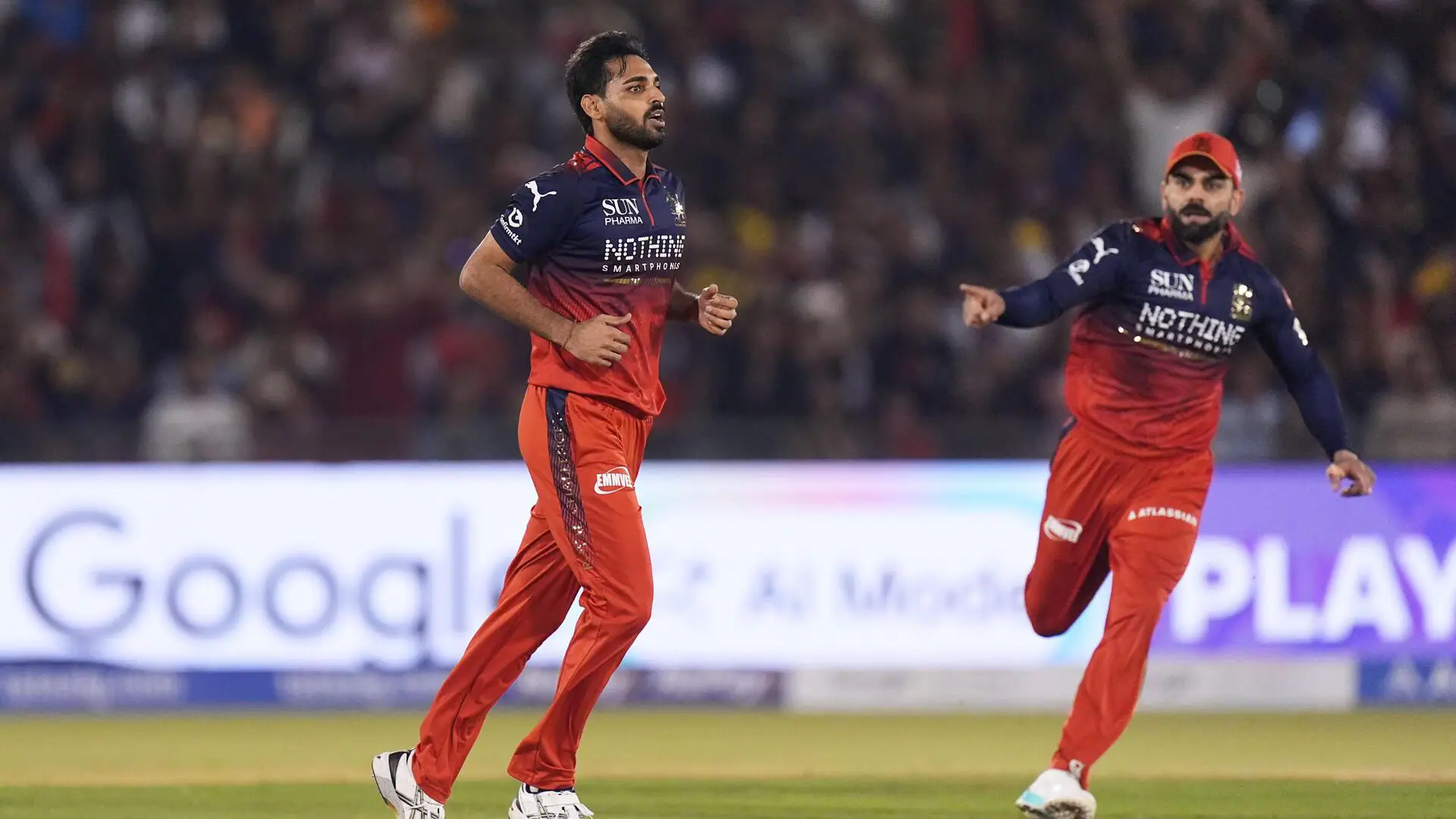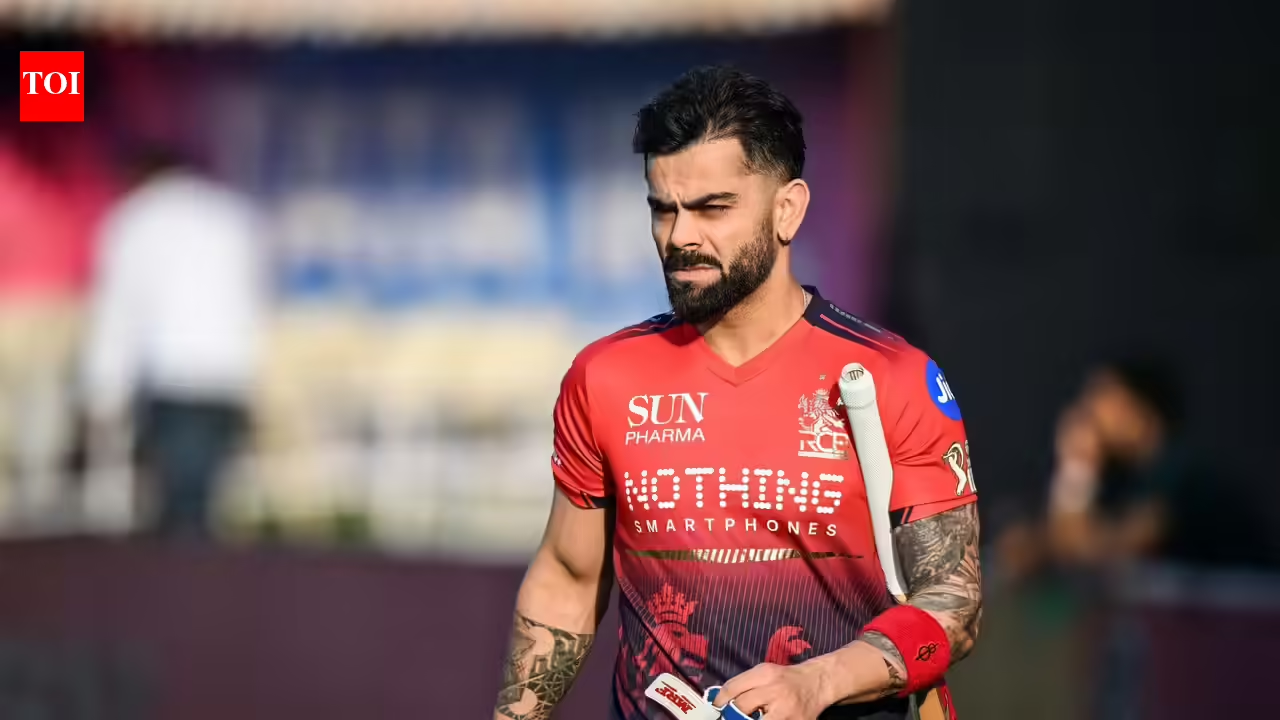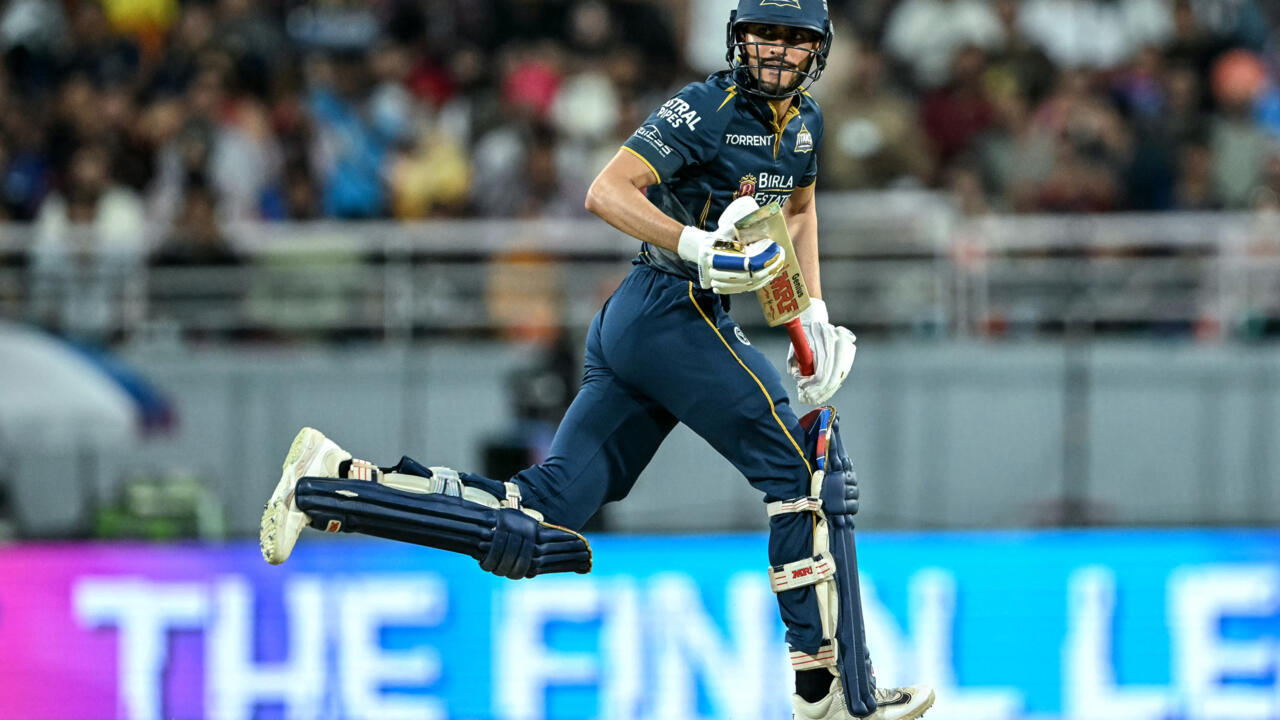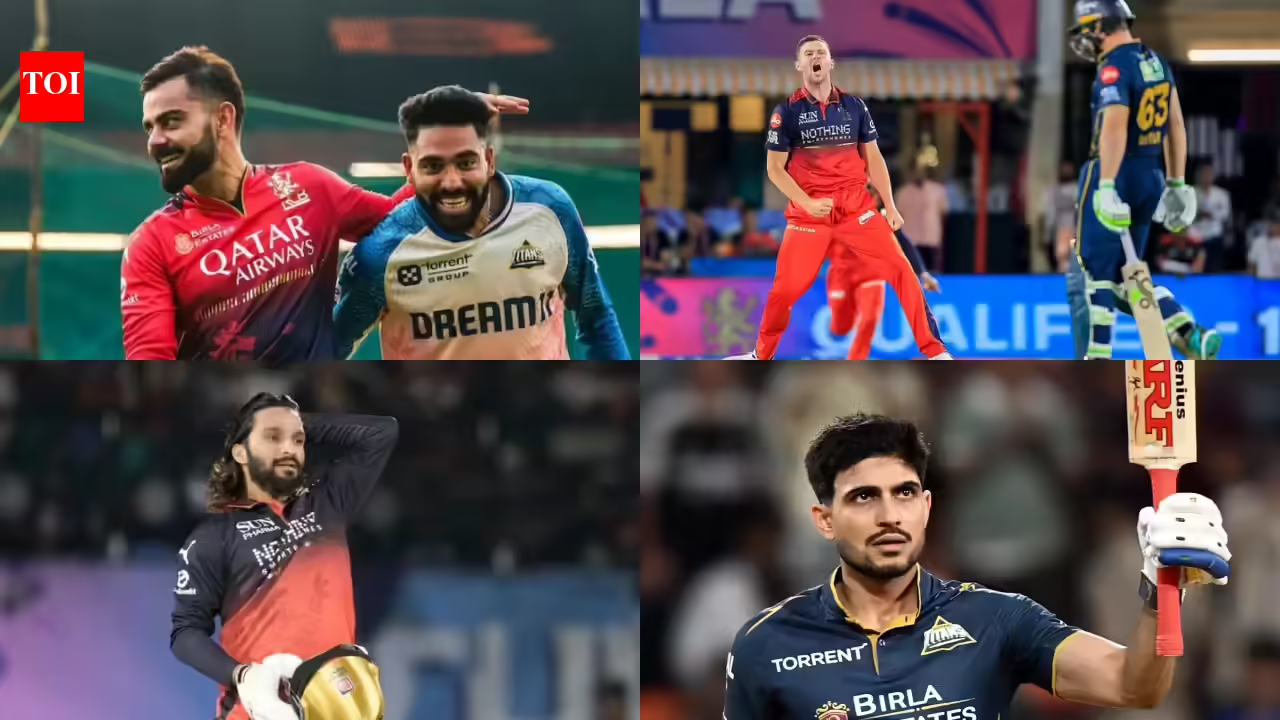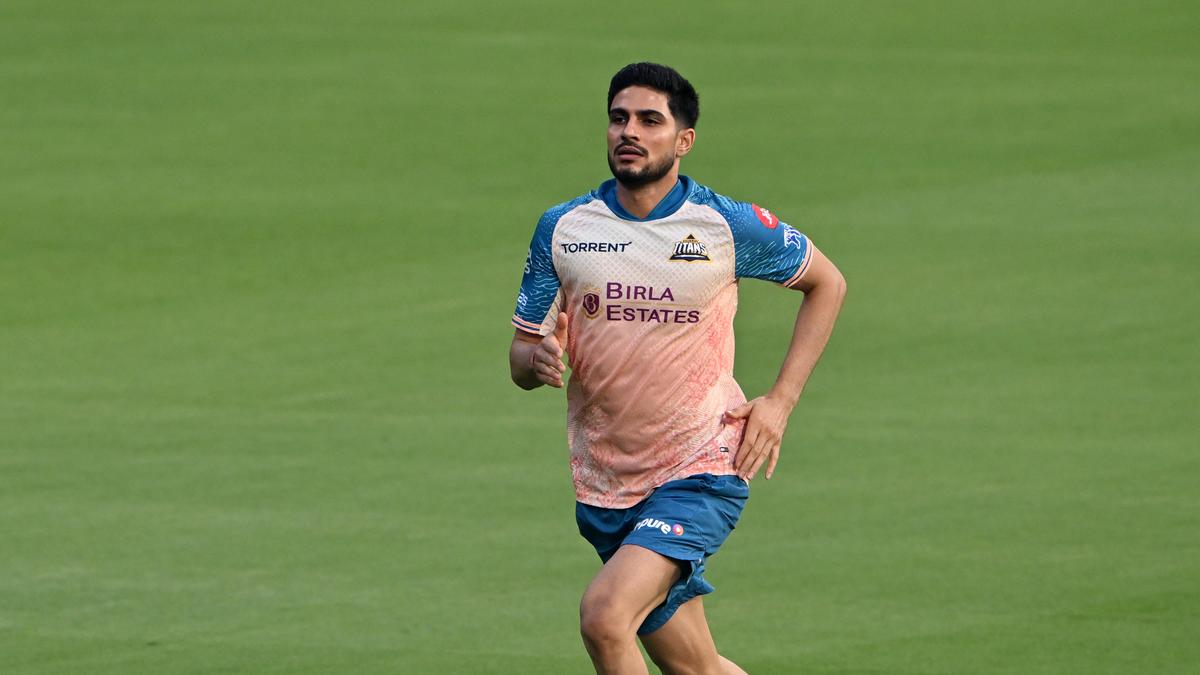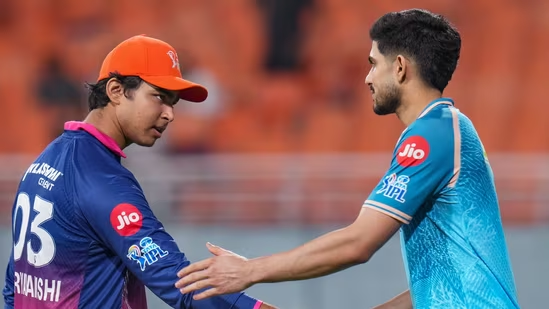
In modern cricket, memory has become brutally short. The confetti from India's T20 World Cup triumph had scarcely settled before the IPL arrived with its own theatre of reinvention. Now, with the IPL 2026 season down to its final two teams – Royal Challengers Bengaluru and Gujarat Titans – a striking conclusion has emerged.Gujarat Titans' captain Shubman Gill being greeted by Rajasthan Royals' Vaibhav Sooryavanshi during the presentation ceremony after GT won Indian Premier League (IPL) 2026 Qualifier 2 T20 cricket match, in New Chandigarh, Friday, May 29, 2026. (PTI Photo/Karma Bhutia) (PTI)If India were selecting its T20 World Cup squad today, after the IPL rather than before it, several players who won India the World Cup might not automatically make the side.That is not criticism. It reflects something far more consequential: India's astonishing depth in T20 cricket. This is not a eulogy for the old guard. It is a statistical recognition of a terrifying new reality: India no longer has one T20 team. It genuinely has two.The most important story of IPL 2026 is not merely who performed well, but how many of the World Cup heroes didn't.Vaibhav Suryavanshi has evolved from curiosity into phenomenon. His final tally for Rajasthan Royals stands at 776 runs at a strike rate exceeding 200. In Qualifier 2 alone, he smashed 96 off 47 balls. Bowlers are not trying to dismiss him anymore; they are trying to survive him. Sai Sudharsan has produced the most technically refined batting exhibition by an Indian this IPL, anchoring Gujarat's chase in the same match with a fluent 58 off 32 balls.Shubman Gill, controversially dropped for the World Cup, has responded with a captain's masterclass, amassing over 600 runs, including a breathtaking 104 off 53 balls in Qualifier 2 to single-handedly power GT into the final. Rajat Patidar of RCB has proven that high-impact batting is no longer a rarity but an expectation. Add Angkrish Raghuvanshi, Nitish Kumar Reddy, and Riyan Parag, and a pattern becomes unmistakable: India is producing parallel first-choice players.The bowling tells the same story. Ravi Bishnoi has looked every bit a premier T20 spinner – attacking, fearless, and difficult to line up. Prasidh Krishna has rediscovered rhythm and penetration. Mohammed Siraj has produced one of his smartest IPL seasons, striking early in practically every match, including Qualifier 2 where he removed Yashasvi Jaiswal for just 1.This is where the discussion becomes uncomfortable. Several players from India's victorious World Cup XI would face genuine competition today – even elimination. This is notwithstanding that the team lost only one match en route to the final.Sanju Samson, who looked untouchable during the World Cup, has had a comparatively subdued IPL. Suryakumar Yadav, still perhaps the most gifted T20 batter India possesses, has endured a lean patch. Hardik Pandya's impact has remained intermittent. Jasprit Bumrah, arguably the finest T20 fast bowler of his generation, has experienced phases where wickets and control did not arrive with their usual inevitability.The rest of that World Cup-winning XI tells a similar story. Abhishek Sharma and Tilak Varma have seen younger, more explosive players leapfrog them. Ishan Kishan has struggled for consistency and strike-rate impact in a tournament where both are non-negotiable. Shivam Dube and Axar Patel have contributed without truly controlling games the way the new breed of finishers have. Varun Chakravarthy remains clever, but Bishnoi and even uncapped spinners have bowled with greater attacking intent. And while Arshdeep Singh continues to bowl his yorkers with skill, his position is far less automatic than it once seemed.None of this diminishes their greatness. Elite athletes are not machines. Peaks and troughs are intrinsic to sport. The defining characteristic of world-class players may precisely be their ability to peak at the right moment – which India's senior players unquestionably did during the World Cup.But the larger reality remains impossible to ignore: India's talent pipeline has become so deep that even temporary dips in form create statistically credible alternatives.Qualifier 2 on May 29 crystallised this entire argument. On one side stood Suryavanshi, the 15-year-old phenomenon redefining what is possible. On the other stood Gill, the deposed World Cup opener, delivering a captain's century to remind everyone of his class. Both are Indian. Both are world-class. And neither played in the XI that won the World Cup final.This is India's embarrassment of riches. No other nation possesses this level of redundancy. Australia has elite systems. England has white-ball specialists. South Africa and New Zealand maximise talent. But only India has an ecosystem where international quality replacements emerge almost monthly, stress-tested under the commercial pressure and tactical sophistication of the IPL.This changes selection philosophy entirely. In earlier eras, selectors prioritised continuity because alternatives were limited. Today, performance windows are shorter, competition is relentless, and incumbency has become conditional.The rest of the world should be afraid. India's production line no longer depends on one generation. India's greatest T20 strength is not merely its first XI. It is the terrifying quality of the players waiting outside it – Suryavanshi, Sudharsan, Patidar, and Gill – who are ready to prove that incumbency is not a right, but a weekly audition.And when the final is played on May 31 between RCB and GT, regardless of the result, Indian T20 cricket will have already won.(The views expressed are personal)This article is authored by Aman Kumar Singh, head, Chairman’s Office, Adani Group and Shishir Priyadarshi, president, Chintan Research Foundation, New Delhi.
India’s greatest T20 strength isn’t the first XI, it's the talent of the second XI
This article is authored by Aman Kumar Singh, head, Chairman’s Office, Adani Group and Shishir Priyadarshi, president, Chintan Research Foundation, New Delhi.
899 words~4 min read