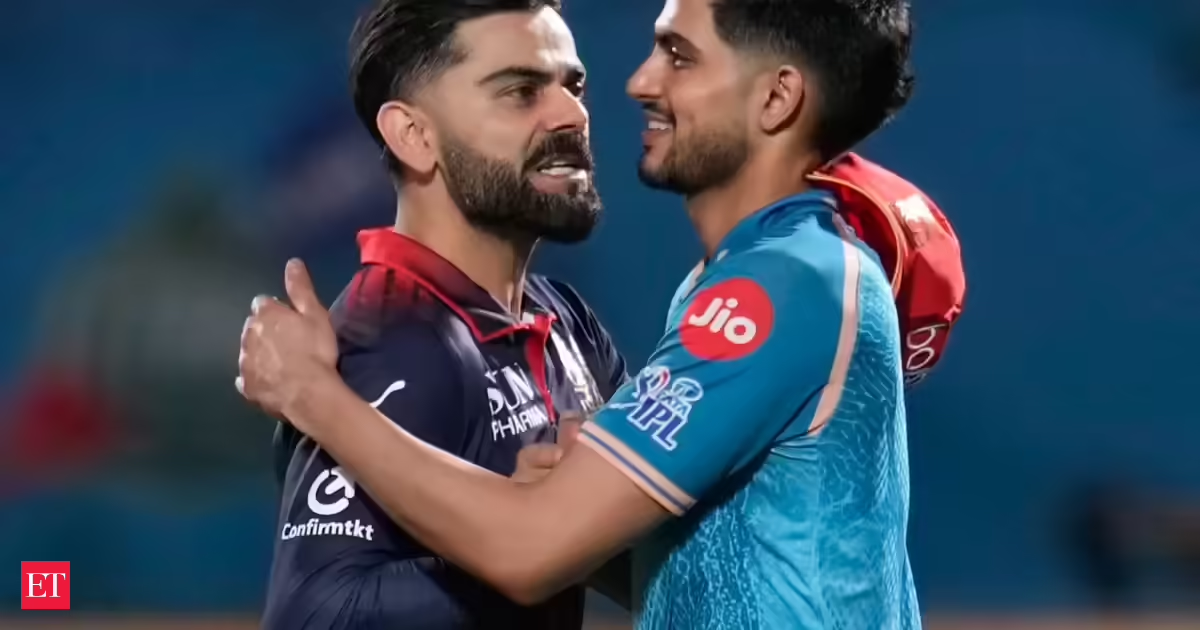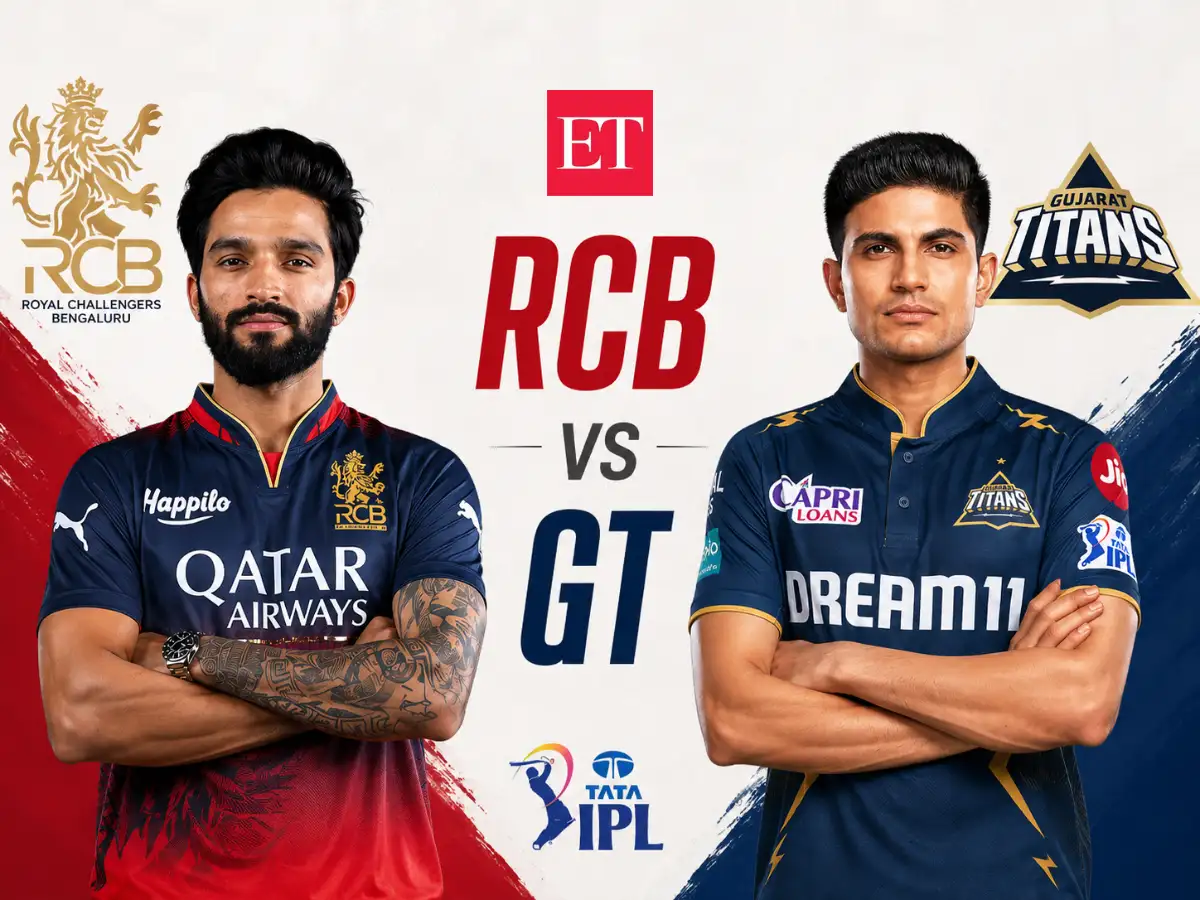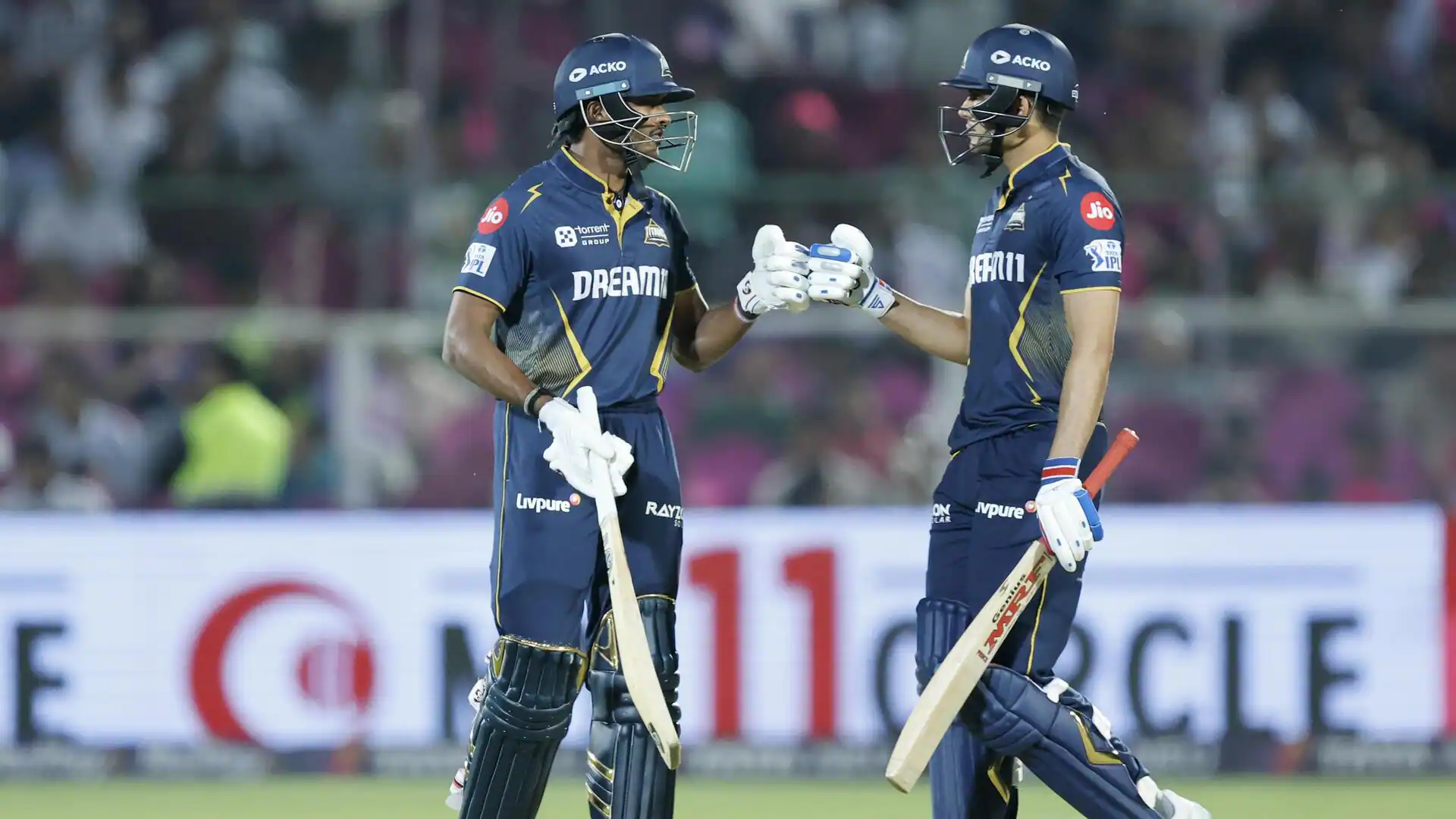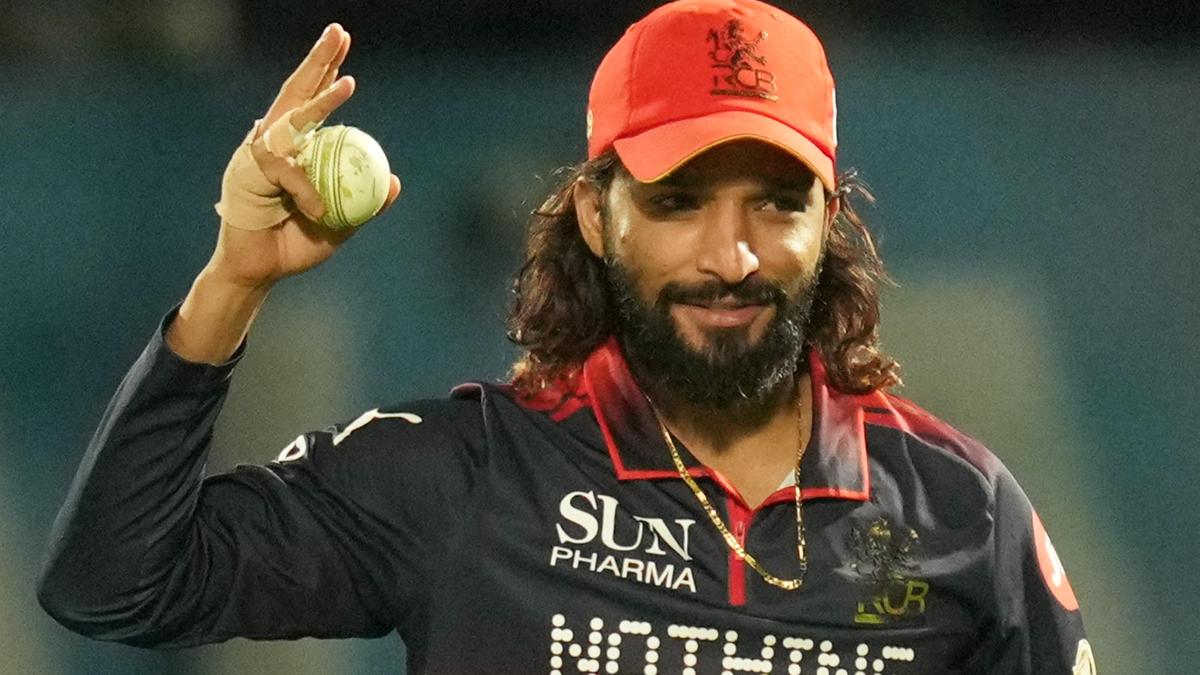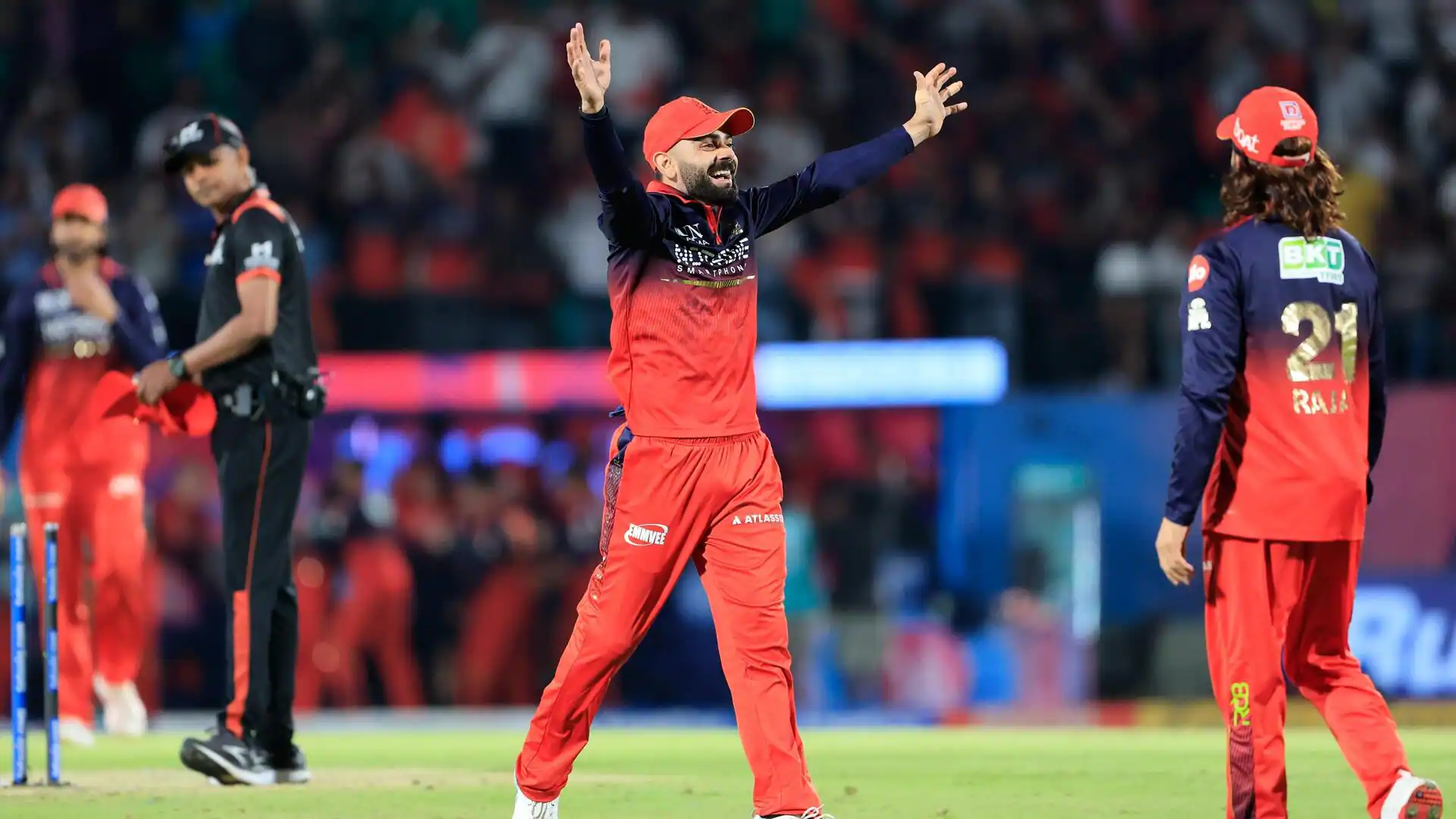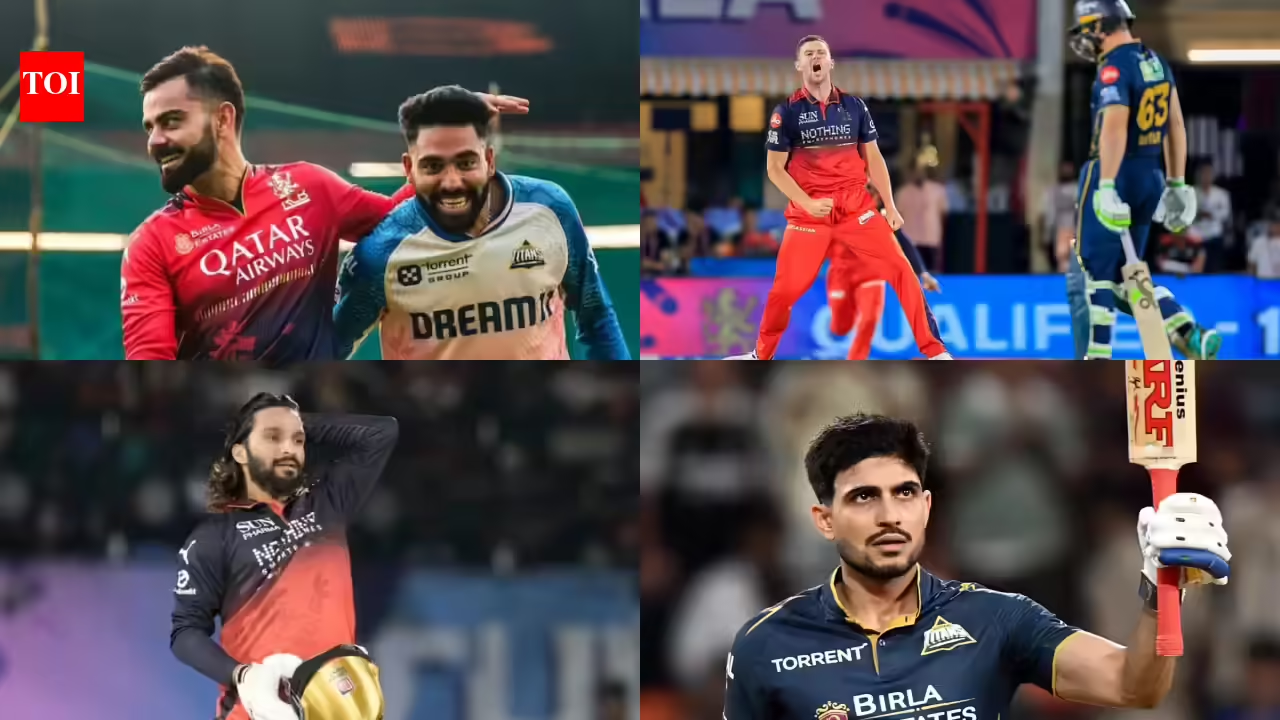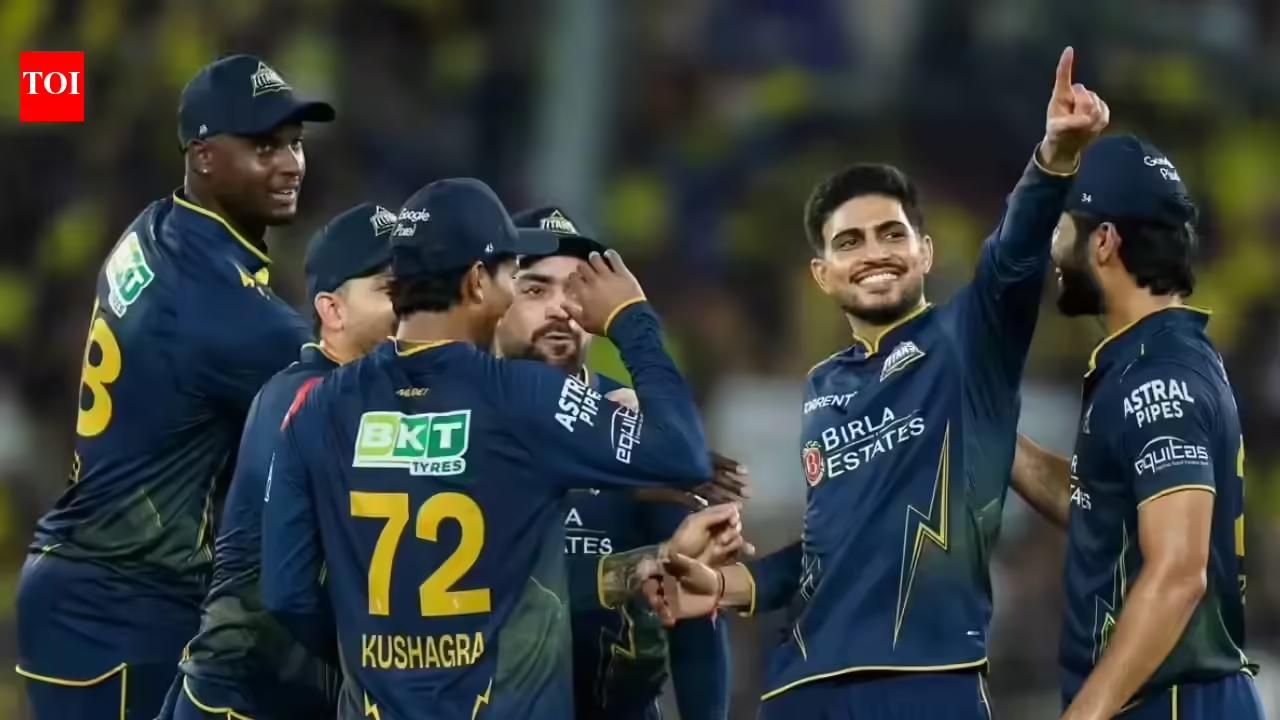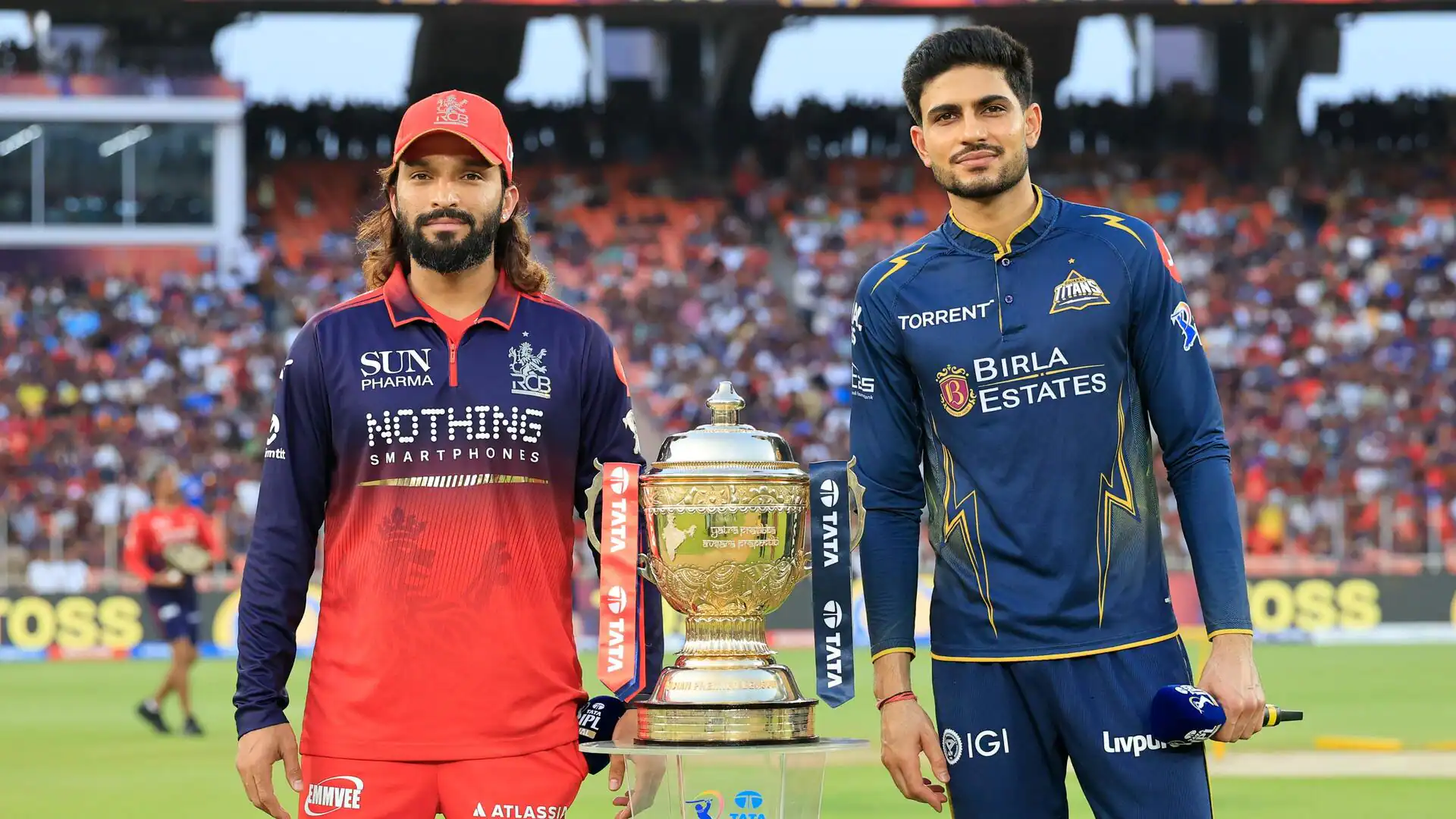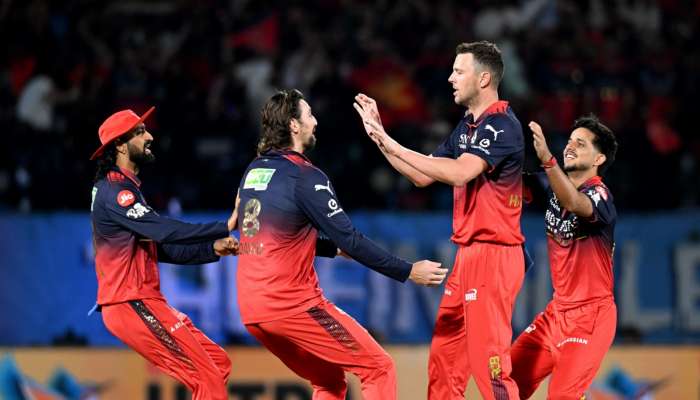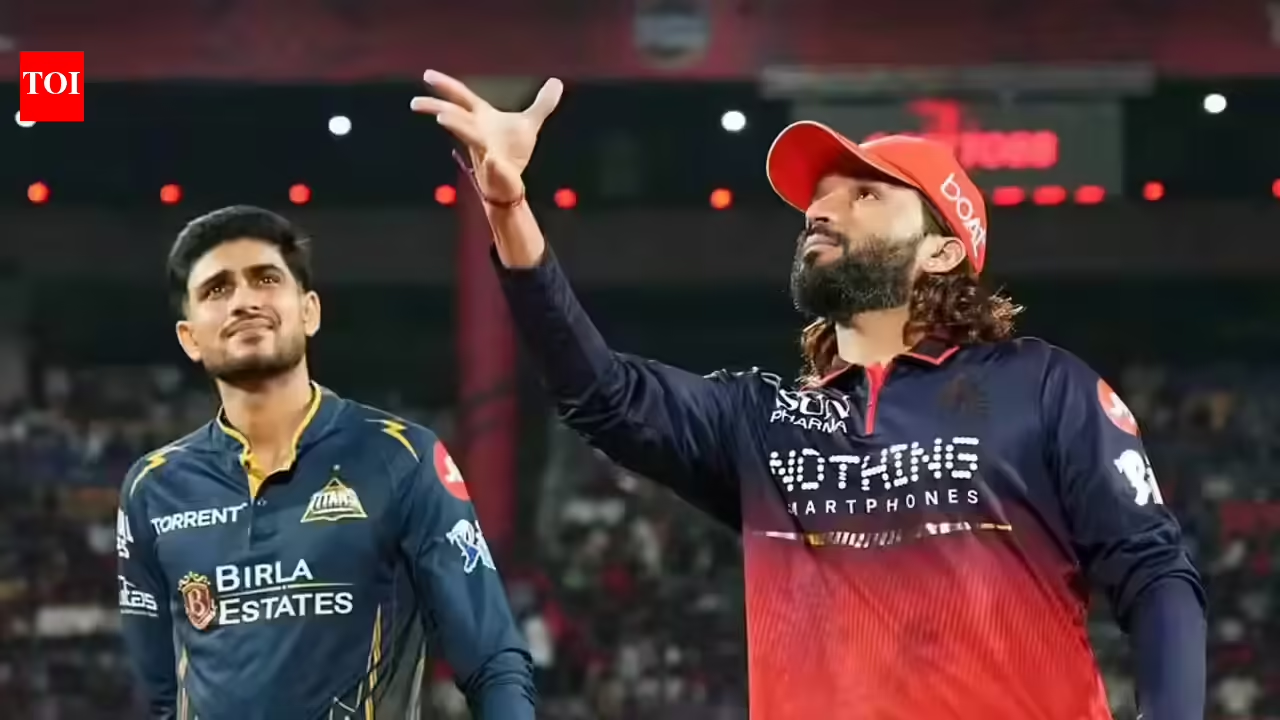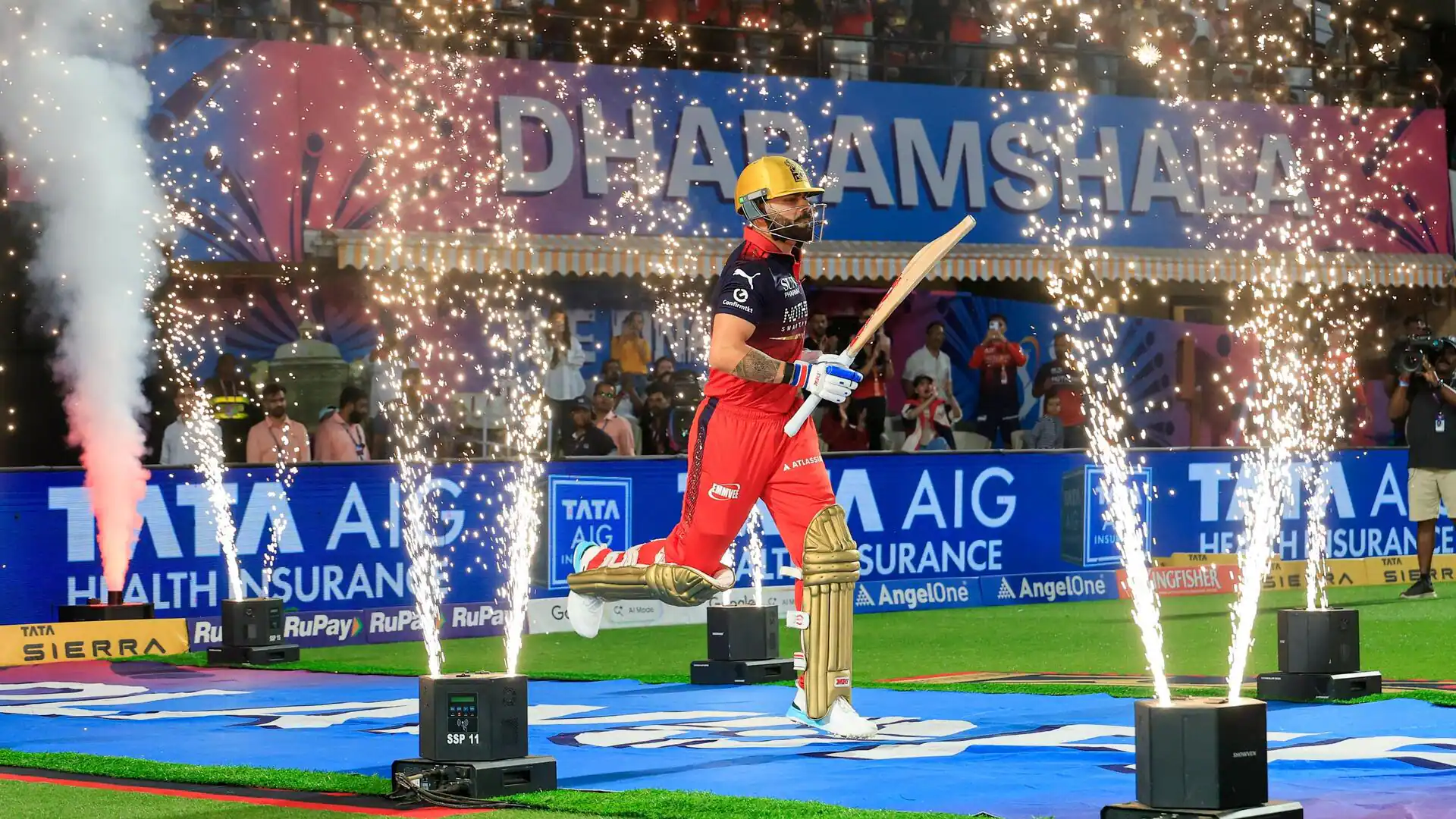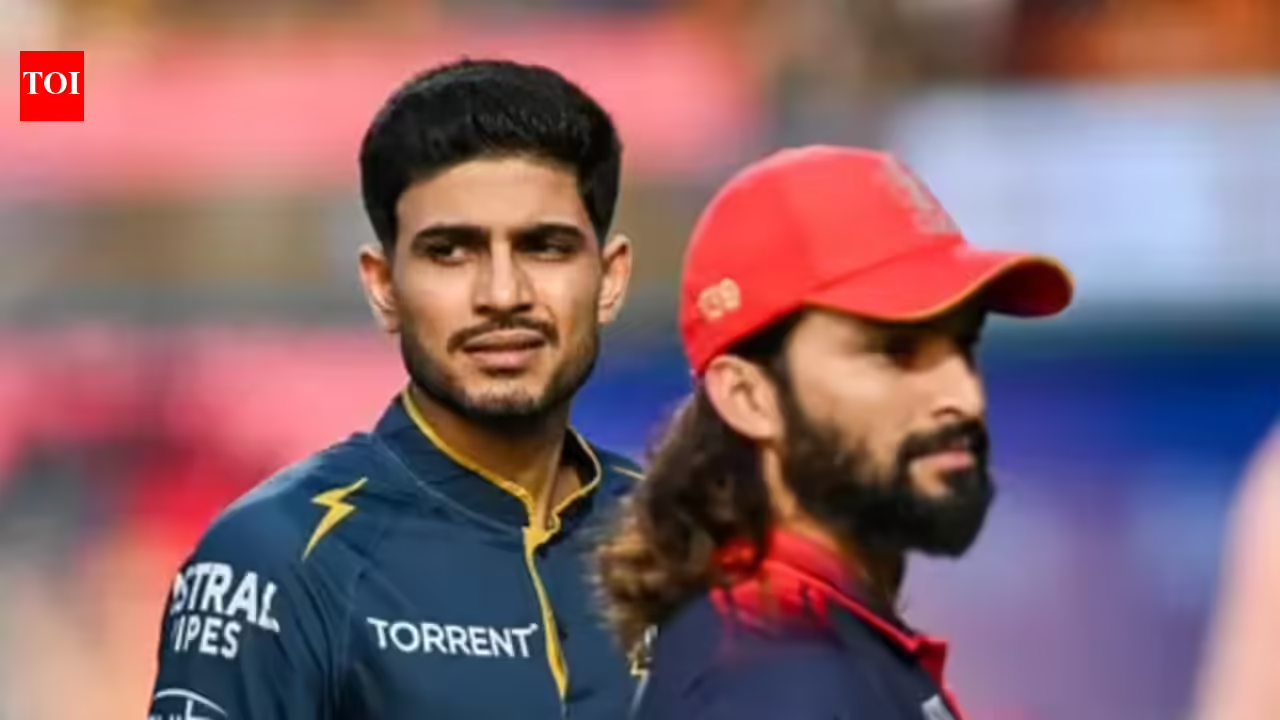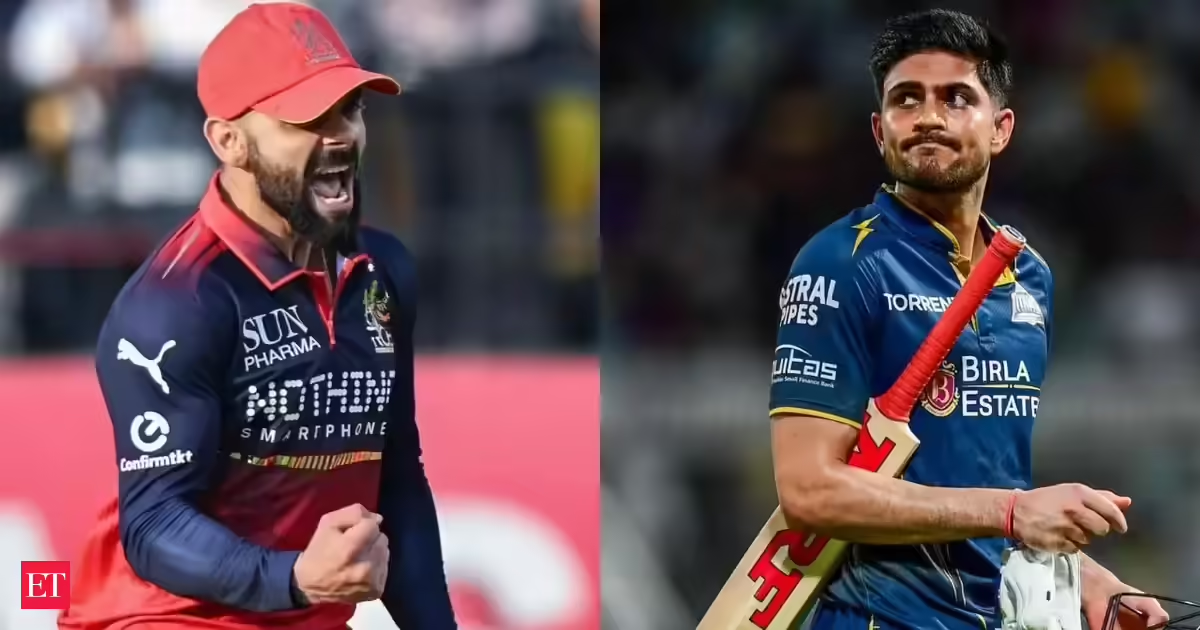
The coin flew into the air, spinning rapidly for what felt like an eternity for two captains who wanted to bat in a match that was their doorway to the final. It landed a head, but Prakash Bhatt, the match referee, hadn’t heard Riyan Parag’s call. They went again, even as Subman Gill cursed his luck, and lost a toss that he thought he had won the first time. The bat scythed a hard arc, flashing at the ball, which seemed to come through a fraction of a second late. The contact was not clean, and the ball went high rather than far, allowing an anxious fielder to settle under the catch. Vaibhav Sooryavanshi on 97 (against Sunrisers) and 96 (against Gujarat) had been denied a century that the entire cricket world was praying for. The grip slipped off a sweaty glove, loosening after the stroke had been executed cleanly, the ball dispatched to the boundary in some style. All the control of the shots that went before, upon which a season of consistency was built, betrayed Sai Sudarshan for a nanosecond. Twice: once bat bouncing and gripping on the pitch to hit the stumps, once bat landing on the top of the stumps like an axe coming down. Events with the longest odds have happened in twos, tickling numerologists, confounding experts and delighting audiences as the 2026 edition of the Indian Premier League reaches that moment when there are only two teams left standing. The Royal Challengers Bangalore, led by Rajat Patidar, powered by Virat Kohli, laid down the marker. It was as though they had come into this season exactly where they left off when they won their maiden title the year before. The franchise with the largest and most loyal following now had a team that they could be proud of on the field. The change in RCB’s fortunes involves little chance. The revamp of the backroom, beginning with the appointment of Mo Bobat as the man the cricketing buck stopped with, the ushering in of Andy Flower, the most successful behind-the-scenes coach around in the game, and the act of giving these two a free hand in building their team put them streets ahead of the competition. RCB always had the players, now they had a system they could believe in. The Gujarat Titans, it had been said, was a team that refused to modernise quickly enough, that their approach to the game had meant that the rapid changes sweeping the shortest format had left them behindWhile teams fell over themselves for explosive X-factor batsmen, the fearless kind that swung freely for the fences eve- ry ball, GT went old school. Gill, surplus to requirements in the Indian T20 team — a World Cup was won without him — and Sai Sudarshan, who had battled to make it to national colours and then fluffed his chances just often enough to be dropped, formed an opening par tnership that looked like a recipe for a team being stuck in second gear. And yet, through the tournament, they scored, together, at a bright strike rate, with the most orthodox and aesthetic of cricket shots. The Gujarat team had eight bowling options at times, and RCB had batsmen who barely got a hit. Gill was hungry to show that he was not someone elevated to India’s T20 captaincy on a prayer. Patidar was out to prove that he was not an anachronism at a time when left-hand rapierwielders hogged all the headlines. When Gill reached his century in the qualifier and took off his helmet to acknowledge the crowd’s appreciation, there was relief in his eyes, but so much more. There was satisfaction of continuing to fight the good fight, there was the hurt of rejection, the regret of not being part of a major home World Cup win, and yet, there was poise, dignity and care: the hallmarks of leadership. Patidar has the chance, on Sunday, to join Mahendra Singh Dhoni (2010-2011) and Rohit Sharma (2019-2020) as the third captain to win back-to-back IPL titles. Dhoni is India’s best whiteball captain by some distance. Rohit is a legend whose man-management helped establish a new direction for Indian cricket. Patidar isn’t close to national selection, and yet his name might ring out with players he admired from a distance as a child. One team must win, and another lose, and there will be shredded nerves on both sides along the way. The ride has been a long one, but it has been time and energy well spent for all who walked besides, because whoever finishes on top will be champions worthy of support.
GT vs RCB in IPL 2026 Final: Two teams, two T20 philosophies, one championship
Royal Challengers Bangalore, powered by a revamped backroom and strong leadership, have reached the IPL final for the second consecutive year. They face the Gujarat Titans, a team that defied expectations with its orthodox approach and strong opening partnership. Both teams have overcome challenges to reach this decisive match.
774 words~4 min read