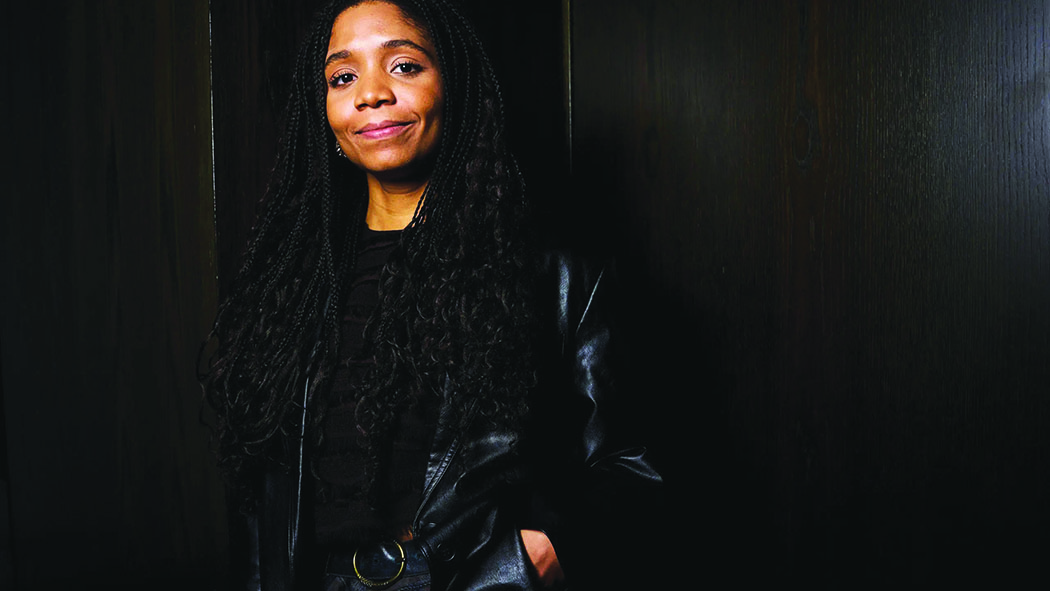
Fresh from its Sundance triumph, Olive Nwosu’s Lady arrived at the Berlinale with mounting anticipation and left as one of the festival’s most electrifying portraits of survival, sisterhood, and contemporary Lagos. Yinka Olatunbosun writes
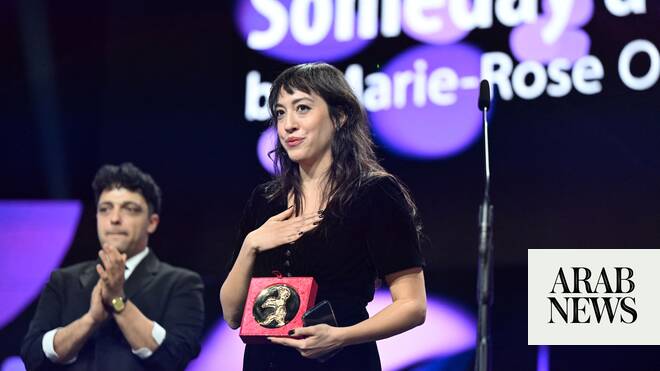
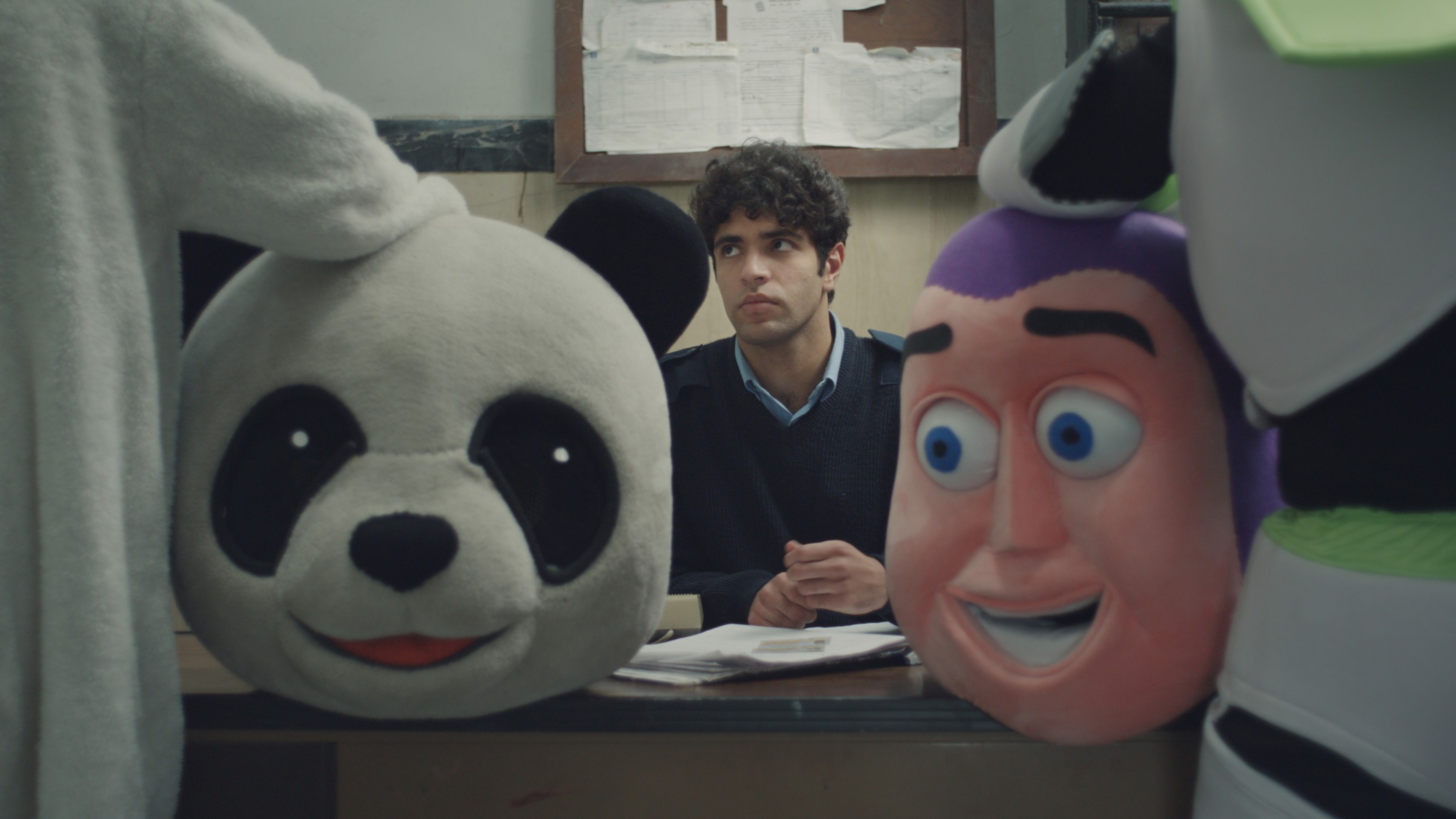
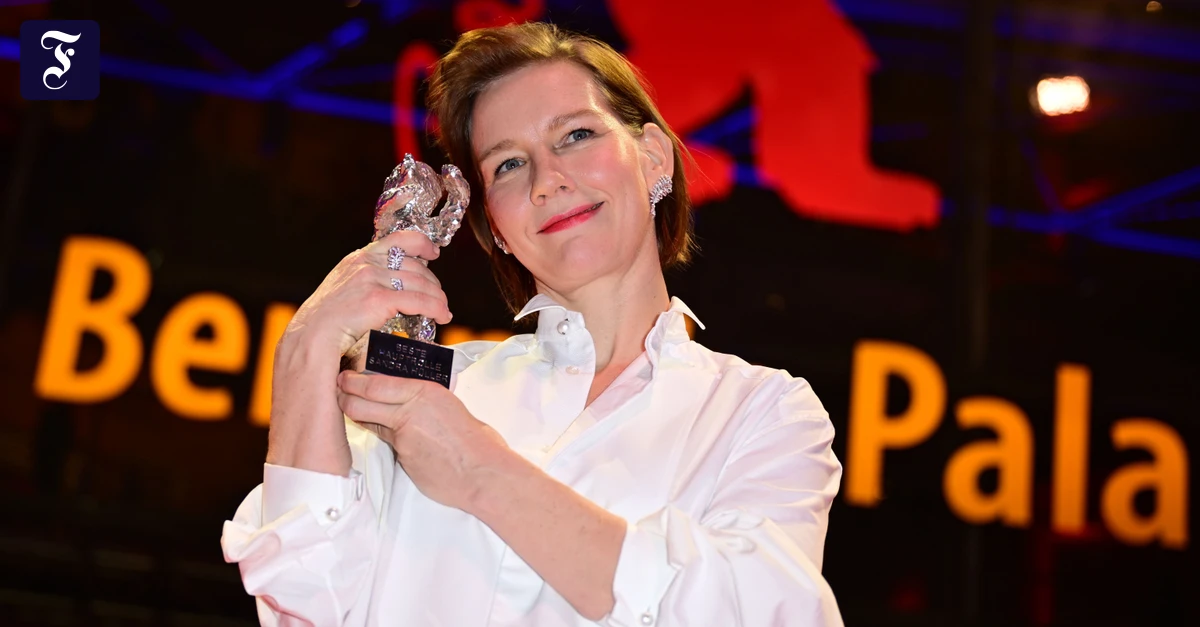
The lights dimmed inside Berlin’s iconic Zoo Palast theatre during the 76th Berlin International Film Festival, and almost instantly the audience was swept into the restless, neon-lit current of Lagos nightlife. Fresh from Sundance, where it received the World Cinema Dramatic Special Jury Award for Acting Ensemble, Lady arrived in the Berlinale Panorama section buoyed by the kind of acclaim that can inflate expectations before a film even begins. Yet British-Nigerian director Olive Nwosu’s feature moved with the confidence of a work unconcerned with hype. It did not merely screen in Berlin — it electrified the room.
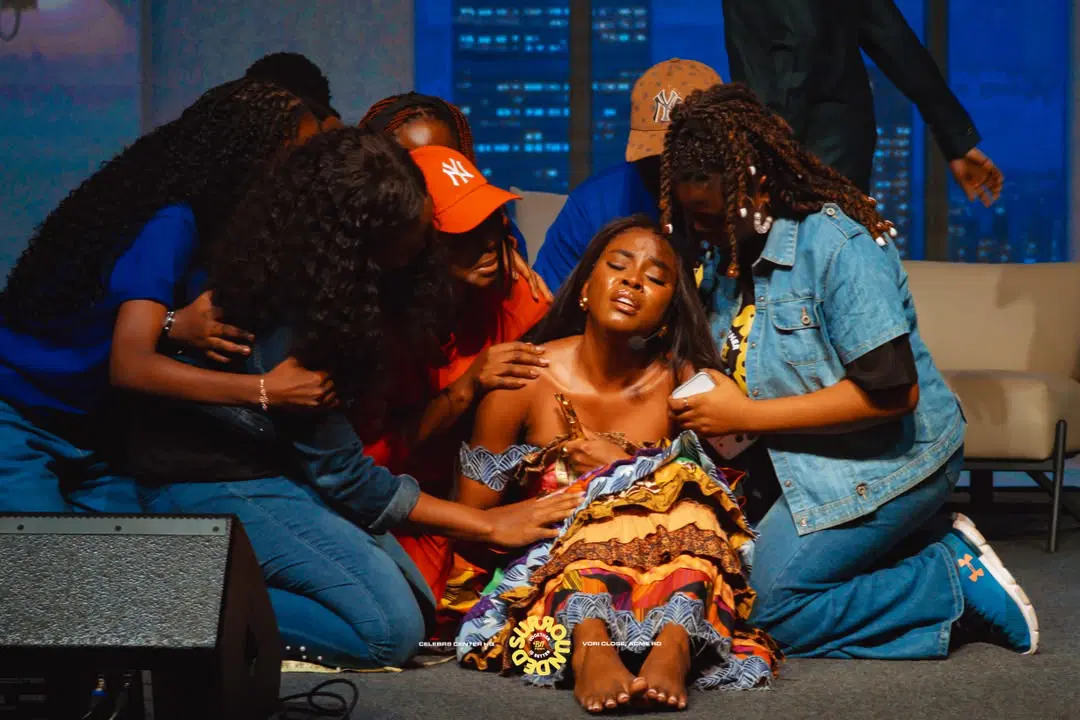
What unfolded was a vivid, emotionally layered portrait of survival, intimacy, and female solidarity set against the turbulence of modern Lagos. Lady captivated critics and festival audiences alike with its intoxicating atmosphere, political undercurrents, and deeply humane storytelling.
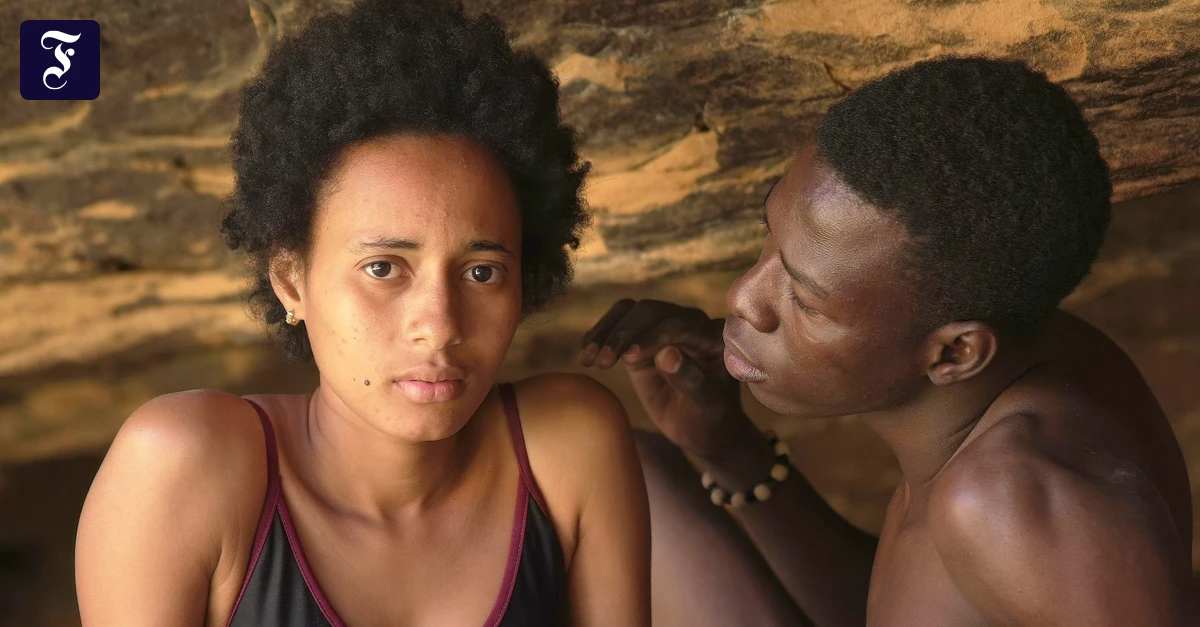
At the centre of the film is Lady herself, portrayed with remarkable restraint and quiet intensity by Jessica Gabriel’s Ujah. In many ways, Lady mirrors the city she moves through: resilient, exhausted, wary, but still capable of unexpected tenderness. Lagos is presented as a city stretched thin by fuel scarcity, subsidy cuts, economic uncertainty, and simmering political frustration. Yet Nwosu refuses to reduce it to a landscape of suffering. Even in its harshest moments, Lagos remains magnetic — noisy, chaotic, seductive, and impossible to fully abandon.