Chinese PCBA factories can produce high-quality boards at 30–50% lower cost than equivalent European or North American shops — but only if you give them a clean package and know how to qualify the factory. The difference between a smooth run and a costly disaster is almost always in the preparation, not the factory itself.
This guide covers what a buyer needs to know before placing a PCBA order in China: how to read a quote, how to qualify a factory, what IPC class actually means for your product, and where inspection fits in.
PCB fabrication vs. PCB assembly — they are not the same thing
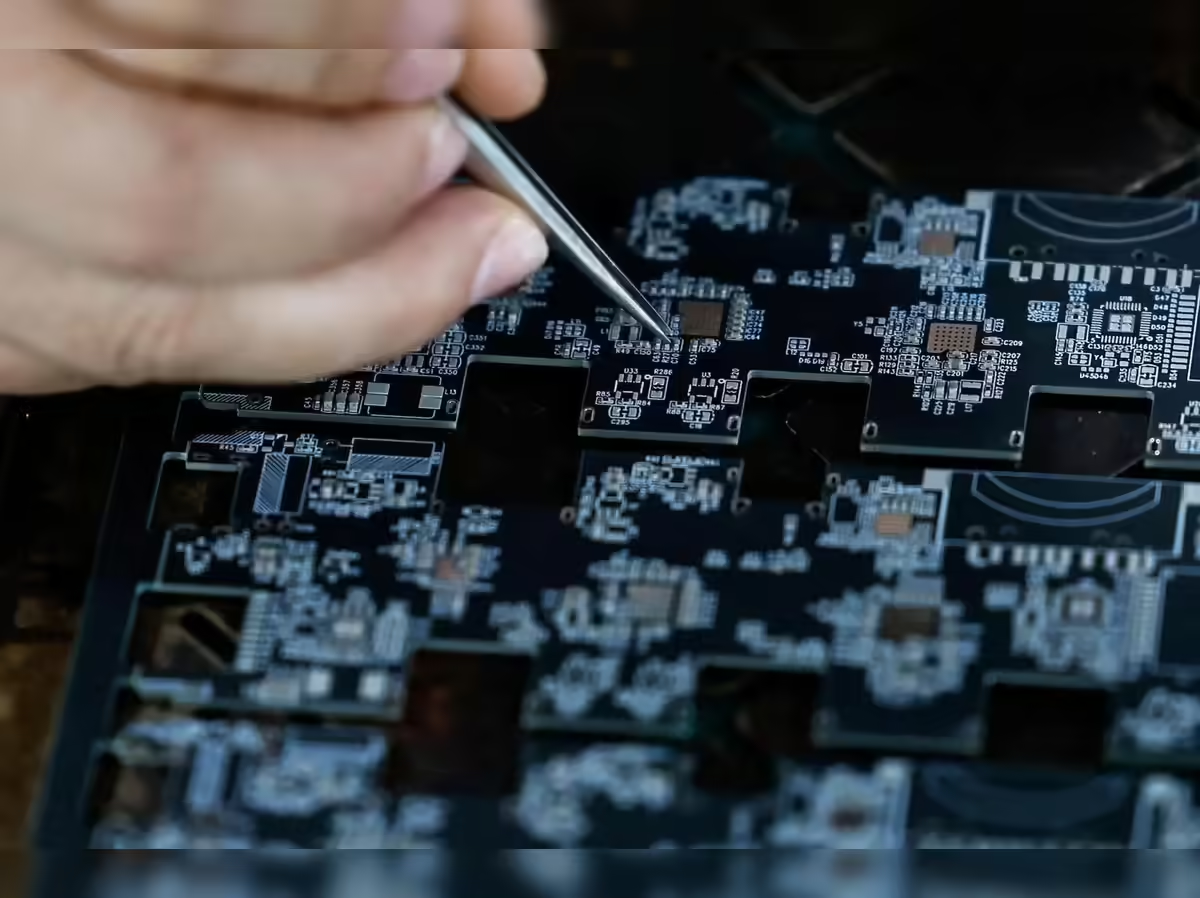
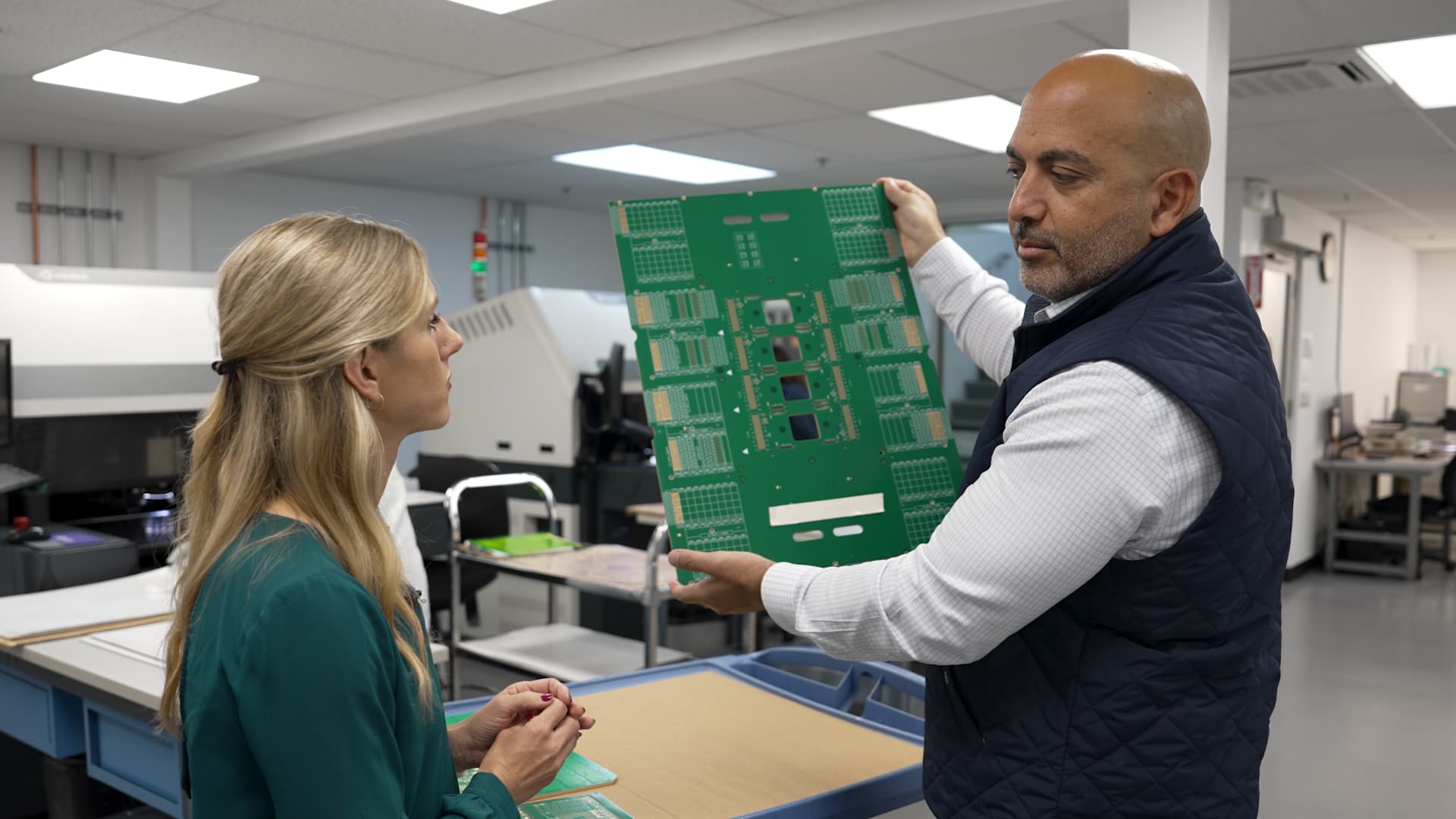
This confusion wastes weeks. PCB fabrication (often just called "PCB fab") is the process of producing the bare board: the laminated substrate, etched copper traces, drilled holes, solder mask, and silkscreen. PCB assembly (PCBA) is what happens next: components are placed and soldered onto the fabricated board.
Many factories in China do both under one roof. Many others do only one. When you search for "PCB manufacturer China," you may be talking to a bare-board fab, a pure assembly house, or a turnkey operation that does both. Clarify this immediately. A fab-only shop cannot populate your components; an assembly-only shop needs you to supply bare boards or will source them from a fab they work with.