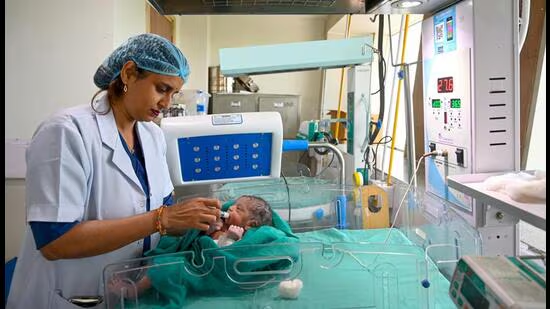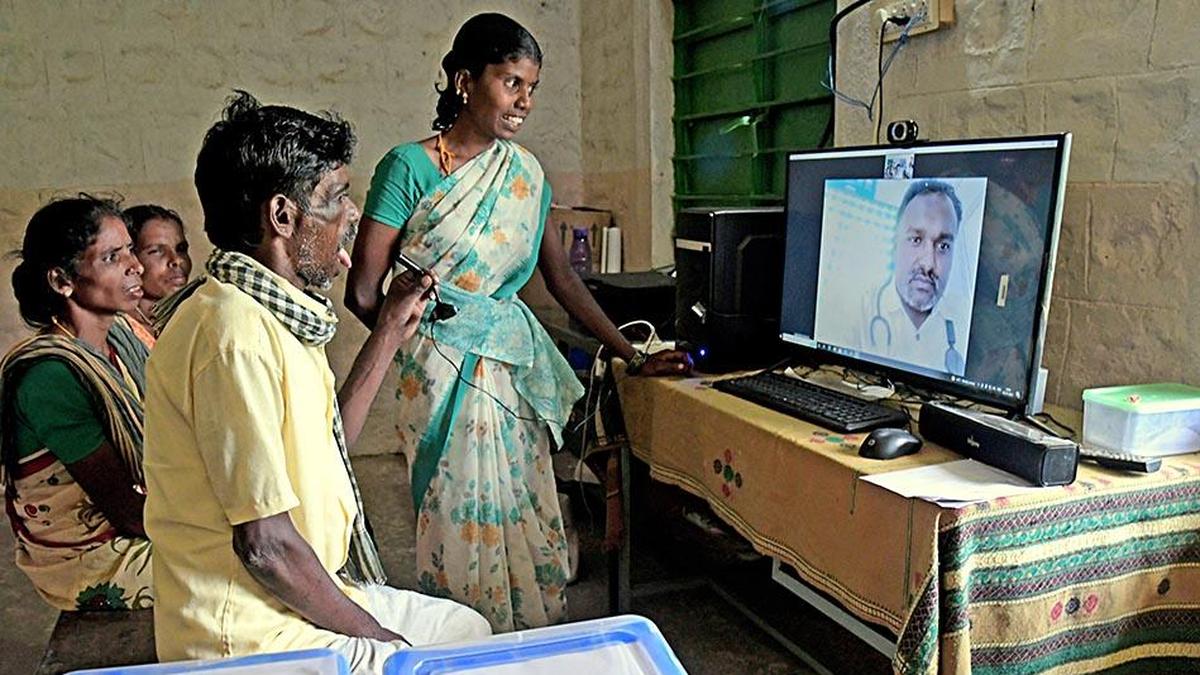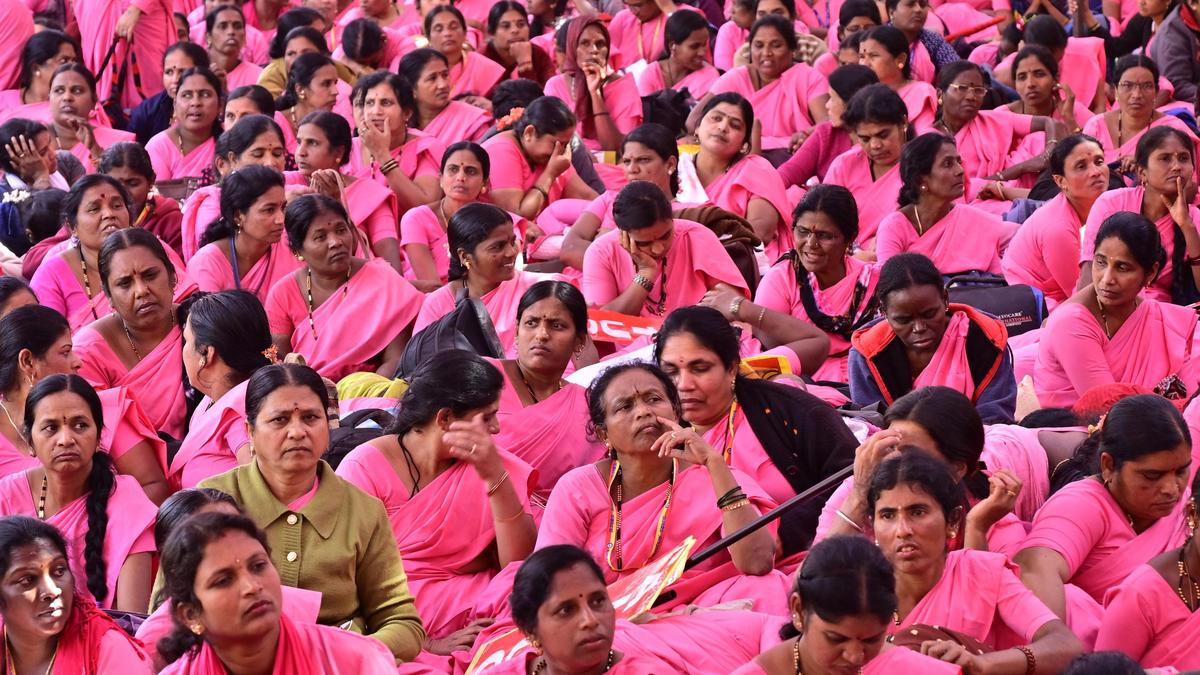
Representational file image.
| Photo Credit: K. Murali Kumar
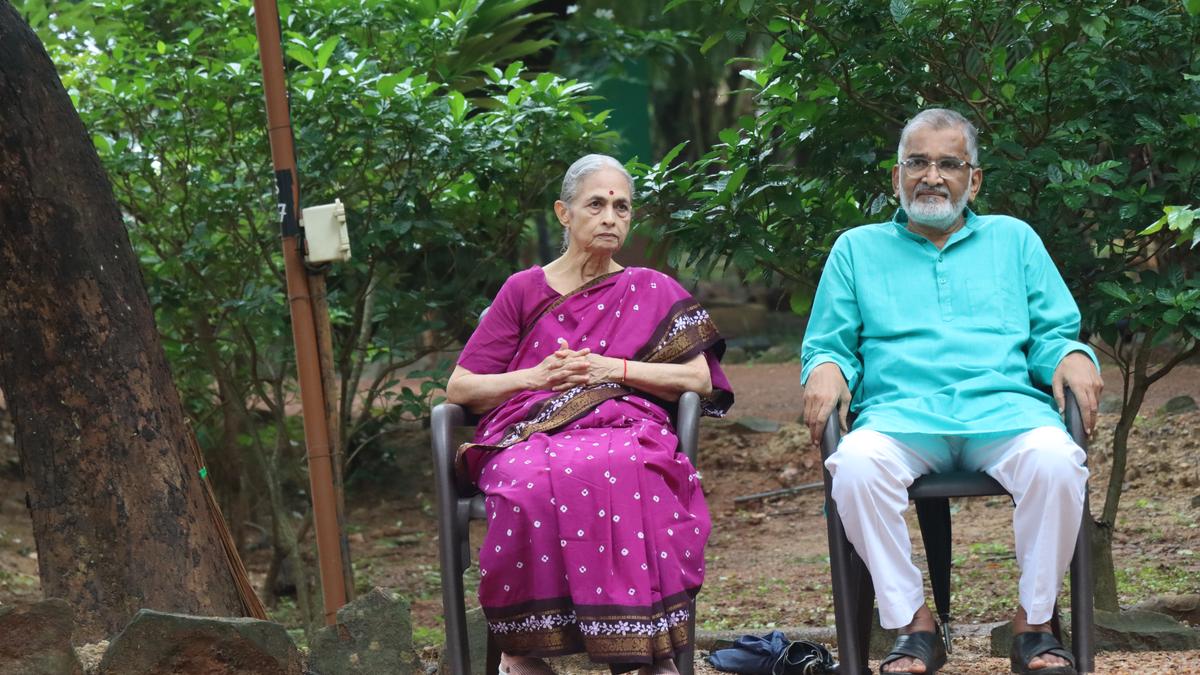
Dr Rani Bang and Dr Abhay Bang are a world-renowned Gandhian couple based in Maoist-affected Gadchiroli, whose remarkable contribution to tribal health has earned them several national and international accolades. Their Gadchiroli model, which involved the training of healthcare workers to diagnose and treat pneumonia in children, was adopted by 16 countries and was accepted by international bodies like WHO, UNICEF. It has also became the blueprint for the Government of India’s National ASHA Program, launched in 2005 under the National Rural Health Mission. The couple sits down at their NGO SEARCH (Society for Education, Action & Research in Community Health) to critically review India’s community health care system, the role of ASHAs and an urgent need for a change in the system.Excerpts from the interview:
Twenty years after the ASHA (Accredited Social Health Activist) programme was launched, how do you critically assess it? You had trained the trainers for ASHA programme and had also developed the training material two decades ago.
ASHA programme is a remarkable tribute to the capacity of rural women. They have made a significant contribution to India’s health care system. Initially, when the programme was launched, there was resistance from bureaucrats and technocrats. They had thought, what would a semi-literate woman do? You always need doctors. They used to compare with the international standards. But Indian villages did not need international standards. They needed something which was immediately accessible 24 hours. So, ASHA programme was launched. We trained the trainers. The national trainers trained the district trainers who trained about 10 lakh ASHAs. So currently there are one million ASHAs in India. This period has seen the most remarkable drop in child mortality, which had never seen such rapid reduction.