Tammy Park
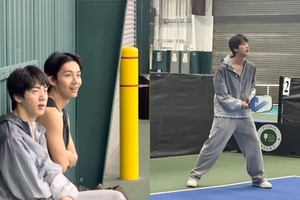
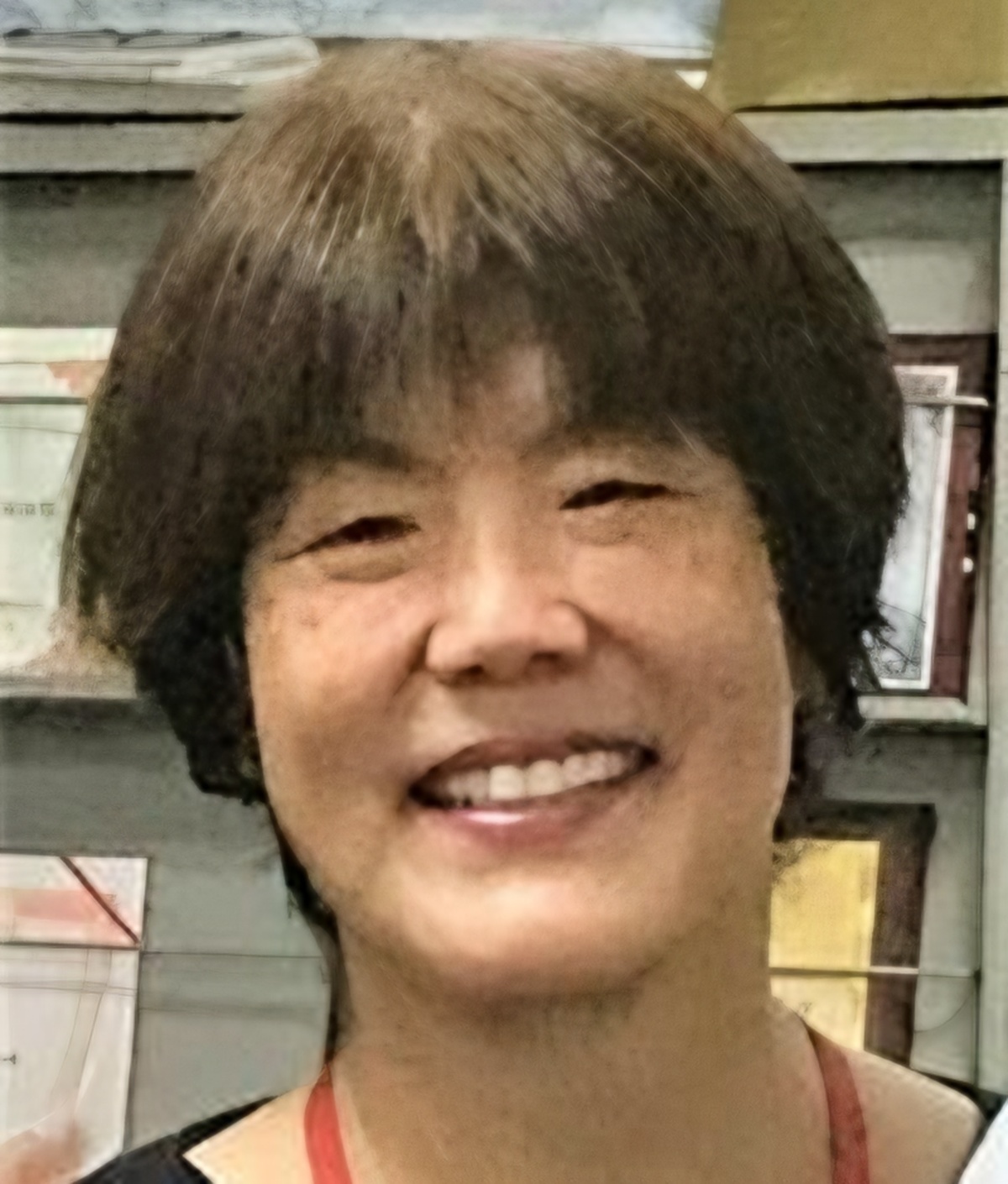
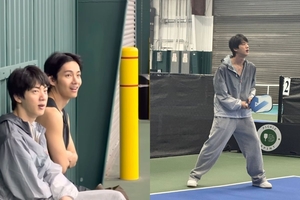
The sharp “pop” of plastic balls bouncing off paddles echoed across a Seoul park, where courts once mostly used for jokgu, Korean foot volleyball, are increasingly being taken over by players of the fast-growing racket sport pickleball.Once seen largely as a niche sport favored by older players, pickleball is now attracting younger office workers, foreign residents and former tennis players, pushing the sport further into Korea’s mainstream recreational culture.The trend has grown visible enough that Seoul opened a 14-court pickleball complex at Gwangnaru Hangang Park on April 16, one of the city’s largest dedicated facilities for the sport to date.Players and organizers say the sport is now entering a new phase in Korea, driven by changing attitudes toward fitness, affordability and social leisure.Cho Min-jung, a former Korea Tennis Association board member who recently converted her indoor tennis facility into a pickleball venue called the Pickle Box after years of coaching tennis, said worsening economic conditions may also be pushing more people toward pickleball as players search for ways to stay active and enjoy racket sports without the higher physical, financial and time commitments often associated with tennis.“Tennis is only really fun once you can rally and play matches, but getting to that stage takes a long time,” Cho said. Pickleball’s appeal, she added, is that even beginners can “start rallying almost immediately.” Cho’s pickleball venue, the Pickle Box, formerly operated as an indoor tennis training facility before she converted it into a dedicated pickleball space. (Tammy Park/The Korea Herald) Google Trends data shows Korean search interest in pickleball-related terms rising in 2024 before surging sharply toward the end of 2025, reflecting the sport’s growing visibility in Korea. (Google Trends) From Hollywood courts to Korean variety showsIn the US and elsewhere, celebrity exposure and social media have accelerated awareness of pickleball. Cho said a similar trend is now emerging in South Korea.“When (Korean) celebrities started mentioning and playing pickleball, more people became curious,” she said, adding that such visibility helped shift pickleball’s image into a trendy sport.Television personalities such as Jun Hyun-moo have referenced pickleball on variety programs in recent years, while celebrities including Choo Sung-hoon have also been associated with the sport.More recently, BTS members Jin, V and RM discussed playing pickleball together during a livestream while on tour, with V describing how he first discovered the sport while traveling in Hawaii. Jin had previously shared videos of himself playing against V on social media, while more recent clips showing all seven BTS members playing pickleball in San Jose also surfaced online. BTS members Jin and V (left) play pickleball in photos and videos shared on social media in April. The sport has recently gained traction in Korea, particularly among younger players and social sports communities. (Instagram) BTS members were spotted playing pickleball in San Jose ahead of the group’s Bay Area stop for the “Arirang” world tour, which took place from May 16-19. (YouTube: BTS Global Live) Left photo: Martial artist Choo Sung-hoon and television personality Jun Hyun-moo play pickleball together on the variety show “I Can’t Do It Alone,” which was filmed at Cho Min-jung’s pickleball venue, Pickle Box. Right photo: Pickle Box owner Cho Min-jung (third from left) poses with celebrities including Jun Hyun-moo (far left) and Choo Sung-hoon (far right). (X/Twitter) Some players say pickleball’s growing visibility in Korea was also fueled by foreign communities already familiar with the sport overseas.Helen Baik, a Korean American from Southern California who has played pickleball for two years, said she initially noticed many foreigners, both visitors and residents, as well as internationally connected players, searching for pickleball courts. During her year in Korea, she said she has seen a noticeable spike in the sport’s popularity, reflected in the growing number of courts, clubs and players."I think as more foreigners are coming and visiting Korea as well, there's been more foreigner communities playing pickleball too," Baik said. "There's even spreadsheets that people have made of all the different courts — who plays and how nice the space is."Baik said she believes those community-driven resources have made it easier for both locals and foreigners to find places to play and connect with other players.Emily Kim, another Korean American player from California’s Bay Area who has played pickleball for four years, said she thinks the sport’s international popularity helped create early demand in Seoul before it began attracting broader local attention.“Our group is kind of a mix of international people in Korea, and some Koreans are joining us as well,” Kim said. “Maybe through communities like that, where people from different backgrounds come together and already have this shared hobby, word of mouth spreads that way about pickleball.” Left photo: Emily Kim (left) and Helen Baik, Korean Americans currently living in Korea, during a casual pickleball meetup with friends in Seoul. Right photo: A phone set up courtside records the game as players laugh and rally together. (Tammy Park/The Korea Herald) Too many players, not enough courtsAs pickleball’s popularity expands beyond older recreational communities, some longtime players say the sport’s rapid growth is beginning to create new tensions around space and accessibility.Lee Chul-hee, 71, the inaugural and now former president of the Seongdong-gu Pickleball Association, said the number of players has grown far faster than the available infrastructure, making overcrowding increasingly common.“At Seoul Forest, there simply aren’t enough courts for everyone to play at the same time,” he said. “There are hundreds of members across different clubs, but only a few courts.”To secure additional space, some clubs have started renting indoor gymnasiums or temporary facilities, creating a divide between groups that can afford private rentals and those relying on limited public courts.“We rent indoor gyms because we have no choice,” Lee said. “Otherwise, there’s nowhere for everyone to play.”Lee also expressed concern that public investment has not kept pace with the sport’s growth, particularly for older players.While he welcomed Seoul’s new Hangang pickleball complex and is encouraged to see pickleball finally gaining broader recognition in Korea, he criticized the hard court surfaces used in some outdoor facilities, saying they can place strain on seniors’ knees.“The popularity is definitely growing,” Lee said. “But the infrastructure still hasn’t fully caught up.” Lee Chul-hee (left), former inaugural president of the Seongdong-gu Pickleball Association, speaks about the lack of infrastructure supporting Korea’s rapidly growing pickleball scene, particularly for older players. At right, people play pickleball at Seongsu Park on a court originally designed for jokgu, a Korean foot-volleyball sport, while basketball players use the adjacent court in the background. (Tammy Park/The Korea Herald) A passing craze or Korea’s next lifestyle sport?Some players acknowledge that pickleball’s sudden rise has also prompted questions about whether the trend can sustain itself in a country known for rapidly embracing — and abandoning — lifestyle crazes.But players and coaches interviewed by The Korea Herald were hopeful that pickleball will have stronger staying power because of its accessibility and relatively low cost.“I think the trend will stick around for a while,” Cho said, adding that the sport’s health benefits and community-oriented nature will likely continue driving its popularity.“As long as people are looking for ways to exercise and socialize casually, I think pickleball will continue growing,” Cho said.Lee also said he believes the sport is only beginning to enter the mainstream in Korea.“The number of members around me is steadily increasing,” Lee said, adding that when he first began playing pickleball in 2023, there were only about 5,000 players in Korea by community estimates, but he has since watched the sport grow rapidly.Kim said pickleball's popularity reflects a broader cultural shift among younger Koreans toward casual, community-oriented hobbies that prioritize accessibility, wellness and social connection over competition and expertise.“I think Korea does a really good job in curating spaces for micro-communities,” Kim noted, adding that pickleball could also open the door for other social racket sports such as padel, a combination of tennis and squash.