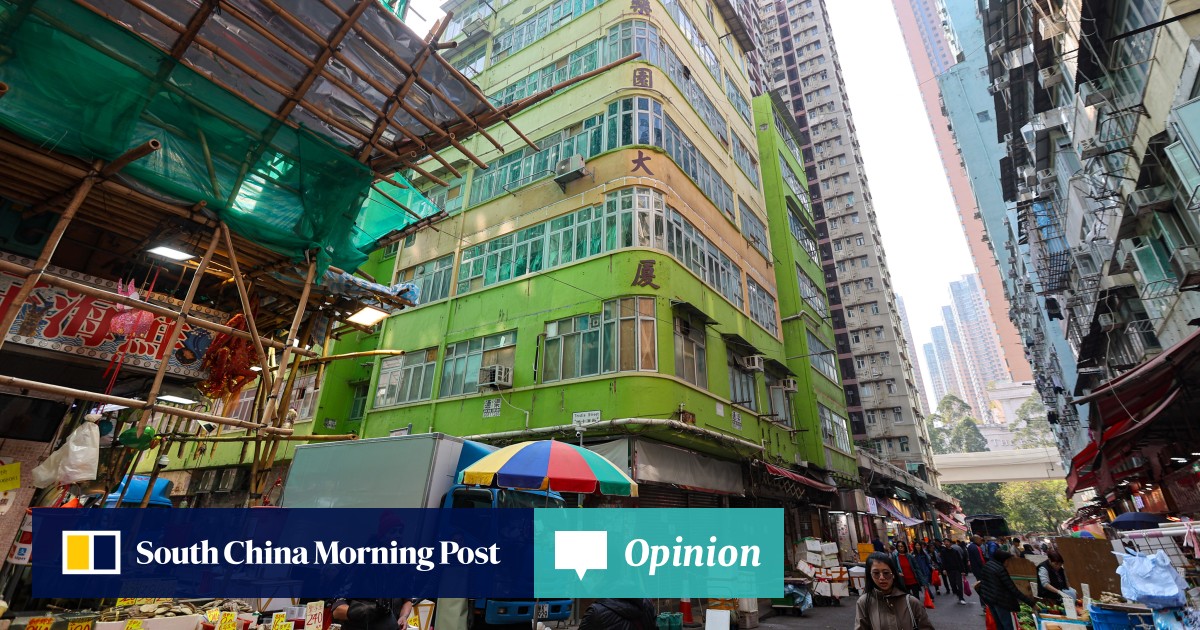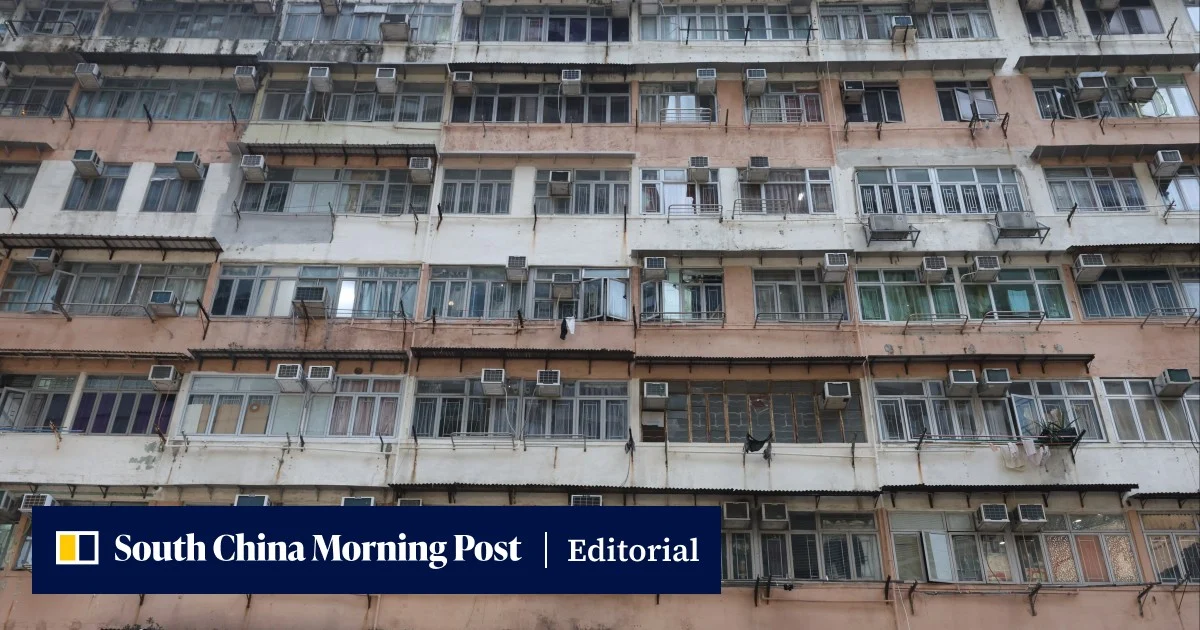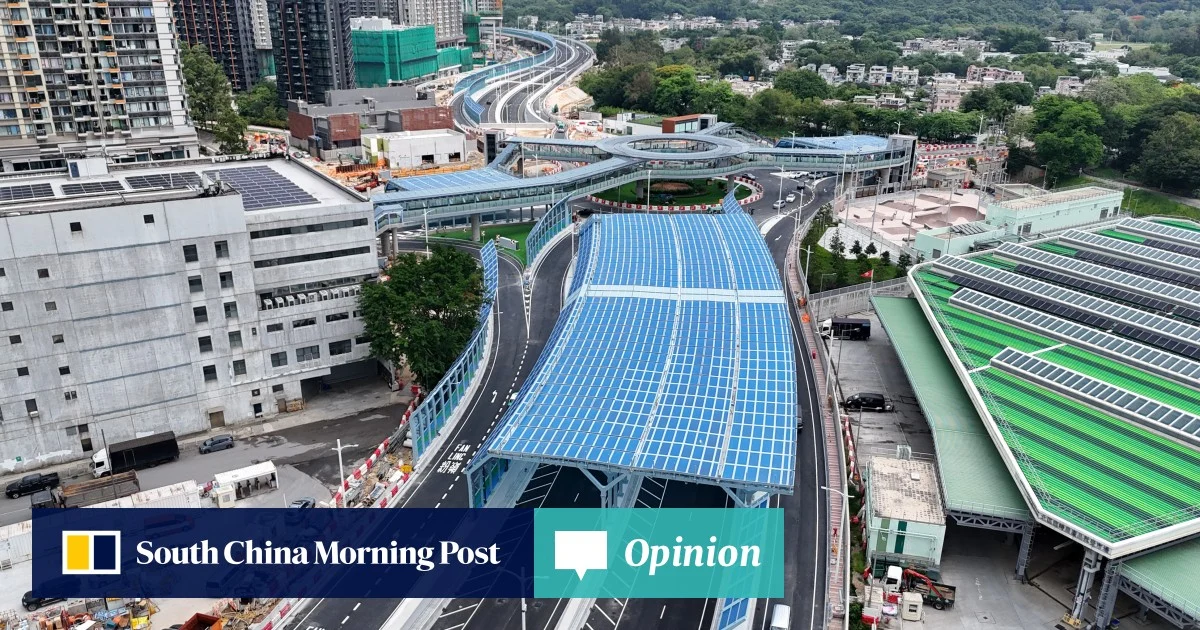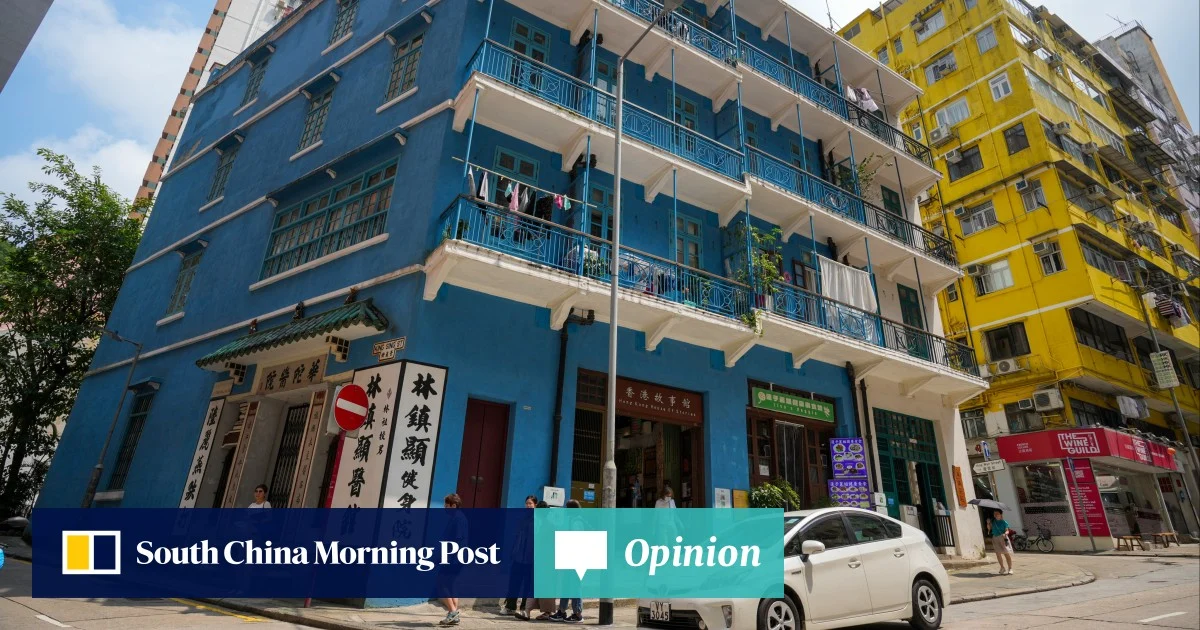
Think of Hong Kong as a living dictionary. Every old arcade, footbridge and mixed-use tong lau, or tenement building, is an entry worth studying. As the city embarks on another redevelopment cycle, we should be leafing more carefully – not erasing the dictionary’s words but learning how to write new ones in the same spirit. Here are five key words that should be at the centre of any sensitive, forward-looking renewal blueprint.One, shelter. Tong lau arcades were an original climate adaptation. Deep, shaded walkways kept pedestrians out of the subtropical sun and sudden downpours while sheltering the life of the street – the shops, hawkers and casual encounters that make it feel like a neighbourhood. With global warming, the argument for covered walkways is no longer nostalgic; it is about basic pedestrian resilience.Tsuen Wan has a network of footbridges linking the MTR station to shopping malls and housing estates, but the network remains patchy. The Urban Renewal Authority’s district planning study on Tsuen Wan is a chance to move from ad hoc bridge-building to a deliberate, all-weather pedestrian grid. Imagine walking from your flat to the wet market, clinic and MTR station without having to open an umbrella.Two, mixed-use, multilayered. The old tong lau was a vertical village: a shop on the ground floor, maybe a hair salon on the first, families on the upper floors, laundry and plants on the roof. Each level breathed a different rhythm of life. Post-war planning broke that mix apart. The result was often sterile: districts that buzz until 6pm, then fall silent.Planners have begun to rediscover the old model’s intelligence. The “vertical city” concept being explored in the Kwun Tong town centre development stacks office, retail, housing, recreation and even education in a single tower. In Hung Shui Kiu and Cha Kwo Ling, new projects permit genuine commercial-residential blending. The challenge is to let that hybrid vitality infuse not just landmark projects but the everyday fabric of neighbourhood renewal, keeping the streets active from dawn until late.The Lui Seng Chun tong lau in Sham Shui Po, seen on August 29, 2024. Photo: May TseThree, high density – too often heard as poor quality of life. Yet walk through Sham Shui Po or Mong Kok and you sense a different truth: density can feel alive when the design is right. High density brings infrastructural efficiency – piped water, power grids, sewage treatment and public transport serve more people at lower marginal cost. Hong Kong’s old districts prove that very high densities can coexist with fine-grained street life.
Opinion | Hong Kong’s old buildings: 5 lessons for urban renewal
The city’s tong lau arcades, high-density blocks and webs of skywalks have long been telling us what a humane, climate-aware city can look like.
423 words~2 min read