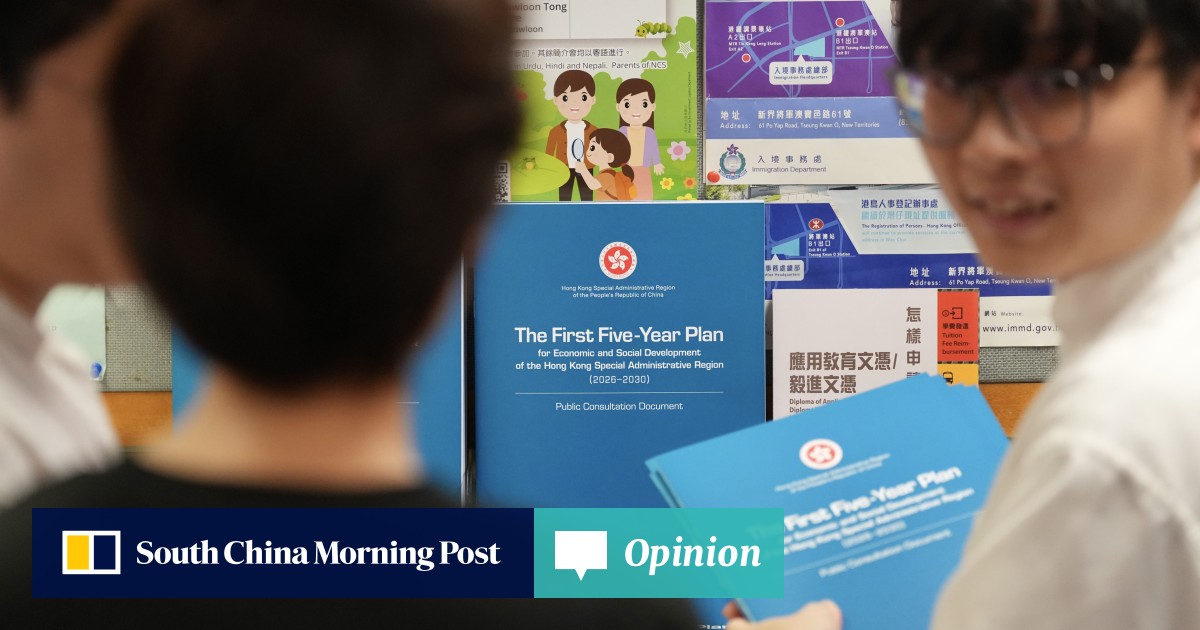
Hong Kong is drafting its first‑ever five‑year plan, a historic blueprint to chart long‑term development. Much has been said about reforms and paradigm shifts, but far less attention has been paid to the true architects of this journey: Hong Kong’s elites. Their choices will determine whether the city reinvents itself as an innovation hub or slides into stagnation.For decades, Hong Kong’s movers and shakers maximised returns from finance, trade and real estate. But as the global economy pivots towards technology and innovation, these engines face mounting headwinds.To navigate this transition, Hong Kong requires a profound “power shift”, a systemic re‑engineering of mindsets, incentives and risk appetites across business, bureaucracy and academia.Hong Kong’s history shows that elite behaviour determines the city’s trajectory. At each juncture, successive migration waves reshaped its elite class, catalysing economic rebirth.The first defining wave arrived after World War II, led by Shanghainese industrialists fleeing civil war. They did not merely relocate; they transplanted capital, technical expertise and an entrepreneurial spirit that fuelled Hong Kong’s industrialisation. Their willingness to embrace high-risk ventures laid the foundations of a global manufacturing hub.Another wave, spanning the 1960s through the 1970s, brought migrants from Guangdong. While they did not arrive as elites, their industrious labour powered Hong Kong’s export miracle. Crucially, this era showed that elite-led value creation requires an ecosystem capable of integrating and mobilising new social groups.
Opinion | Why Hong Kong’s elites must become risk-takers again
To become the best it can be, the city should align capital, governance and academia along new priorities anchored in innovation.
227 words~1 min read