Once upon a time, inequality in Europe was largely horizontal. The rich western half drove BMWs and holidayed abroad, while the poorer east rewired its own appliances and queued for bread. But three decades of catch-up growth in erstwhile communist countries has put paid to jokes about Romanian cars whose top speed was „downhill”. These days inequality in Europe has a vertical dimension—one that goes up and down family trees. Youngsters unable to move out of their parents’ spare room due to sky-high house prices wonder if they will ever enjoy the lifestyle as adults which they knew as kids. Thirty-somethings in jobs pay hefty taxes to fund the pensions of oldies who retired in their prime. Costs related to ageing are guzzling a quarter of the European Union’s GDP, a figure unlikely to fall as the Old Continent grows older still. To be a young European is to feel oneself an unwitting participant in an intergenerational confidence trick.
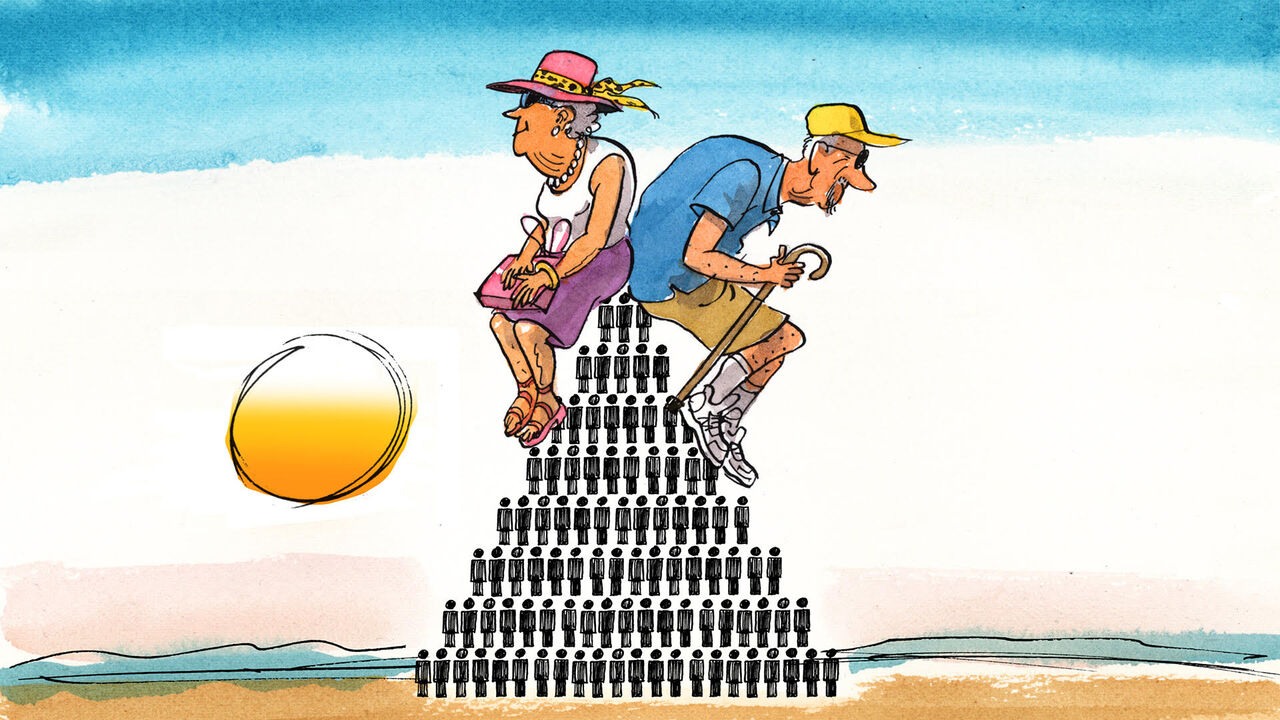
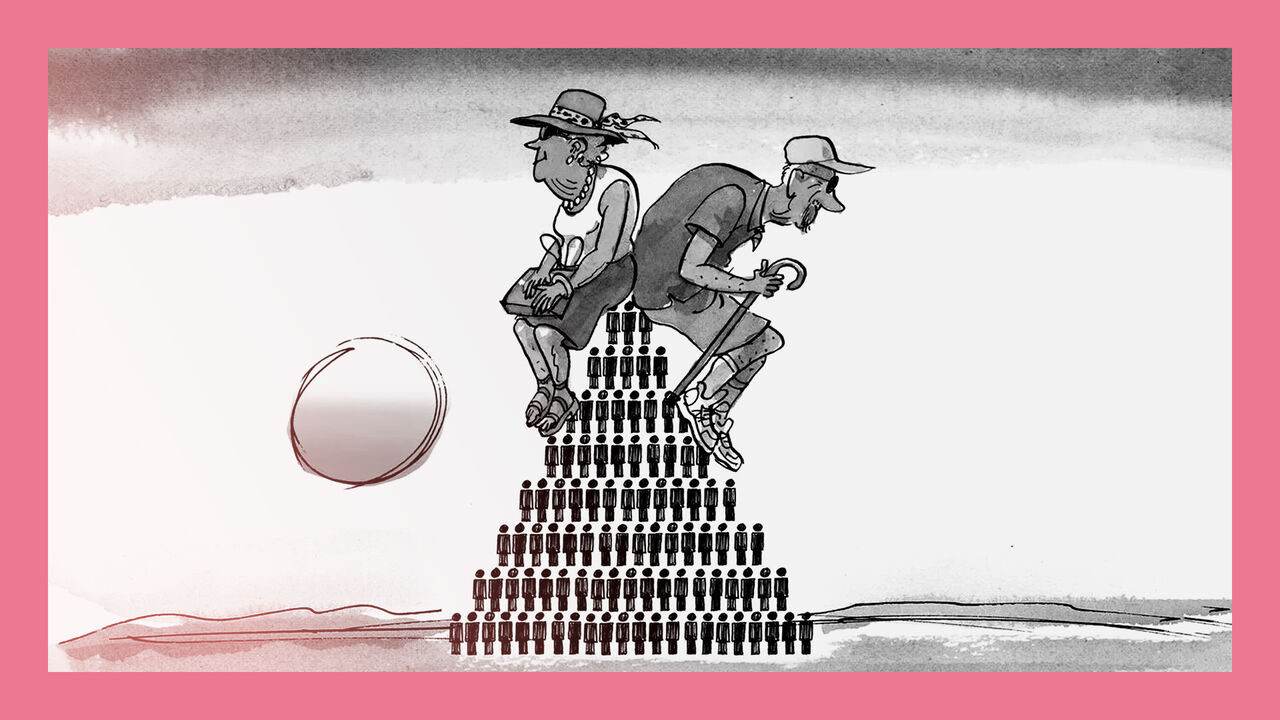
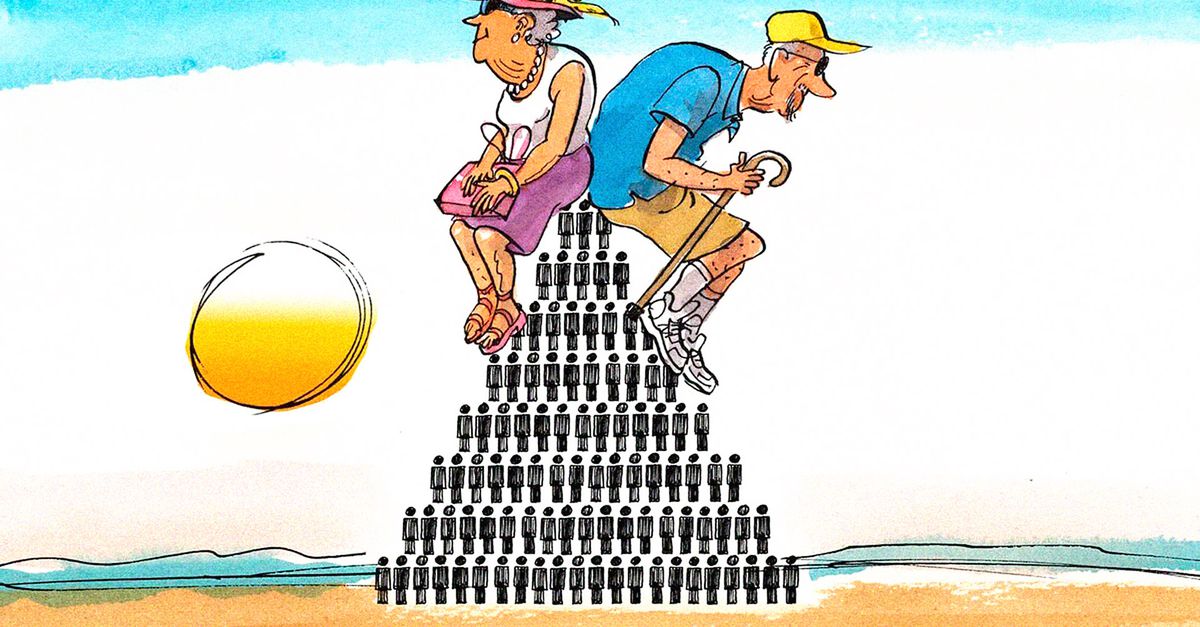
If the European welfare state looks like a pyramid scheme, its pharaohs are the „baby-boomers”. The bumper generation born in the two decades after 1945, aged roughly between 60 and 80 (Hello Mum! Hi Dad!), would like to go down in history as the first in centuries not to have started a war pitting one bit of the continent against another. Sociologists will surely celebrate the 1960s, when boomers sought to replace chauvinism with rock ’n’ roll. But economists will judge them less kindly. Boomers granted themselves generous pensions, relying on demographic trends that have since lapsed. The costs turned Europe lethargic. Today’s grandparents inherited a continent rebuilding itself after war; they will pass on one in need of repair after the damage they helped wreak.