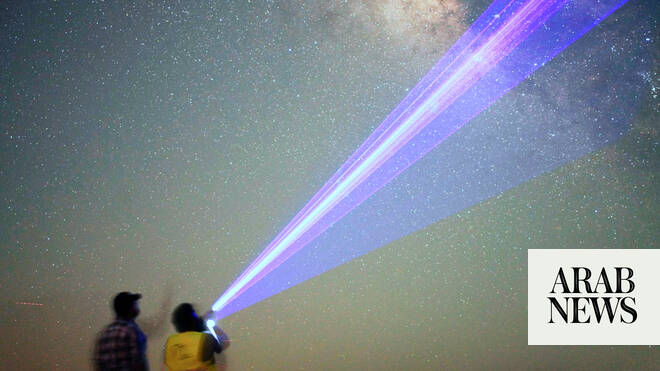
AL QUAA DESERT, UAE: The gleaming skyscrapers and bright lights of the UAE draw the eyes of all who travel there, a sign of the nation’s rapid, oil-fueled development over the last few decades, turning it into a major hub for commerce and tourism.
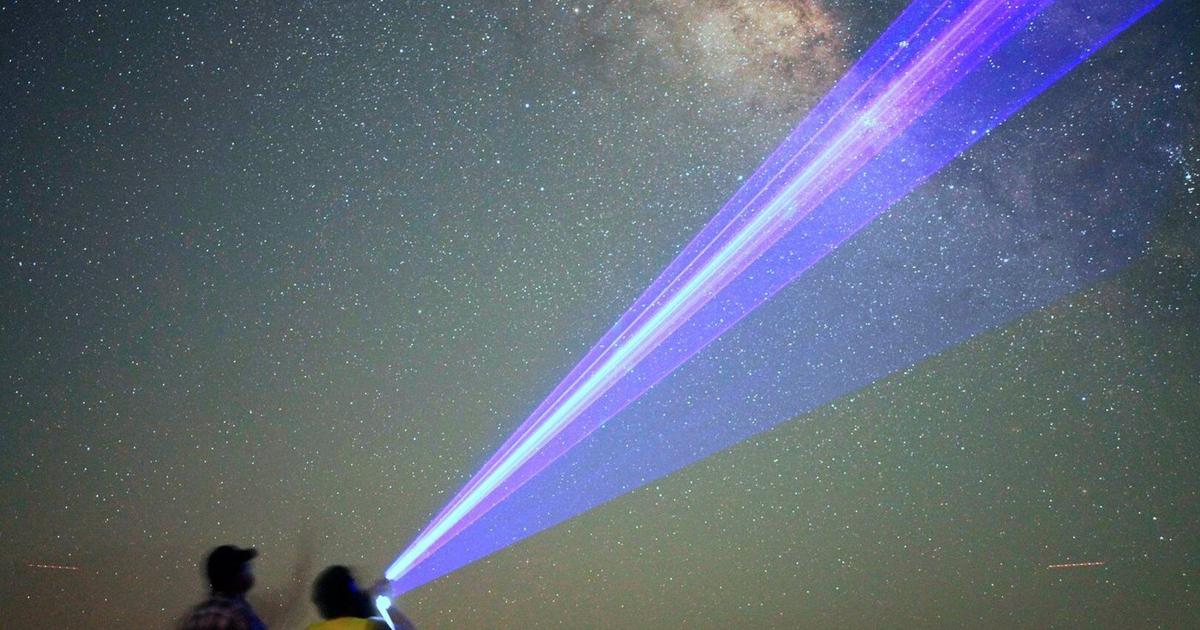
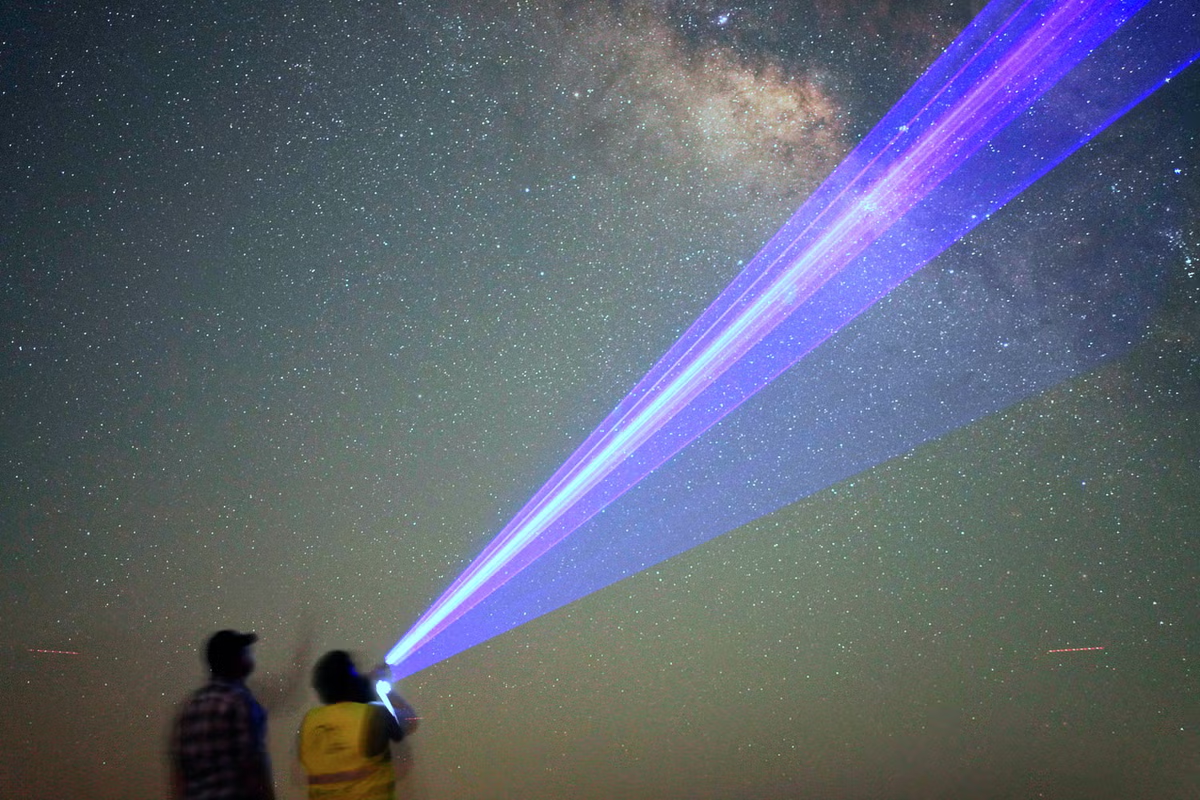
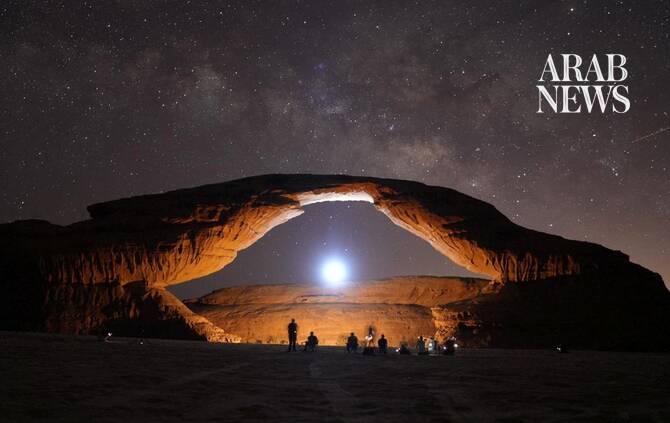
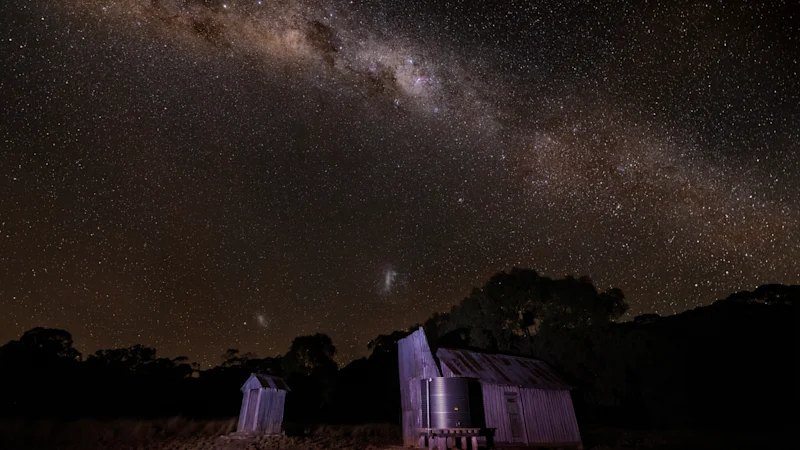
But something has been lost over that period: a clear vision across nearly all of the country’s inhabited lands of the stars in the night sky that once guided Bedouin across the shifting desert dunes of its vast interior, known as the Empty Quarter. A group of volunteers from the Dubai Astronomy Group has recently been helping people reconnect with the sight of stars and the Milky Way by taking them on nighttime excursions to Al-Quaa Desert, one of the darkest spots remaining in the Emirates.
The desert is easily reachable by vehicle, about 100km southeast of Abu Dhabi along a major highway to the oasis city of Al-Ain, then another road south, far out into the desert.
“It causes us to appreciate our existence in this galaxy,” Sheeraz Awan, the general manager of the astronomy group, said as he guided participants through a weekend view of the stars in late May.
The UAE ranks among the world’s most light-polluted countries, along with several other Gulf states whose populations largely live in major cities. A 2016 scientific study concluded that “humanity has enveloped our planet in a luminous fog” and suggested that 99 percent of the Emirates’ population could not see the Milky Way from their homes because of artificial light.