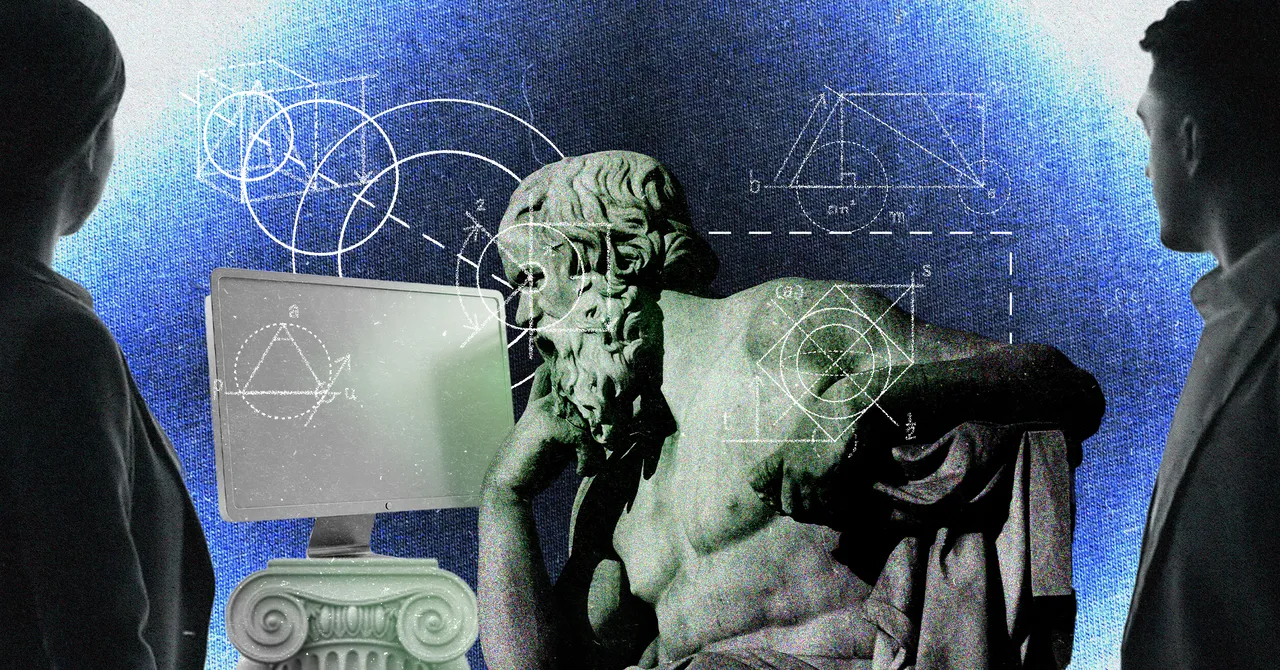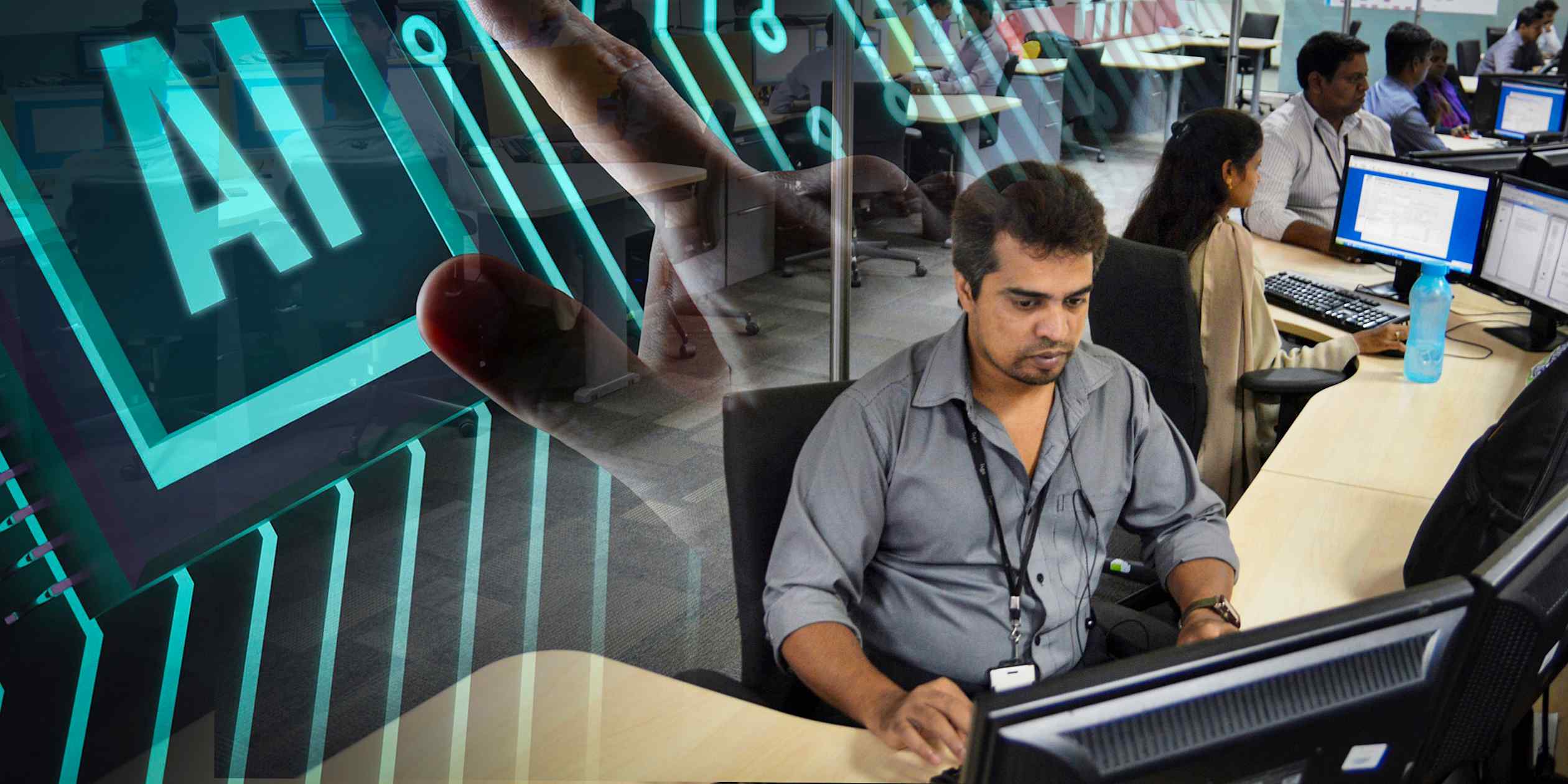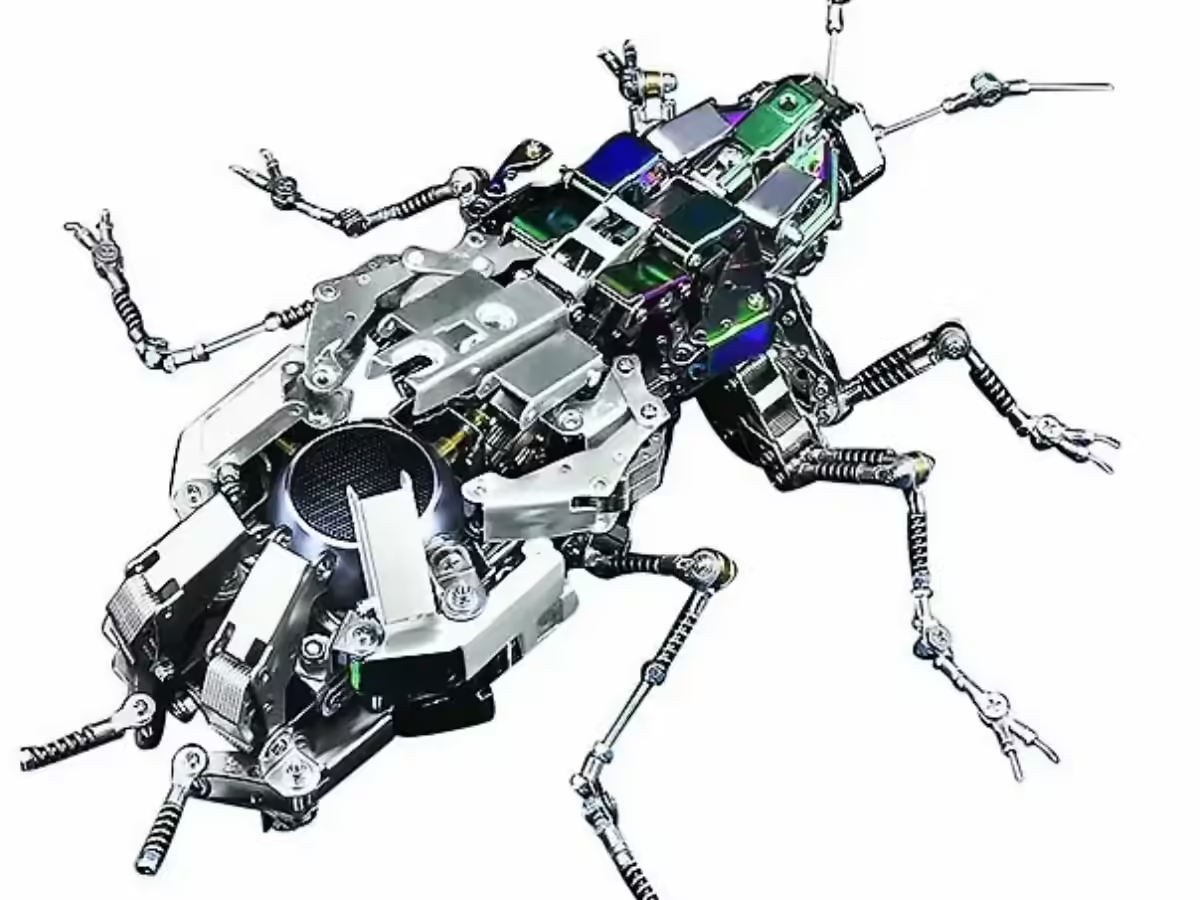
What relation does utilitarian history of the horse bear to the modern human condition? Not much. Unless the former is viewed as a victim of involuntary technological unemployment in which the enjoyment of leisure is consonant with being a jobless cockroach, if the CJI is to be believed.Nearly 24 centuries ago, Aristotle conducted an analogous thought experiment in his Politics. He posited that if 'shuttles could weave themselves and picks play the lyre, master craftsmen would have no need of subordinates,' and would, consequently, not need to work on, or supervise, any chores. Nonetheless, the philosopher was not in favour of this. He believed it would only serve to make some men more acquisitive and lascivious, while others languished, in direct contravention of those interests that justified the pursuit of leisure itself.Such may be the case with the widespread adoption of AI. Of far more concern is the prospect of prolonged or permanent unemployment that may stare millions of blinkered employees in the face, for whom the wholetime pursuit of leisure is inexplicable. Naturally, many corporations, governments, and tech mavens insist the new tool will augment proficiency in the workplace, either by directly supercharging human efficiency, or by freeing up time to enable skilled employees to focus on tasks that demand superior creative and decision-making skills.Some pundits even point to the fact that new hires offset - and sometimes exceed - job losses, attributing layoffs to a management exercise, focused on workforce optimisation. Possibly, if one suspends disbelief.But the inference belies everything we know about horses. Even as motorised vehicles grew in popularity, the number of farm horses in the US almost doubled to 27 mn between 1900 and 1920. After that, it only took 39 years for the population to fall to 2.5 mn, while tractors grew from about 5,000 to 5 mn, resulting in both replacement and significant efficiency spike.In this, the employee proficiency argument begins to wobble. For while AI may not initially be able to do away with human labour, it will degrade and devalue it. Indeed, a court in Hangzhou in China recently ruled - in a case where an employee was first offered a lower wage with reduced responsibilities after AI was introduced into the workplace, and then retrenched - that no company can use AI efficiency as a blanket justification for layoffs. In the opinion of the court, a company, when offering reassignment, must preserve dignity of stature and economic standing.This is good legal logic, but poor financial arithmetic. In any situation where AI is paired with a human, the team has to produce something more than what AI can produce by itself for human inclusion to be profitably justified. Since the demand for labour is derived, any efficiency created by AI would automatically target employee substitution to reduce labour demand per unit of output, so that reduced output costs can boost sales or profitability.As economist Wassily Leontief stated in 1983, since all technological adoption is labour-saving, ultimately aiming to negate wage labour altogether, the growth of technological industrialisation will eventually cease to be a solution for chronic unemployment. This is a critical insight for India, which is focused on making the country a hub for AI development and support services.For even as the government encourages widespread proliferation of specific skills - including those that retrain the workforce and redesign higher education - many may become largely non-remunerative, as the problem-solving and critical faculties that gain commercial currency are relegated to only the privileged few in line with the total number of available jobs.So, as wages shrink to reflect the competitive advantage of labour-saving technologies, GoI may be forced to subsidise incomes in cash or kind. This could be a disaster waiting to happen because India's sub-scale industrial wage labour base will be irrevocably hobbled and put out to pasture before it has a chance to bolt.Of course, if AI fails, all bets are off. But this would spell ruin for sundry government and corporate investments, precipitating the mother of all business downturns. And then, cockroaches and horses won't be alone in biblically knowing unemployment.(Disclaimer: The opinions expressed in this column are that of the writer. The facts and opinions expressed here do not reflect the views of www.economictimes.com.)
Putting the Bekaart before AI's racehorse: How widespread adoption of the tech can fill the nation with Kantian roaches - The Economic Times
Artificial intelligence adoption threatens widespread job losses, wihch could devalue human work and necessitate government income support. India, aiming to be an AI hub, faces risks as its industrial workforce may be hobbled. There are threats of potential economic downturns if AI development falters, with millions facing unemployment.
706 words~3 min read