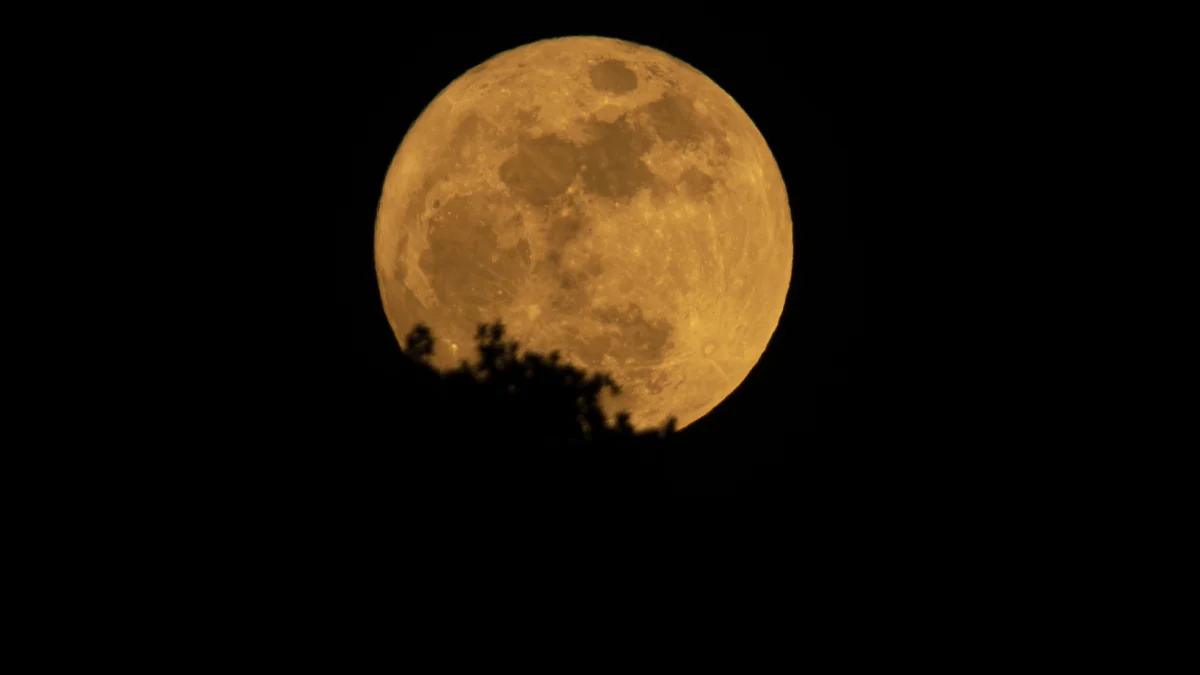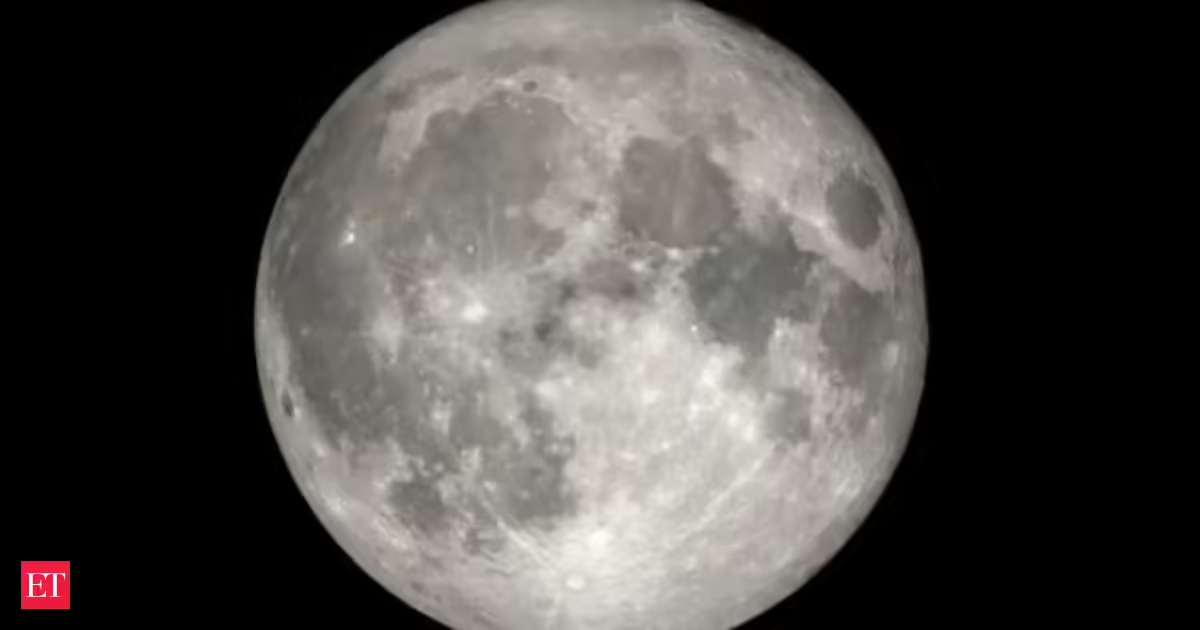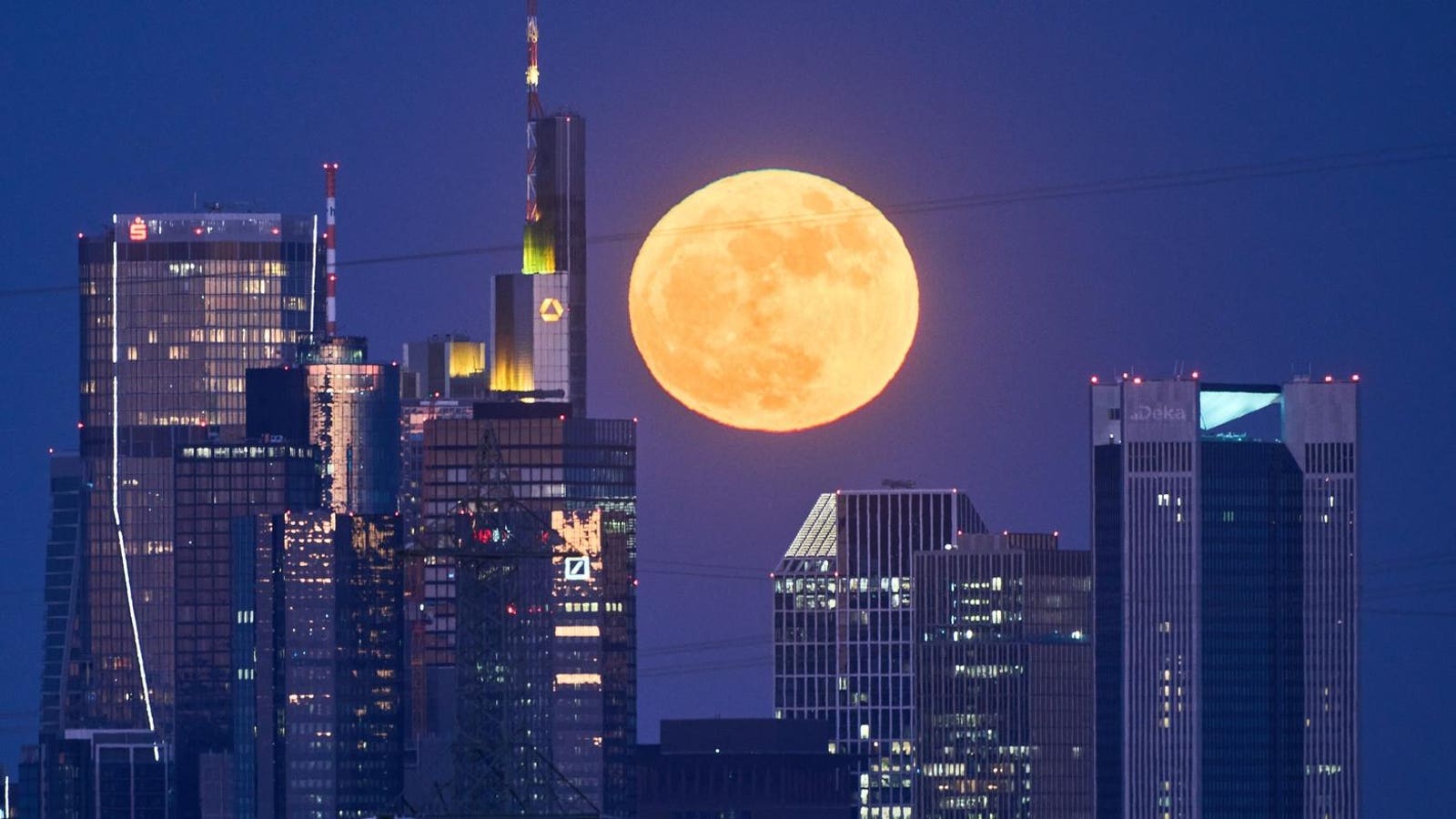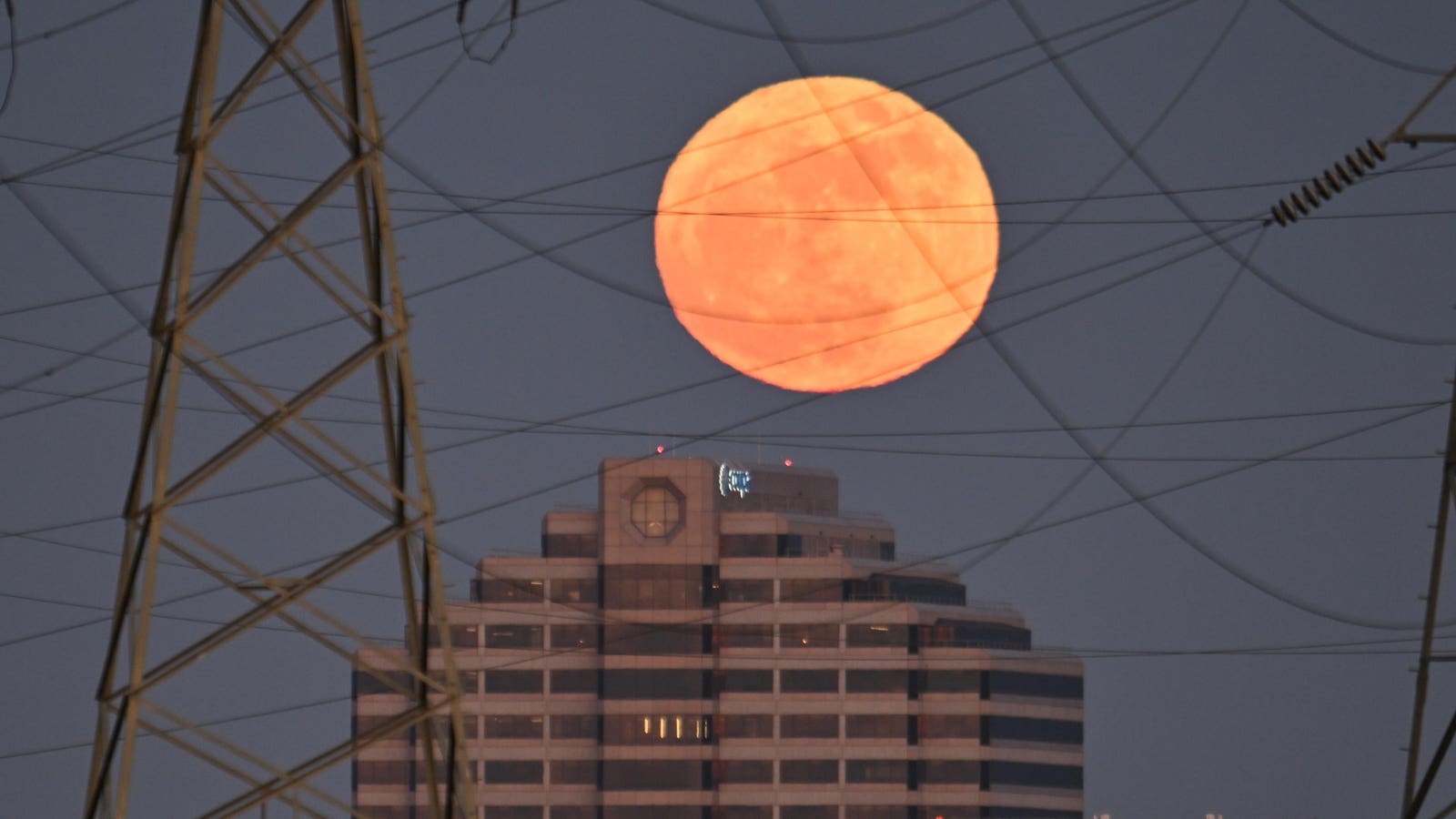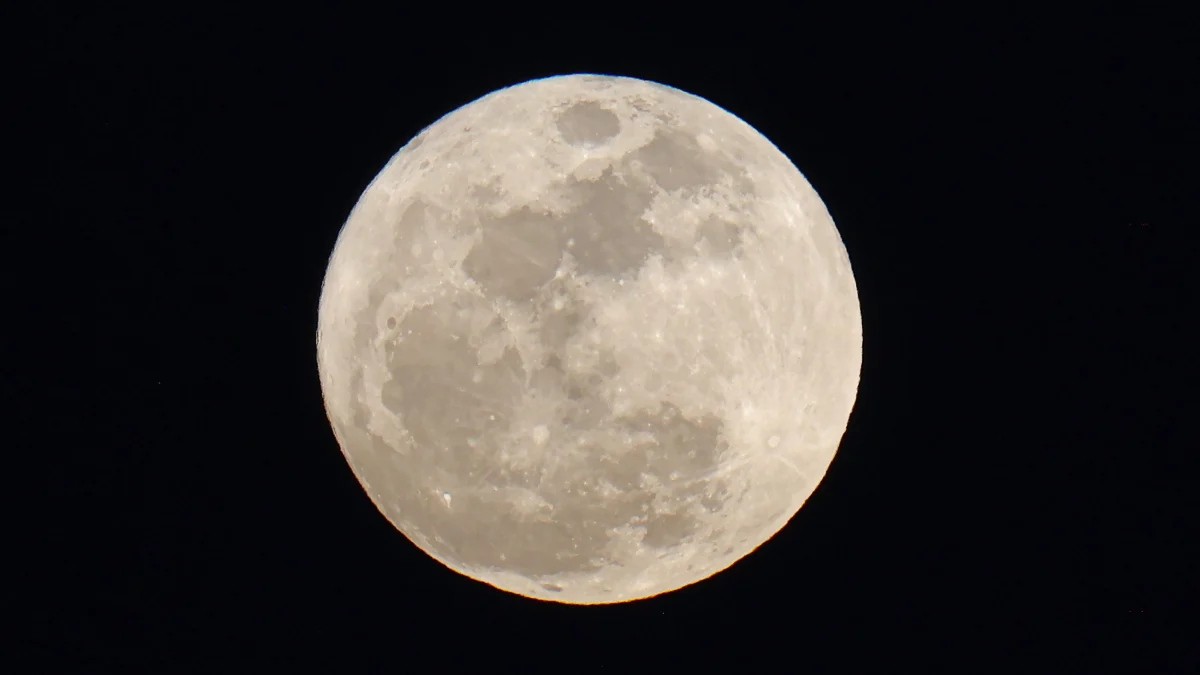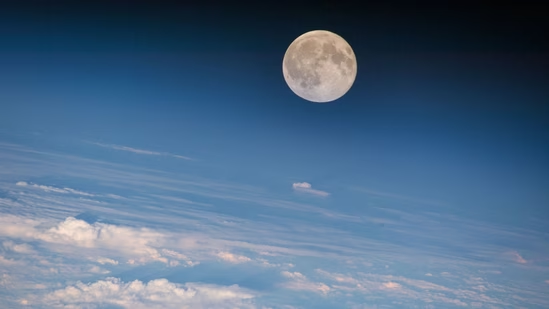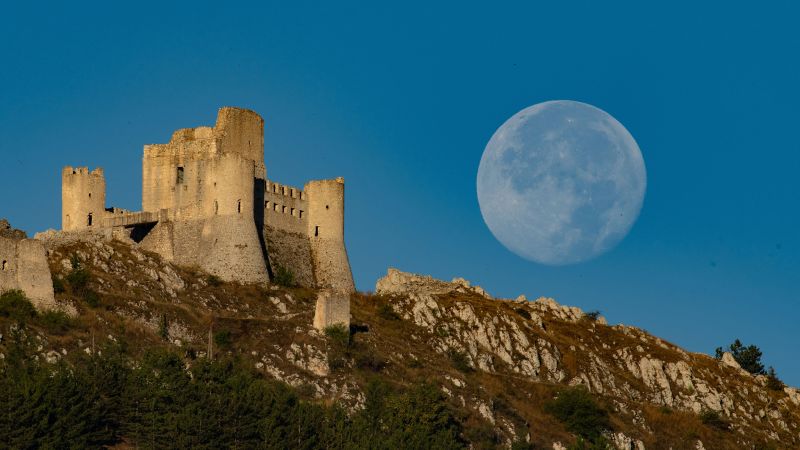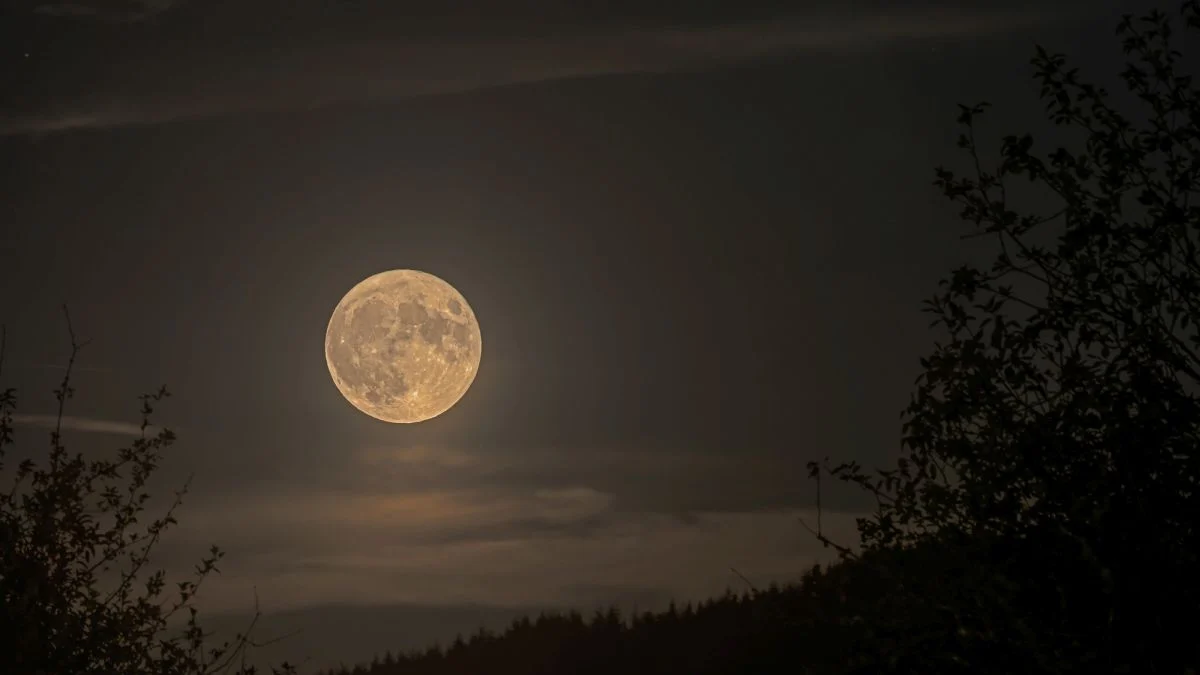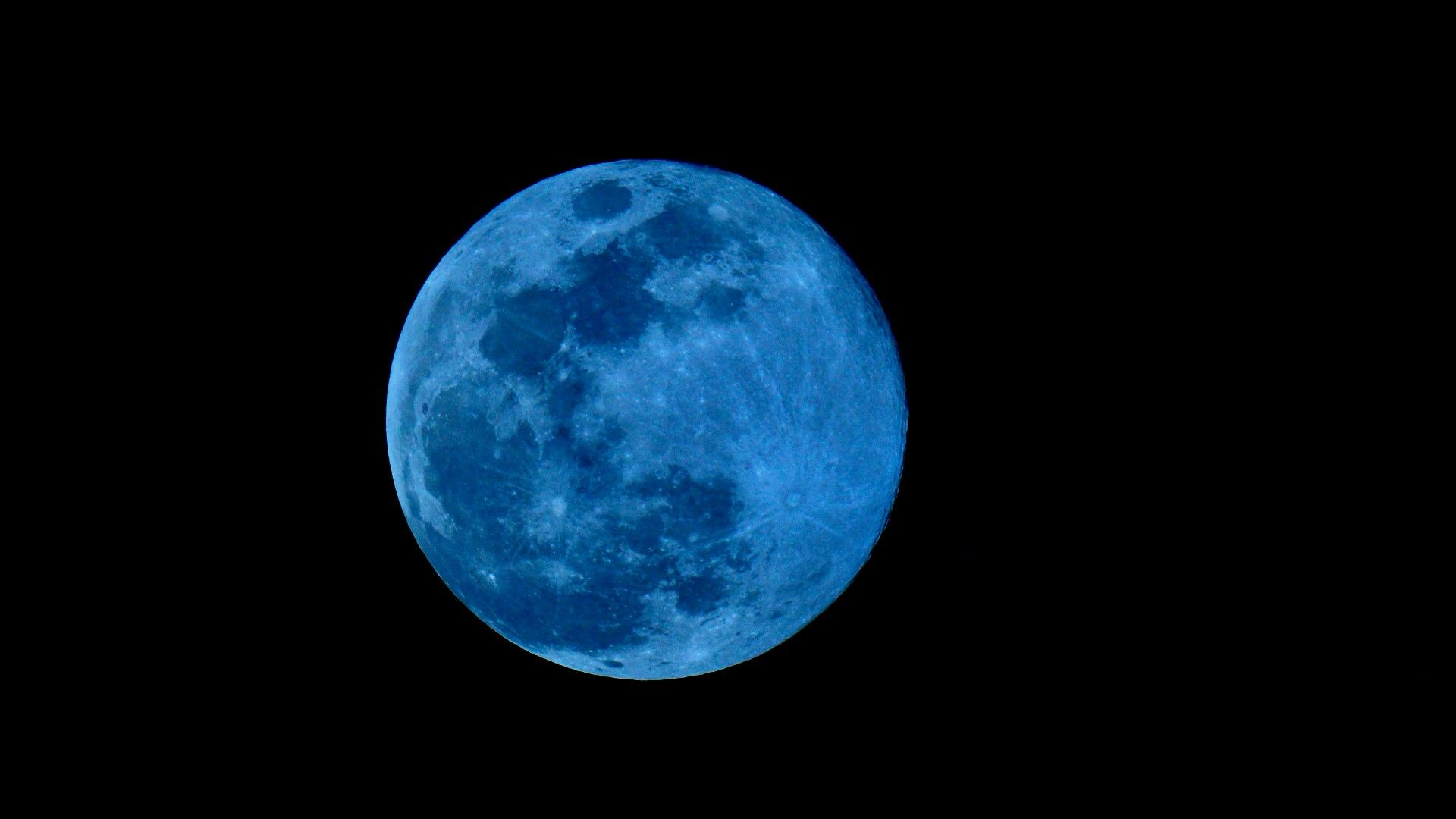
A filtered image of a full moon.
(Image credit: mauinow1i/Stock/Getty Images Plus)
On May 31, the lunar month culminates in a Blue Moon — in this case, the second full moon in a calendar month.The "Blue Moon" moniker adds a touch of drama to this full moon, calling to mind the emotive associations from popular culture over the last century. There's the 1934 song that has been performed and recorded for nearly 100 years (in addition to scores of other songs that refer to a Blue Moon), there are at least a half dozen films that bear the name, and there's even a beer - one that's turning blue this month in honor of the Blue Moon. The common idiom "once in a Blue Moon" has become such a part of American culture that tweezing out its roots is complicated.But what is it about the idea of a Blue Moon that makes it such a captivating image and idea? Essentially, it all boils down to this: "The moon is kind of an old friend," Kevin Schindler, historian at Lowell Observatory in Arizona, told Space.com. "Whatever culture you're in, the moon is part of it: origin stories, mythology, and such. The fact that our species has walked there, and then just weeks ago we went back after more than half a century, orbiting it, it's mysterious and embedded in who we are."Schindler highlights that we give it an affectionate nickname whenever the full moon revisits our skies: Harvest, Strawberry, Cold. The use of "Blue" does something technical, too: it tells us our year got a lunar bonus.That's because the sun and moon operate on different schedules, and they don't neatly overlap. There are 29.5 days from one full moon to the next, and the sun takes 365 days to complete one cycle along its path, called the ecliptic, across Earth's sky. This leads to messy math that humans have been resolving for millennia, with solar and lunar calendars.