Skip to Content Subscribe Our Offers My Account Manage My Subscriptions FAQ Newsletters Canada Canadian True Crime Canadian Politics Health World Israel & Middle East Financial Post NP Comment Longreads Puzzmo Diversions Comics NP News Quiz New York Times Crossword Horoscopes Life Eating & Drinking Style Sponsored Play for Ontario Travel Travel Canada Travel USA Travel International Cruises Travel Essentials Culture Books Celebrity Movies Music Theatre Television Business Essentials Advice Lives Told Tails Told Shopping Buy Canadian Home Living Outdoor Living Tech Style & Beauty Kitchen & Dining Personal Care Entertainment & Hobbies Gift Guide Travel Guide Deals Savings National Post Store More Sports Hockey Baseball Basketball Football Soccer Golf Tennis Driving Vehicle Research Reviews News Gear Guide Obituaries Place an Obituary Place an In Memoriam Classifieds Place an Ad Celebrations Working Business Ads Archives Healthing Epaper Manage Print Subscription Profile Settings My Subscriptions Saved Articles My Offers Newsletters Customer Service FAQ Newsletters Canada World Financial Post NP Comment Longreads Puzzmo Diversions Life Shopping Epaper Manage Print Subscription HomeNewsCanadaLenient': No jail for Tunisian national for 'cruel' violent domestic assaultThe judge acknowledged the sentence was unlikely to 'satisfy the victim, who likely continues to suffer some consequences of the crime' You can save this article by registering for free here. Or sign-in if you have an account.A Quebec court has given a Tunisian national to conditional discharge for a violent domestic assault. Photo by Diane Crocker /ContributedA Tunisian national living in Quebec has received a conditional discharge and three years’ probation for a violent domestic assault and subsequent harassment, in a sentence the judge admitted was “lenient” and unlikely to satisfy the victim.Enjoy the latest local, national and international news.Exclusive articles by Conrad Black, Barbara Kay and others. Plus, special edition NP Platformed and First Reading newsletters and virtual events.Unlimited online access to National Post.National Post ePaper, an electronic replica of the print edition to view on any device, share and comment on.Daily puzzles including the New York Times Crossword.Support local journalism.Enjoy the latest local, national and international news.Exclusive articles by Conrad Black, Barbara Kay and others. Plus, special edition NP Platformed and First Reading newsletters and virtual events.Unlimited online access to National Post.National Post ePaper, an electronic replica of the print edition to view on any device, share and comment on.Daily puzzles including the New York Times Crossword.Support local journalism.Create an account or sign in to continue with your reading experience.Access articles from across Canada with one account.Share your thoughts and join the conversation in the comments.Enjoy additional articles per month.Get email updates from your favourite authors.Create an account or sign in to continue with your reading experience.Access articles from across Canada with one accountShare your thoughts and join the conversation in the commentsEnjoy additional articles per monthGet email updates from your favourite authorsSign In or Create an AccountorMohamed Aziz Ben Ishak, who had arrived in Canada a year earlier as a temporary resident, attacked Fatma Abada because she had lit a cigarette before nightfall during Ramadan on April 30, 2021.Get a dash of perspective along with the trending news of the day in a very readable format.By signing up you consent to receive the above newsletter from Postmedia Network Inc.A welcome email is on its way. If you don't see it, please check your junk folder.The next issue of NP Posted will soon be in your inbox.We encountered an issue signing you up. Please try againHe then dragged her by the hair into the apartment’s entryway. She broke free but he attacked her again, striking her in the head. When police arrived, she refused to give a statement and said she did not wish to press charges. The police left but came back after subsequent calls from Abada and her friend, and arrested Ishak.He was released the following day, under orders not to communicate with Abada and her friend, be in their presence or go to their places of work or study. But Ishak breached those conditions, eventually meeting Abada in a park and going to her workplace, contacting her by phone, and sending her text messages. He was arrested again.Court of Quebec Justice David Simon said the “assaults committed by the offender are neither trivial nor minimal, far from it. They demonstrate a high degree of violence, manifesting itself repeatedly in various forms: multiple kicks to the body, including to the ribs; snatching the telephone from the victim’s hands; punches to the head; and hair-pulling to drag the victim.”Further, he wrote: “Several blows were inflicted to the head, a particularly vulnerable part of the body. The use of a cigarette to burn the victim’s forearm constitutes a cruel act: more deliberate than the blows, and insidious, it aims to inflict acute pain and leave a lasting mark on the victim.”He dismissed Ishak’s attributing some of the responsibility for his actions to irritability linked to Ramadan fasting.Simon reviewed a range of what he described as mitigating circumstances: Ishak, 28, pleaded guilty to all charges and had no prior criminal record. He expressed “sincere and profound” remorse and he was only 23 years old at the time of the offences. Simon also cited a spotless academic record, stable employment, strong career ambitions, an absence of substance abuse and connections to criminal elements, and the constant support of his mother.Given Ishak’s status as a temporary resident, Simon reviewed the impact of a criminal sentence on his immigration process, including a plan to apply for permanent residency. Simon said that Ishak had made significant efforts at integrating in Canada and had not breached his work permit conditions.“Granting a conditional discharge to a young first-time offender who certainly committed serious offences with significant consequences for the victim, but has since proven himself, rehabilitated himself, and has become an asset to society, reflecting with remorse on his past behaviour, and whose offences are isolated (by COVID-19) throughout their history, would not be contrary to the public interest.”A conviction, wrote Simon, would risk uprooting Ishak from Canada, his family and emotional support network, sending him back to Tunisia where he no longer has real ties.Simon, instead, shifted his focus to domestic abuse case law in Quebec, in particular, cases where a conditional discharge was a possibility.“The province’s highest court recently granted or confirmed conditional discharges in cases of significant physical violence against an intimate partner … not limited to a single incident and offenders facing indirect immigration consequences.”The judge noted that the Crown argued incarceration was not appropriate given the minimal risk of reoffending and the parole service concluding that the offender is a suitable candidate for community supervision.Instead, he decided that “a conditional discharge is the most appropriate measure in the particular circumstances of this case. Although this measure is lenient and, admittedly, in the margins of applicable sentences, it remains justified in light of the principles of individualization, moderation, and harmonization of sentences, as well as the balancing of all relevant sentencing objectives.”A conditional discharge leaves no criminal record, but the offender must follow specific conditions set out by the judge.Among Ishak’s conditions were not to communicate with the victim, not be in her presence or refer to her on social media, and not to be within 500 metres of her home. He also has to report to a probation officer and notify the officer of any changes to his address, name and employment. Finally, Ishak was ordered to complete 240 hours of community service within 18 months.He acknowledged that the sentence was unlikely to “satisfy the victim, who likely continues to suffer some consequences of the crime. I am aware of this and can only sympathize, even in my leniency. I dare to hope that the conclusion of this legal process, at least at the first instance, will allow the victim to turn the page, although it is probably impossible to completely erase the scars of this experience. I wish to commend her courage and determination.”He said that when assessing the public interest, sensitivity to a reasonable person’s reaction “cannot lead a judge to refuse a sentence if it is adequate.”Our website is the place for the latest breaking news, exclusive scoops, longreads and provocative commentary. Please bookmark nationalpost.com and sign up for our daily newsletter, Posted, here. Join the Conversation This website uses cookies to personalize your content (including ads), and allows us to analyze our traffic. Read more about cookies here. By continuing to use our site, you agree to our Terms of Use and Privacy Policy.
Lenient': No jail for Tunisian national for 'cruel' violent domestic assault
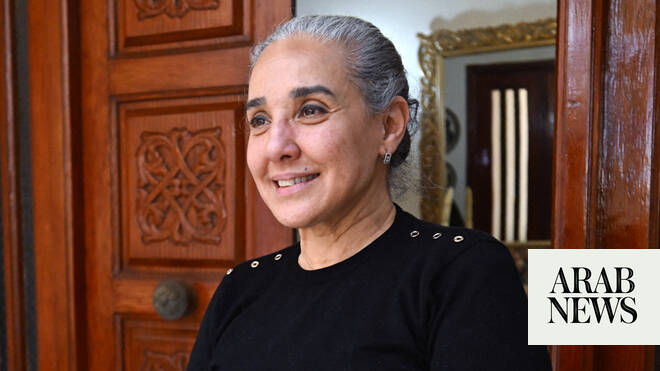
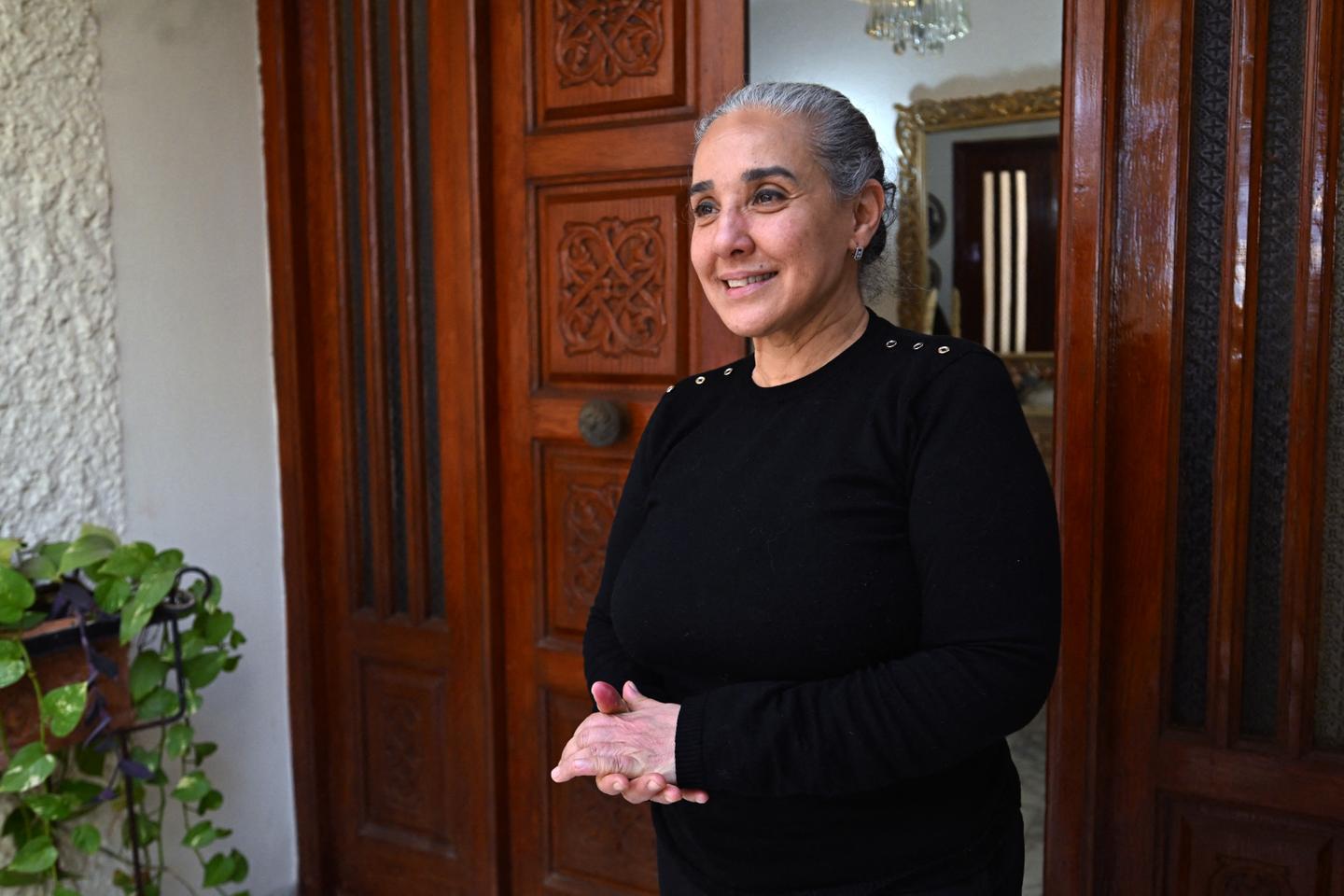
Ben Ishak was upset Fatima Abada had lit a cigarette before nightfall during Ramadan and kicked her in the ribs.
1,407 words~6 min read