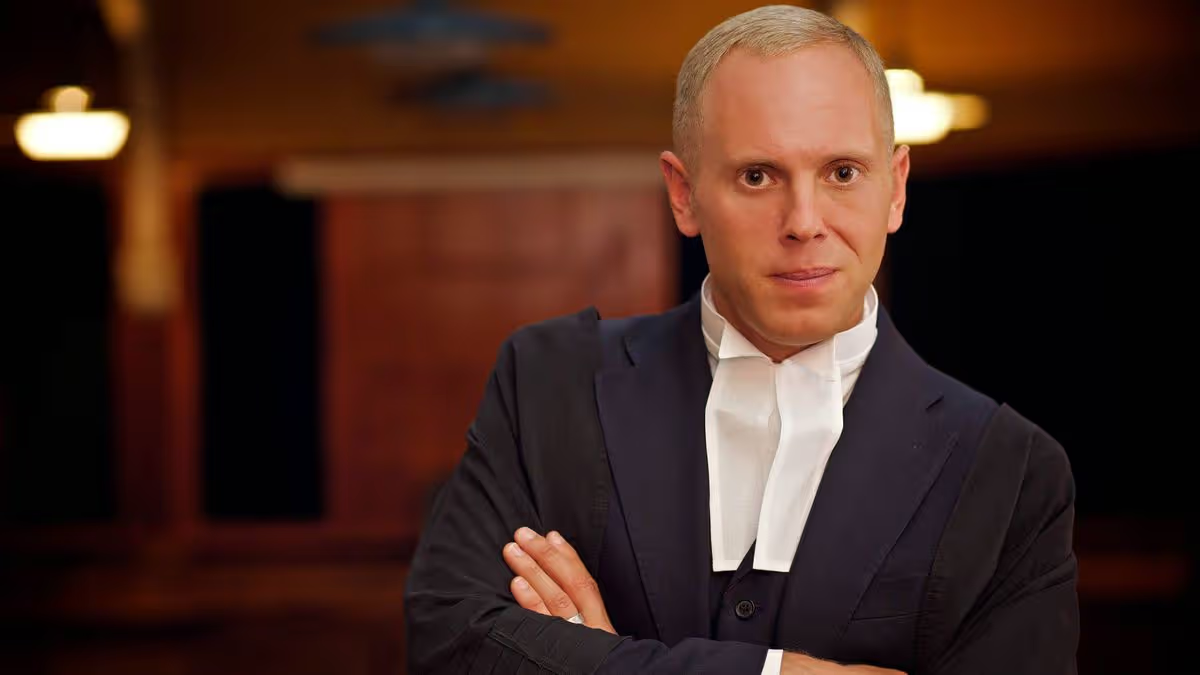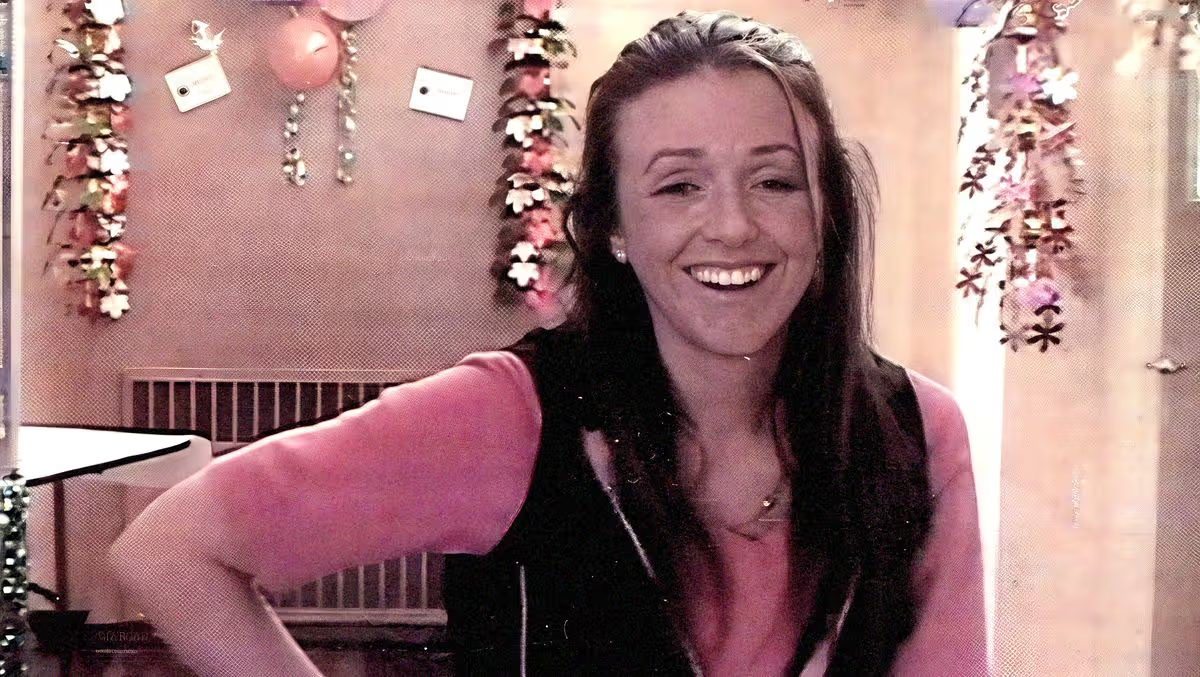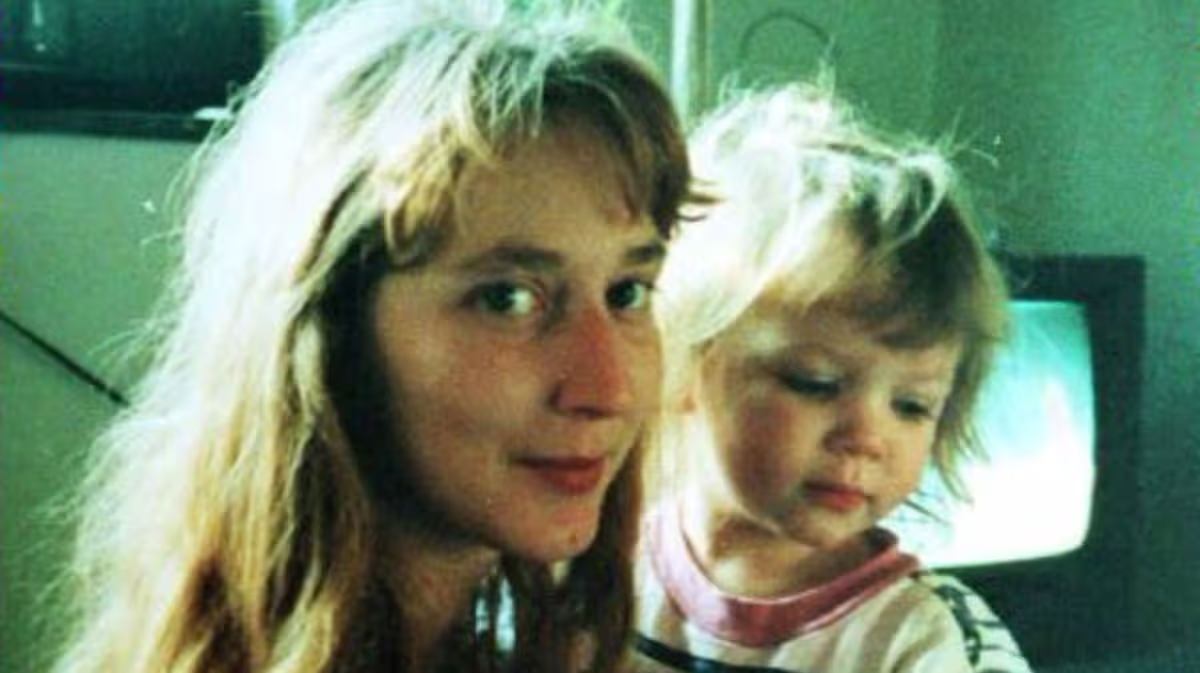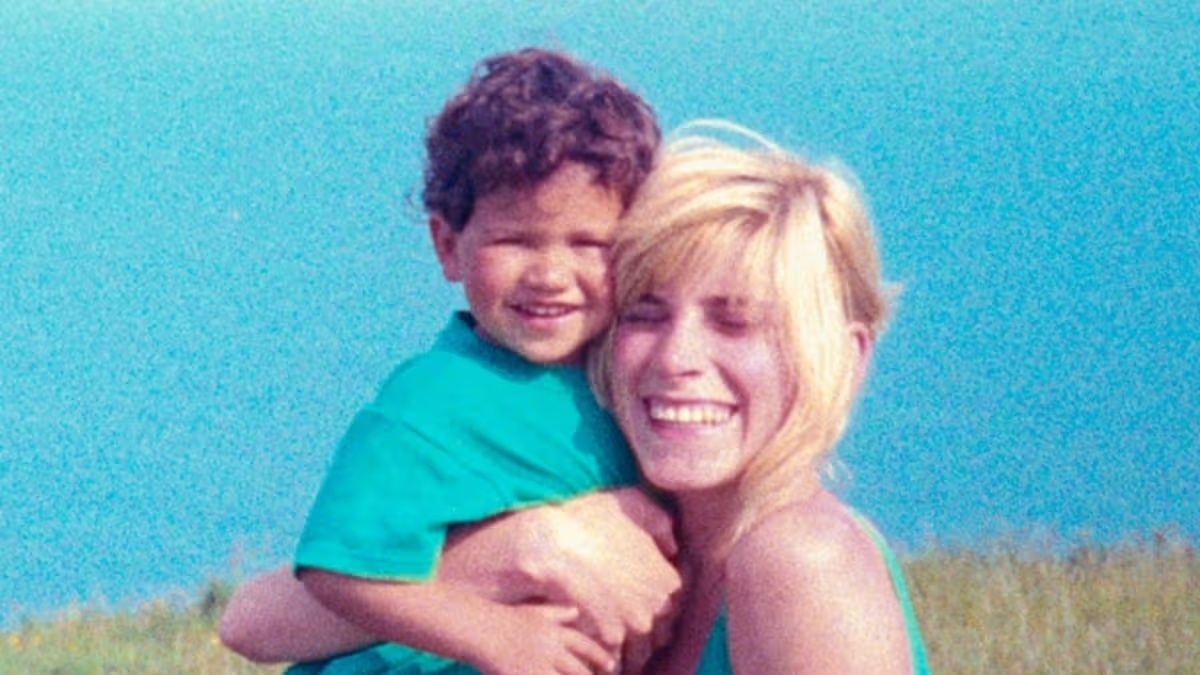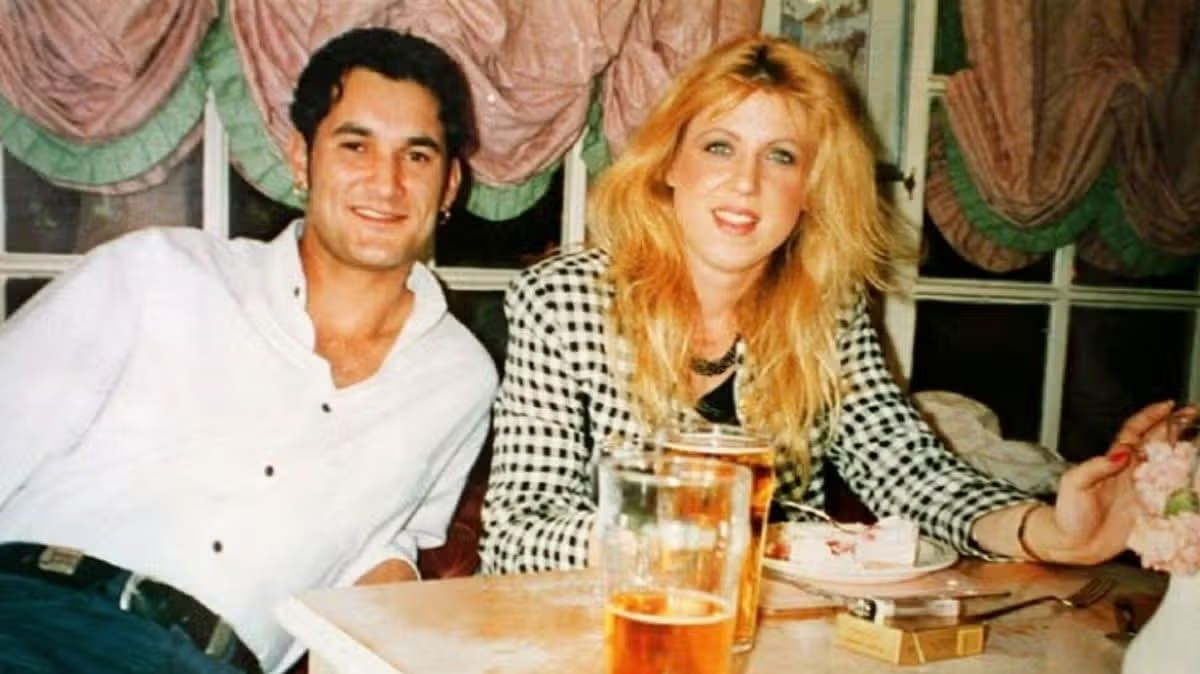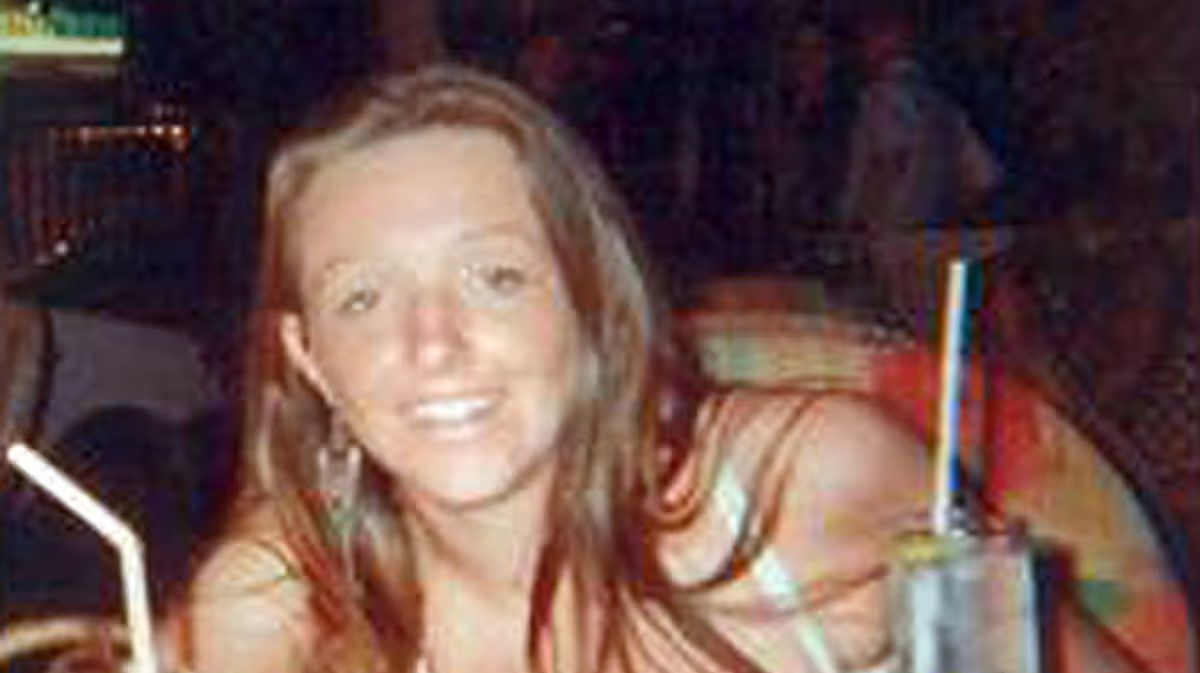
Former defence barrister turned TV personality Rob Rinder tells the Mirror about the one crime he'll never forget, 20 years on...Katie Begley12:44, 30 May 2026Rob Rinder ‘emotional’ as he revisits case in Crime+Investigation UK show When Rob Rinder successfully defended a man accused of murder, he sighed with relief as they both walked triumphantly from court. It’s also a moment that’s haunted him for 20 years. Not because he believes he got it wrong, or the legal system failed, but because the victim’s family are still without justice.Understandably anxious, as he prepared to face them for the first time in two decades, in a new documentary, Rob Rinder: The Crime I Can’t Forget, he meets relatives of Lucy Hargreaves, a 22-year-old mum from Liverpool, who was gunned down in her home and set on fire in a brutal attack.Rob, 47, a defence barrister at the time, was hired to represent Kirk Bradley, one of two men charged with the crime. In an exclusive interview, he admits he was "apprehensive" ahead of his meeting Lucy's family, thinking he’d have to justify defending Bradley. He says: "I expected them, maybe, to be angry with me.”Leaving court that day - his client cleared of a murder charge - the man’s family was delighted. He says: “When we won the case, don't forget, rightly, as you can imagine, we left court and this is somebody who'd been correctly acquitted. So my client's family were rightly happy about that.“It was a celebration for him and for them. Imagine, you'd been released from prison after that long and you felt you were being wrongly convicted and your lawyers had helped you secure your freedom. It was a celebratory moment for us.” But Rob’s victory meant that Lucy’s devastated family were left without answers, or justice, and still without the woman they loved.Lucy had been sleeping on her sofa at home in Walton, Liverpool, on 3 August, 2005, when three men burst in, shot her at close range, doused the duvet she’d been under in petrol and set it alight.Police believed the gang had mistaken her for her boyfriend Gary Campbell, who was upstairs sleeping. He fled through a window with their two-year-old daughter and then tried in vain to save Lucy.The heinous crime shocked the nation. Gang members Tony Downes and Kirk Bradley were charged with her murder. The prosecution case relied on mobile phone data that appeared to put them at the scene of the crime.However, Rob’s team successfully proved the evidence was unreliable. The trial was eventually stopped when the judge decided there was insufficient evidence on which a jury could properly convict.The profile of the case, which has links to Liverpool’s criminal underbelly, means Lucy’s relatives keep their identity hidden in the documentary, for fear of reprisals. Recalling the day of his court victory, Rob’s thoughts turn to Lucy’s loved ones.He says: “If you have any sense or empathy at all, you understand that must have been really difficult. Imagine how you would feel watching those lawyers walk out of court. Imagine the feelings that you might have towards them for the rest of your life, especially if you held the view that the wrong decision had been made. I was worried that I'd have to kind of explain the nature of my job and justify it.”Wiping away tears, after speaking to Lucy’s family, Rob was deeply moved by their reaction to him. A male relative told Rob: “I don't dislike barristers. I understand you're defending your client, and your client's entitled to a defence. Quite simply, it's your job, and history is plagued by people who are doing their job. Everyone is entitled to a defence. Getting angry at you won't help me.”Overwhelmed by the man’s absence of anger, Rob explains his tearful reaction, saying: “It wasn’t that those were tears of catharsis … that somehow I’d wronged somebody. It wasn't like I felt liberated, because now I had been personally forgiven. That's not, I emphasise in the most clear and deep terms, what was going on. It's much richer and deeper."Feeling profound respect for Lucy’s family, he continues: “These are people that totally understood that the legal system took its course. They understood that the right legal decision had been made, but there was a sense in which they themselves, despite not having justice, didn't feel anger, didn't feel rage.”Disarmed by their gracious response, he continues: “I use the words, ‘to touch the face of grace’. They were just devoted to trying to ensure two things, justice for their loved one, but above all else that she shouldn't be forgotten.“To be present in that much kindness and grace. To meet people who, for want of a better way of describing it, have that much light, touches you in ways that few people who haven't had that lived experience can. It was very moving.”Rob’s emotional reaction makes it clear that the documentary, which launches on Crime+Investigation next month, is about far more than revisiting an old murder case.It is about the emotional cost of carrying tragedy and what happens when professional duty collides with empathy for the victims of crime. Of the family’s measured response, he says it “says everything about who they are as people.”Lucy’s horrific murder remains one of Liverpool’s most haunting unsolved crimes. While Bradley and his co-accused, Downes, were acquitted of the murder - no one has yet been caught - many people believe they had a lucky escape.The pair, who described themselves as “blood brothers”, were well known gang members. They ran a criminal network and, after the trial, went on to cause carnage in the city.They are both now serving lengthy prison sentences for unrelated offences linked to high level organised crime, including shootings and a plot which saw a grenade left outside the home of former Liverpool manager Kenny Dalgleish.A third man, Kevin Parle, is believed to be one of the trio who carried out Lucy’s murder, but he’s been on the run ever since and remains one of the UK’s most wanted criminals. After revisiting Lucy’s case, Rob reflects on how criminal defence lawyers are often vilified for representing those accused of terrible crimes.Stressing the importance of everyone having a right to legal representation, he insists that Bradley’s questionable reputation was irrelevant to this murder case. He says: “Whether he's a bad boy known in the area, that's immaterial.“As a defence barrister, you approach a case dispassionately, clinically, because whether you've been accused of something in the past, whether you've got a reputation, is wholly irrelevant to whether you've committed the crime you’ve been accused of and defending against it. It doesn't matter what you've done in the past.“Imagine what society we'd live in if you didn't have to do the work of presenting evidence to a jury, so that they were sure. If instead, we lived in a community where you could convict on a hunch or say, ‘well so-and-so's got that reputation’. What would that look like? How would that feel? Who would decide what those reputations were? Would they be people with power, or would they be people without it?”For now, Rob hopes this documentary will finally make someone come forward and help Lucy’s family to get justice. He says: “I just hope, more than anything, that new information comes to light and someone somewhere decides to speak out. Even something small can matter. If anyone watching knows anything at all, I hope they follow their conscience and report it. Above everything else, I hope Lucy’s family get justice and, in time, some measure of peace.”Article continues below*Rob Rinder: The Crime I Can’t Forget is available to watch or stream from Monday 8 June on Crime+Investigation
Haunting mystery of mum, 22, shot and burnt to death as Rob Rinder issues appeal
Former defence barrister turned TV personality Rob Rinder tells the Mirror about the one crime he'll never forget, 20 years on...
1,285 words~6 min read