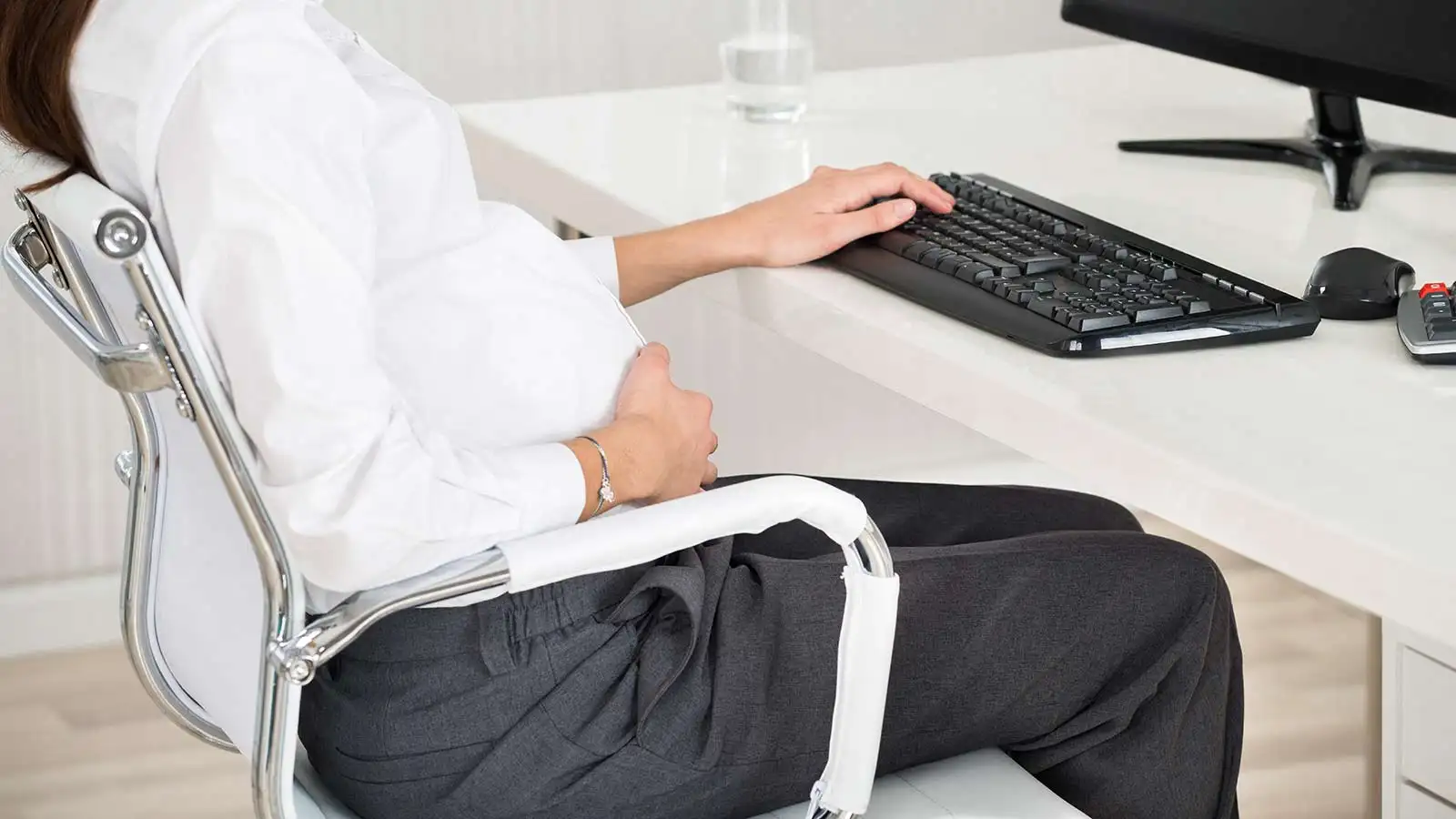
Moving more and sitting less could lower the risk of adverse pregnancy outcomes, according to a new study published in the Journal of the American Medical Association.
Adverse pregnancy outcomes refer to complications that may occur during pregnancy, labor, or delivery. Common examples include preterm birth, gestational diabetes, infants born small for their gestational age, and high blood pressure disorders. They affect about one in five pregnancies and are linked to long-term risks of cardiovascular disease, diabetes, and obesity for both mother and child.
While exercise is already known to reduce some of these risks, relatively little research has focused on the health effects of sedentary behavior and lighter daily activities. So, Bethany Barone Gibbs, an epidemiologist at West Virginia University, U.S., and colleagues decided to look at how sitting time and low-intensity movement during pregnancy relate to the risk of complications.
The team tracked 470 pregnant women across three US states (Iowa, Pennsylvania, and West Virginia) from early pregnancy through to delivery. Each volunteer wore an activity tracker on their thigh for 24 hours a day for one week during each trimester. The researchers also reviewed the participants' medical records after birth to confirm any complications.