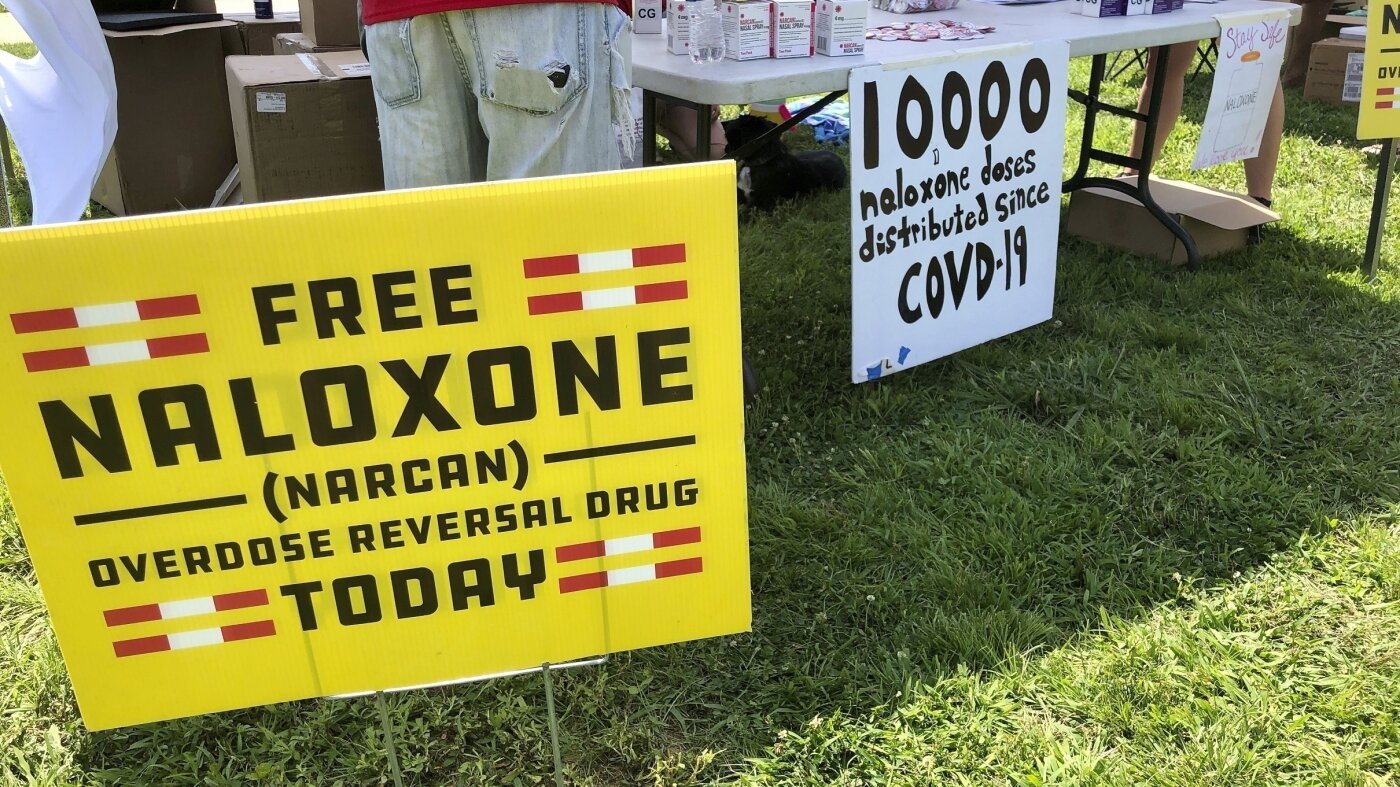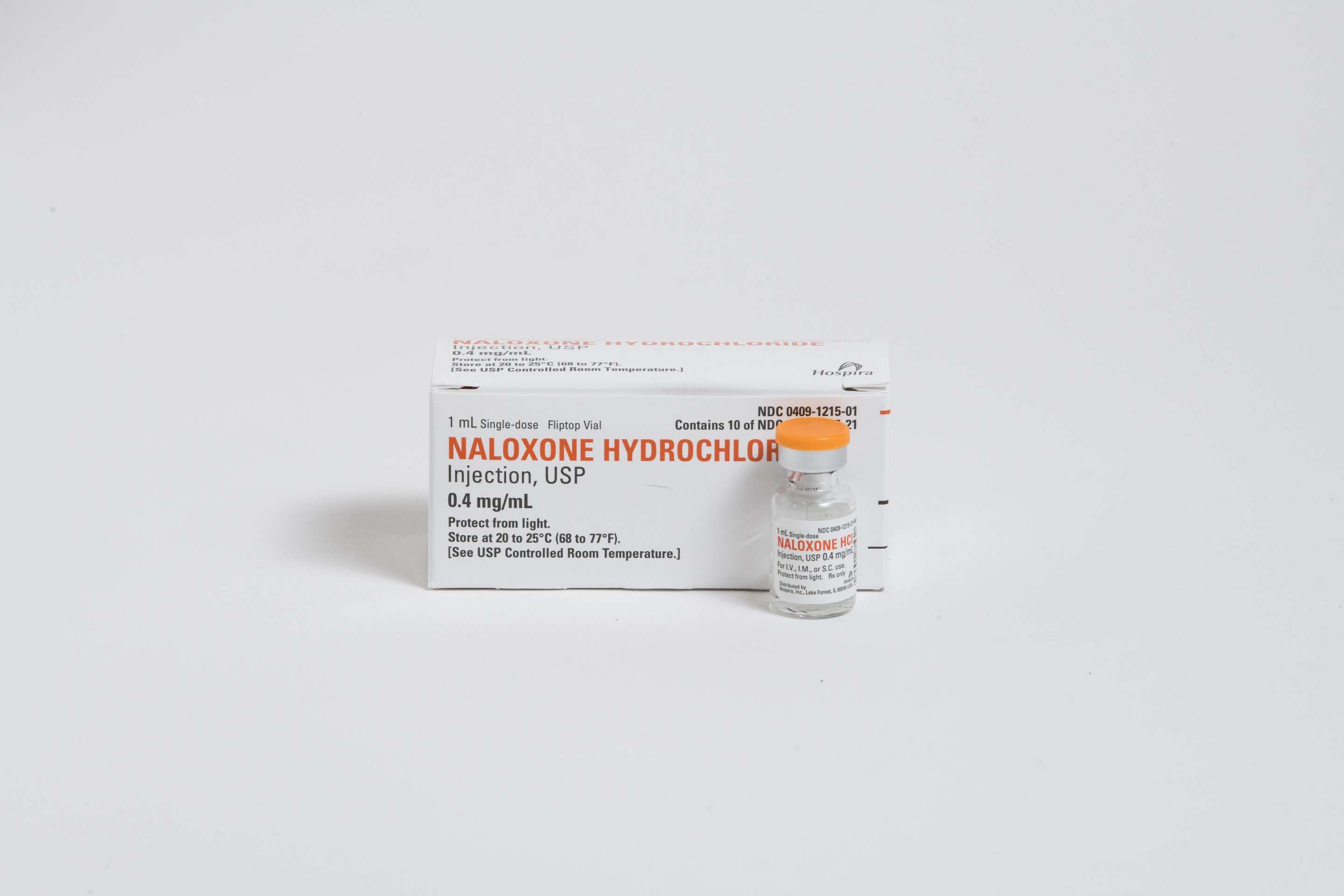
A new study by emergency medicine researchers at UC Davis Health set out to assess the effects of naloxone administration by first responders treating patients with out-of-hospital cardiac arrest (OA-OHCA). The study, published in JAMA Network Open, found naloxone administration during resuscitation by emergency medical service (EMS) personnel was associated with improved outcomes in patients with suspected OA-OHCA.
What the data shows
For this retrospective cohort study (looking back at existing patient records), researchers collected data from the California Resuscitation Outcomes Consortium between 2021 and 2022. In total, 3,811 patients with suspected OHCA were treated by EMS.
Researchers found that people who received naloxone, a medication better known for reversing opioid overdoses, had higher rates of survival from the time they were treated by EMS to the time they were discharged from the hospital. The patients also benefitted from return of spontaneous circulation (ROSC) and favorable neurological outcomes compared to those who did not receive the drug.
The key findings included: