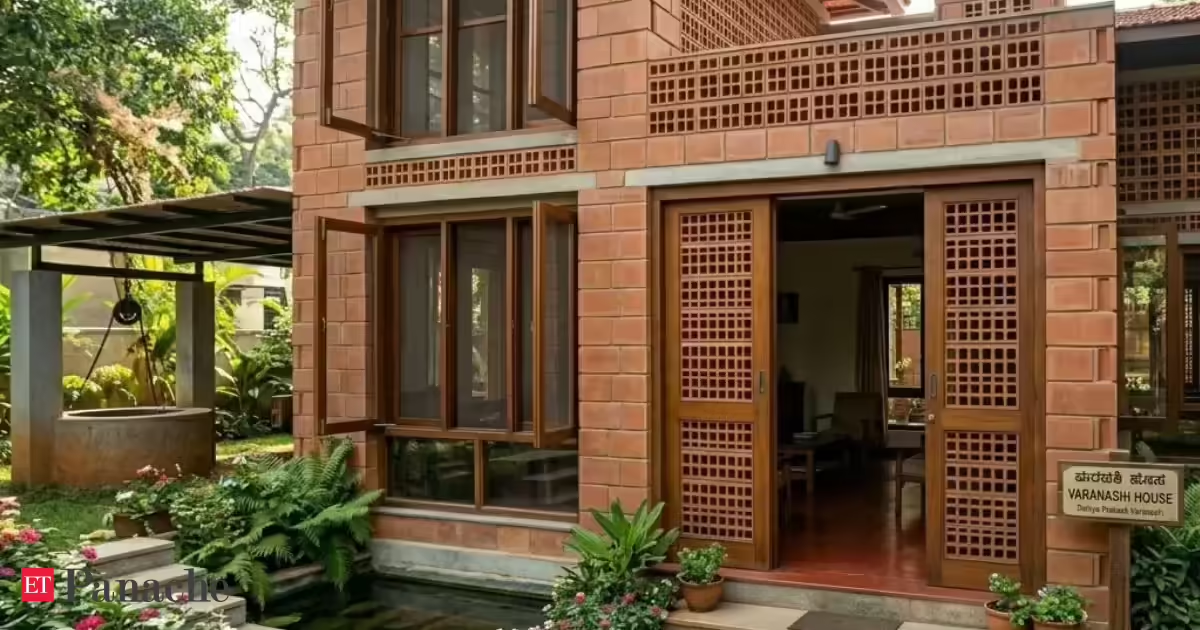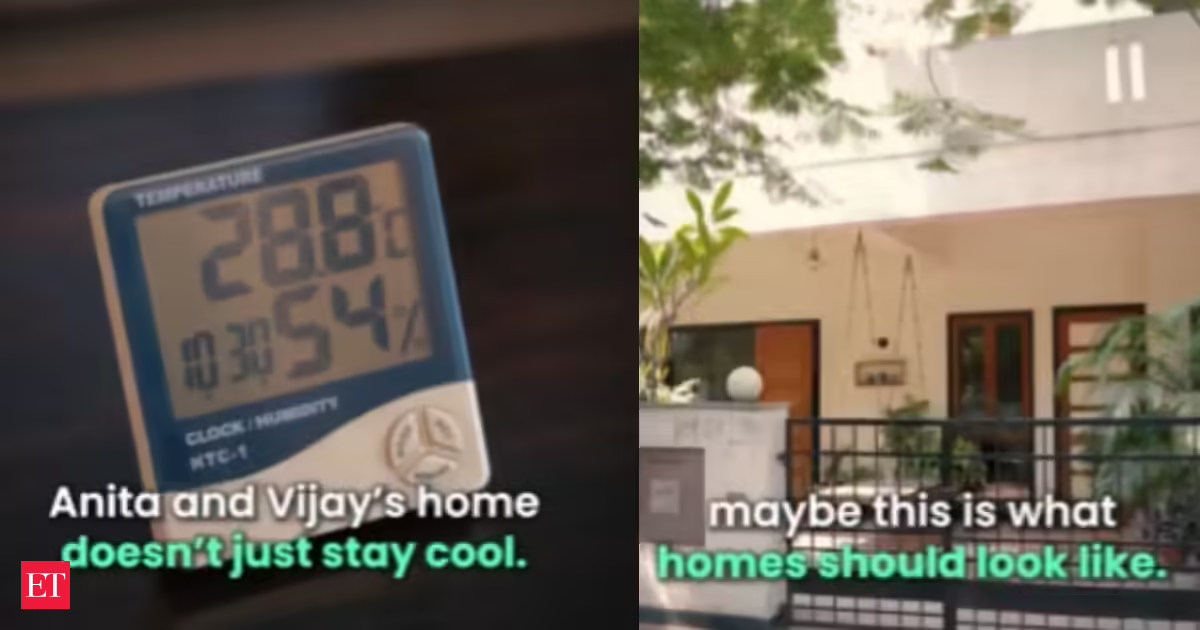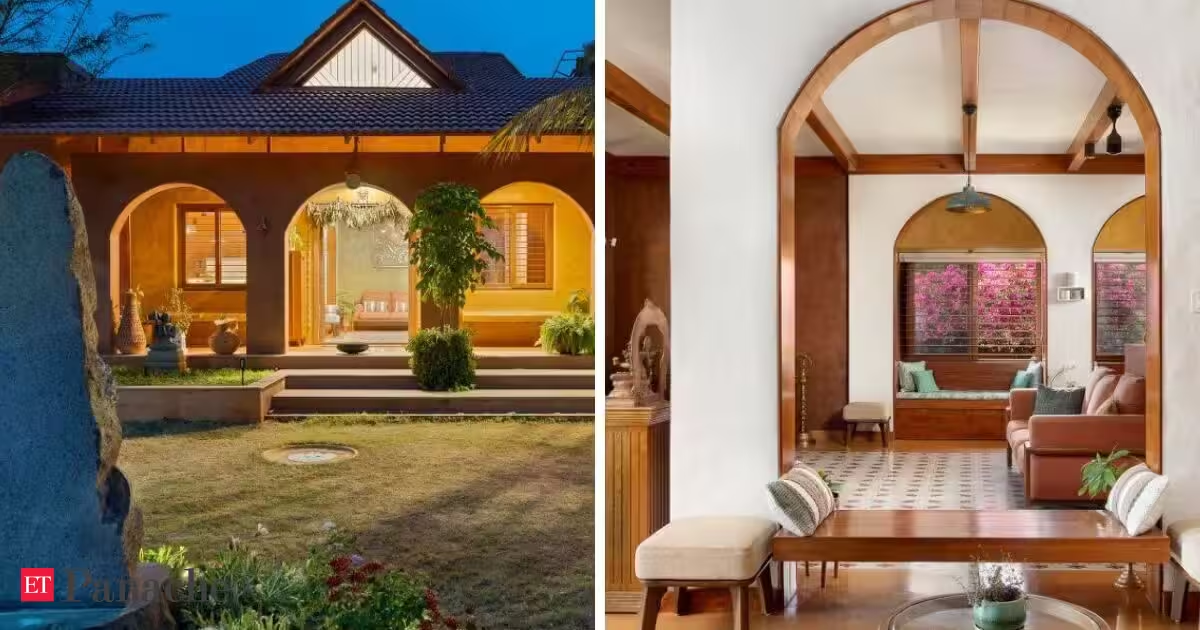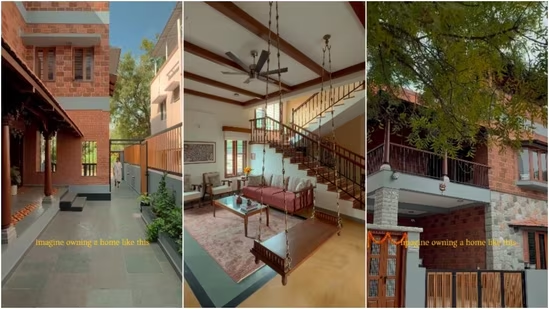
At a time when many homeowners are spending heavily on luxury finishes, air conditioning systems and elaborate interiors, one Bengaluru couple chose a completely different path. Instead of building a conventional concrete structure filled with decorative elements, they focused on sustainability, natural materials and practical design. The result is a home that not only blends beautifully with nature but also costs significantly less than traditional construction while staying remarkably cooler during hot weather. Their story is a compelling example of how thoughtful design can transform everyday living.For Satish and Dharitri Shastry, building a home was never just about creating a physical structure. The Bengaluru couple wanted a living space that reflected their values and allowed them to live more consciously.In an interview with The Better India, Satish Shastry, a UX and UI designer, explained that he wanted his home to embody authenticity and rawness rather than polished perfection. Dharitri's goal was to create a humble home that felt grounded and comfortable rather than extravagant. To bring this vision to life, the couple worked with architect Sathya, curator of Sathya Consultants, who designed a house deeply inspired by natural forms and sustainable principles. A video shared by Eco Films highlighted how every element of the home was carefully planned to balance functionality with aesthetics. Rather than relying on conventional straight lines and standard layouts, the design incorporates arch foundations and curved forms inspired by nature. These organic shapes create a sense of softness and flow throughout the structure.You Might Also Like: One of the most striking features of the home is its commitment to natural finishes. Approximately 95 per cent of the structure remains unpainted. In areas where paint was necessary, only zero-VOC paint was used. This decision significantly reduces the environmental impact of the building while preserving the natural beauty of the materials.Cheaper than traditional homesThe sustainable design choices also had a financial advantage. According to Eco Films, this conscious approach made the house around 45 per cent cheaper than a traditional concrete home. The project demonstrates that environmentally responsible construction does not necessarily require a larger budget. In fact, thoughtful material selection and design decisions can often reduce costs while improving performance.Several alternative building materials were used throughout the house. Athangudi tiles, hollow clay blocks and Kota stone contribute to both the aesthetic appeal and long-term durability of the structure. These materials are known for their ability to withstand varying weather conditions while maintaining their visual character over time. Perhaps the most impressive feature is the thermal performance of the house.The architects used stabilised mud blocks, which provide excellent insulation. According to Eco Films, these blocks help maintain indoor temperatures that are approximately 10 to 12 degrees cooler than outdoor conditions. In a city that frequently experiences warm weather, this temperature difference significantly improves comfort while reducing dependence on cooling systems. The home's design also carefully considers how people move through the space.PrivacyThe Better India reported that the architects incorporated what they call sequential privacy. This means that visitors entering the home do not immediately see private spaces such as the kitchen or bedrooms. Instead, the layout gradually reveals different areas, creating a more thoughtful and intimate experience.Self-sufficient houseSolar panels have been installed to generate renewable energy, while a rainwater harvesting system helps conserve water resources. Together, these features reduce dependence on external utilities and lower the home's environmental footprint. The terrace plays a particularly important role in the family's daily life.A thriving terrace garden produces a variety of fruits, vegetables and herbs. Papayas, mangoes, oranges and chillies are among the crops grown there. The produce regularly finds its way into the family's meals, creating a direct connection between their home and food consumption. The garden is nourished using compost generated within the household itself. Organic waste is processed through a home composting system, producing manure that supports plant growth and reduces waste simultaneously.Alongside the garden, the terrace also includes a dedicated workspace and yoga room. The Better India noted that this area features red oxide flooring, a material known for its cooling properties. Even during Bengaluru's hotter days, the space remains comfortable and pleasant to use.House : A ecosystemAccording to Eco Films, the house should not be viewed simply as a building. Instead, it functions as a living ecosystem where architecture, sustainability and daily life are deeply interconnected. The combination of solar power, rainwater harvesting, natural materials, food cultivation and climate-responsive design creates a home that supports both environmental responsibility and personal well-being.What Satish and Dharitri Shastry have built is more than a residence. It is a demonstration of how thoughtful architecture can reduce costs, improve comfort and strengthen the relationship between people and the natural world.
No concrete obsession, no fancy paint: Bengaluru couple's home is 45% cheaper and stays 10-12 degrees cooler. Here's how they did it
A Bengaluru couple chose sustainability and natural materials for their home. This approach resulted in a structure significantly cheaper than conventional concrete homes. The house stays remarkably cooler, reducing reliance on cooling systems. Features like solar panels and rainwater harvesting enhance self-sufficiency. Their home demonstrates that eco-friendly construction can be affordable and comfortable.
779 words~4 min read