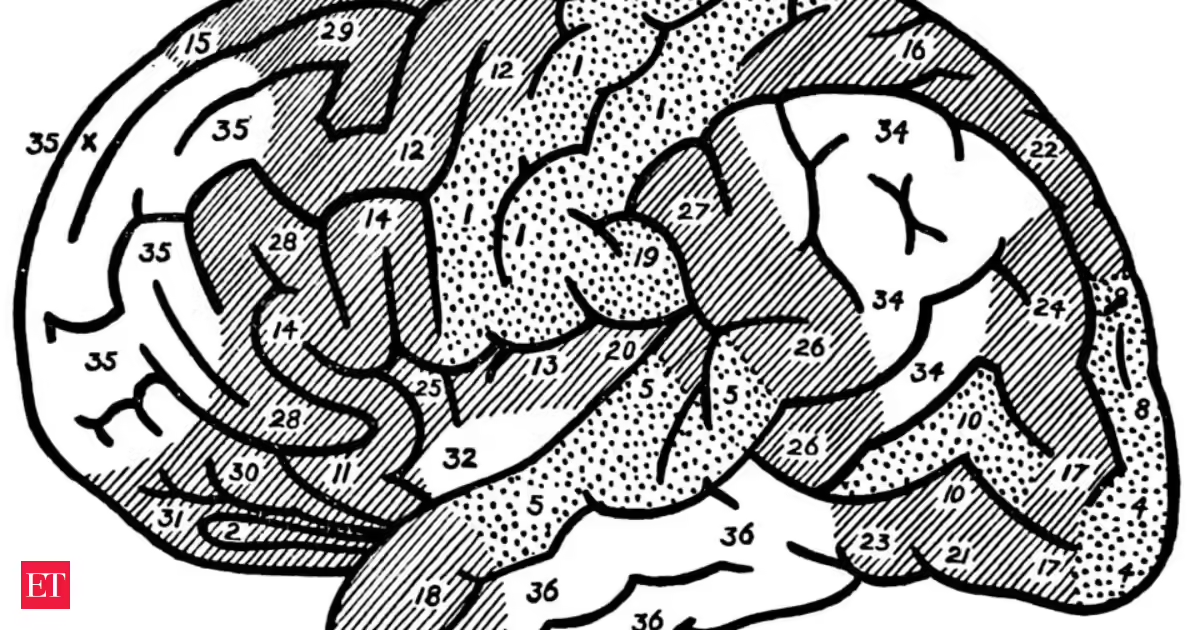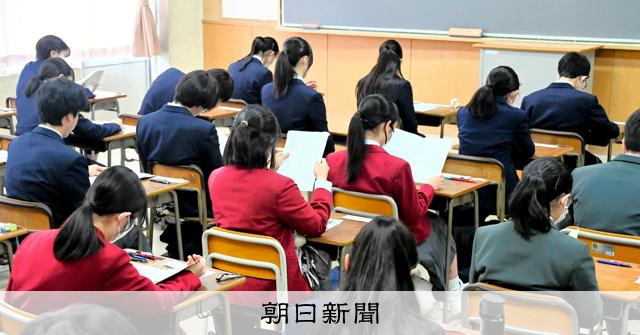
For many years, studies on memory have indicated greater retention when information is associated with visuals, location, motion, and retrieval processes rather than repetition, and these principles feature prominently in practices related to Japanese schools, Japanese workplace safety protocols, and mental training routines. Even though it may be impossible to completely prevent people from forgetting, some practices involve techniques that help the mind forge better pathways for future retrieval of information. Based on research compiled at the National Library of Medicine, techniques such as those that use spatial memory, active retrieval, and focused attention tend to outperform rereading and memorization. The point is that human beings are likely to recall information more easily when it is connected to something concrete rather than as a solitary piece of data.One of the most widespread myths about memory is that high recall ability is based mainly on repetition, since more and more scientists nowadays refer to memory as a problem of retrieval rather than storage. It is evident that the required information exists in memory, but the brain has difficulty finding its way back to it. The results of studies conducted by the National Institutes of Health and others indicate that using visual images, performing actions, navigating space, and repeating retrieval enhance recall because the person establishes multiple access routes to the required information, giving the brain different options for locating it.One of the most widespread myths about memory is that high recall ability is based mainly on repetition, since more and more scientists nowadays refer to memory as a problem of retrieval rather than storage | Image Credit: Wikimedia CommonsThe 7 Japanese-linked memory techniques researchers say can strengthen recall1. Create a memory palace (Method of Loci)Associate pieces of information with locations along a known path, such as your house, local environment, or commute. To access the information later, just walk through your chosen mental map and recall it in order. This technique is consistently ranked among the top three scientifically tested memory strategies.2. Think visually as an abacus expertMany advanced abacus users calculate mentally using an imaginary abacus. In general, this example shows the benefit of transforming information into mental pictures; images are much easier to recall than random numbers or words.3. Adopt the Japanese pointing and calling methodJapanese train operators usually point to and verbally acknowledge signals. According to scientists, pointing, speaking, and focusing contribute to error reduction since it becomes impossible to process information mechanically.4. Rely on retrieval rather than readingWhile self-testing is all about trying to recollect information without any cues, repeated readings do not do as well as testing yourself. Self-testing proves highly efficient in studies.5. Make real locations memory cuesOne way many experts suggest for enhancing memory is to associate data with familiar locations. Your brain finds it easy to remember any environment or location you find yourself in.6. Learn while movingBy doing certain things while learning, physical movements could become memory aids. For instance, you may take notes by hand, point at things as you learn, and move around while learning.7. Spread out your review timesWhile learning, you might need to revisit the material at times. This should not happen too close to when you last saw the information, but should progressively spread out over time.Some practices involve techniques that help the mind forge better pathways for future retrieval of information | Image Credit: PexelsWhat the science actually says about remembering moreIt can be argued that the best proof of the effectiveness of these strategies lies in a person's enhanced ability to retrieve knowledge rather than in expanding the volume of memory available to him or her. Scientists emphasize that there is no such thing as perfect recall; all methods differ in efficiency depending on the particular task, personal characteristics of the person using the strategy, and the number of training sessions required.
7 Japanese memory techniques people use to remember more, from train operators to mental-abacus experts
A groundbreaking study has unveiled powerful strategies for enhancing memory. Researchers emphasize the importance of spatial awareness, active recall, and concentrated focus, moving beyond mere rote learning. Innovative methods like the memory palace technique and the pointing-calling approach, popular in Japan, significantly boost recollection. These techniques pave clearer paths for accessing stored information by prioritizing retrieval processes.
637 words~3 min read