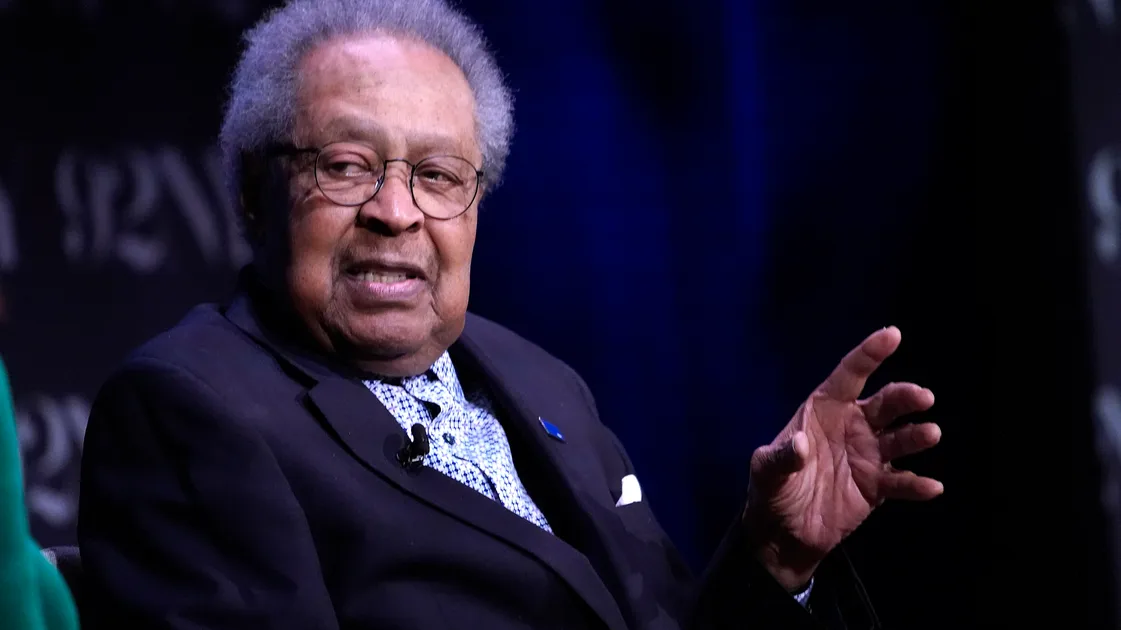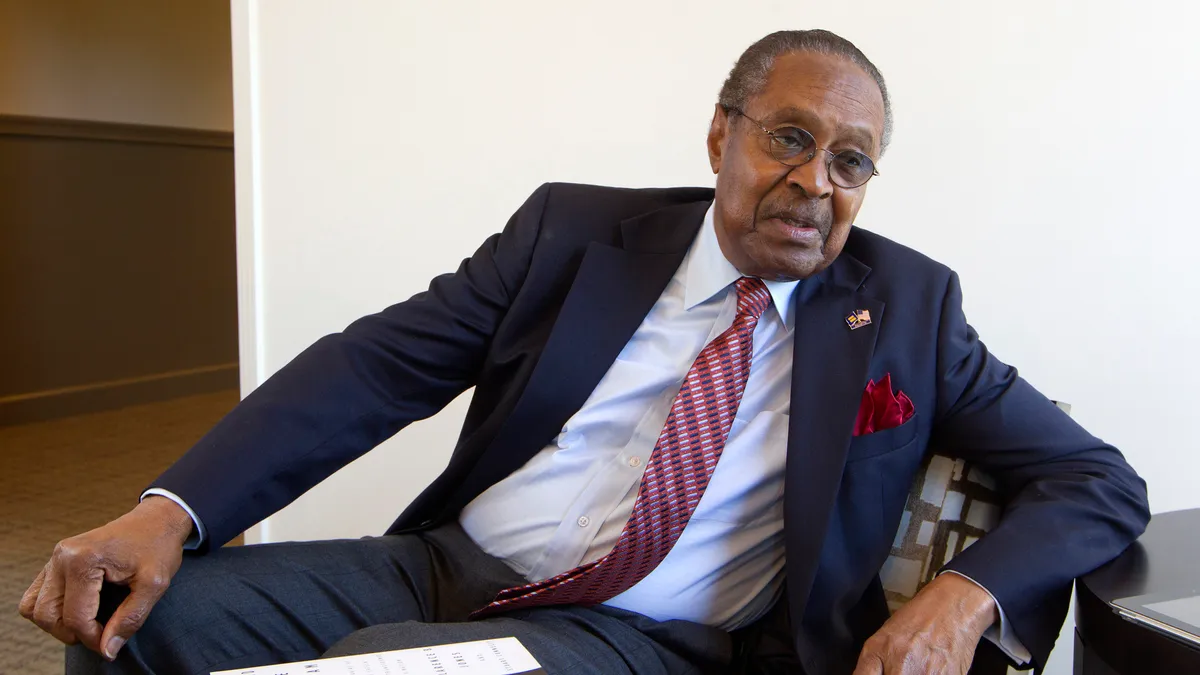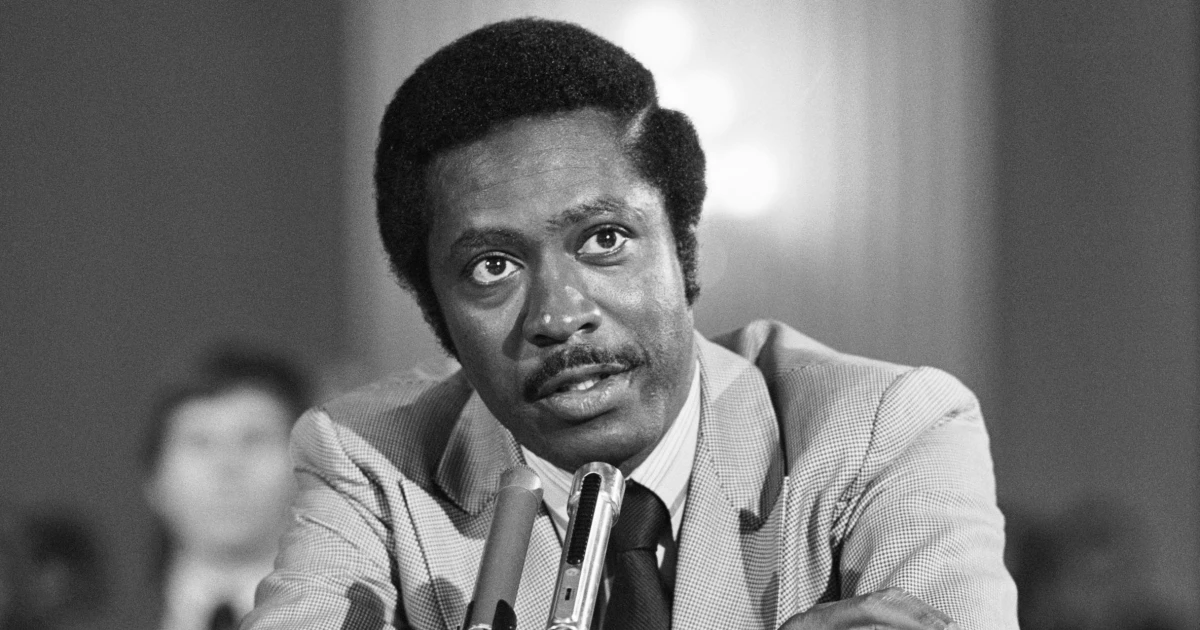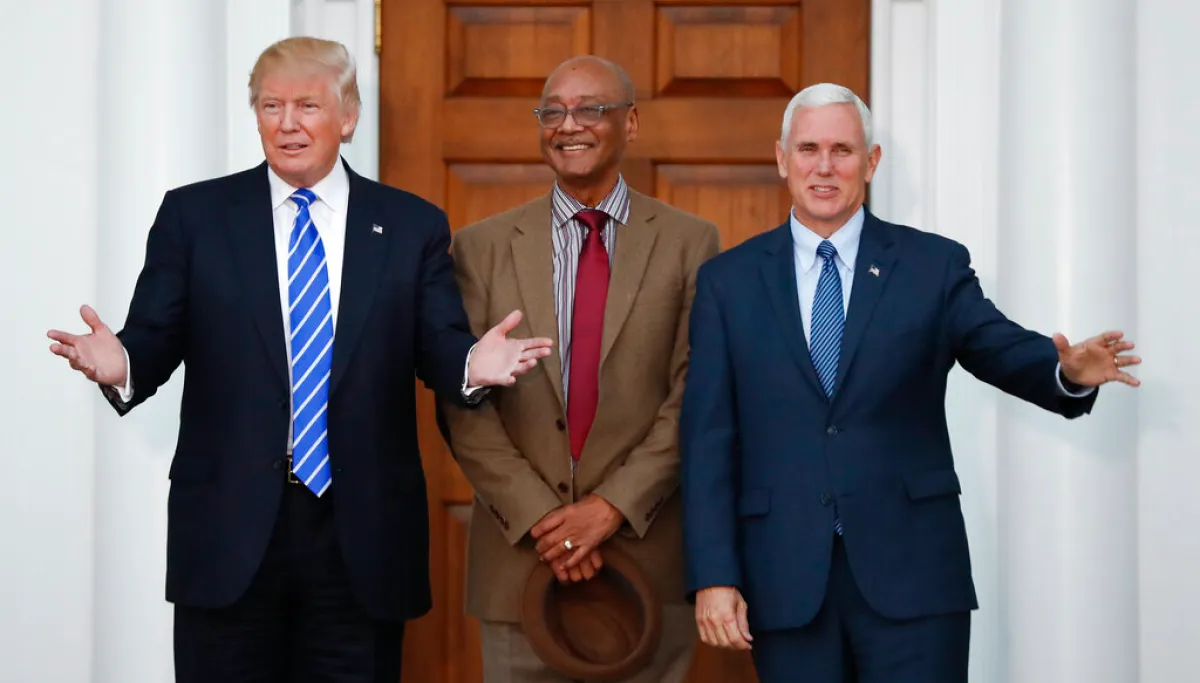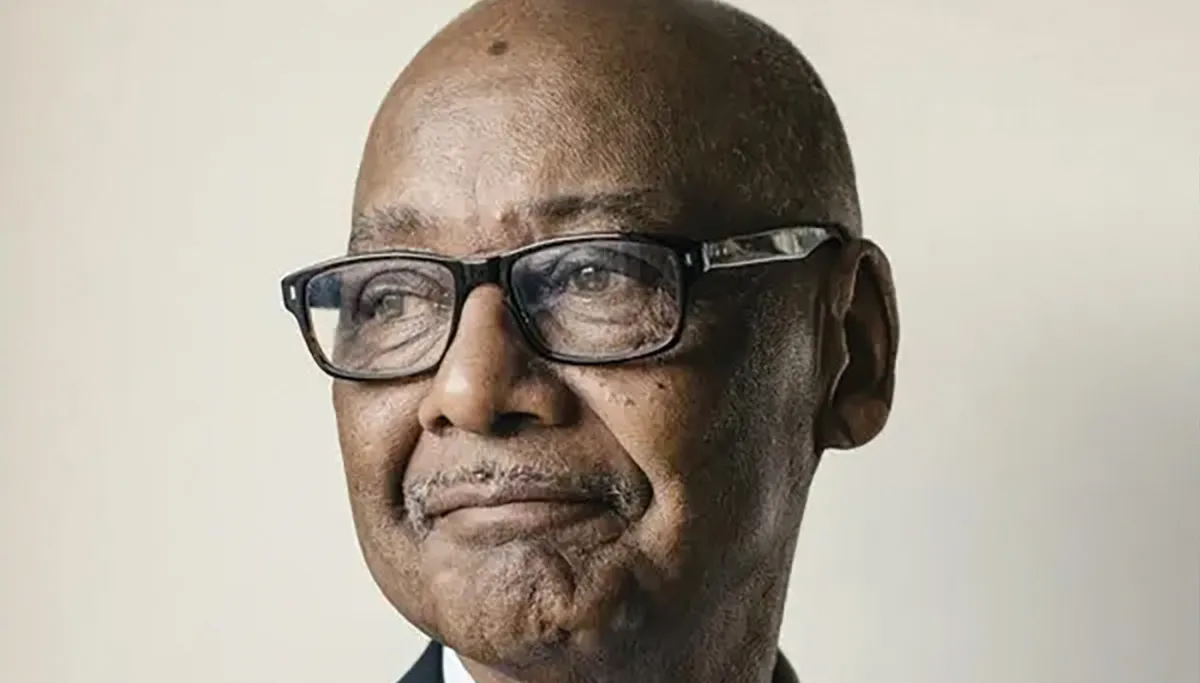
Only a select few Civil Rights leaders have challenged the dominant assumptions of their era with the persistence and results-oriented focus of Bob Woodson. While many contemporaries placed their faith in expanded government programs and racial preferences to address poverty and inequality, Woodson argued that the most powerful response to racism lay in the self-reliance, enterprise, and moral agency of the people living in the neighborhoods most affected by it. A modern-day echo of Booker T. Washington, he spent more than five decades building and supporting grassroots solutions that empowered low-income communities to lift themselves up.Robert Leon Woodson Sr. was born on April 8, 1937, in Philadelphia. His father died when he was young, leaving his mother to raise him and his siblings amid hardship. He dropped out of high school in the eleventh grade. At 17, Woodson joined the Air Force. It was there that he earned his GED and confronted racism head-on. Locked up over a weekend in Mississippi after raising civil rights concerns on base, he later reflected on the experience with characteristic clarity: “It’s not what people call you that is important. It’s what you respond to that determines who you are.”After his discharge, Woodson pursued higher education, earning a bachelor’s degree in mathematics from Cheyney University in 1962 and a master’s in social work from the University of Pennsylvania in 1965. He threw himself into community work, directing programs for the NAACP and later serving with the National Urban League, where he developed strategies to reduce crime not by expanding the reach of justice agencies but by strengthening the institutions already present in high-crime neighborhoods. He went on to become a research fellow at the American Enterprise Institute, where he studied neighborhood revitalization before growing impatient with theory detached from direct action.
Civil rights leader Robert Woodson, dead at 89
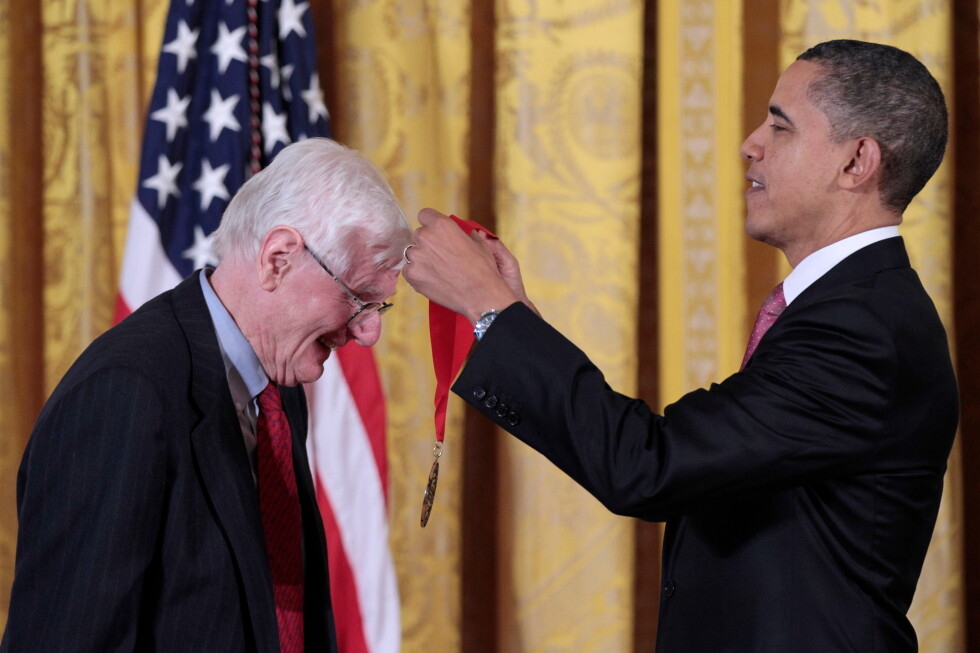
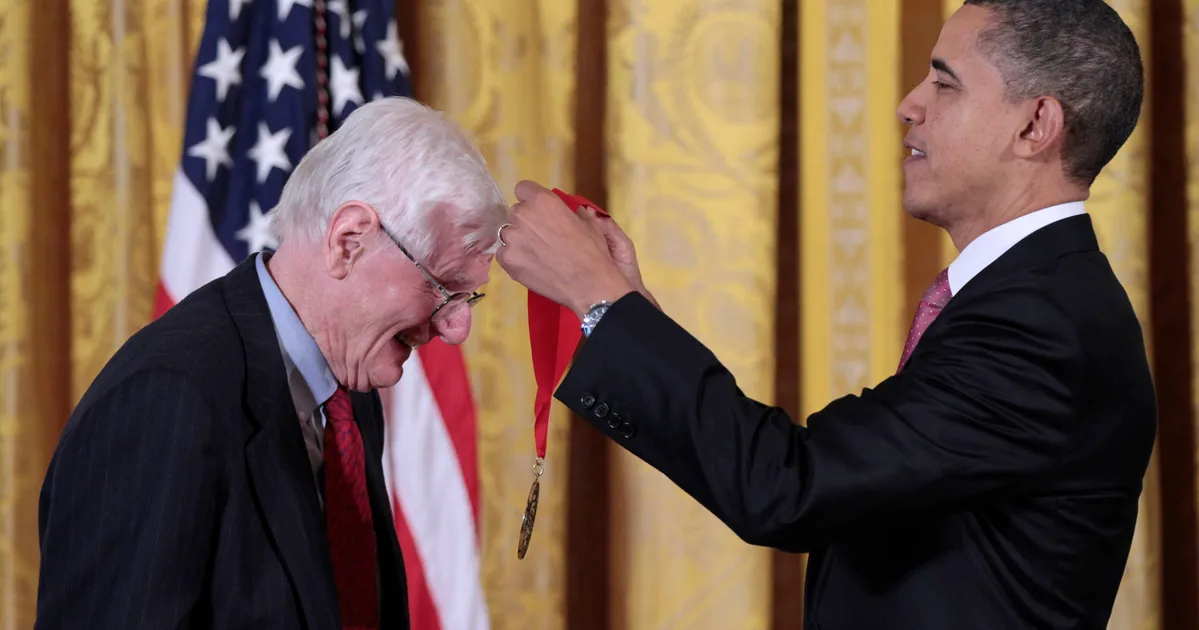
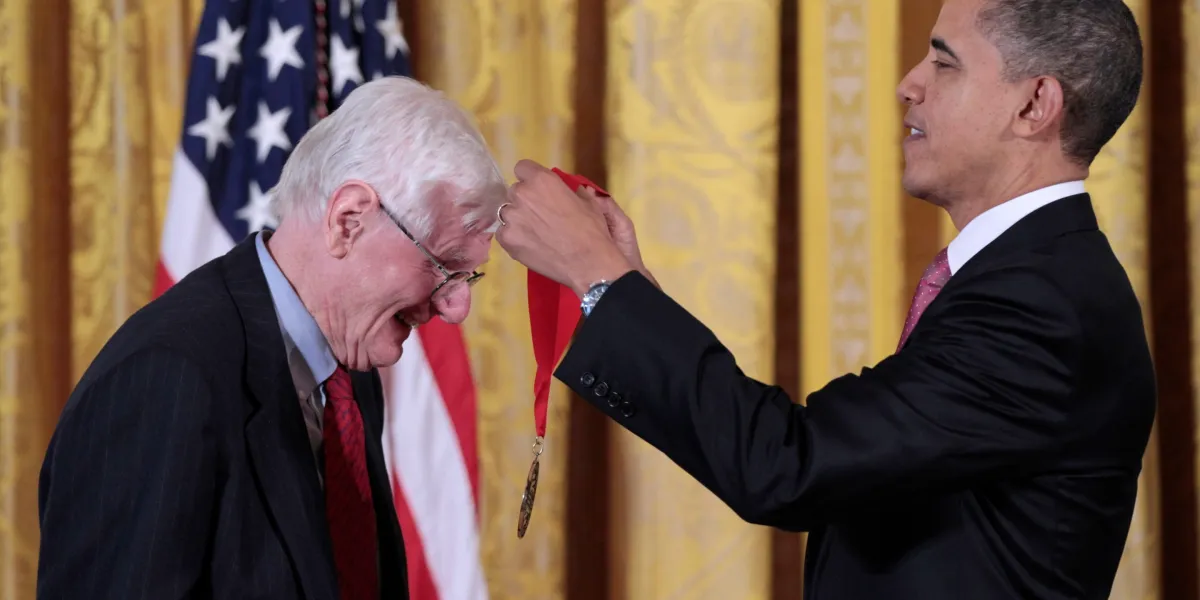
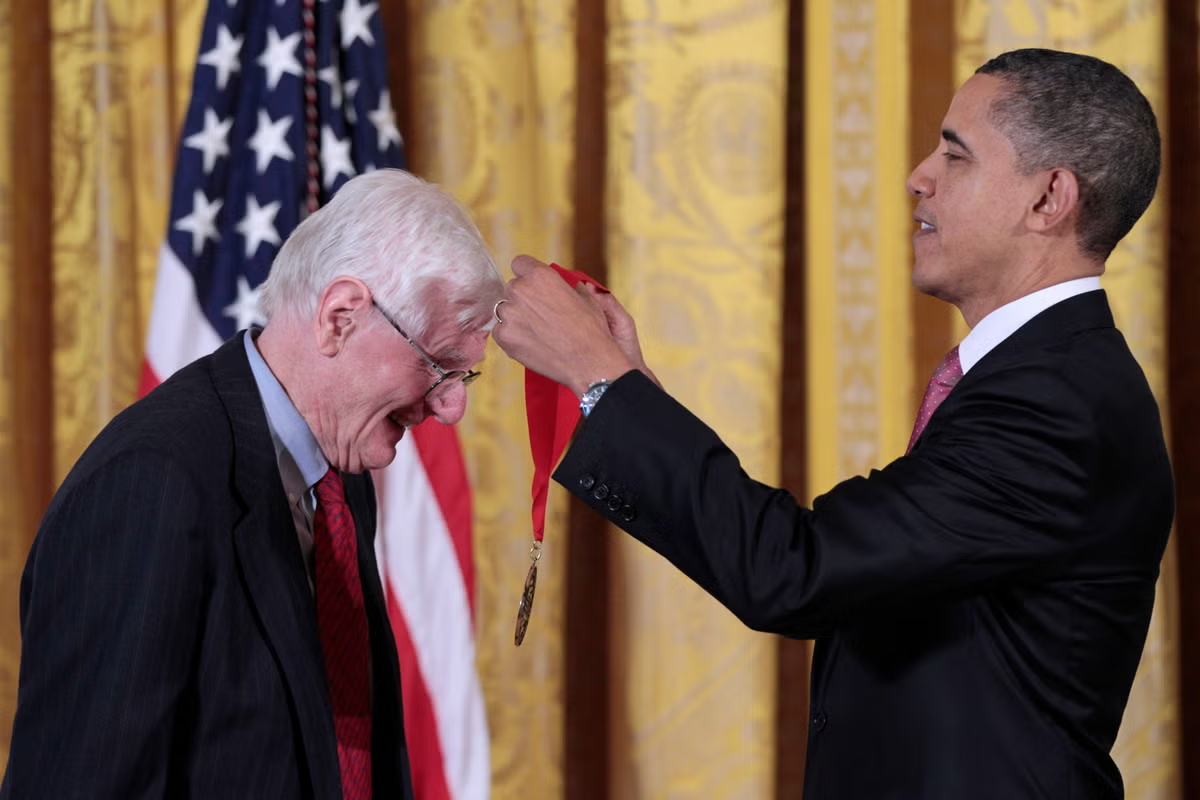
Robert Woodson spent more than five decades building and supporting grassroots solutions that empowered low-income communities.
883 words~4 min read