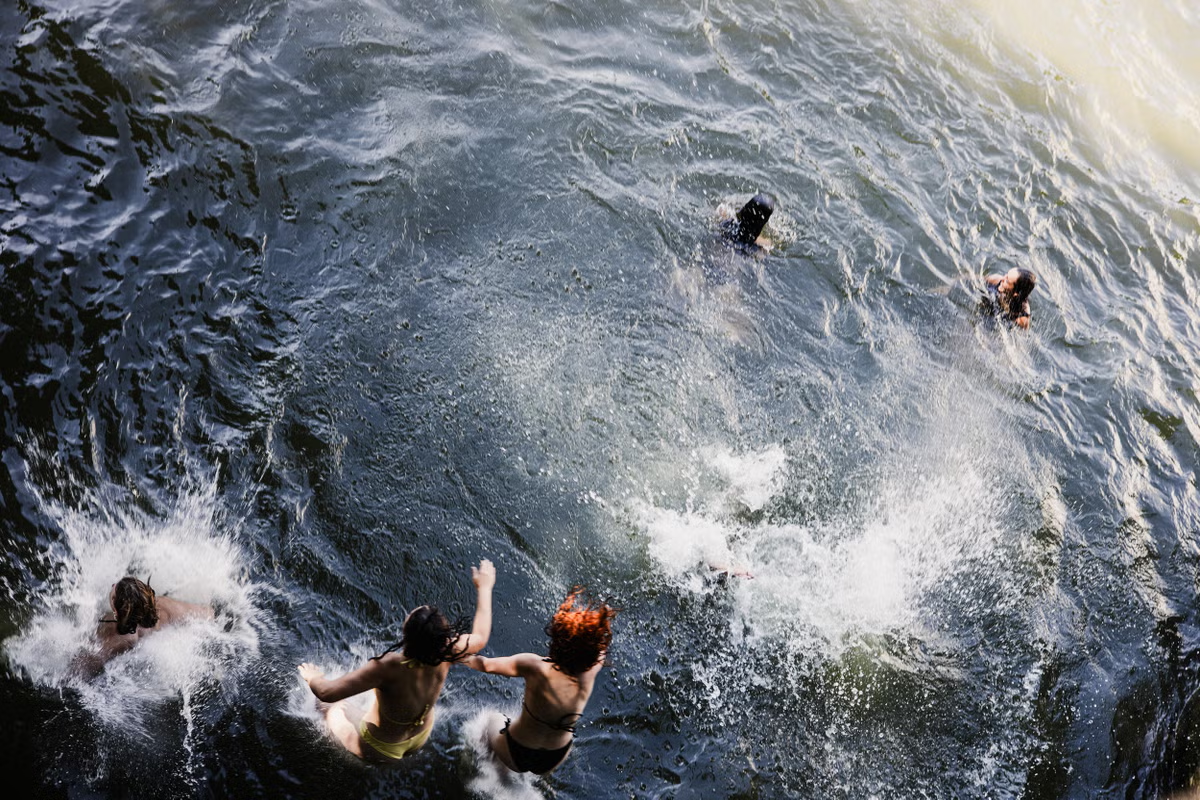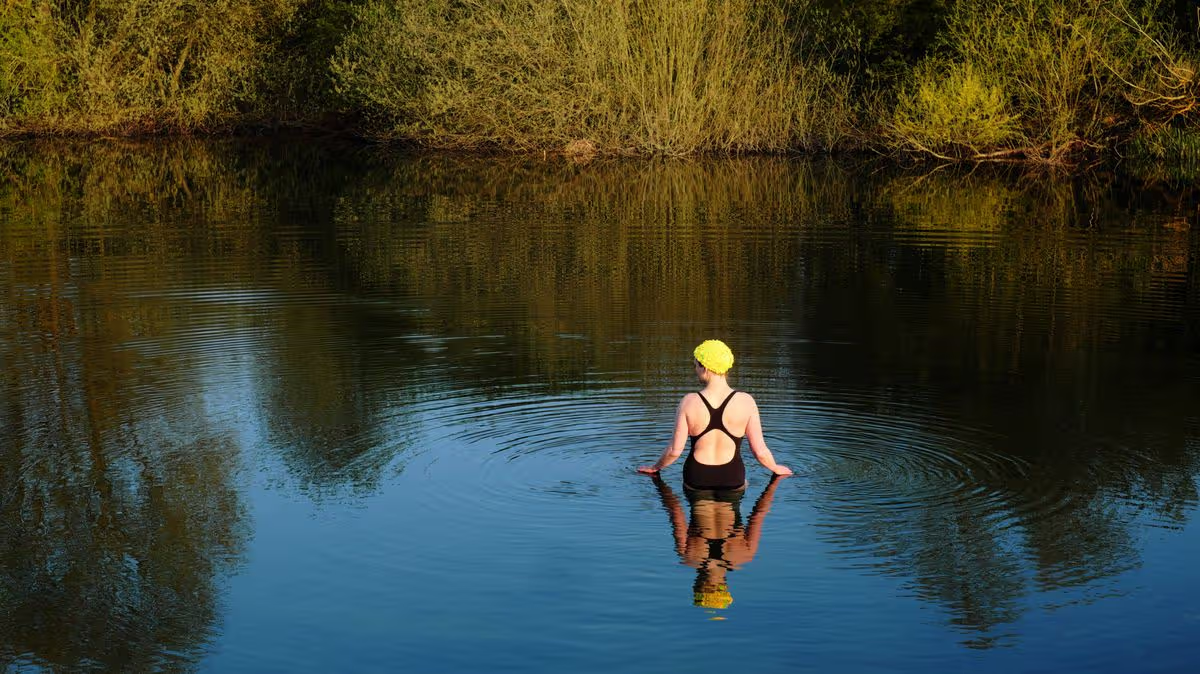
Twelve people have died in open water during the UK heatwaveKate Lally Content Editor and Jordan Reynolds Press Association09:24, 30 May 2026Temperatures across much of the UK remain higher than usual following a record-breaking heatwave that claimed the lives of 12 people, including a number of children, in open water. A UK Health Security Agency (UKHSA) yellow health alert covering eastern and South East England and London remains in effect until 8pm on Saturday.Water-related incidents are expected to rise during this period, with the agency cautioning about cold water shock and the risk of drowning. People are being reminded that while the weather is warm at the moment, bodies of water remain cold.Cold water shock is the body's natural physical response to being suddenly submerged in cold water. The reaction is instant and can lead to drowning, the National Fire Chiefs Council (NFCC) said.Anyone who enters cold water suddenly is at risk, whether they accidentally fall in or deliberately jump, the NFCC added. Cold water shock can strike anyone, regardless of their ability to swim.What happens when you experience cold water shock?It triggers gasping, panic and a loss of swimming ability, all of which can result in drowning, the National Water Safety Forum (NWSF) said. It also causes a sharp rise in heart rate and blood pressure, potentially leading to a heart attack, even in those who are fit and healthy.How cold is the water in the UK?Many inland waters stay at 16C or below, even throughout summer. This temperature is regarded as dangerous for cold water shock, according to the NWSF.Even on a sweltering day, water can still be bitterly cold, the RNLI warned. Average UK and Ireland sea temperatures sit at 12C, with rivers such as the Thames being even colder, according to the RNLI.Water, depending on its location, depth, stirring and flow into it, can take many weeks to warm up, Professor Mike Tipton, chairman of the NWSF, said. Sea water surrounding the UK, for instance, doesn't reach its warmest temperature until late August or early September, he explained.What can people do to stay safe?The RNLI urges people to 'float to live'. This advice has helped save the lives of more than 50 people in all sorts of situations - from children in rip currents to runners falling into canals, from people swept out by waves, to fisherman falling overboard.RNLI guidance reads: "The best way to float is to tilt your head back with your ears submerged. Try to relax and breathe normally. You can gently move your hands and legs to help you stay afloat if you need to."Spread your arms and legs out to improve stability and it's OK if your legs sink, we all float differently. Once your breathing is under control, call for help or swim to safety. Practise floating in a supervised location like a swimming pool."How to float:Article continues belowTilt your head back submerging your earsRelax and control your breathingMove your hands and legs to help you stay afloatYour legs may sink - that's okay, everyone floats differentlyFind your float by practising at a supervised locationPhone Float Throw is a new water safety campaign from the NWSF and Respect The Water. It offers bystanders who witness someone in difficulty in the water clear guidance on how to assist, without endangering themselves:Phone 999 to get helpTell the person to stay calm and float on their backThrow rescue equipment to help them float until emergency services arrive
Cold water shock explained and how to keep yourself safe
Twelve people have died in open water during the UK heatwave
574 words~3 min read