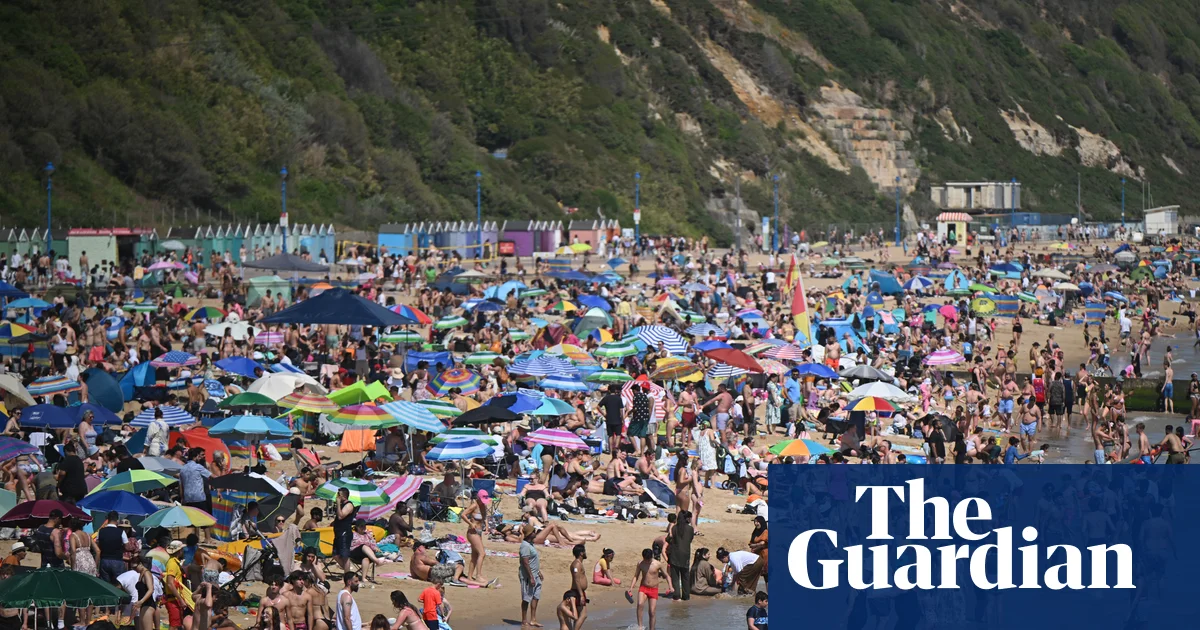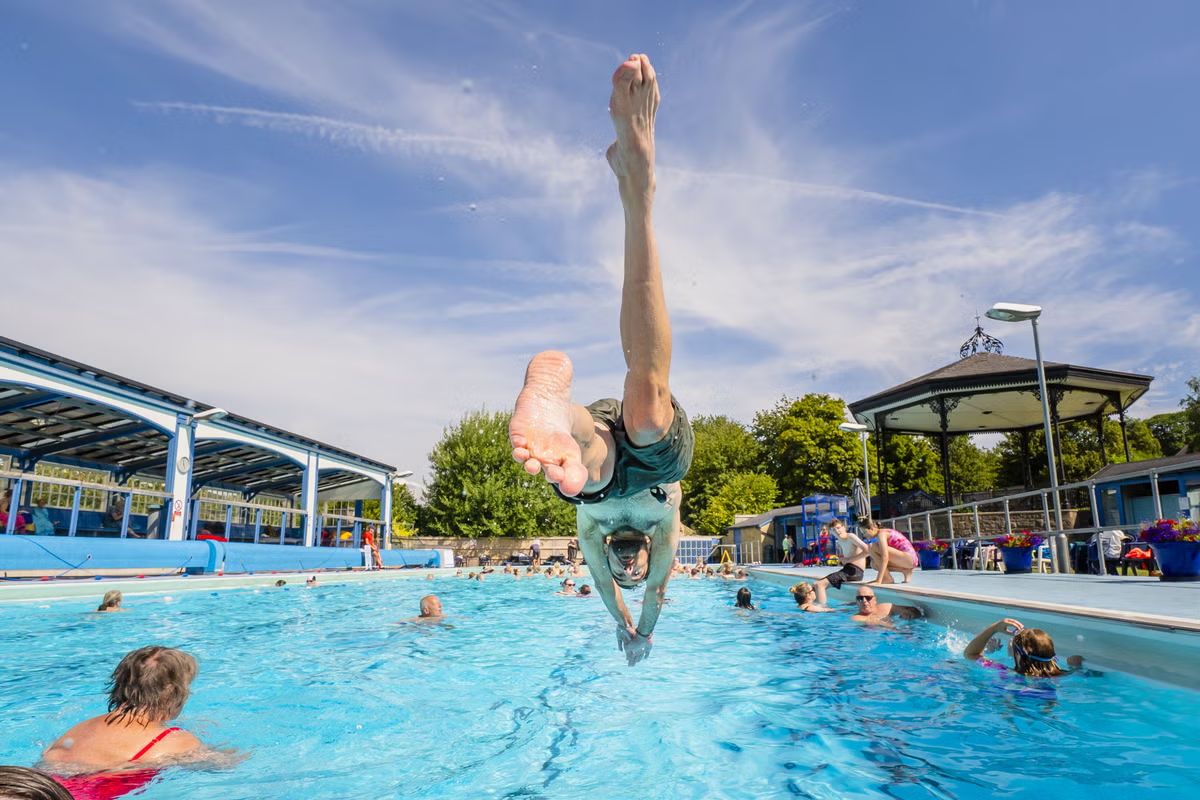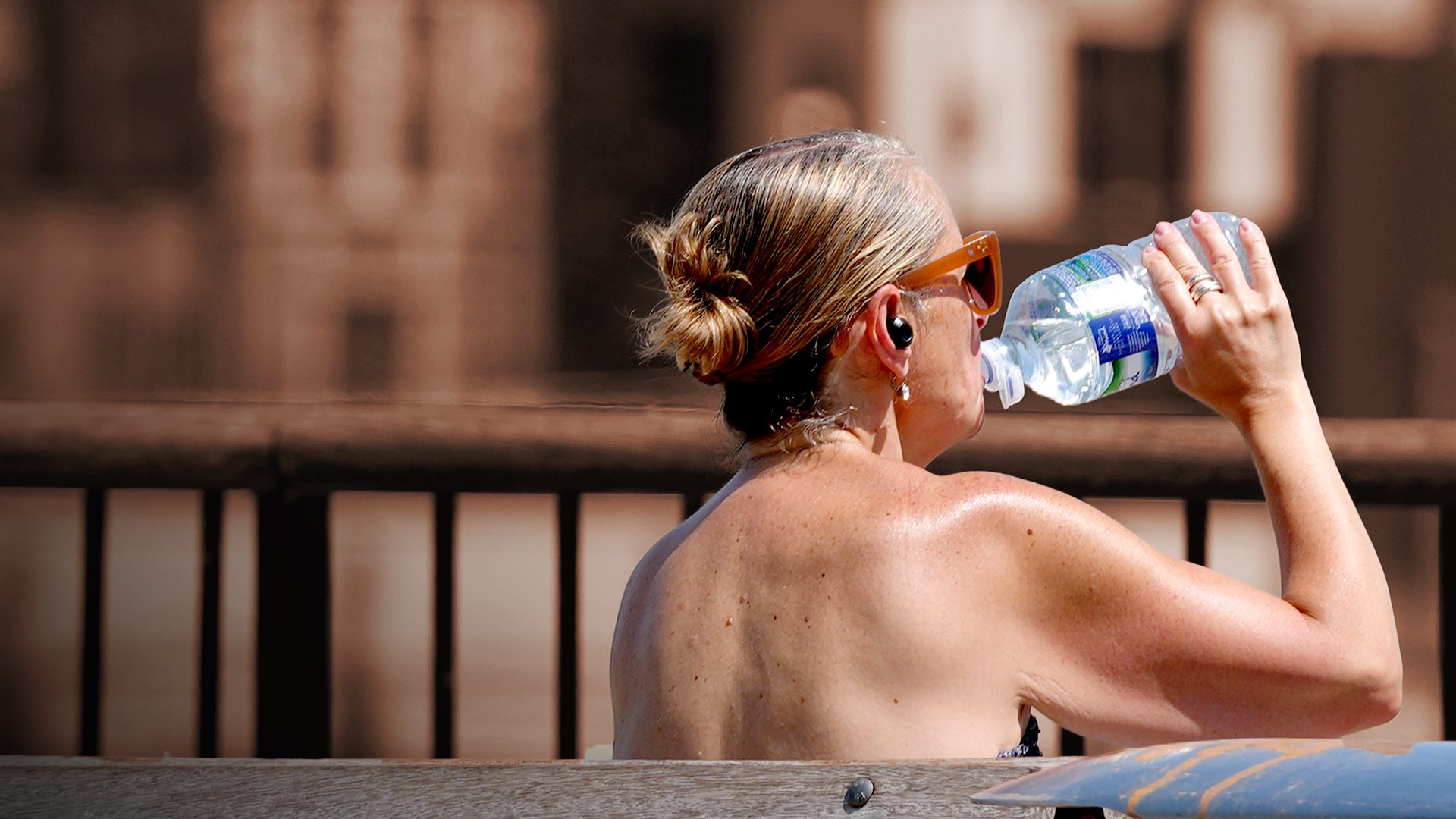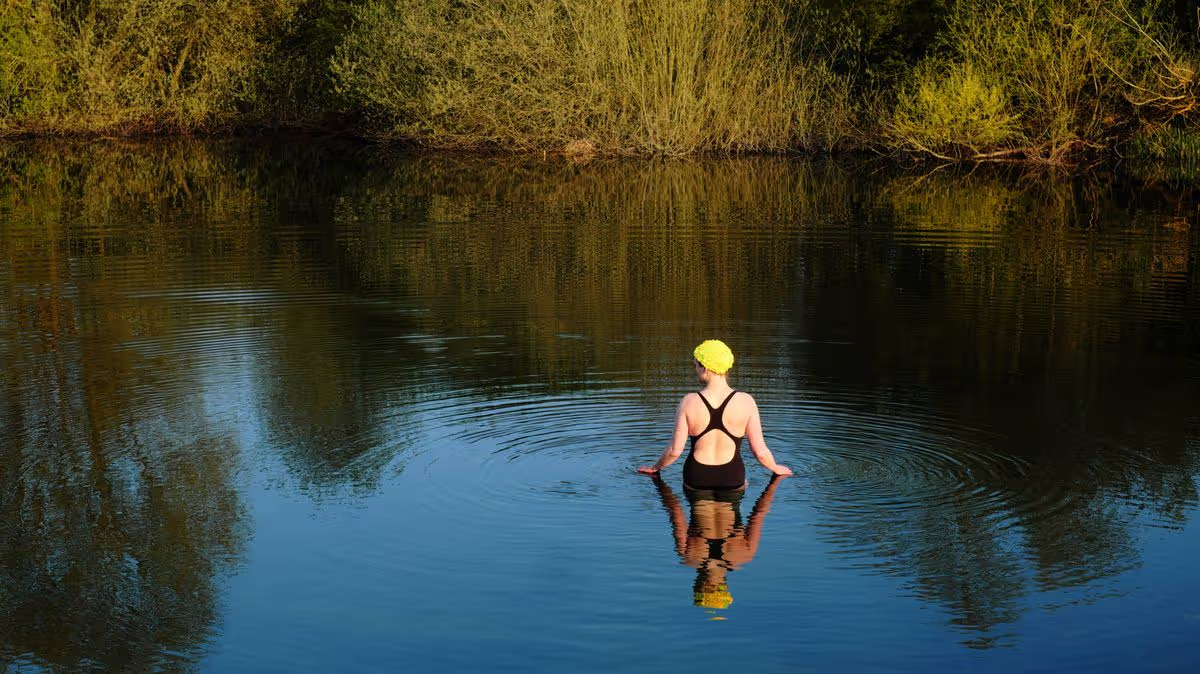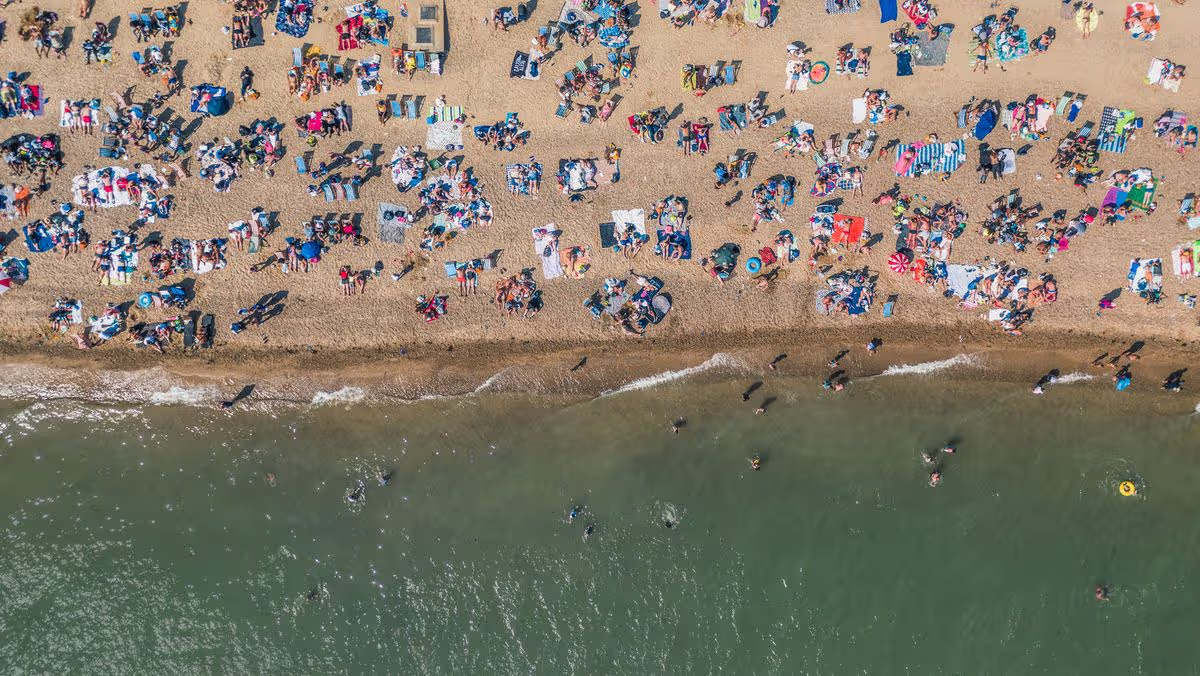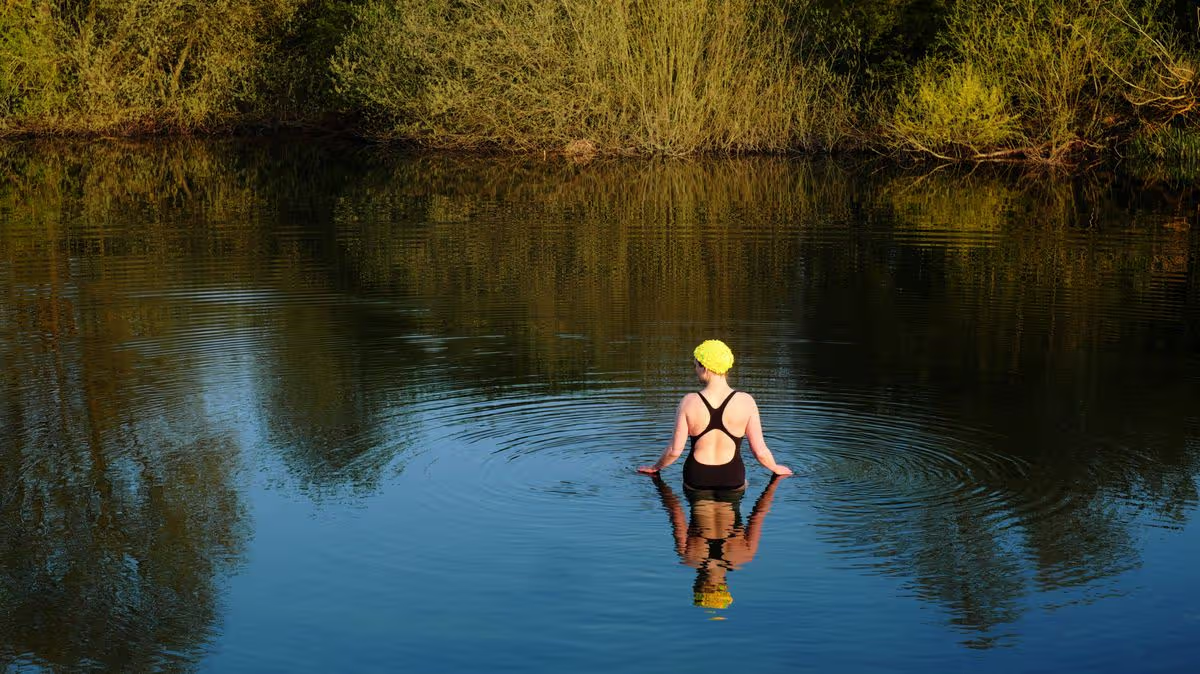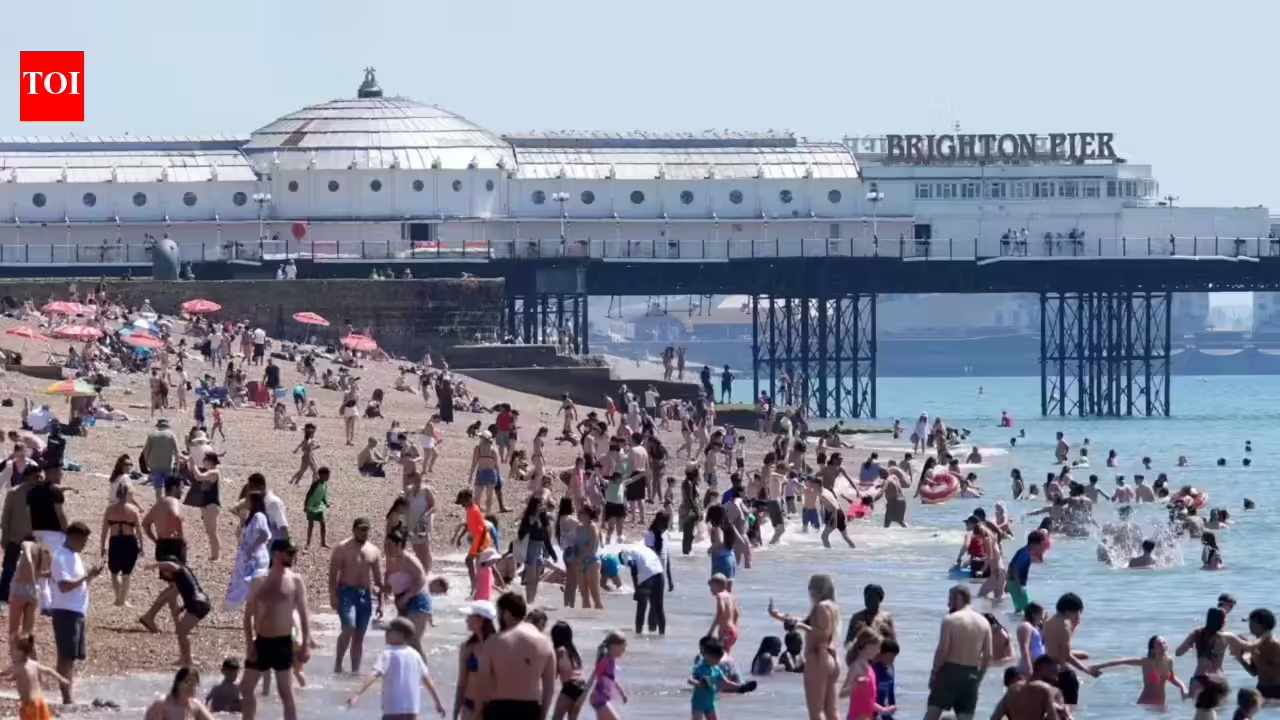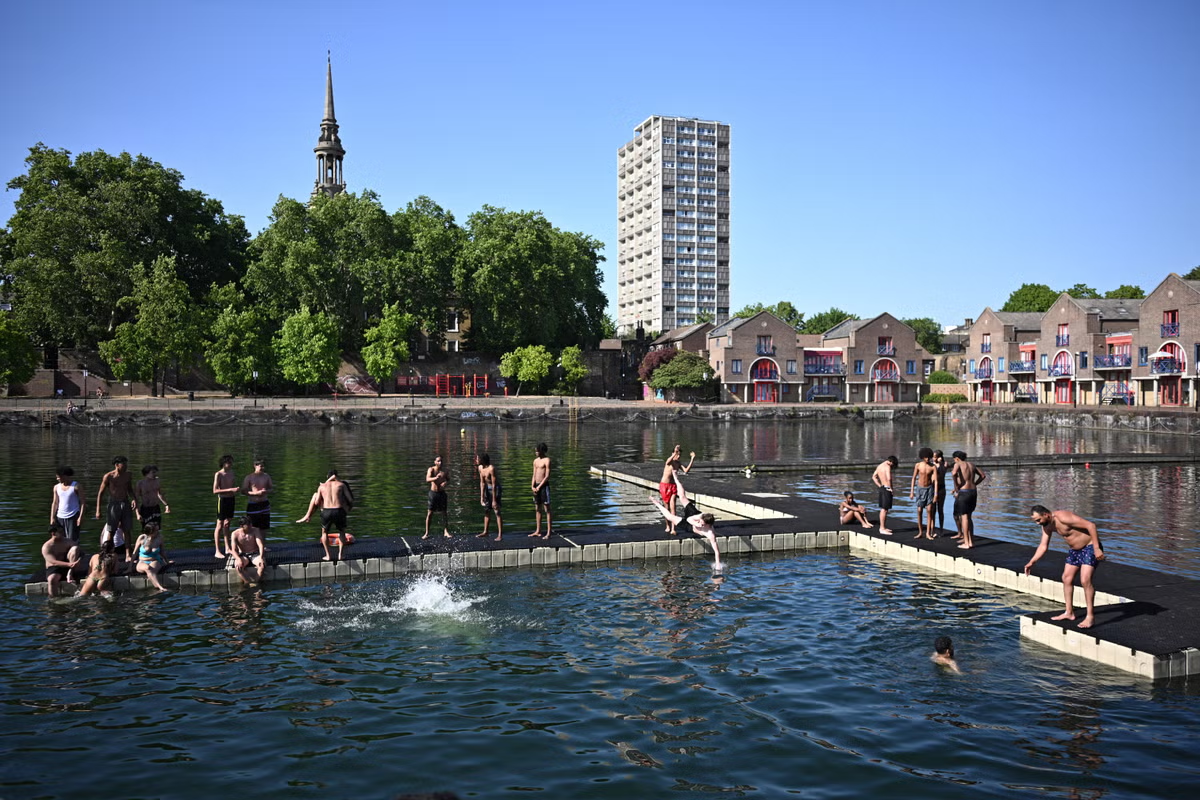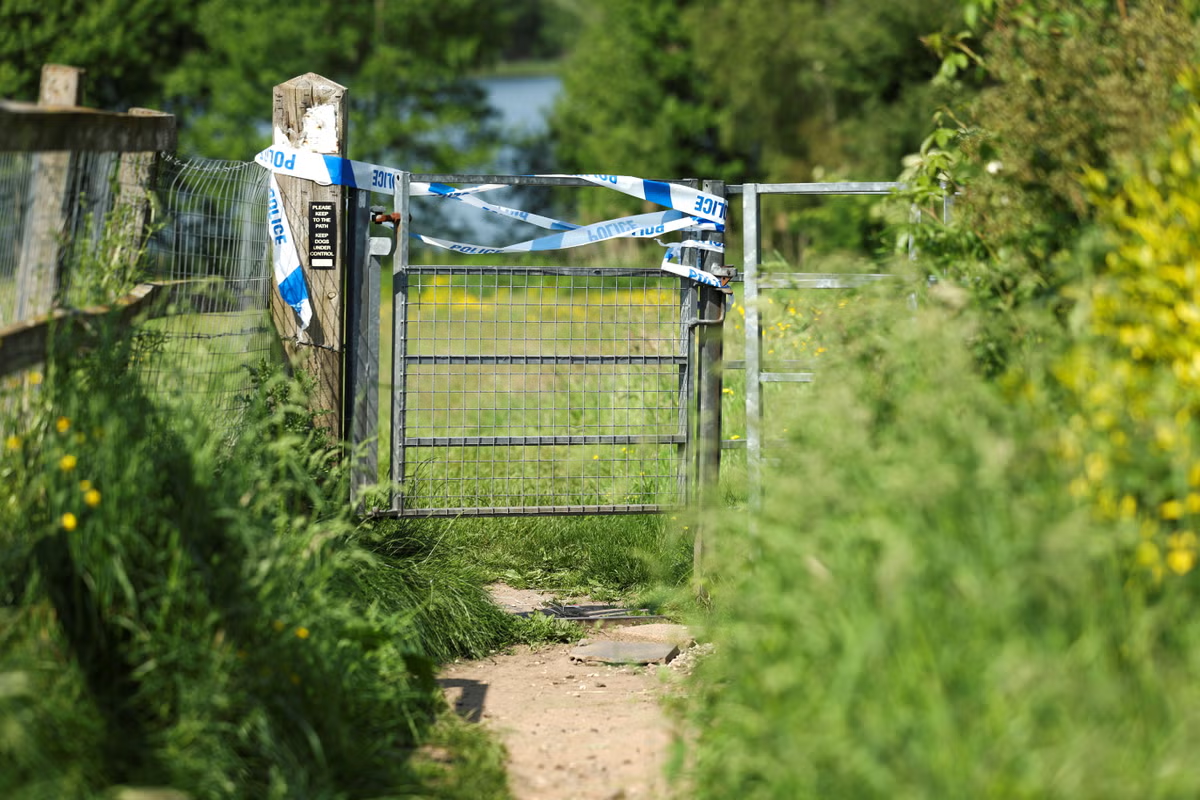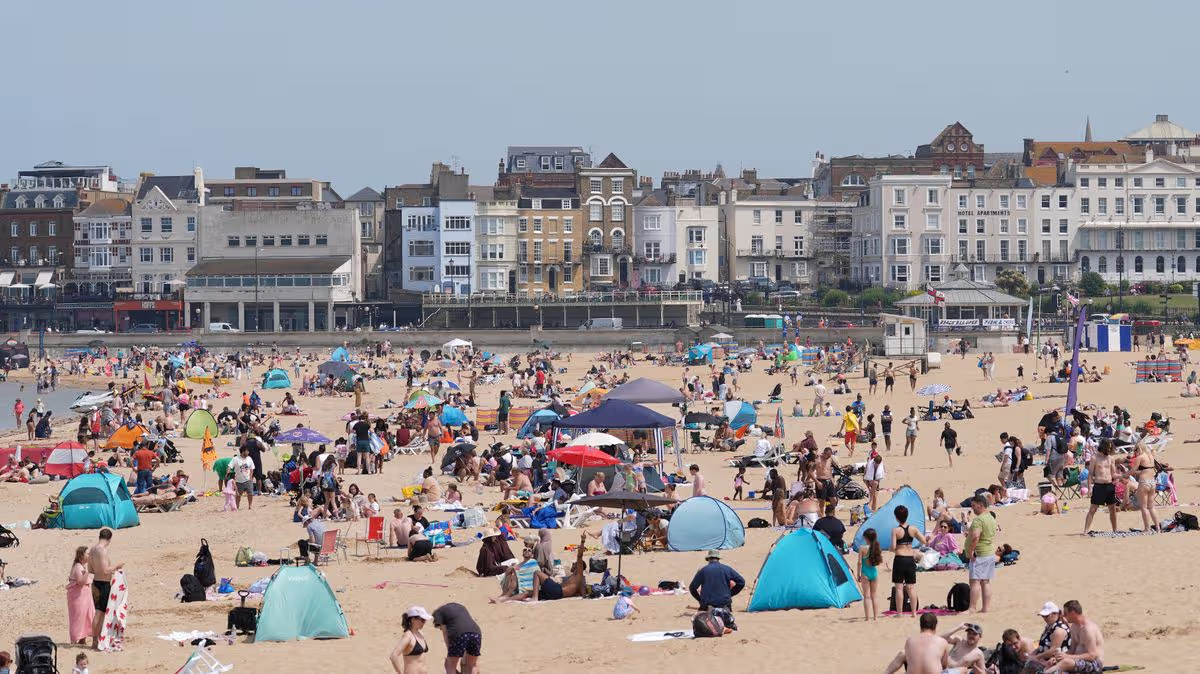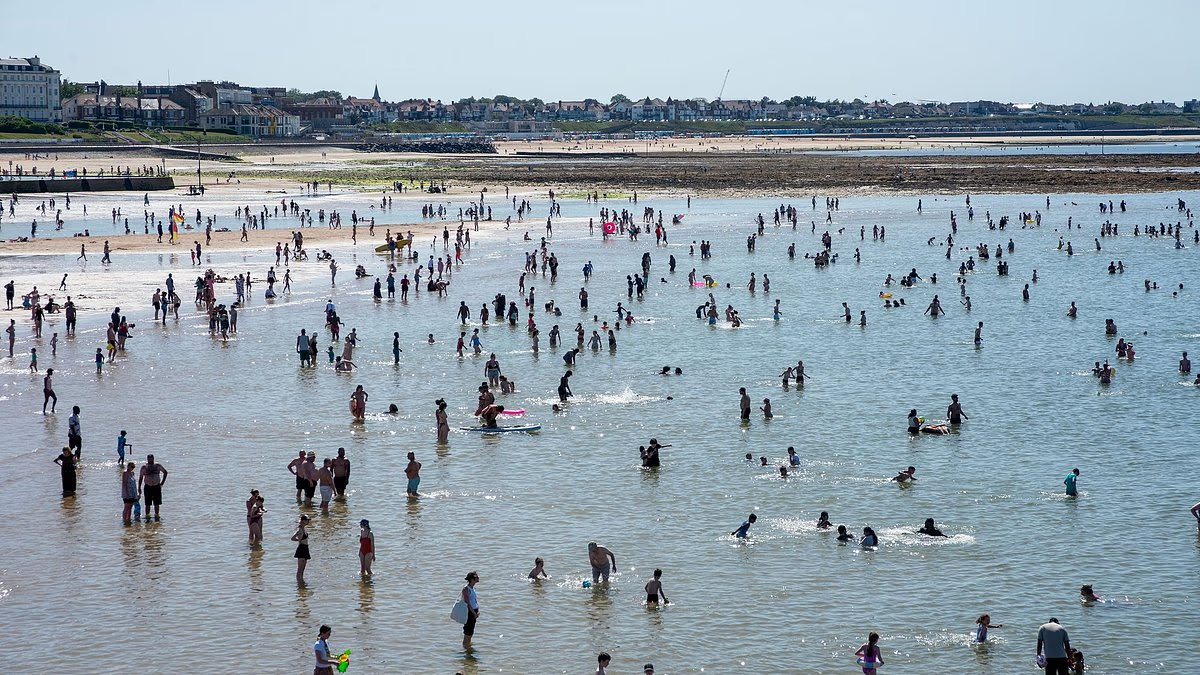
The UK is in the midst of a spring heatwave, with parts of the country hitting record–breaking highs of 35°C this week. In the hopes of finding some relief from the relentless heat, many Brits have headed to beaches, lakes and rivers.However, while cold water might look refreshing, it can pose 'serious risks', scientists have warned. As well as drowning, one of the most dangerous risks associated with British water is cold water shock. This is a sudden and involuntary response that occurs when your body is unexpectedly immersed in water below 15°C – and in extreme cases, it can prove fatal.Worryingly, the Met Office warns that anyone can be affected – even if you're a strong swimmer.'Even on a hot day, the sea, rivers, and lakes in the UK can remain cold enough to trigger this reaction,' it explained. 'It's a physiological response that can affect anyone, regardless of age, fitness, or swimming ability.' In the hopes of finding some relief from the relentless heat, many Brits have headed to beaches, lakes and rivers. However, while cold water might look refreshing, it can pose 'serious risks', scientists have warned. Pictured: swimmers at Margate beach on 26 MayIn May, sea temperatures around the UK typically range from around 9°C to 13°C. While this doesn't sound that cold, for reference, the average heated swimming pool is kept between 26°C and 29°C. When you first enter cold water – whether it's the sea, a lake, or a river – your body instantly reacts. 'The sudden cooling of the skin causes an involuntary gasp, which can lead to inhaling water,' the Met Office explained. 'Your breathing rate increases rapidly, and your heart rate spikes. 'This can cause panic, disorientation, and even hyperventilation, making it difficult or impossible to swim.'If you regularly swim, you might think you're immune to cold water shock. However, the experts caution that this is most definitely not the case. In May, sea temperatures around the UK typically range from around 9°C to 13°C. While this doesn't sound that cold, for reference, the average heated swimming pool is kept between 26°C and 29°C. Pictured: youngsters climb a tree as they wait their turn to jump into the River Thames during a heatwave in London on May 27 How to stay safe when outdoor swimming Swim at a lifeguarded beach: The RNLI has around 1,500 RNLI lifeguards (including volunteers) on over 240 beaches around the UK.Check the weather: Use the Met Office forecast to assess wind, rain, and temperature conditions as well as UV levels, even if it doesn't look sunny.Wear appropriate gear: A wetsuit and tow float can provide warmth, buoyancy, and visibility.Wear brightly coloured swimwear: This helps others see you in the water.Practice floating: Teach children and adults alike how to float on their backs and stay calm in the water.Avoid inflatables at the coast: These can be swept out to sea quickly by wind or currents. 'Even strong swimmers can be overwhelmed by cold water shock,' the Met Office warned. 'The initial effects typically last for around 90 seconds, during which time it's crucial to stay calm and avoid unnecessary movement.'If you're planning an outdoor swim amid the heatwave, the Met Office advises knowing your limits, and never pushing yourself to swim further than you're comfortable with. It added: 'Learn to recognise the signs that you're getting too cold. 'Shivering, weakness, disorientation, shortness of breath, or taking in water are all signs that it's time to get out. 'Once out of the water, warm up immediately with dry clothes and a hot drink. 'A brisk walk can also help raise your body temperature.'The May heatwave may have claimed its tenth swimming victim as another person has been reported missing after entering the water, as 18,000 suffer water shortages amid the 31C heat.Fears were sparked yesterday after a young boxer went missing in Swanscombe, Kent, at around 2.15pm.Emergency services scrambled to the scene at Galley Hill Road after concerns were raised for a well–known local boxer who had entered the water near Northfleet. A major operation is underway as divers and officers remain at the scene.It follows the deaths of at least nine others in incidents in the sea and in lakes during the Bank Holiday heatwave.Seven teenagers, a grandfather in his 60s and a woman in her 70s are known to have died – including two teenagers pulled from the water yesterday.
Scientists issue warning over outdoor swimming during the UK heatwave
While cold water might look refreshing, it can pose 'serious risks', scientists have warned.
734 words~3 min read