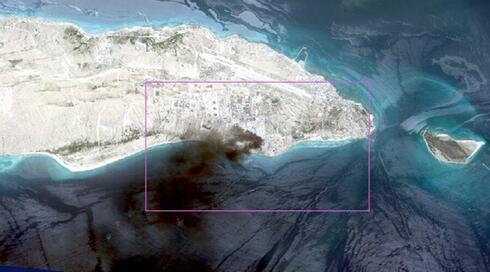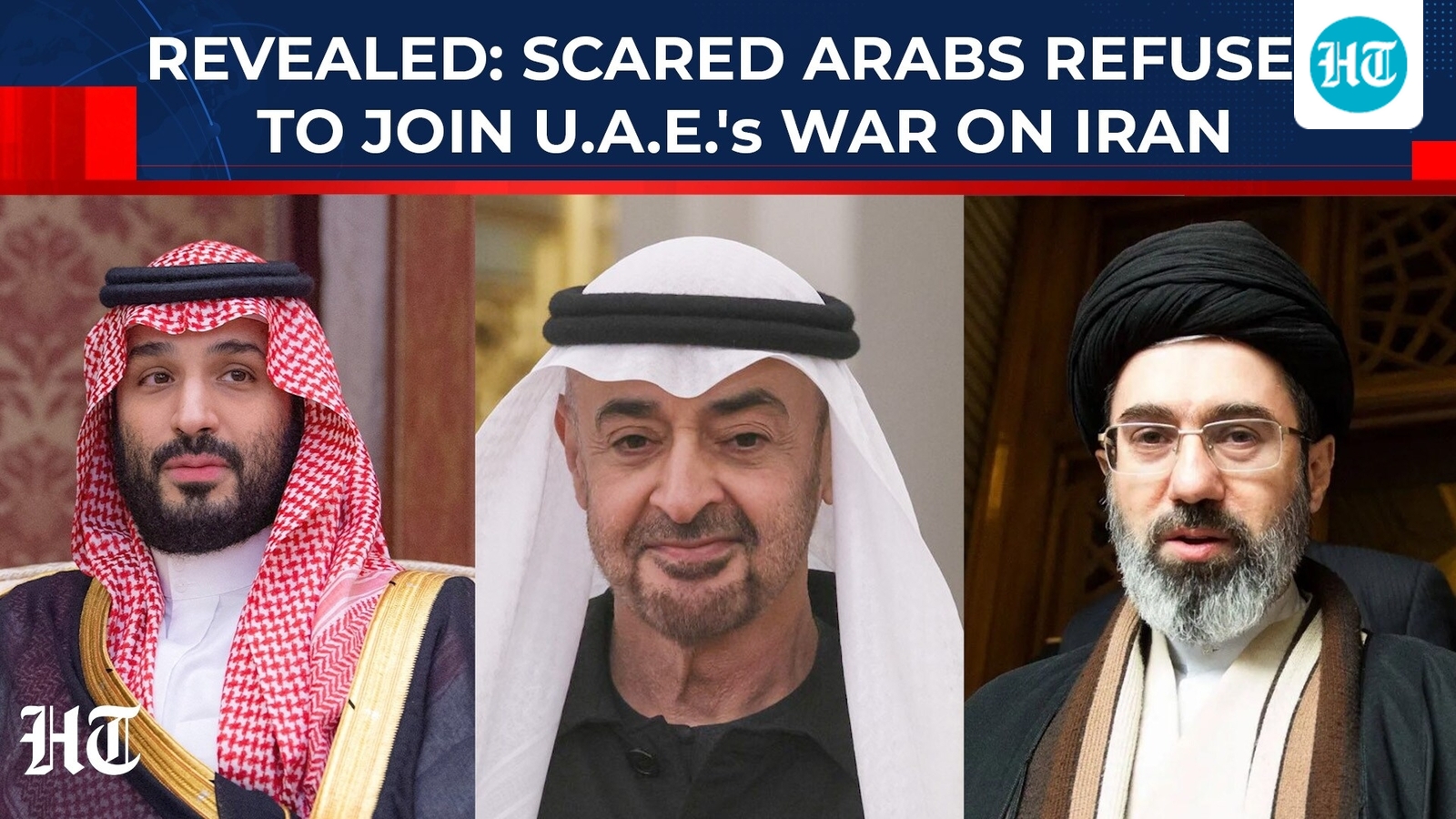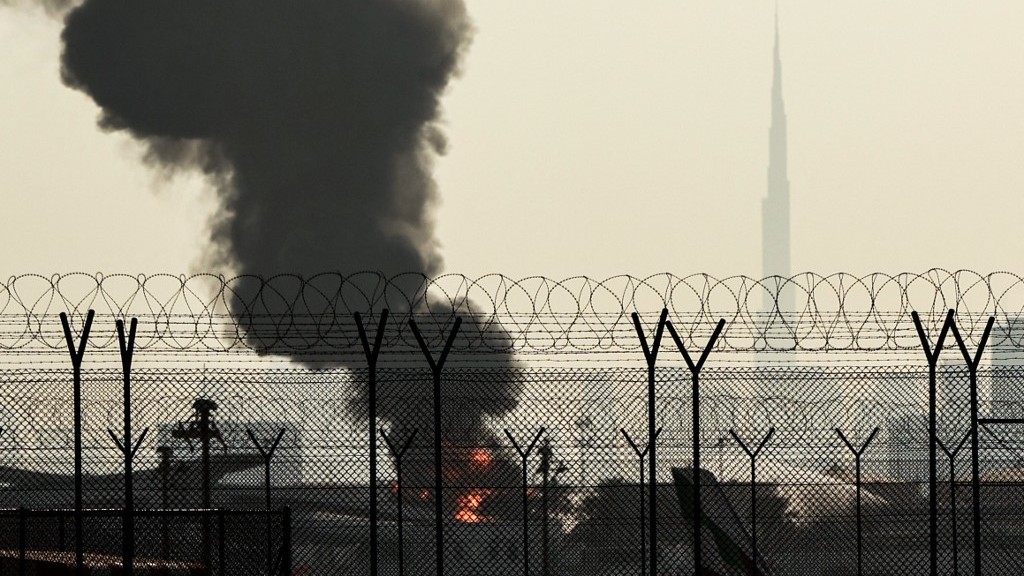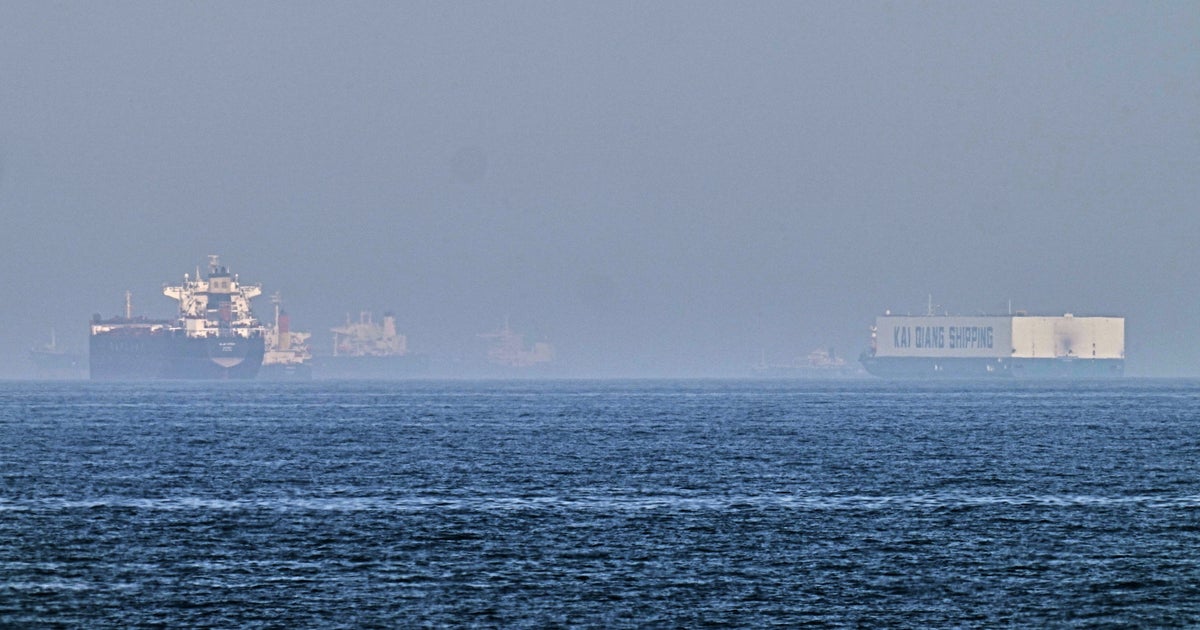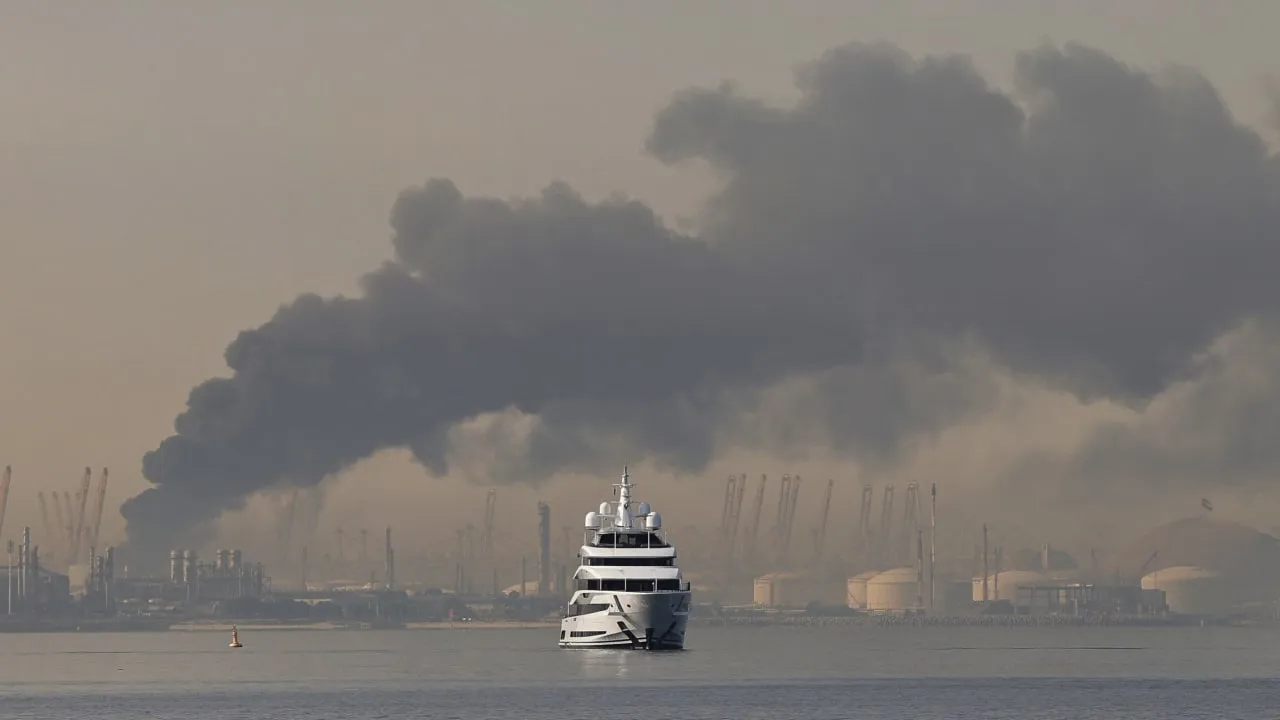
A report by The Wall Street Journal has raised new questions about the role of the United Arab Emirates during the recent conflict involving Iran. According to sources cited in the report, Emirati forces allegedly carried out dozens of strikes against Iranian-linked targets, including locations near the strategic Strait of Hormuz, in coordination with U.S. and Israeli operations. The report claimed that some military actions continued even after a ceasefire was announced, adding fresh scrutiny to regional security dynamics. It also highlighted divisions among Gulf states, with Saudi Arabia reportedly favoring diplomatic de-escalation while Abu Dhabi supported a tougher response following Iranian missile and drone attacks. The report further described increased security cooperation between the UAE and Israel during the conflict, underscoring shifting alliances and strategic calculations across the Middle East.
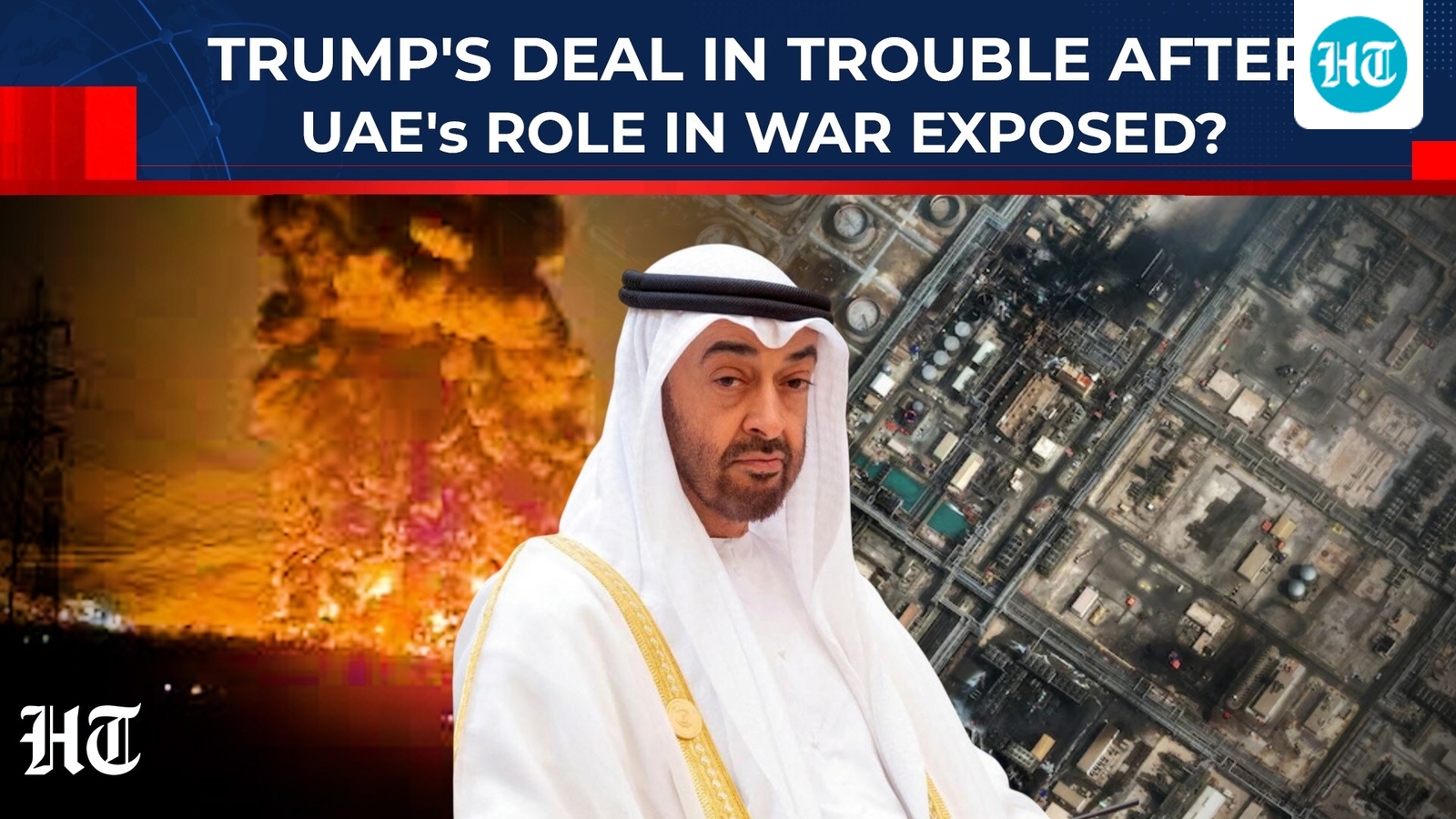
Trump's deal in trouble after UAE's secrets with Israel exposed?
A report by The Wall Street Journal has raised new questions about the role of the United Arab Emirates during the recent conflict involving Iran. According to sources cited in the report, Emirati forces allegedly carried out dozens of strikes against Iranian-linked targets, including locations near the strategic Strait of Hormuz, in coordination with U.S. and Israeli operations. The report claimed that some military actions continued even after a ceasefire was announced, adding fresh scrutiny to regional security dynamics. It also highlighted divisions among Gulf states, with Saudi Arabia reportedly favoring diplomatic de-escalation while Abu Dhabi supported a tougher response following Iranian missile and drone attacks. The report further described increased security cooperation between the UAE and Israel during the conflict, underscoring shifting alliances and strategic calculations across the Middle East.