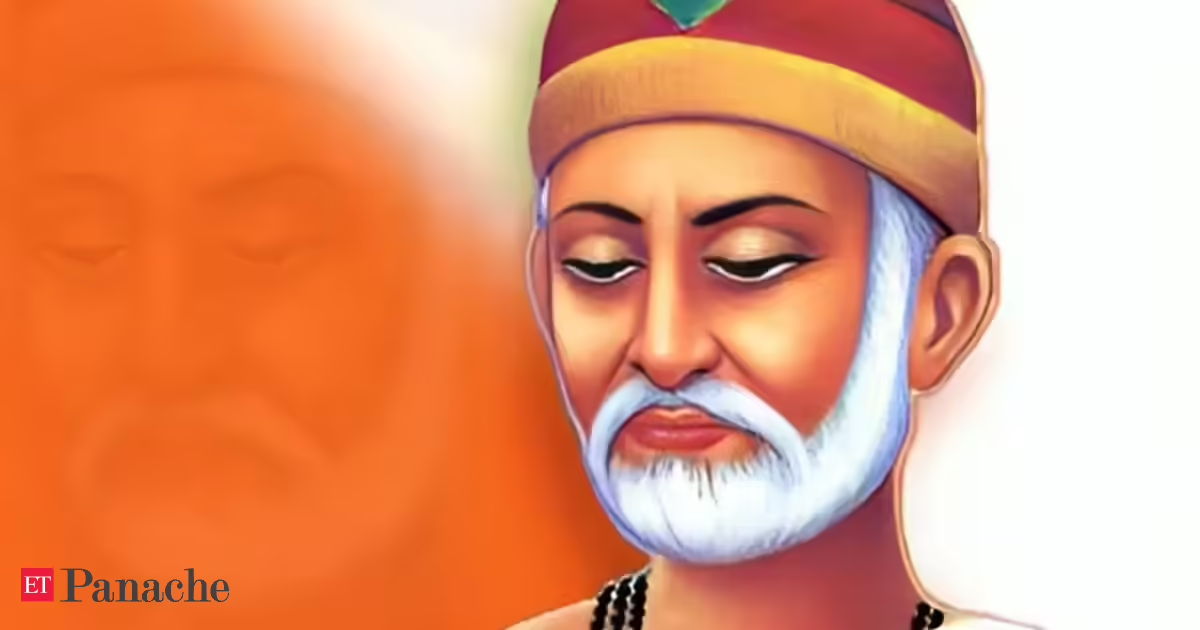
In a world where success is often measured by bigger homes, higher incomes and social status, the words of medieval saint-poet Kabir continue to feel surprisingly relevant. Centuries before modern discussions about materialism and mindfulness, Kabir warned against the dangers of pride and attachment. Through a simple yet powerful couplet, he reminded people that no achievement, possession or symbol of wealth lasts forever. His message remains a timeless reflection on humility, mortality and what truly gives meaning to life.One of Kabir Das' most well-known dohas begins with the lines, "Kabira garv na kijiye, uncha dekh avaas; kal paron bhuin letna, uper jamsi ghaas". In simple terms, the couplet advises people not to become arrogant because of their grand homes, wealth or elevated social standing. It reminds them that one day they will return to the earth, and grass will grow above their resting place.Meaning of the proverbThe meaning of this teaching goes far beyond a warning against pride. Kabir uses the image of a magnificent house as a symbol of worldly achievements and material success. While people often derive their identity and self-worth from these possessions, Kabir points out that human life is temporary. No matter how rich, powerful or influential a person becomes, everyone ultimately shares the same fate. Death does not distinguish between kings and commoners. The grass growing above the body symbolises nature's quiet reminder that all human glory eventually fades.At its heart, the doha is a lesson about ego. Kabir believed that pride creates a false sense of superiority and separates individuals from spiritual truth. When people become obsessed with their accomplishments, they often forget the impermanence of life and the deeper values that truly matter.You Might Also Like:Relevance in modern lifeThis philosophy continues to resonate today. Modern life often encourages constant comparison, competition and the pursuit of external validation. Social media, consumer culture and professional ambition can make it easy to measure success through visible achievements alone. Kabir's doha challenges this mindset by asking a simple but profound question: what remains when all symbols of status disappear?His answer points toward character, wisdom and inner awareness rather than material accumulation.About Kabir DasThis focus on overcoming ego was central to Kabir's philosophy. He repeatedly taught that truth could only be discovered when a person let go of the "I" and stopped placing themselves at the centre of everything. For Kabir, spiritual wisdom came from humility, self-awareness and recognising the divine presence in all forms of existence.Kabir Das remains one of India's most influential mystic poets and saints. His writings played a major role in shaping the Bhakti movement, a devotional tradition that emphasised a direct and personal connection with the divine rather than rigid rituals or social hierarchies.You Might Also Like:His influence extended far beyond a single religious tradition. Kabir's verses appear in the sacred Sikh scripture, the Guru Granth Sahib, as well as in the Satguru Granth Sahib and the Kabir Sagar. Because of the universal nature of his teachings, Kabir continues to be revered across Hindu, Sikh and Sufi traditions.These ideas strongly influenced Kabir's worldview. He taught that truth belongs to those who walk the path of righteousness and who see both living and non-living things as manifestations of the divine. Rather than becoming consumed by worldly affairs, Kabir encouraged people to cultivate a detached perspective while remaining compassionate and ethical in their actions.For Kabir, detachment did not mean abandoning life or withdrawing from society. Instead, it meant refusing to let wealth, status or possessions define one's identity. A person could own a large house, enjoy success and participate in the world while still remaining humble and spiritually grounded. Kabir's legacy lives on through the Kabir Panth, or the Path of Kabir, whose followers continue to preserve and spread his teachings. Yet his influence extends far beyond any formal tradition. His verses are still quoted, sung and discussed across generations because they address universal human concerns that remain unchanged by time.The enduring power of this particular doha lies in its simplicity. In just a few lines, Kabir captures a truth that philosophers, spiritual leaders and thinkers have explored for centuries: wealth may provide comfort, but it cannot make a person immortal. Pride may create an illusion of greatness, but humility brings clarity. And while worldly success may come and go, the values of compassion, self-awareness and truth remain lasting sources of meaning.
Indian proverb of the day by Kabir Das: ‘Don’t be arrogant of your grand house and wealthy lifestyle. Tomorrow, you will lie on the ground, and grass will grow above you’; mystic poet’s lessons on ego, wealth and mortality
Saint-poet Kabir Das's ancient wisdom on pride and possessions resonates today. His verses remind people that worldly achievements are temporary. Kabir emphasized humility and inner awareness over material wealth. His teachings, found in Sikh scriptures, offer timeless lessons on life's true meaning. This philosophy continues to influence spiritual thought across India.
727 words~3 min read