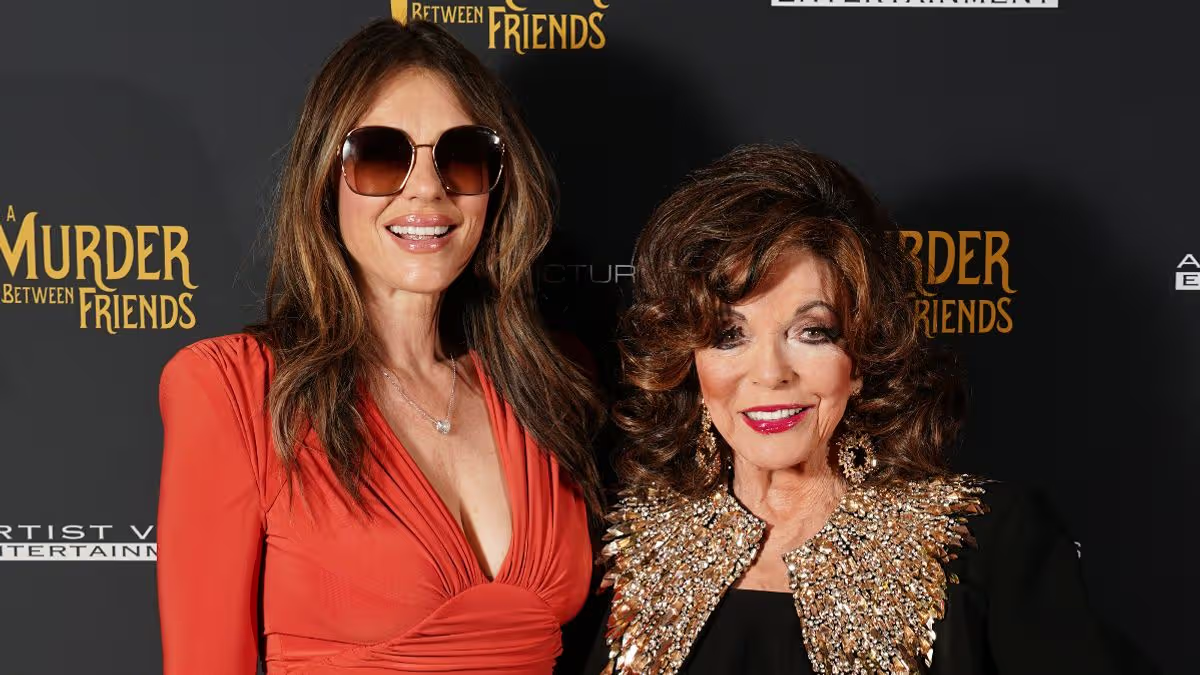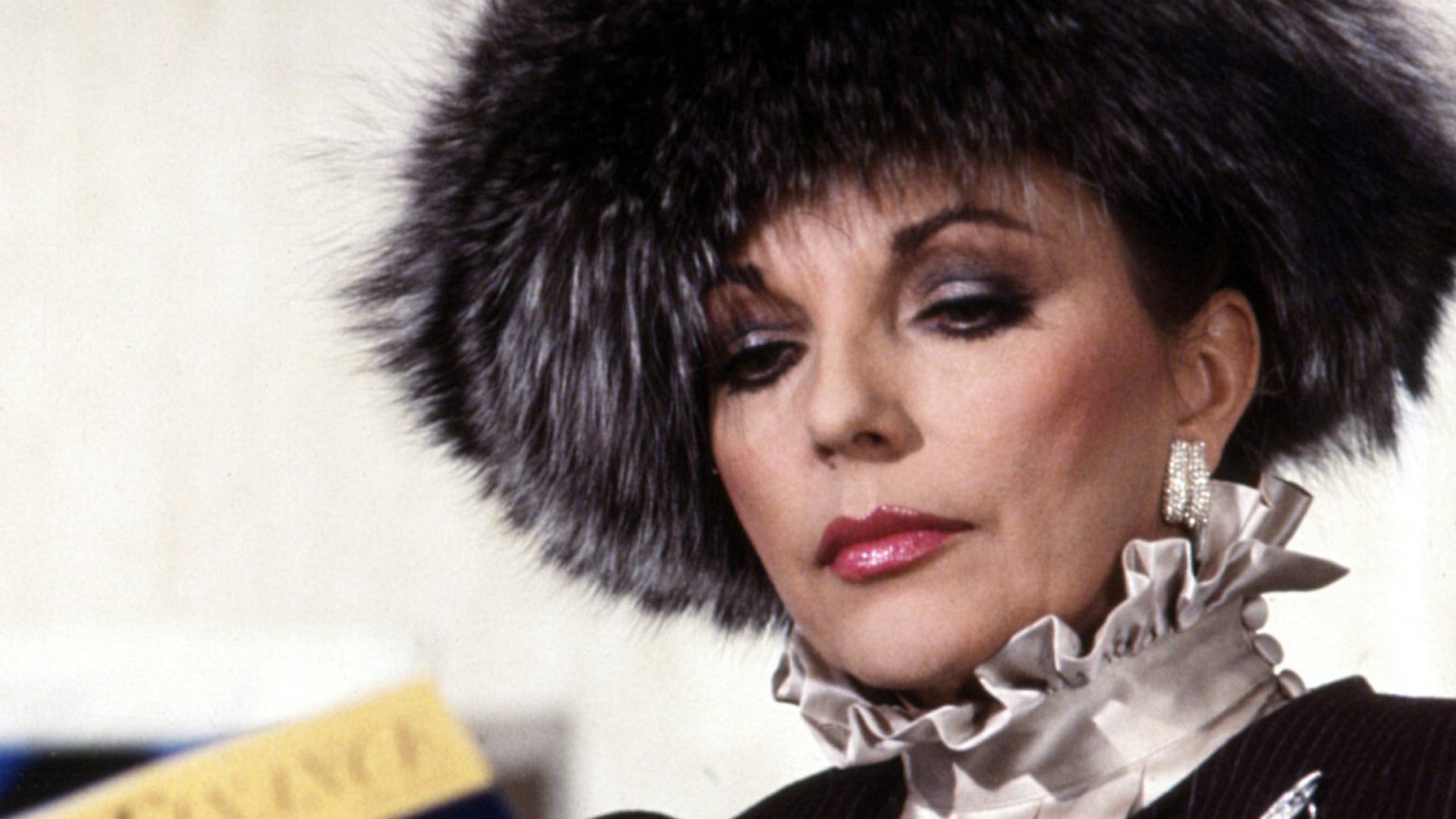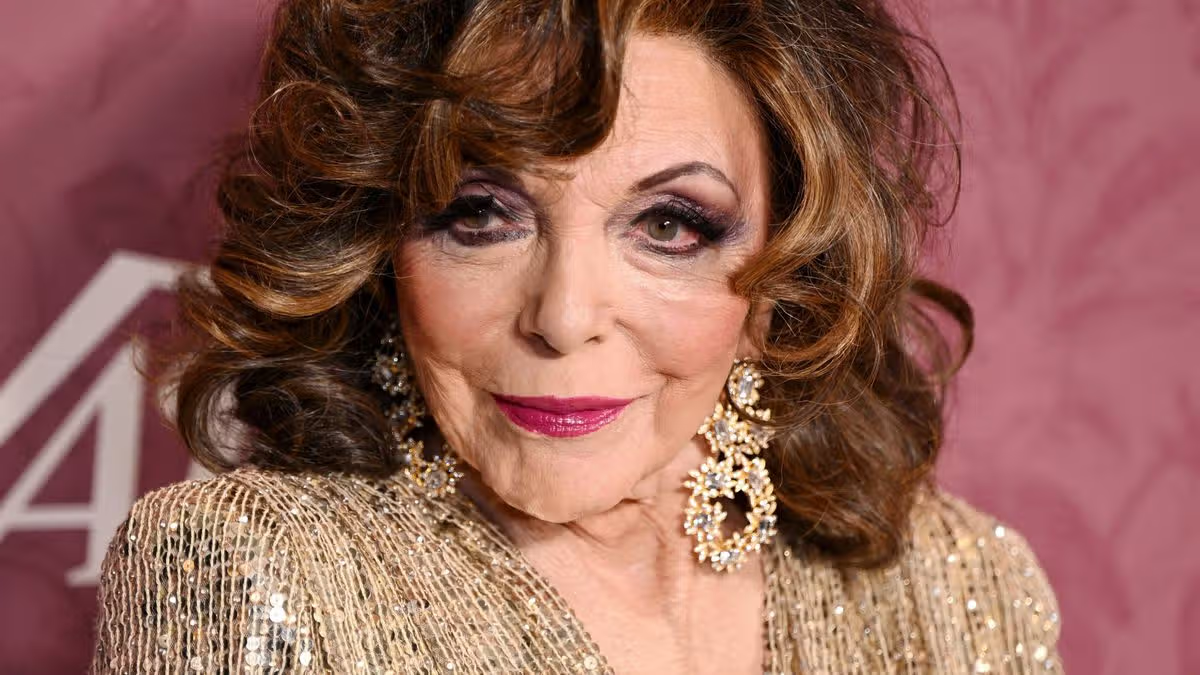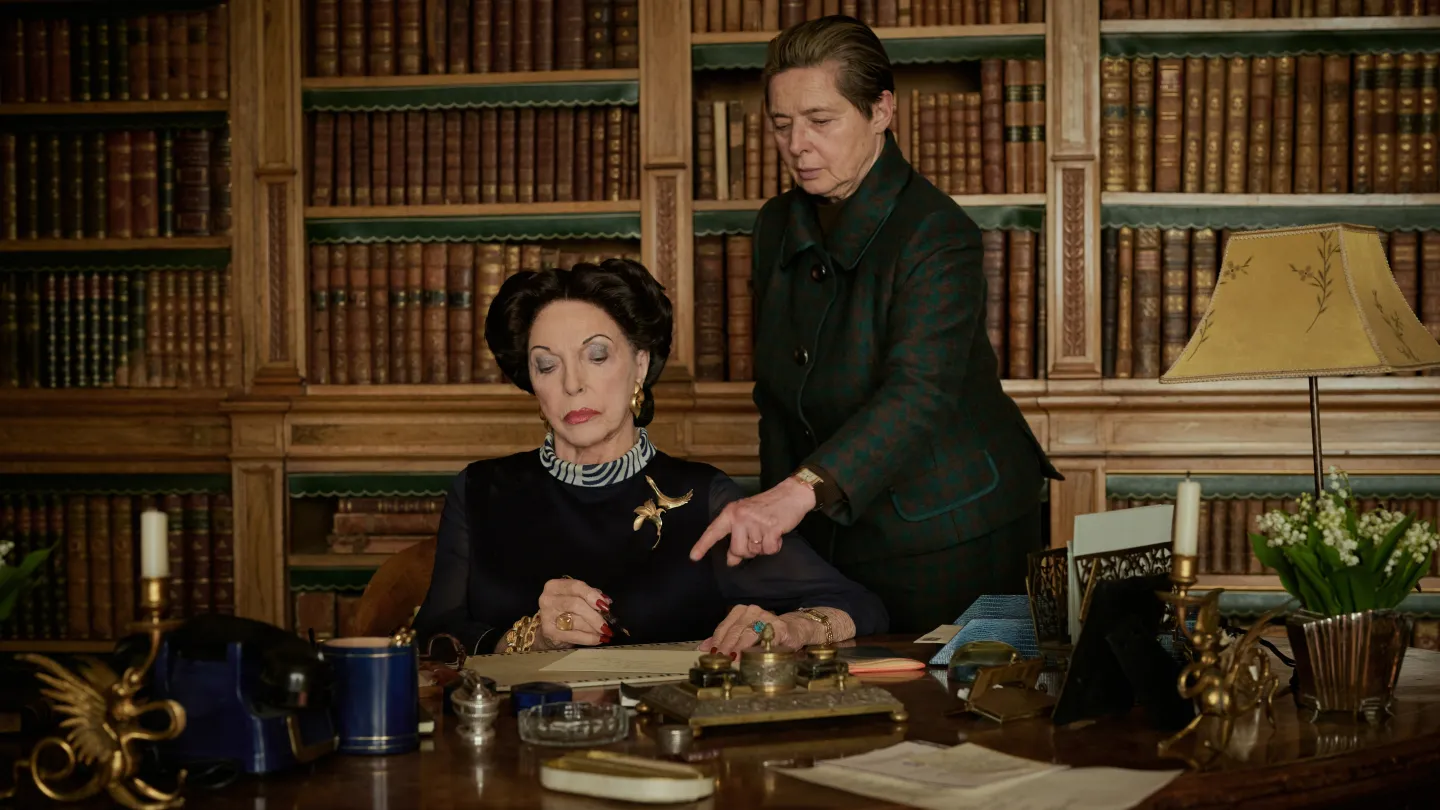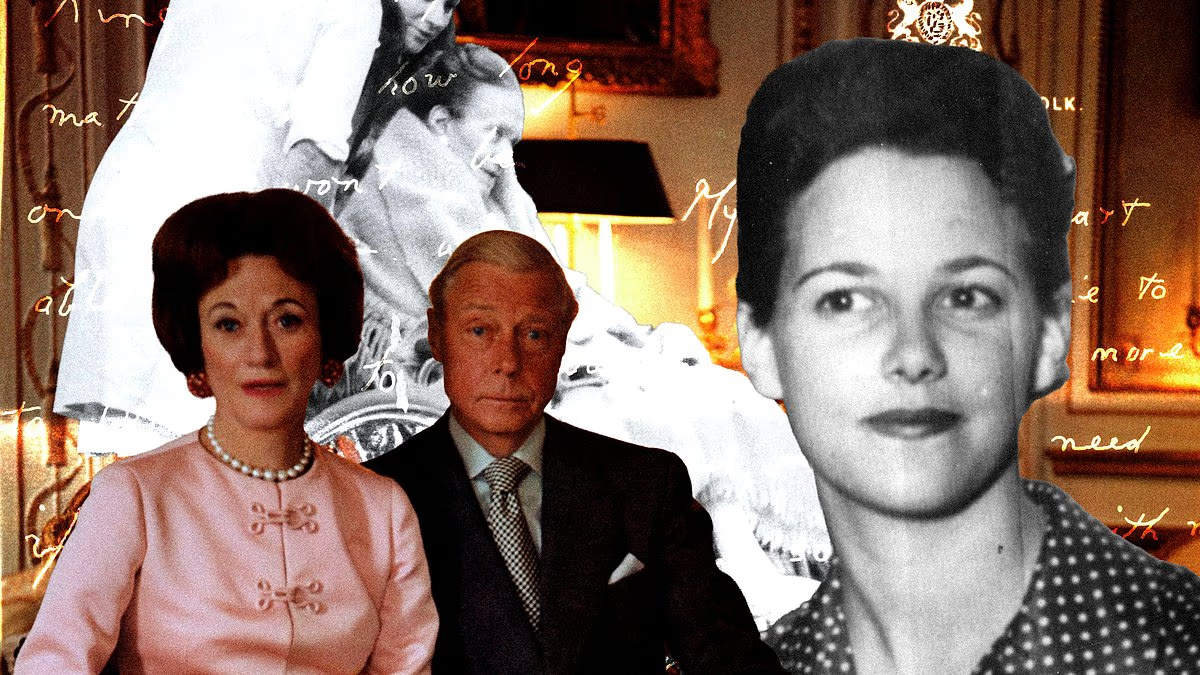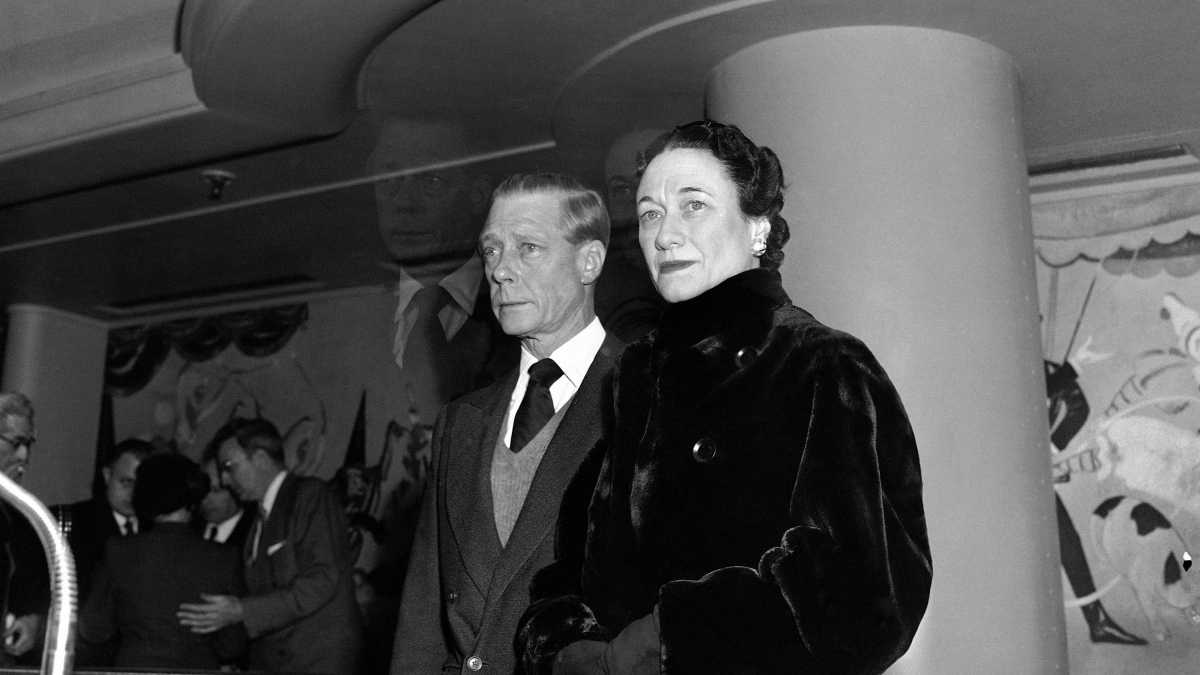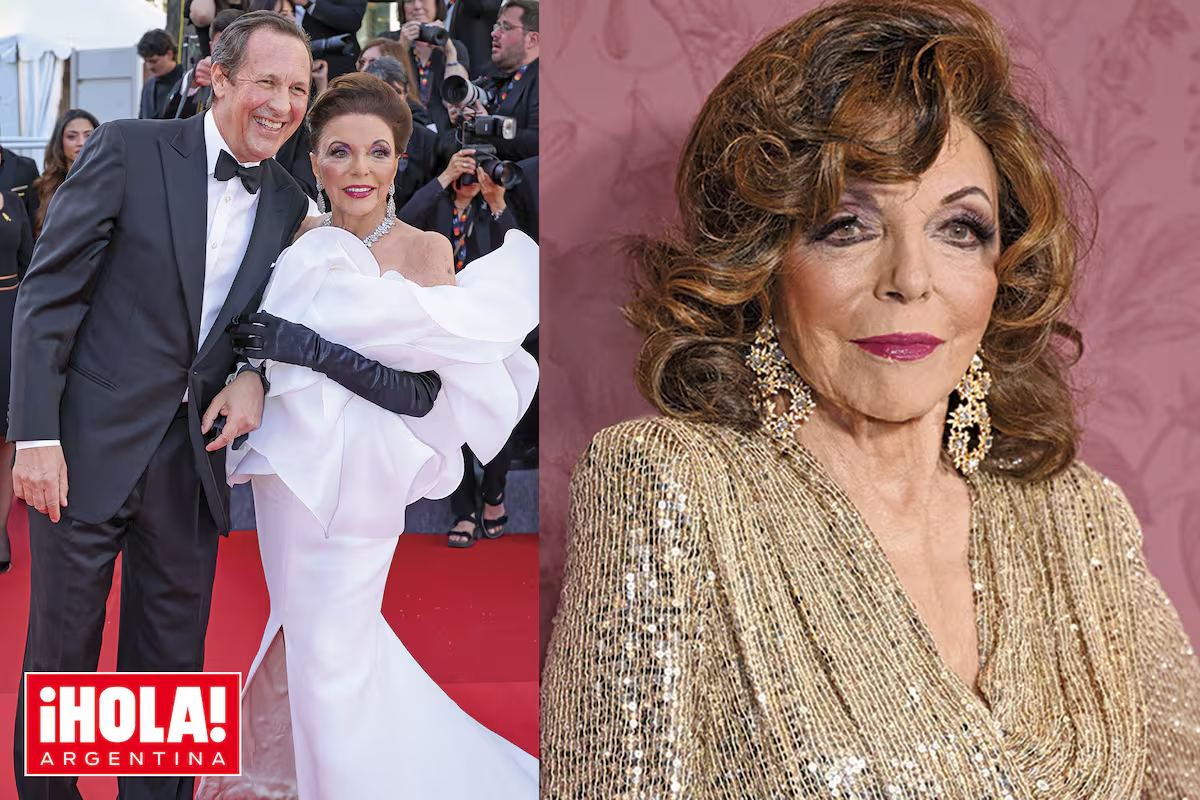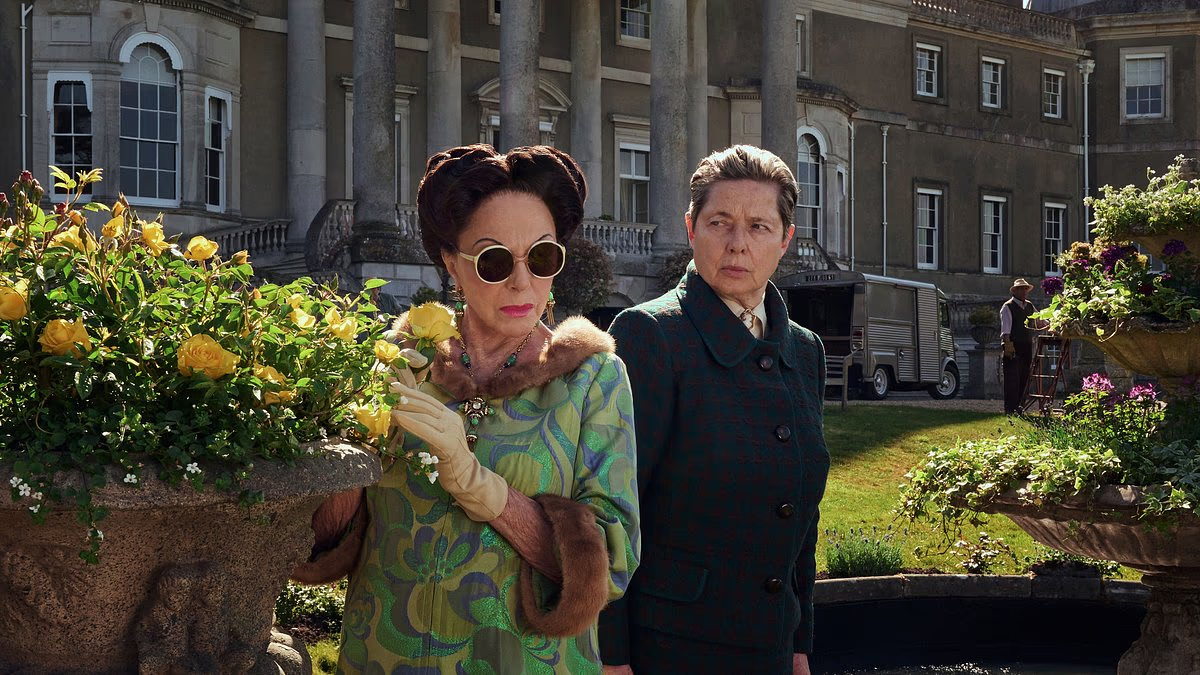
Playing the Duchess of Windsor is probably the most challenging role Joan Collins has ever faced in her astonishing 75-year career.In a new biopic, set for release this year, she'll play the widow of ex-King Edward VIII in the last, wretched, years of her life.In the film, watched over by her controlling attorney Suzanne Blum, Wallis Windsor drifts slowly towards her death, denied her friends and contacts and, in effect, the lawyer's prisoner.But what Ms Collins, 92, can't have known as she rehearsed her lines for 'My Duchess' is that her French-born 'jailer' – played by Isabella Rossellini – spied on Wallis Simpson for almost 40 years until her death in 1986.Documents uncovered by the Daily Mail show that in the summer of 1942, Maitre Blum, as she was known – stranded in New York after the fall of France and short of money – approached the CIA's forerunner, the OSS, seeking employment.She was recommended by William Bullitt, the swanky US Ambassador to France who's said to have been the Duchess's lover in Paris and was also close to Blum.Blum (Rossellini) was taken on for the modern-day equivalent of £50,000, and when peacetime came, returned to Paris where her husband acted as the Duke and Duchess's lawyer. Joan Collins as Wallis Simpson and Isabella Rosselini who plays her attorney, Suzanne Blum in the TV biopic, My DuchessOver the years that followed, she snooped on the royal couple for the Americans, and after the Duke's 1972 death took complete control of the Duchess's affairs.A small and ferocious woman, she was disliked by all who came into contact with her.The writer Caroline Blackwood, sent with Lord Snowdon as her photographer to interview the Duchess, loathed Blum on sight, writing of the 'murderous' look in her eyes. 'If you do not write a favourable article about the Duchess,' Blum hissed at Blackwood, 'I will kill you!'Onscreen Collins and Rossellini will act out what happened next – the once-powerful Duchess's swift decline, and her losing control of her affairs to the rapacious Blum – but not Blum's secret telephone calls and letters to Allen Dulles, head of the CIA, to whom she had reported back on every aspect of the Windsors' life since 1945.During World War II and for years after, the Windsors were more famous in America than the Royal Family itself. The Duke's abdication of throne and empire for 'the woman I love', his frequent trips to the US during the war, and the couple's much-feted social life in New York during the 1950s and 1960s, turned them into superstars. Their celebrity overshadowed the reign of King George VI and, for a time, that of his daughter Queen Elizabeth II.But because of the Windsors' apparent endorsement of Adolf Hitler in the pre-war years, the US secret service was determined to keep an eye on the couple. When the Duke died in 1972, Wallis retreated and went downhill very fast and her memory began to fail Suzanne Blum was the French lawyer and close friend of Duchess of Windsor who is being played by Isabella Rossellini in the new biopicTo this day, many of the CIA files on the couple are so heavily redacted it's impossible to know who was feeding information back to Washington about the ex-royals.But one file uncovered by the Daily Mail points the finger directly at Suzanne Blum – a woman eager to climb aboard the American secret service and one who energetically maintained her close connections with them once the war was over and she was back in Paris.Blum came into the Duchess's world in the pre-war years as the wife of the Duke's Paris attorney Paul Weill, and also because she was a friend of US Ambassador Bill Bullitt, rumoured at the time to be having an affair with the Duchess. By the time the Windsors moved back to Paris in 1945, she was counted as a trusted friend and watched from the sidelines as the Windsors became the most sought-after couple in the City of Light.For 25 years they reigned over the capital city, but when the Duke died in 1972, Wallis retreated and went rapidly downhill. It was as if, with no ex-king around to boss about, her life had lost its purpose. 'She had no inner resources, no hobbies, no pastimes, no interests except clothes and no talents except for wearing them,' wrote one biographer.'My ship is without a captain,' Wallis agreed plaintively.Soon her memory began to fail and she would forget names and faces. She became obsessed with a fear of burglars and kept a revolver on her bedside table, unaware it was a replica. She would rise fearfully at night and peer out of the window looking for intruders. On one occasion she fell and broke her hip, on another, some ribs.She was obsessed with maintaining her status, keeping her mansion in the Bois de Boulogne just as it had been during the Duke's life, even down to preserving his clothes, his pipes and cigars just as they had been during his life.But by 1976, only four years after the Duke's death, she had lost direction, become emaciated, and was drinking vodka by the silver mugful. 'Her mind began to wander,' wrote her biographer Charles Higham. 'Unable to reach the telephone, she would pick up an imaginary instrument and talk into it.'Two years later, he wrote, 'the house was like a morgue. There remained only the butler and his wife, a maid, and the day and night nurses. The duchess had lost the use of her hands and feet and had to be carried from her bed to a clinical couch. She had to be spoon-fed.'Joe Bryan and Charles Murphy, in their definitive book The Windsor Story, added: 'The gates [of Villa Windsor] are locked and the sole keeper of the keys is Maitre Blum.' Lady Diana Mosley, a close friend of the duchess, reported that she had been banned from seeing her for the past three years. Other friends said the same. The Duchess of Windsor seen being pushed in a wheelchair, had to be spoon-fed as she had lost the use of her handsSuzanne Blum had turned the mansion in the Bois de Boulogne into an isolation ward; a prison. The duchess's life lingered on but for almost a decade before her 1988 death she just lay in her bed, fed intravenously, existing in a dream world. In Paris the word started to spread that Blum was keeping her alive for her own ends, and her former private secretary John Utter was heard to say angrily, 'She should be allowed to die!'Blum had quickly grasped control of life at Villa Windsor, firing staff ruthlessly. And now items started to go missing. She accused Earl Mountbatten, the ex-king's cousin and close friend since the pre-Wallis days, of stealing historic papers and helping himself to items which he said the Duke wanted him to have. Mountbatten denied it.But the moment Wallis died, Maitre Blum sanctioned the publication of three books containing intimate details of the Windsors' life, sharing the considerable profits with the author.Nobody knew why the Duchess left the bulk of her considerable fortune, estimated at £3million (£15million today) to the Institut Pasteur – a Paris-based research body with which she had no connection and had never spoken about – but the transfer of funds would have earned Blum a colossal sum in legal fees.And when her world-famous jewels were auctioned in Geneva in 1987 they raised a further £35million – £100 million today – of which Maitre Blum took a whopping administration cut.Later this year, we'll discover what Joan Collins and Isabella Rossellini made of these extraordinary characters and their complex relationship. But a clue lies, perhaps, in a chance remark Blum made to a CIA operative, Carmel Offie, in 1943.'The best way to keep someone as a prisoner,' she confided, 'is to surround them with love, affection, and friendship.'
The 'murderous' lawyer who helped herself to royal jewels
Playing the Duchess of Windsor is probably the most challenging role Joan Collins ever faced in her astonishing 75-year career.
1,320 words~6 min read