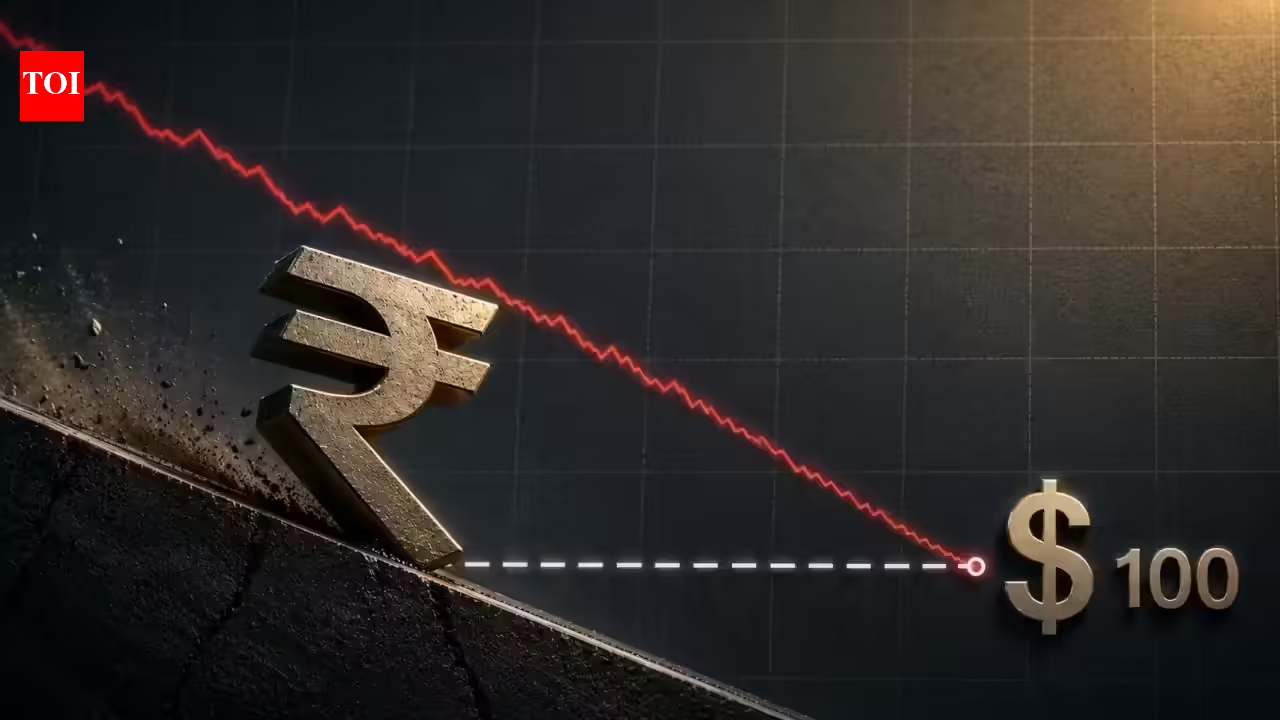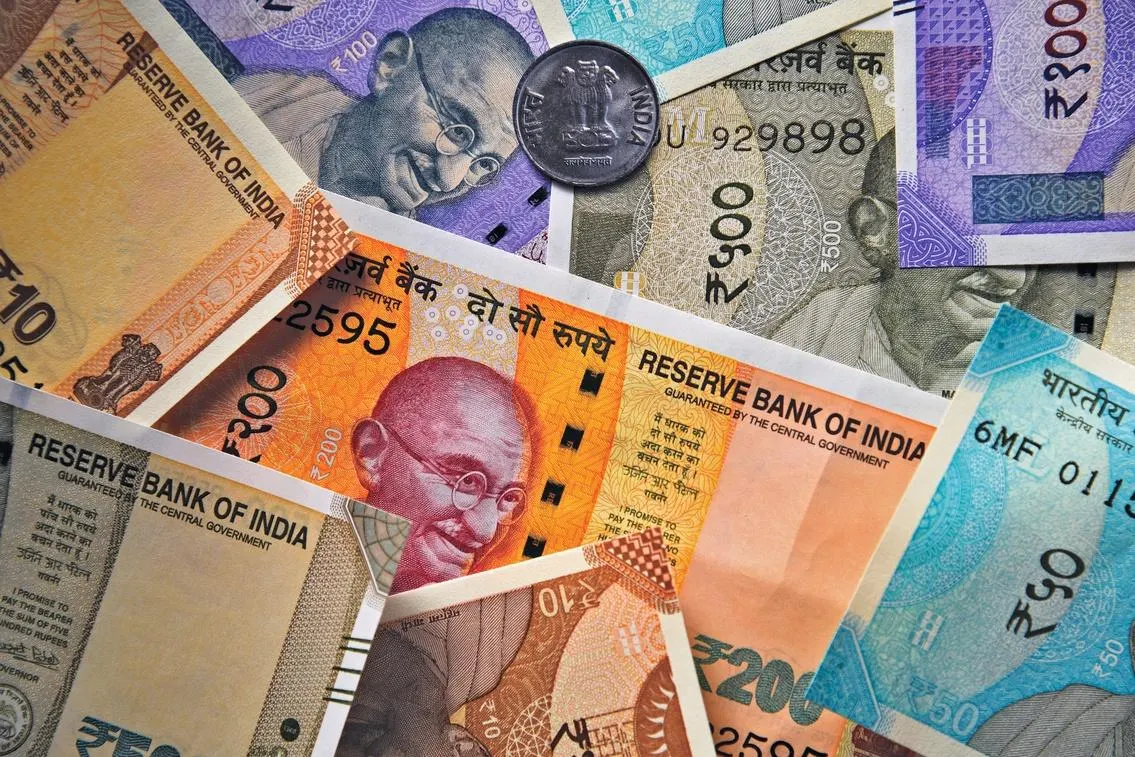
gettyOn any list of countries anxious to see the war in Iran end, India deserves a place near the very top.Few countries have been knocked off balance as sharply. The year began with Modi’s Bharatiya Janata Party celebrating a supposed “Goldilocks moment,” insisting growth and inflation were perfectly aligned. In hindsight, that was wishful thinking. The rupee was Asia’s worst‑performing currency in 2025, sliding 5%. It’s down another 5% so far this year, a clear sign that all that Goldilocks talk hasn’t aged well.Granted, Modi’s government couldn’t have foreseen the U.S. and Israel attacking Iran. Or the surge in oil prices putting India’s $4.1 trillion economy in harm’s way. But Modi’s BJP has had roughly 12 years in power to heal the pre-existing conditions India carried into this energy shock.Namely, twin current-account and budget deficits that are now putting the rupee in harm’s way. The trade war that U.S. President Donald Trump launched in early 2025 — and in his first term as leader from 2017 to 2021 — should have been enough of a wakeup call for New Delhi. Now, the rupee is at an all-time low. Perhaps heading to 96 to the dollar.Analysts at Nomura speak for many when they observe that India’s chronic imbalance problem reflects "a more volatile global environment, but it requires a deeper rethink on how India should manage the external sector in the coming years.” In other words, this problem isn’t going away. In fact, it could get worse if events in the Middle East worsen — and this latest vaguely-worded “truce” unravels. Odds are high it will.Of course, Indonesia is struggling with its own sea of financial red. The rupiah is at its lowest level since the 1997-1998 Asian financial crisis. The Philippine peso sure is taking on the ropes, too. But then neither of these entered the year triumphantly declaring its economy was riding high.There was much high-fiving, for example, over premature reports that India was surpassing Japan in gross domestic product terms. Not so much. And Team Modi seemed to miss more than most governments that artificial intelligence was about to have quite a moment.This explains why India isn’t celebrating zooming past Japan. It’s suffering through headlines about how its stock market just got eclipsed by Taiwan’s. It’s quite a feat by an island with a population 1/60th of India’s. Modi’s economy is 4.2 times as large as the $967 billion economy President Lai Ching‑te oversees.History will show whether a broader stock index that relies so heavily on a handful of companies is healthy or a recipe for a crash. Here, think Taiwan Semiconductor Manufacturing Co., SK Hynix and Samsung in South Korea and Nvidia in the U.S. Yet India, despite benefiting from the data center craze, lacks a main AI player. If India is harboring its own equivalent of China’s DeepSeek, it’s high time for a press leak or two. All this leaves New Delhi less in a place that’s “just right” than in one that requires the Reserve Bank of India to be on battle stations around the clock, defending the rupee.
India’s Rupee In Crisis As Global AI Boom Leaves Modi’s Economy Behind
On any list of countries anxious to see the war in Iran end, India deserves a place near the very top.
514 words~2 min read