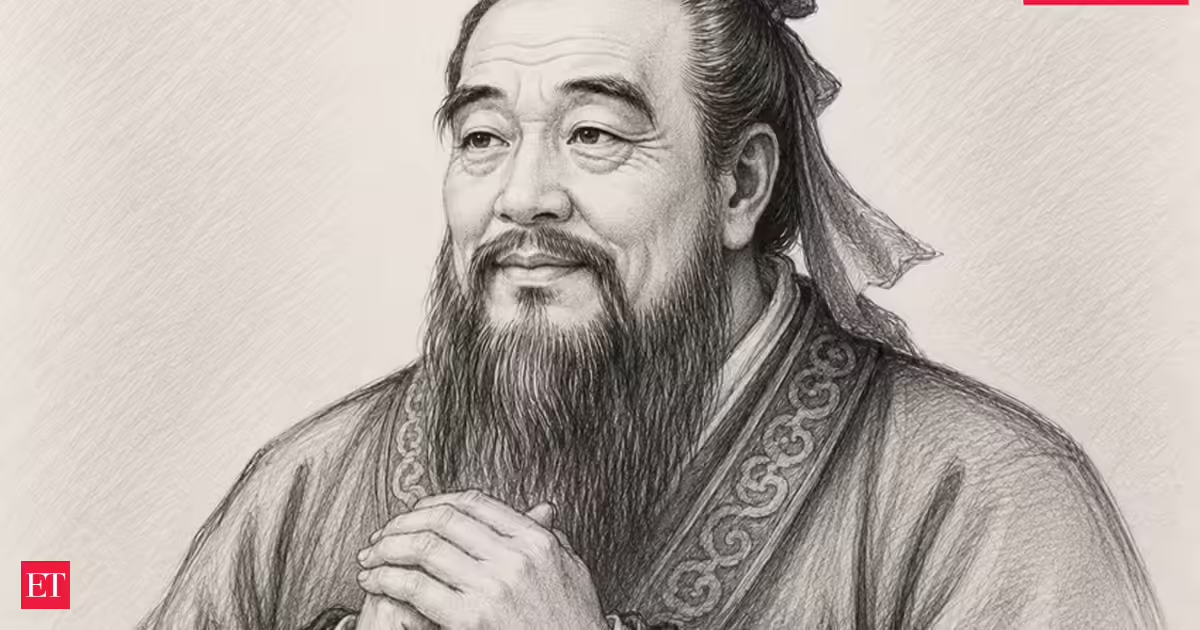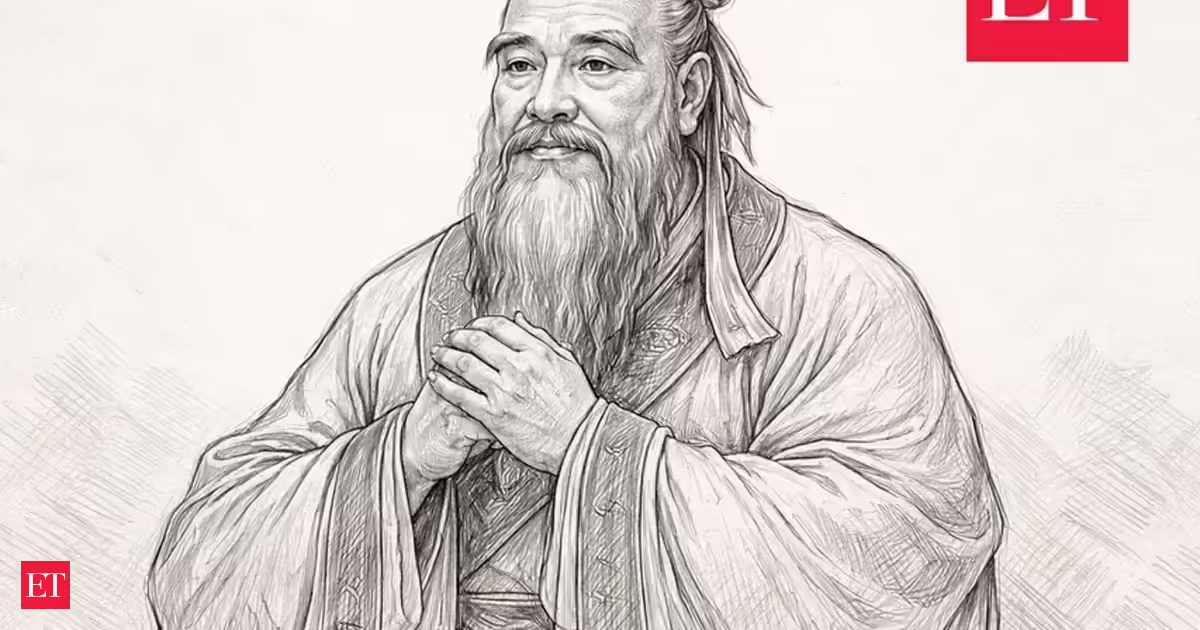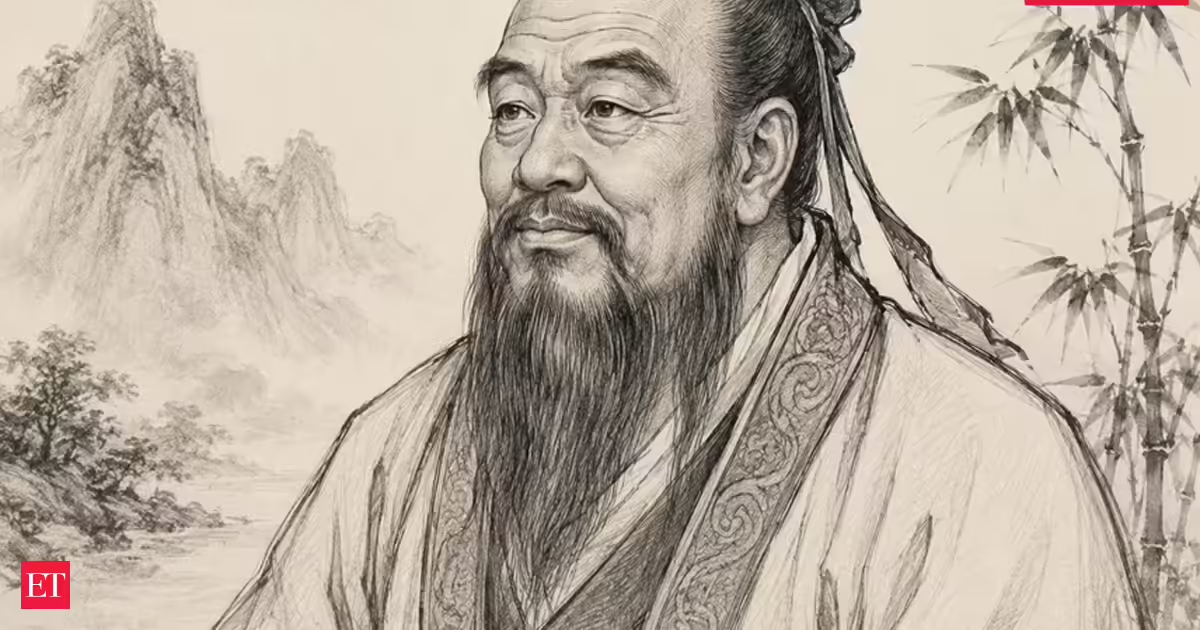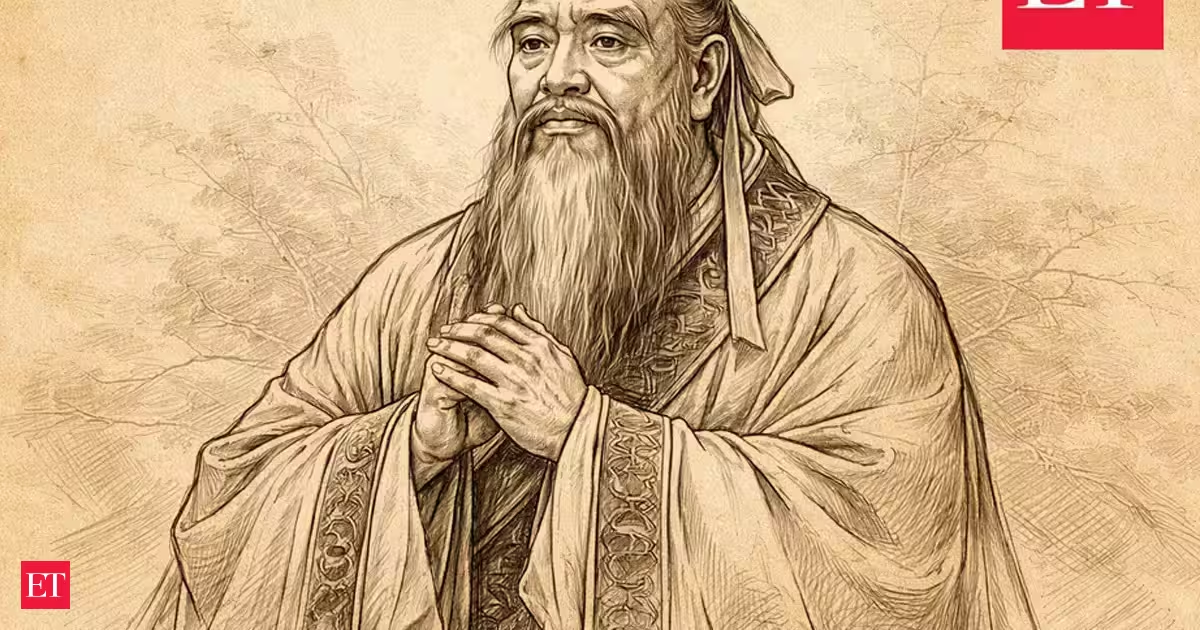
Quote of the Day: Confucius (551–479 BCE) was a Chinese philosopher and teacher whose ideas shaped the moral and social fabric of East Asia for centuries. Born in the state of Lu, he dedicated his life to teaching principles of ethics, governance, and personal conduct. His philosophy emphasized respect, responsibility, and the importance of relationships.As the founder of Confucianism, his influence extended far beyond his lifetime. He advocated filial piety, or respect for parents and elders, as the foundation of moral life. His teachings were compiled into the Analects, a collection of sayings and ideas that remain influential worldwide. Confucius became a guiding figure for rulers, scholars, and families alike, promoting harmony both in society and within the home.Quote of the Day by Confucius: "It is not possible for one to teach others who cannot teach his own family." Confucius reminds us that teaching and leadership are not distant ideals; they begin with the way we live and the guidance we provide within our own families.Confucius: Context, meaning and interpretationThe quote reflects Confucius’s belief that moral authority begins at home. A person’s ability to guide society or students is measured first by how well they nurture and instruct their own family. For him, the family was the cornerstone of civilization, and harmony within households was the key to harmony in communities and nations.The meaning of this quote lies in the importance of consistency and authenticity. If someone cannot instill values, discipline, or wisdom within their closest circle, their credibility to lead or teach others is weakened. True leadership and teaching are rooted in personal integrity and lived example.From this teaching, several life lessons emerge. One must practice before preaching, leading by example in their own home before guiding others. Strong families create strong societies, and authenticity matters because teaching is not only about words but about actions that reflect values. Leadership begins small, and the way one nurtures those closest to them sets the foundation for broader influence.
Quote of the Day by Confucius: ‘It is not possible for one to teach others who cannot teach…'
Confucius, a pivotal Chinese philosopher, emphasized that true leadership and teaching begin within the family. His quote, "It is not possible for one to teach others who cannot teach his own family," highlights the necessity of personal integrity and lived example. This principle underscores that nurturing one's own household is the foundation for influencing society.
328 words~1 min read