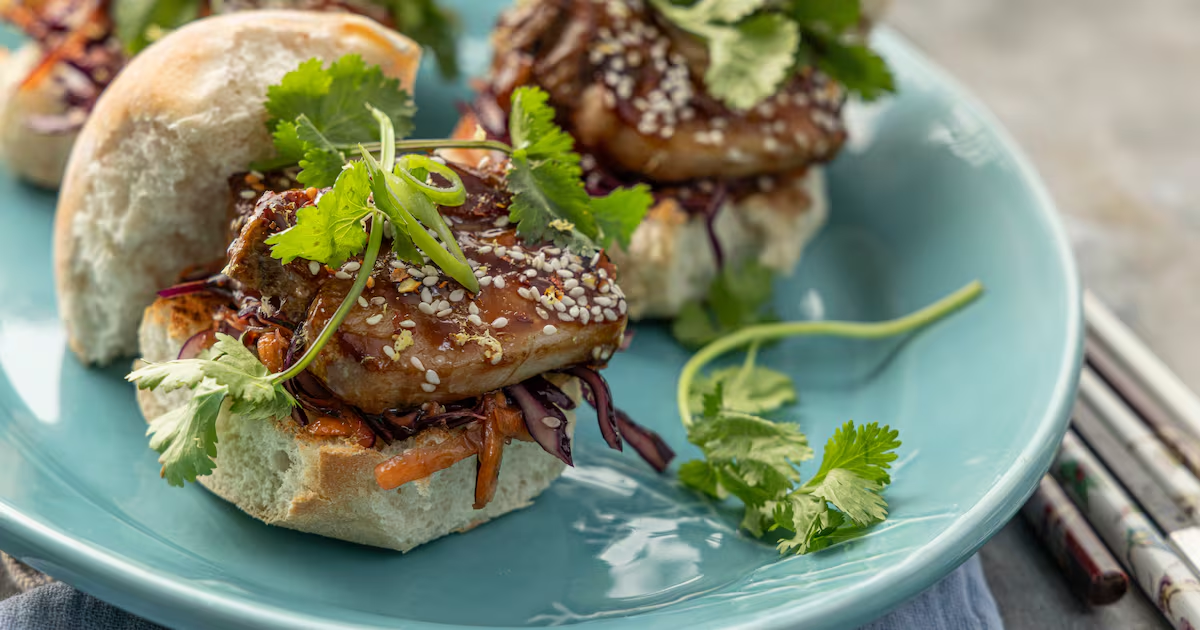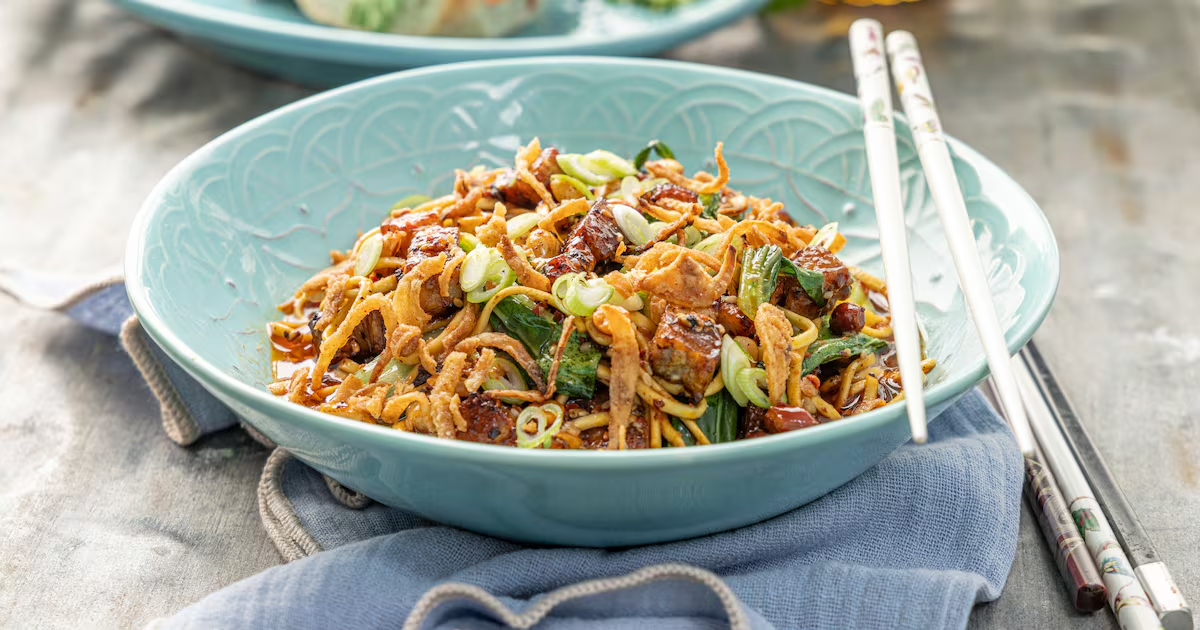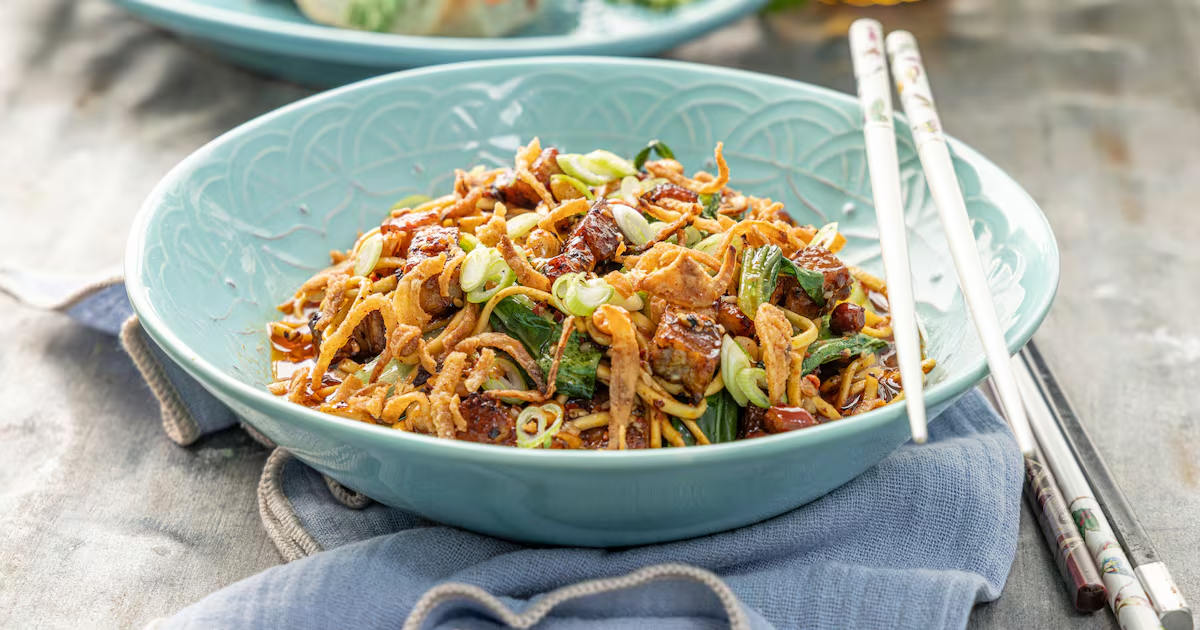
Pork belly forms the base of this week’s recipes. In my eyes, it’s an underused cut of meat that is often seen as complicated to cook and best left to the restaurant menus. This couldn’t be further from the truth; in recent years, it has also appeared more regularly on supermarket shelves. The magic of pork in general is the ratio of fat to meat in different cuts and this is most prominent in the belly cut, where layers of soft meat and melting fat ensure every bite is moist and soft. In my travels through Asia, I saw that pork was the go-to meat for so many dishes. Nothing goes to waste either. I vividly remember a standout dish on the coastal city of Puerto Princesa in the Philippines as one of the best I’ve tasted. We ate it in a tiny restaurant alongside a busy main street, where hundreds of motorbikes, trucks and tuk-tuks weaved along like a river in flood. The room was a pulled-together collection of beach chairs, plastic tables and boxes with various global brands plastered on the side. The dish, called sisig, consisted of fried shallot, ginger and garlic in hot oil. A pig’s head had been slowly boiled before all the meat and fat was pulled off. This was added to the blistering oil with chilli and cooked until crispy all over, with the fat melting into the base of the pan. It was finished with soy and calamansi (a type of Filipino lime) and topped with a fried egg. Served in the sweltering heat with a bottle of beer, it remains one of the more memorable dishes I’ve eaten.While I’m not going to ask you to go boiling a pig’s head, I think you should consider some pork belly in your next shop. Both recipes this week can come from the same piece (approximately 1.6kg in total), which is simply wrapped in tinfoil and cooked for 2½ hours in the oven until soft. It’s then sliced and fried for sliders, and diced and fried for the noodles.The sliders are glazed in a simple sauce made from oyster and Korean gochujang paste. This is becoming more commonplace – it’s a savoury, fiery red pepper paste that is used in small quantities. The slaw is also delicious on its own and potentially one to add to your summer barbecue repertoire. Sticky Korean pork belly sliders with Asian slaw. Photograph: Harry Weir The noodles begin by crisping up the leftover belly and layering it with flavour until a bowl of fiery goodness awaits. The magic of this recipe is it has taken only minutes to bring together and will deliver far more than any takeaway. Two ways with the mighty pork belly, definitely worth a try. Recipe: Sticky Korean pork belly sliders with Asian slawRecipe: Pork belly dandan noodles with peanut and spring onions
Mark Moriarty: Afraid of pork belly? These two recipes will change your mind
People seem to view pork belly as complicated and better left to restaurants, but this is far from the truth
479 words~2 min read