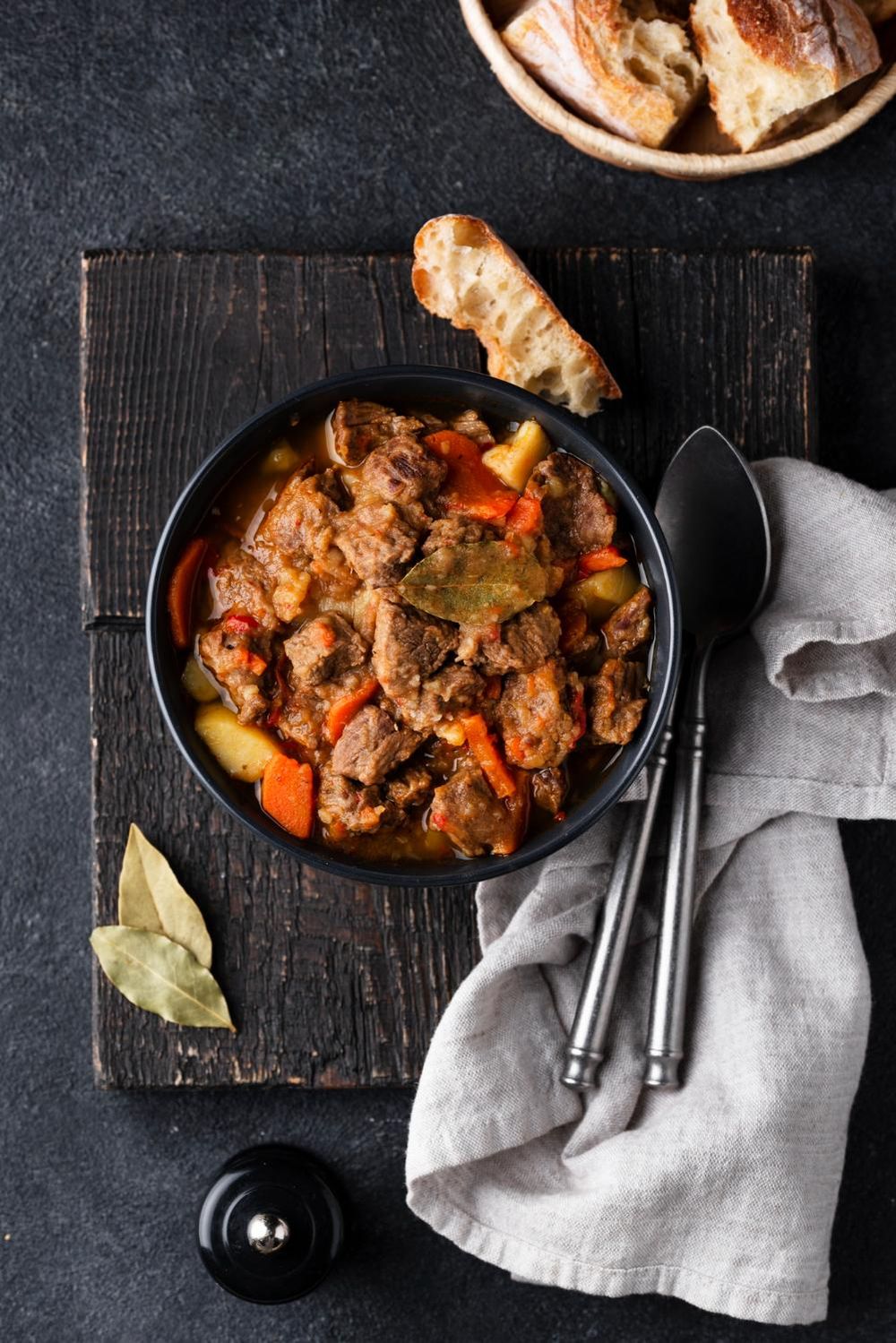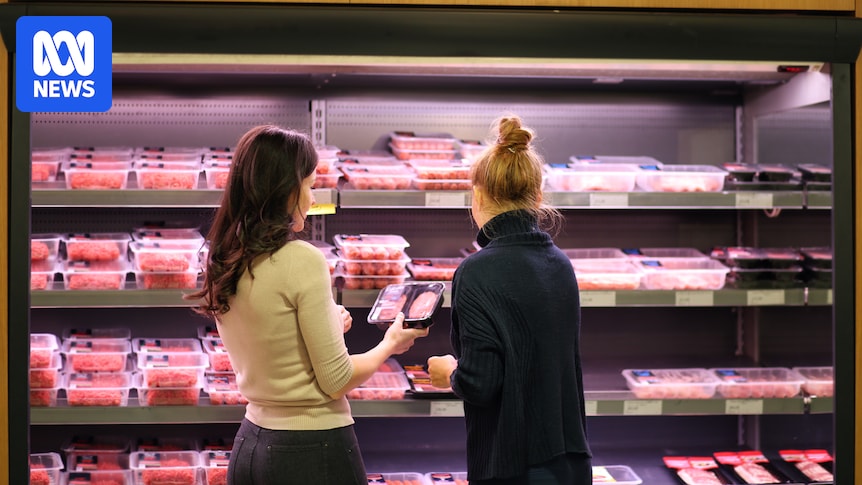
With the rising cost of living and inflation continuing to put a strain on household budgets, many of us are looking to cut costs wherever possible, including at the supermarket.The cost of meat, in particular, has risen sharply over the past 12 months, with March 2026 Consumer Price Index data revealing beef and veal prices have increased by 11.8 per cent in the past year and lamb and goat surging 15.5 per cent.Something that might help you trim the cost of your weekly grocery shop is looking for less well-known cuts of meat.Alison Meagher, a qualified butcher, food stylist and educator based in Bacchus Marsh in regional Victoria, on the traditional lands of the Woiwurrung and Wathaurong people, says lower-cost cuts don't necessarily mean lesser quality.Alison Meagher says lower-cost cuts of meat don't necessarily mean lesser quality. (Supplied: Alison Meagher)"It's all about education," she says. "I think it's more important than ever that we're looking at secondary cuts, but people just don't know about them."So, what are some secondary cuts to keep an eye out for at the supermarket and butcher, and how should you cook with them? BeefWhen it comes to beef, many of us tend to stick with what we're familiar with and used to cooking.Perth/Borloo-based butcher and chef Tom Randolph says, "if budget is a consideration, I reckon you're better off buying something like flat iron."This cut comes from the cow's scapula, is part of a larger single piece of meat called the oyster blade and is common in supermarkets."It looks like sort of a long, thin muscle, but it's got a thick tendon down the middle of it," Mr Randolph says."You cut across the grain and you can slow cook it because you've got this big tendon in the middle of it."But if you fillet it like a fish, you basically drive your knife down to that tendon then cut across the tendon, you'll end up with these two long, relatively thin muscles called a flat iron.He says it's "still super tender and super buttery" but costs substantially less than more popular cuts."Technically speaking it's the second most tender cut on the whole animal," Mr Randolph says.Ms Meagher agrees and also recommends trying bavette, which is also known as flank or sirloin flap.Flank, also known as bavette, is a versatile cut with a robust flavour. (Adobe Stock)"I like that cut, particularly, because it's big, it serves a lot of people, it marinates like an absolute champion, it's extremely versatile, and it can be an awesome steak," she says."The reason it's a good steak is because of its texture. It's got a wide grain and you get a more robust beef flavour."You can make steaks out of it, you can strip it out for stroganoff, you can leave it whole and do a quick marinated cook on the barbecue. It can serve a lot of people and be a show-stopping piece."Ms Meagher says some people find beef brisket "scary" to cook with because "you associate it with blokes with beards and their trucker caps on, smoking a brisket for 12 hours"."But that's not necessarily the way you have to cook a brisket, it can also just be done in the oven. Marinate it, put a rub on it, and throw it in the oven for like eight hours on low."You can cube it, and the reason I like cubing with it and making a pie or a casserole is because it holds its shape really well."Email addressMs Meagher concedes brisket has become more expensive because "the more people ask for it the more expensive it gets", but says chuck is a great alternative, especially if you're using a slow cooker."Those muscles are worked a lot harder so they've got a lot of intermuscular fat and connective tissue, but they do really well [when cooked] over a long period of time," she says."You need to use liquid, onions, red wine. Throw it all in with a bay leaf, carrots, whatever vegetables you want to use."LambThe days of lamb being the most affordable option for a Sunday roast are long gone, as Mr Randolph explains."Lamb's challenging because the price is through the absolute roof," he says."We sell lamb because I'd be a funny butcher not to sell lamb, but there's definitely no money in it [for us]."When I started my business four years ago to now, we're paying double for our input cost to the price of the lamb."Even lamb shanks, which were once considered a cheap alternative to cutlets or a leg, have become a premium choice as people have become more used to cooking them.Ms Meagher suggests "a slow-cook cut like neck [as] an alternative to lamb shanks because it's cheaper"."Using a slow cooker is definitely more forgiving. You can stuff it up a bit and still get away with it," she says.The rich, gamier flavour of mutton makes it an excellent option for curries. (Adobe Stock)Mutton is often spoken about pejoratively but Ms Meagher says its richer, gamey flavour makes it a great choice for curries."It can be a lot cheaper, too, but it can be hard to get mutton here because they're sending it all overseas," she says.And if you are set on cooking an old-fashioned lamb roast, Ms Meagher says opting for shoulder over leg can be a false economy."You cook a shoulder and it's almost 70 per cent of what you bought when you finished … that's what I find," she says."But a leg of lamb holds its shape better. It's denser and you can slow cook it."ChickenAlthough chicken thigh is not always the budget-friendly alternative it used to be, Ms Meagher says she prefers it to breast."Thigh is good for a curry because it's got more fat, so it doesn't dry out as quickly [as breast]," she says, adding that it's cheaper if you buy thighs with the skin on and take it off yourself.She also recommends keeping an eye out for Maryland cuts, the thigh with the drumstick attached, as a more affordable option."They are so cheap and you can get them in any supermarket," Ms Meagher says."Tenderloins are also cheaper and just as good. They sit under the breast," she says.Other tipsAlthough supermarkets are often the most convenient option for time-poor shoppers and home cooks, Ms Meagher says finding a good butcher can be more cost-effective than you might think."You can control portion size. If you don't need 500 grams of chuck you can take 300," she says."You also get to speak to someone who's engaged in what you're doing and they can help you, and can probably get in what you're asking for."Mr Randolph says you can also "ask your butcher which cut to use for [your] purpose".
Cuts of meat that can save you money and how to cook with them
If you are looking to trim your household food budget, lower-cost cuts of meat could be a good place to start. Here are some tips on what to look for and how to cook them.
1,119 words~5 min read