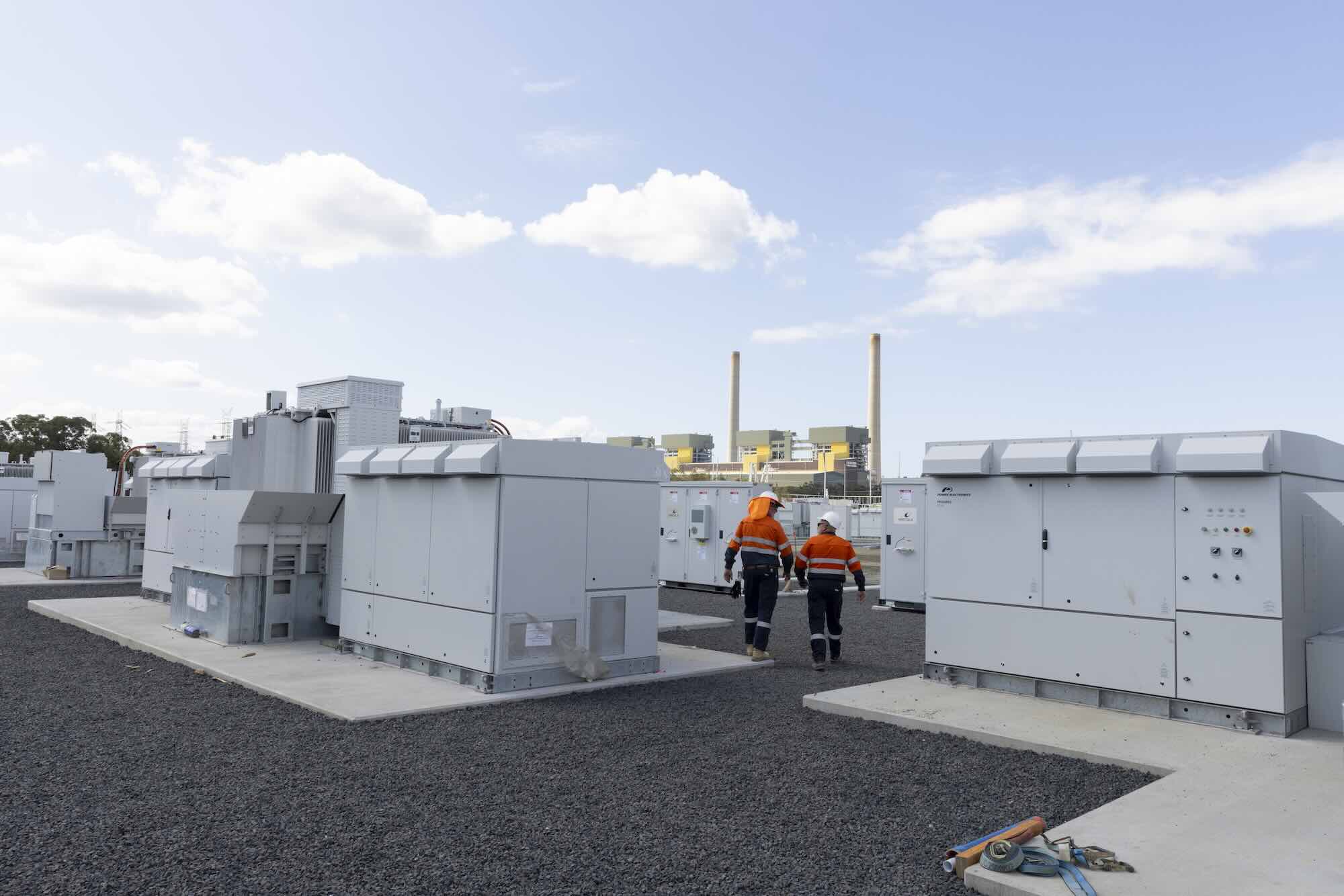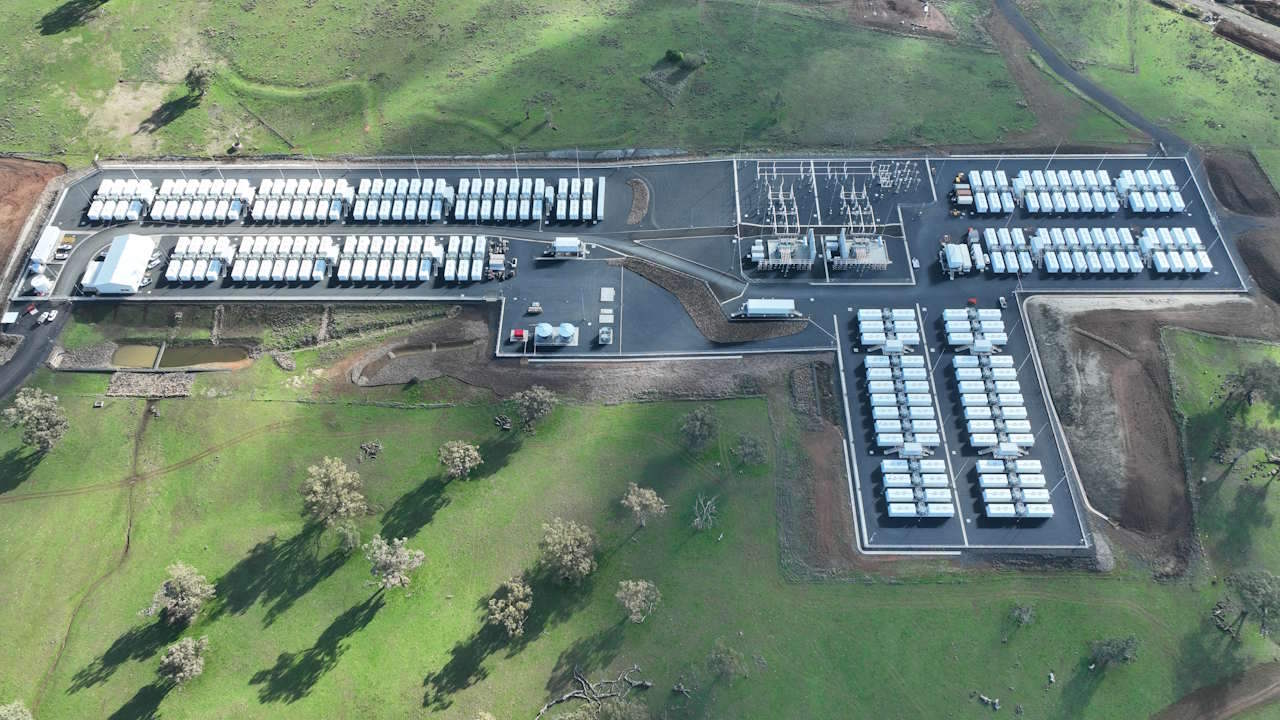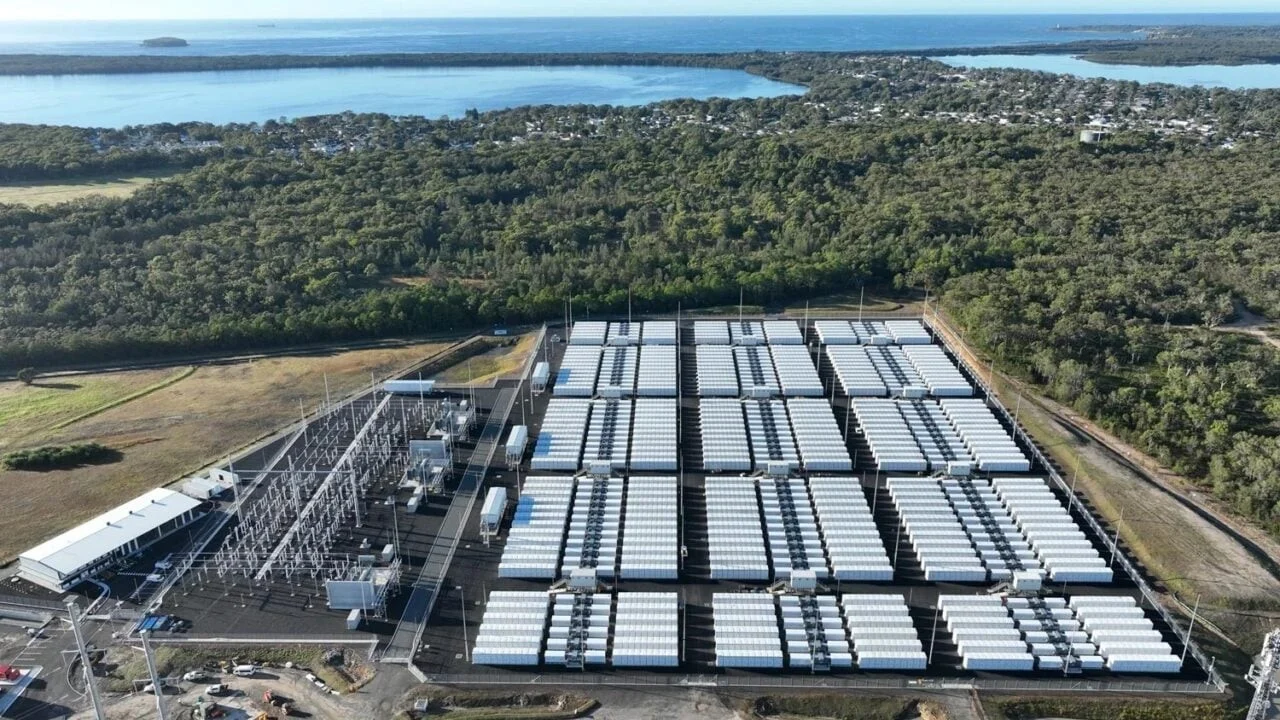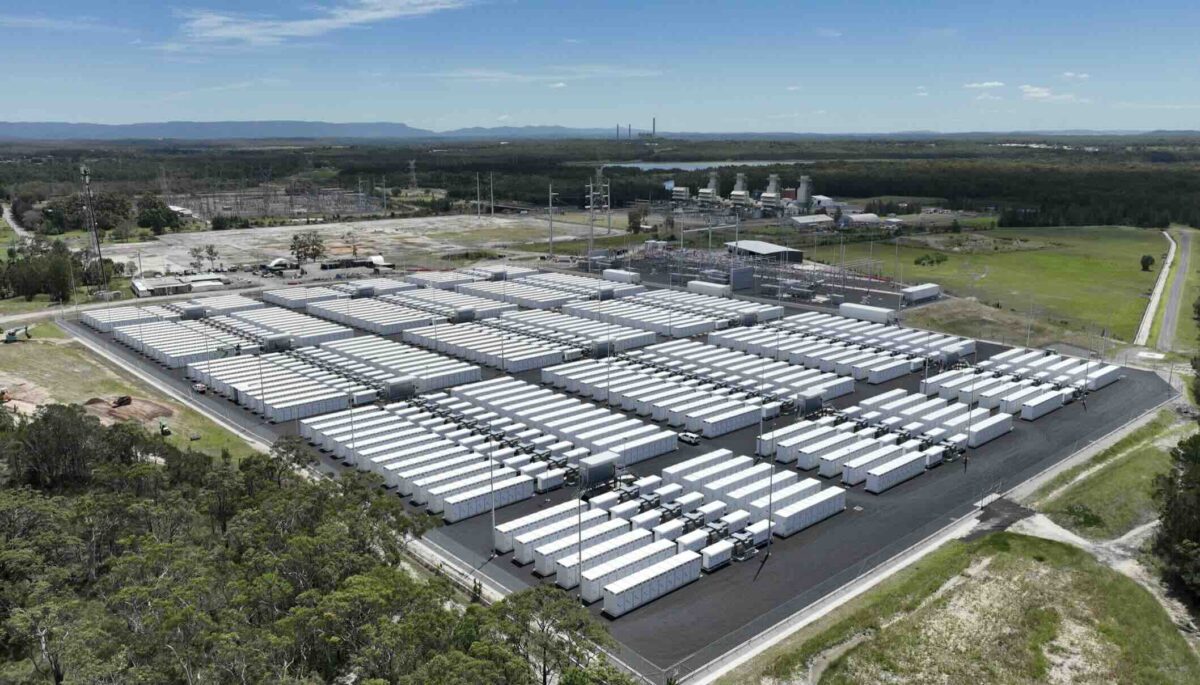
Delays to the start of Australia’s most powerful battery – the Waratah Super Battery on the central coast of NSW – have already resulted in a more than $90 million cut in payments from its contracted role as a giant “shock absorber” to the grid.
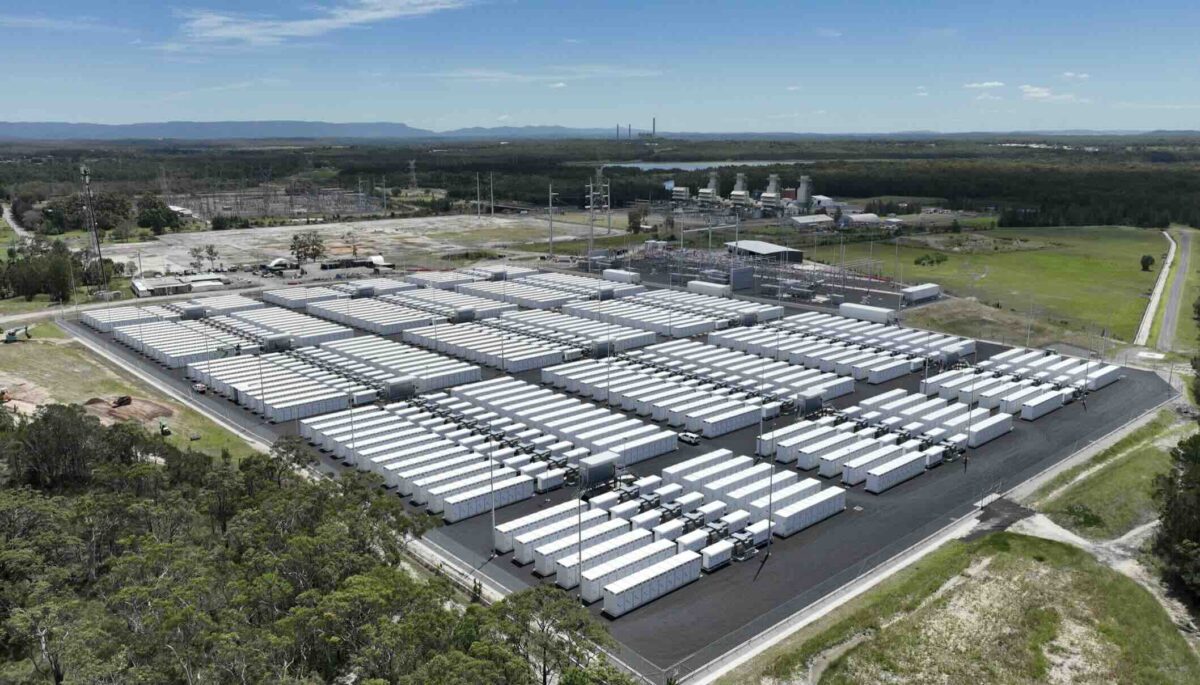
The Waratah battery, at its full capacity of 850 megawatts (MW) and 1680 megawatt hours (MWh), will be the most powerful battery in the country, and likely the world, and will also be the most powerful machine ever to be connected to the Australian grid.
The battery itself has been built, and is partially operating, but a “catastrophic” failure at one of its transformers late last year means it is only running at about half of its finally capacity, and won’t be fully commissioned until the end of the year, all going well.
Construction of the project had already been delayed by a combination of bad weather and other complications, according to its owner Akaysha Energy, which caused it to miss its original starting date of May, 2025. That meant it could not start to deliver on its role as a kind of giant “shock absorber” to the grid until later that year.
The financial impact of those delays have now been revealed by the Australian Energy Regulator, which must approve the payments made by regulated network operator Transgrid to the Waratah battery and other components of the System Integrity Protection Scheme (SIPS),