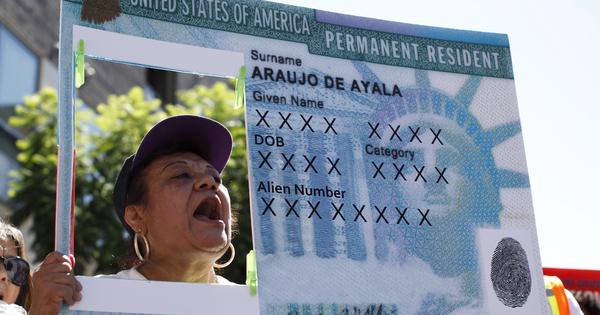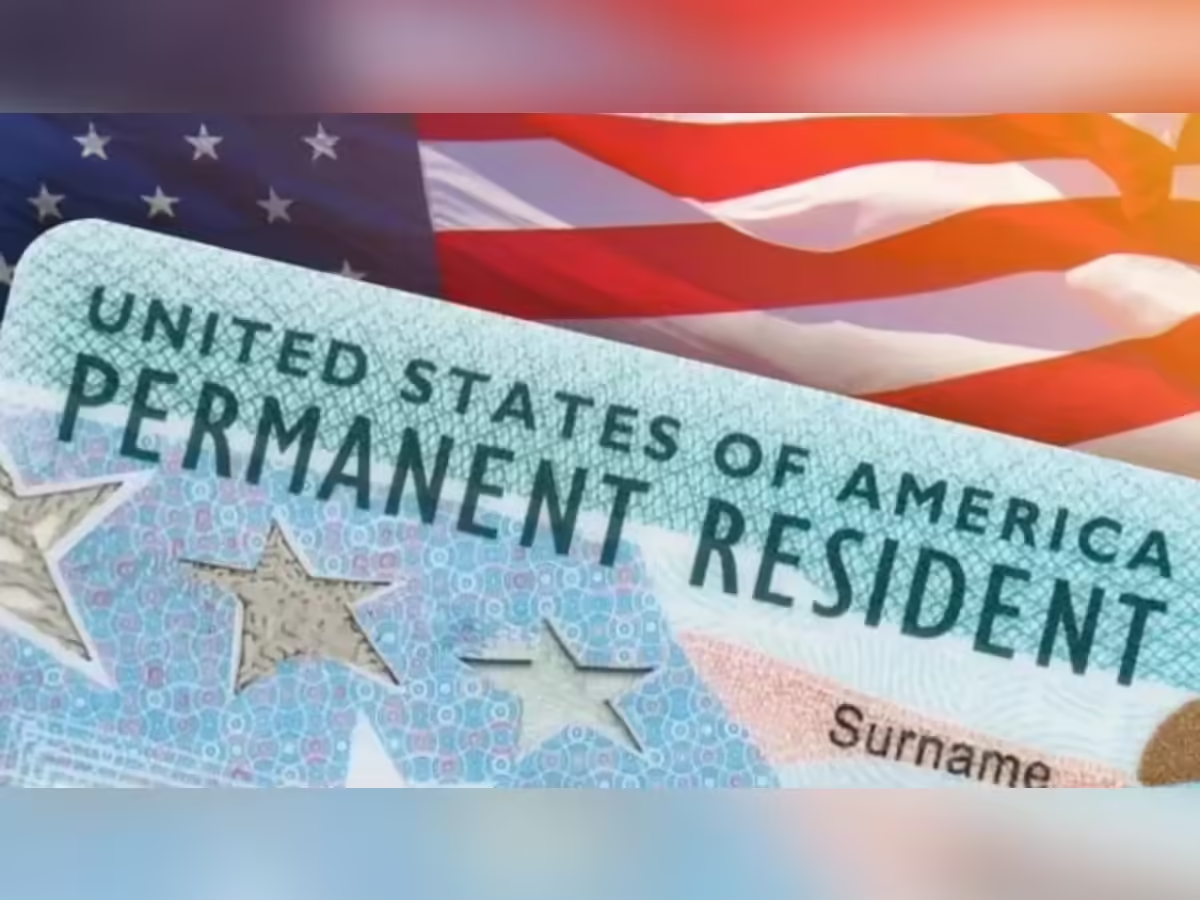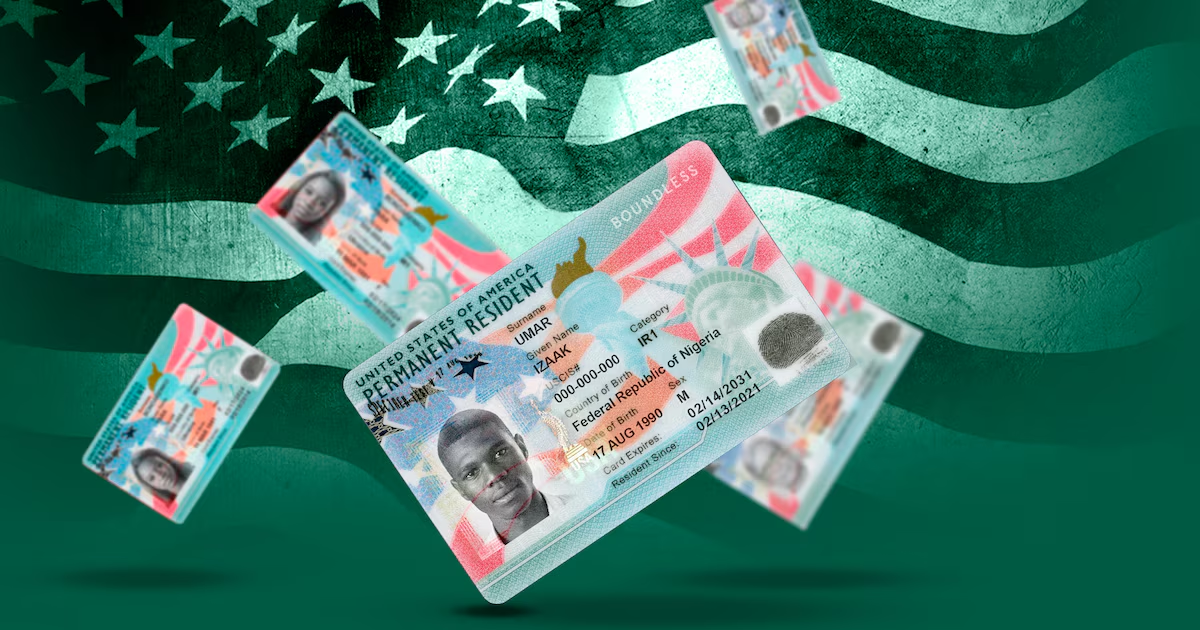
A USCIS directive issued May 21 reframes applying from inside the country as an exception rather than the norm, narrowing the standard pipeline from student visa to permanent residency.
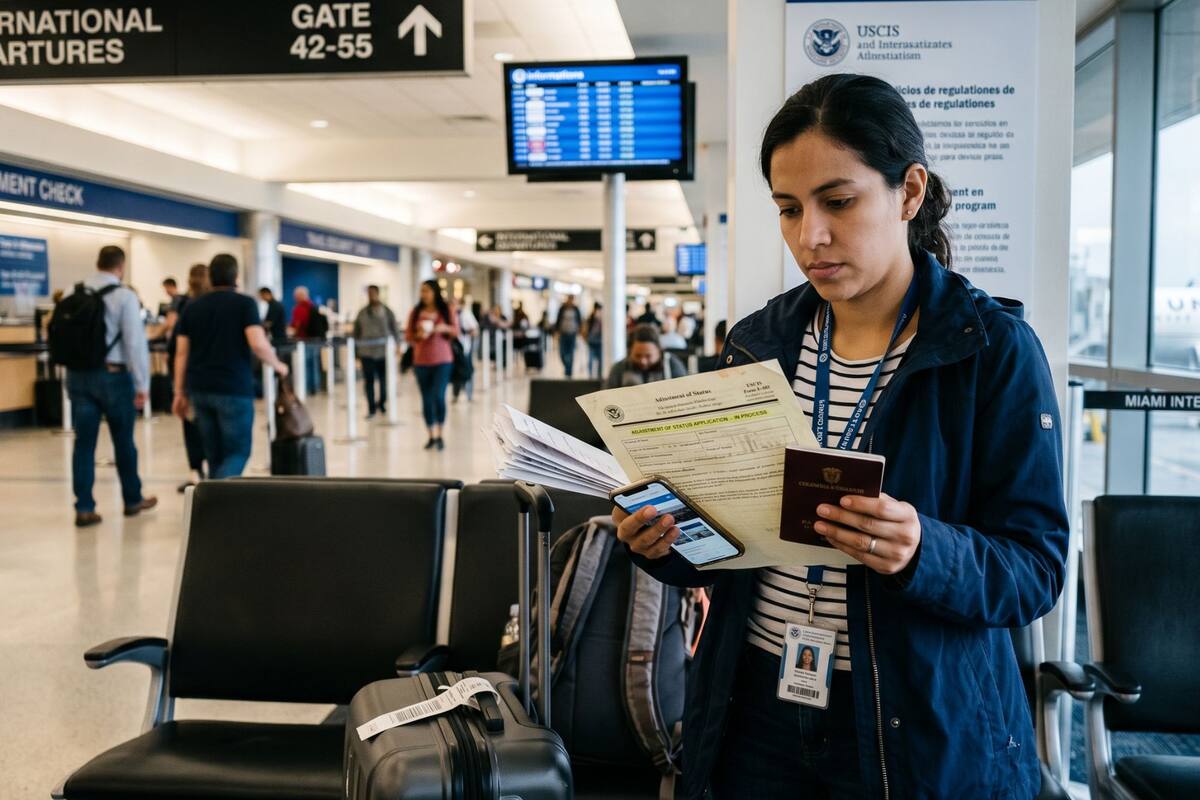
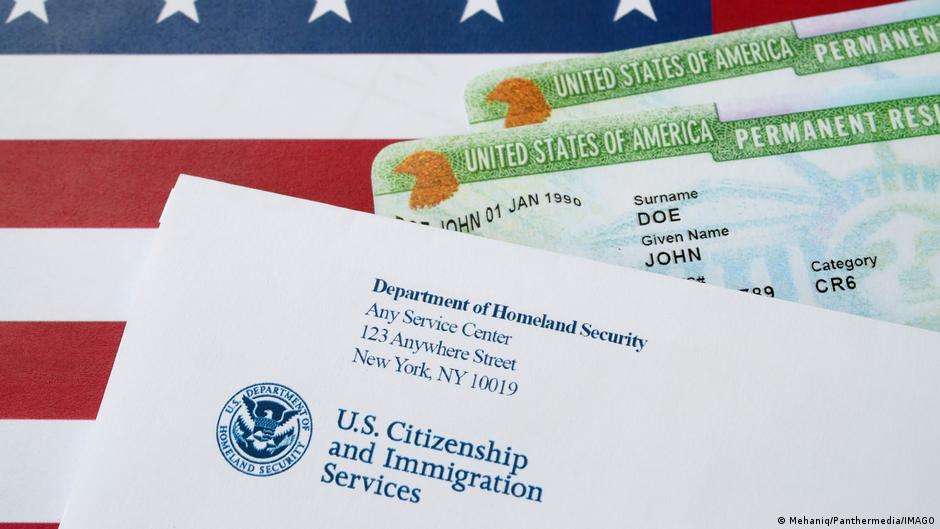
U.S. Citizenship and Immigration Services has directed its officers to treat applications for a green card filed from inside the country as an "extraordinary form of relief," effectively requiring most foreign nationals on temporary visas to leave the U.S. and apply through a consulate abroad.The policy memorandum, PM-602-0199, recasts adjustment of status, the long-standing process that lets eligible foreign nationals secure a green card without leaving the U.S., as a discretionary exception rather than the default route. Consular processing abroad is now described as the ordinary pathway.About 1 million people apply for U.S. green cards each year, roughly half of them from within the country, former USCIS official Doug Rand told NBC News."From now on, an alien who is in the U.S. temporarily and wants a Green Card must return to their home country to apply, except in extraordinary circumstances," USCIS spokesman Zach Kahler said in a statement.For international students, the change closes the most reliable route from study to permanent residency. The standard sequence has been graduation, Optional Practical Training, an H-1B work visa with an employer sponsor, and adjustment of status to a green card. Staying in the U.S. during adjudication protected employment, prevented breaks in legal status and removed the risk of being stranded abroad if visa problems arose.Immigration law firms including WR Immigration, Baker Donelson and Newland Chase have flagged international students among the groups most exposed. The Harvard International Office notes on its website that the F-1 student visa is a nonimmigrant category whose sole purpose is study, and that applicants must demonstrate an intent to return home after graduation. F-1 holders who pivot quickly toward a green card are now likely to face sharper scrutiny.Foreign nationals on dual-intent visas such as H-1B and L-1, which legally permit both temporary work and a future bid for permanent residency, retain a stronger footing, though immigration attorneys warn even they face less certainty. The memo signals that compliance with visa rules and a clean legal status are not by themselves enough to guarantee favorable consideration; applicants must affirmatively show they deserve the discretionary grant.