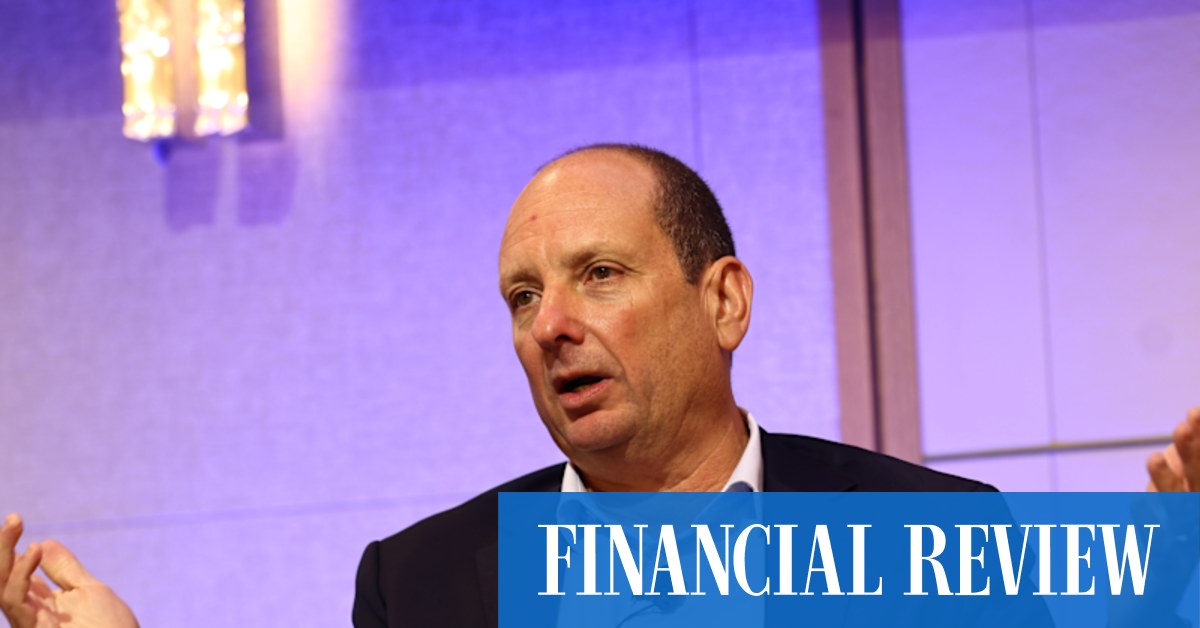
Minerals Council South Africa, which represents 90% of South Africa’s mineral production, says that while transformation is a key pillar of growth, employment equity laws are no guarantee of economic progress. “Transformation is key to competitive and inclusive growth, not a substitute; but growth cannot be legislated through transformation,” council CEO Mzila Mthenjane told the group’s 136th AGM in Johannesburg this week. In January the government introduced the Employment Equity Amendment Act and published regulations with stricter sectoral targets. Under the act, organisations with 50 employees or more are required to have five-year employment equity plans in line with sectoral targets. Mthenjane said the industry was on track to meet the targets. “Our research among our members shows strong investment in skills development, reflecting commitment to workforce empowerment and long-term sustainability; for our members, transformation is deliberate, achievable and supported by strengthened skills pipelines,“ he said.In its latest integrated review, the council said the regulations obliged the industry to establish specific targets across upper occupational levels, including senior management. However, implementation was not always easy.“While the regulatory objective is to accelerate transformation and strengthen accountability, industry-level engagements during the year highlighted persistent structural constraints affecting implementation,” it said.The second draft of the bill does not fully represent those engagements ... We do worry about the so-called sandbag effect, where we have a surprise.— Paul DunneThe mining charter, the transformation policy introduced in 2004, set targets for the inclusion of black South Africans. The council said a survey to which 96 mining rights-holders that represent just over half the workforce had responded indicated that representation of black South Africans was in line with mining charter targets across most levels. But alignment with equity targets in the legislation appeared to fall short at senior management level. “Female representation increased marginally to 21% of the workforce, with continued under-representation at senior and junior management levels, while representation of employees living with disabilities remained below the 1.5% target,” it said.Human resource development spending averaged just over 6% of payroll during the 2024/2025 reporting period, exceeding mining charter requirements. Mthenjane said the mining industry was pivotal to the economy, contributing substantially to exports and employment and providing the fiscus with revenue during volatile market periods. However, the regulatory environment was a stumbling block.“Our contribution to the economy and society is significant and incontestable. Yet this industry remains with unrealised and untapped potential to make a far greater contribution if provided with a favourable regulatory and operating environment,” he said.Mthenjane said growth would not happen automatically just because South Africa was endowed with minerals. “Attracting investment and realising production growth and new entrants require policy certainty, a lower cost of doing business and competitive sector performance through reliable sources of electricity, water and logistics.” A year ago the industry threatened to take legal action against the department of mineral & petroleum resources (DMPR) amid concerns that the Mineral & Petroleum Resources Development Bill would undermine investment. The council flagged security of tenure and investment predictability as the main problems. Since then, the public participation process has eased the council’s concerns and it expects its inputs to be reflected in upcoming versions of the bill. Also speaking at the AGM, council president Paul Dunne said engagements with the department and minister Gwede Mantashe have been “both professional and productive, and we appreciate that”. “The mining sector needs a stable regulatory environment that is well administered by professionals. We are encouraged by the nature of the engagements we have had with the DMPR since the draft bill was gazetted a year ago...“What worries us is that the second draft of the amendment bill does not fully represent those engagements. You could understand why the industry is so cautious and raising its concerns and even raising concerns publicly; we do worry about the so-called sandbag effect, where we have a surprise,” said Dunne, who is CEO of Northam Platinum.He said the sector needed an act that would encourage and sustain long-term investment and growth in exploration, the development of new mines, the entry of new players and the extension of the lives of existing operations. Business Times
Mining bosses back transformation but criticise sector legislation
The Minerals Council AGM hears that the sector is broadly on track in its hiring policies, but executives are still unhappy with the the minerals development bill
688 words~3 min read