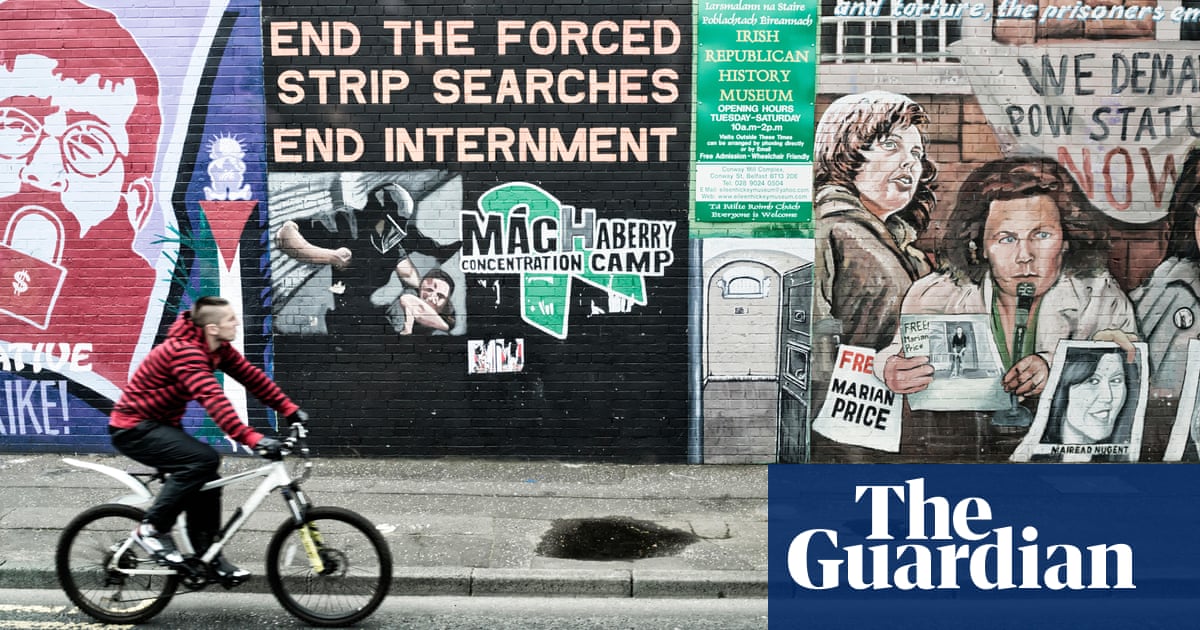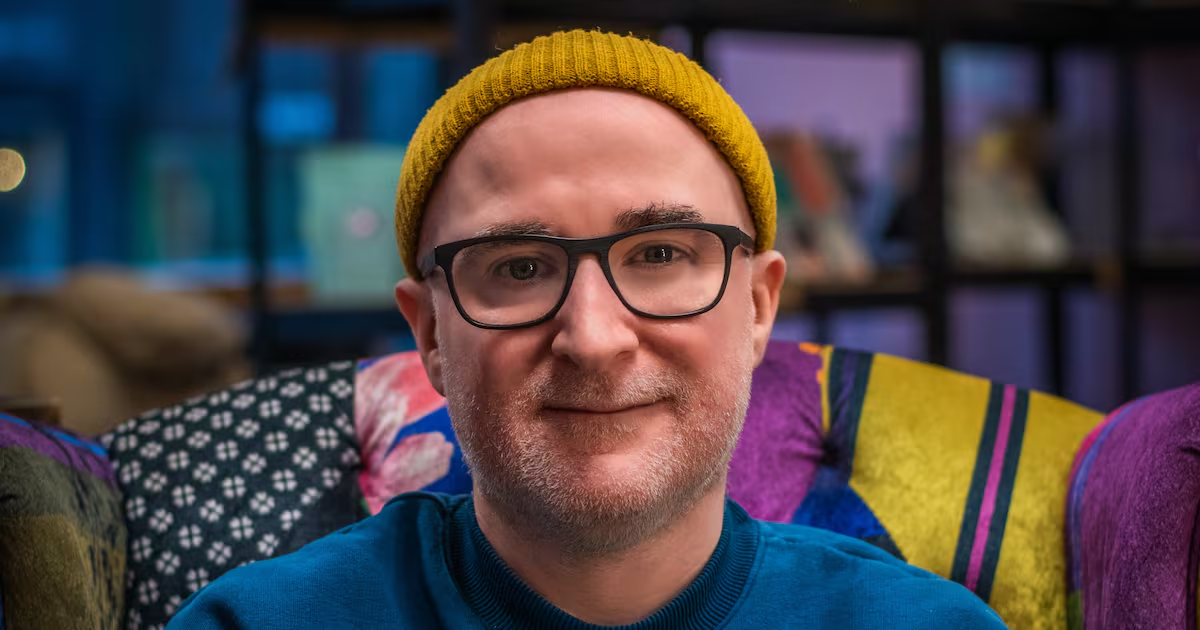
Tell us about your debut YA novel, The Last Death Poet. You got the idea watching riots on the TV close to where you grew up.The riots were close to where my family live and I got upset that my nieces and nephews would have to see violence on the streets, as I had growing up. I wondered how much children here know about the Troubles, when so much is unspoken. I created the idea of a ‘death poet’, who has the power to see not just the past, but the sources of the traumas that are being silently passed down to this generation.It’s a coming-of-age story with a paranormal twist exploring intergenerational trauma and queer identity in Belfast.Michael is 16 and has moved from London to Belfast to stay with his mum’s family following the disappearance of his dad. When he starts having visions of the past, he pieces together the connection between family secrets and Belfast’s turbulent past.What does it tell us about the interplay of past and present in a post-conflict society?We can’t escape the past and how it’s shaped us, but if we don’t try to heal we will never be present in the now. The discourse is still rooted in the narrative of hatred, but so little is acknowledged of the wounds people still carry from the past.It’s a great title. Where does it come from?I love the title, but I can’t take any credit for it. My amazing editor, Katie Jennings, came up with it. I have learned that I am terrible at titles. Gay people are not the only people in the North who hid their true identity. Others are hiding who they are and what they’ve lived through.So many people who lived through the Troubles silently bore witness to normalised violence. They carry so much trauma that they are either consciously hiding or keeping buried.You left Belfast at 18 and have now returned as a writer. How much has it changed? How much has it stayed the same?I moved in the years following the Good Friday Agreement, when the city still felt split and sometimes unwelcoming. Now, Belfast is bustling, with so many tourist attractions. The divisive politics are the same, but gradual change is starting to happen. Is it time to tell more queer Irish stories?In a time of growing censorship, queer voices are essential for young people finding their own identities. Queer stories can be a beacon of hope for those struggling to find acceptance and love in their communities. You say that there are dark forces from Irish mythology that refuse to be ignored. What do you mean?I am fascinated by Irish mythology and bringing deities to the modern world, including how [the] Tuatha Dé Danann would intersect with the bloody conflict of the Troubles.You are also a photographer with a background in theatre. How do those disciplines feed into your fiction? Michael’s a photographer to highlight that first-person artistic eye when encountering the visions. Because of theatre, I naturally think of stories in terms of ensemble scenes on stage. It gave me a love for dialogue – the rhythm and flavour of the human voice tell us so much about each character.Which projects are you working on?I’m working on my second novel. A standalone queer YA book, this time set in East Belfast and focusing on the pressures of masculinity on teen boys alongside repression, obsession and desire.Have you ever made a literary pilgrimage?No, but I have always wanted to go to San Francisco to walk the streets I fell for in Tales of the City.What is the best writing advice you have heard?“You are going to have to allow yourself to write badly, or your ideas will die with you.” Katherine Rundell.Who do you admire the most?Librarians making sure that life-changing books are reaching readers who need them. You are supreme ruler for a day. Which law do you pass or abolish?Conversion therapy should be a criminal offence. We need to protect the rights and autonomy of LGBTQ+ young people. Which current book, film and podcast would you recommend?Tom Burne Has Left the Chat by Seán Farrelly, a fellow Irish queer YA debut that explores grief and connection.Which public event affected you most?The signing of the Good Friday Agreement changed the world for me and everyone since.The most remarkable place you have visited?Costa Rica. Their commitment to protecting the environment is part of a culture with a deep respect for the world. Pura Vida!Your most treasured possession?I have an ever-growing Lego collection – my go-to pastime!What is the most beautiful book that you own?The Folio Society edition of The Starless Sea by Erin Morgenstern. Which writers, living or dead, would you invite to your dream dinner party?Terry Pratchett, Juno Dawson, Mary Shelley and bell hooks.The best and worst things about where you live?Best – the people and our culture. Worst – our lack of trains. Please, more train networks![ President opens Ireland’s Home for Poetry and HeritageOpens in new window ]What is your favourite quotation?“You only are free when you realise you belong no place – you belong every place – no place at all. The price is high. The reward is great.” Maya Angelou.Who is your favourite fictional character?Lyra Belacqua (and Pantalaimon) in His Dark Materials by Philip Pullman.A book to make me laugh?Perfectly Preventable Deaths by Deirdre Sullivan – terrifying but hilarious.A book that might move me to tears?Runaway Road by Sue Divin, a sibling story looking at the care and youth justice system in Northern Ireland; it had me sobbing.The Last Death Poet is published by Rock the Boat
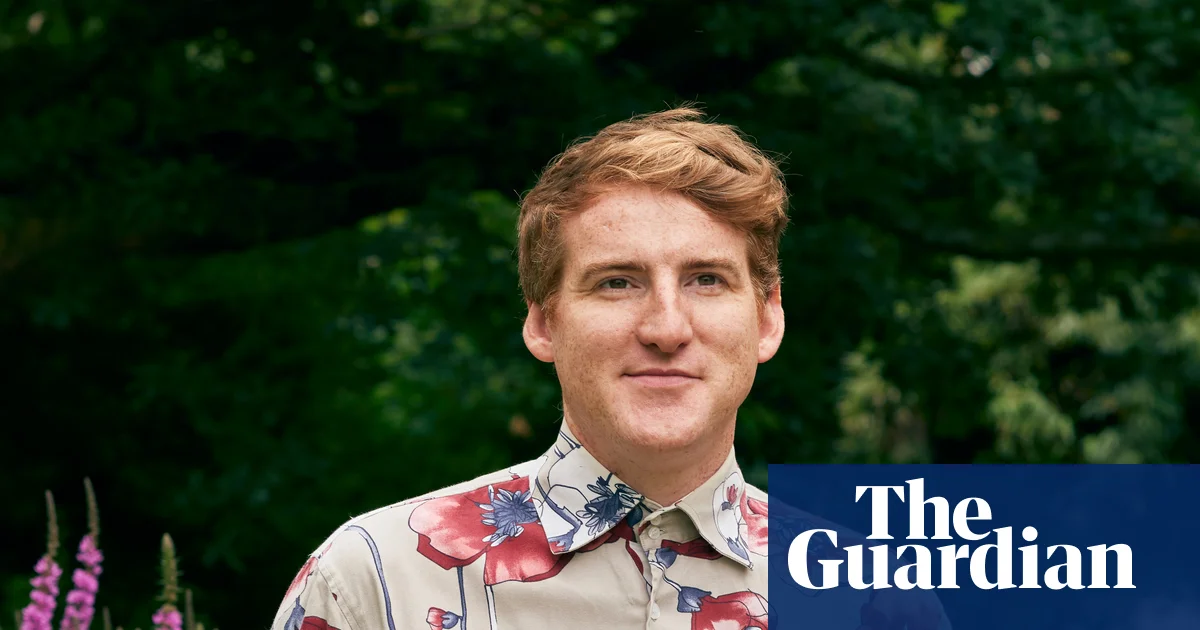
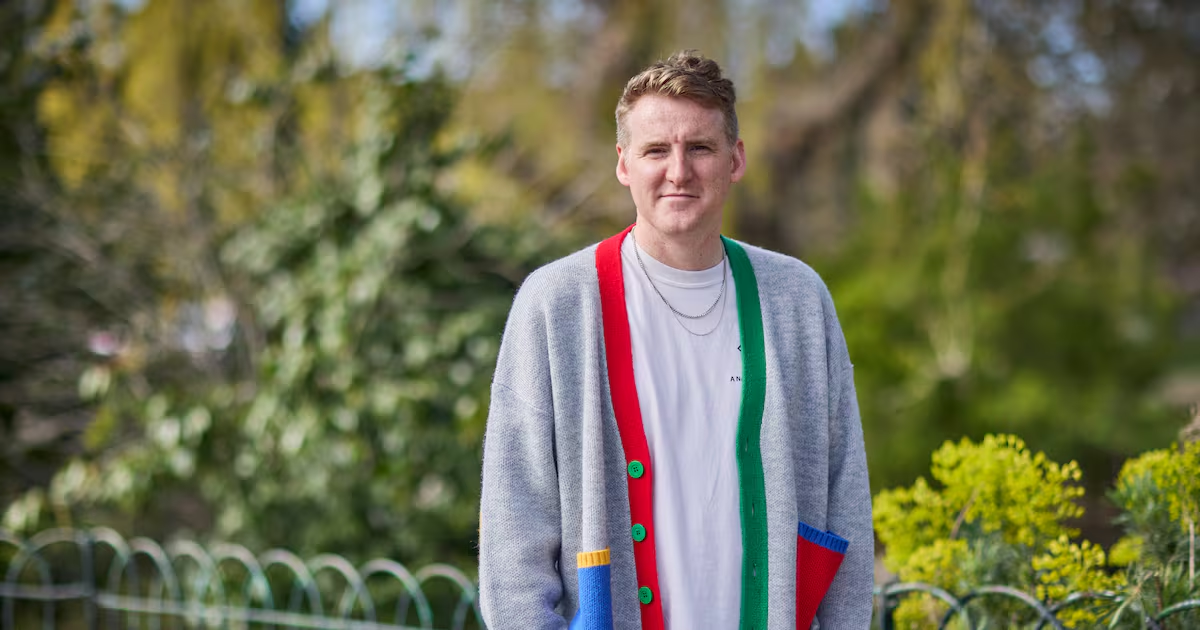
Author Stephen Daly: ‘So little is acknowledged of the wounds people still carry from the past’
The YA author on his debut novel, the impact of the Belfast Agreement, and why queer voices are essential for young people finding their own identities
935 words~4 min read