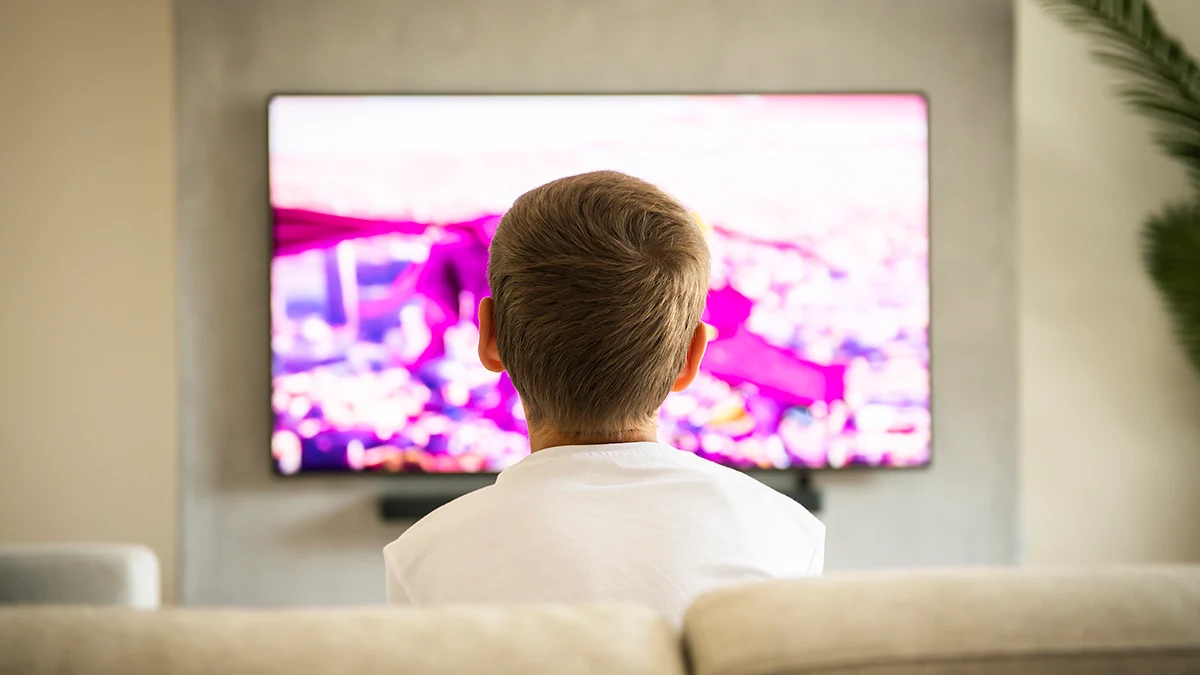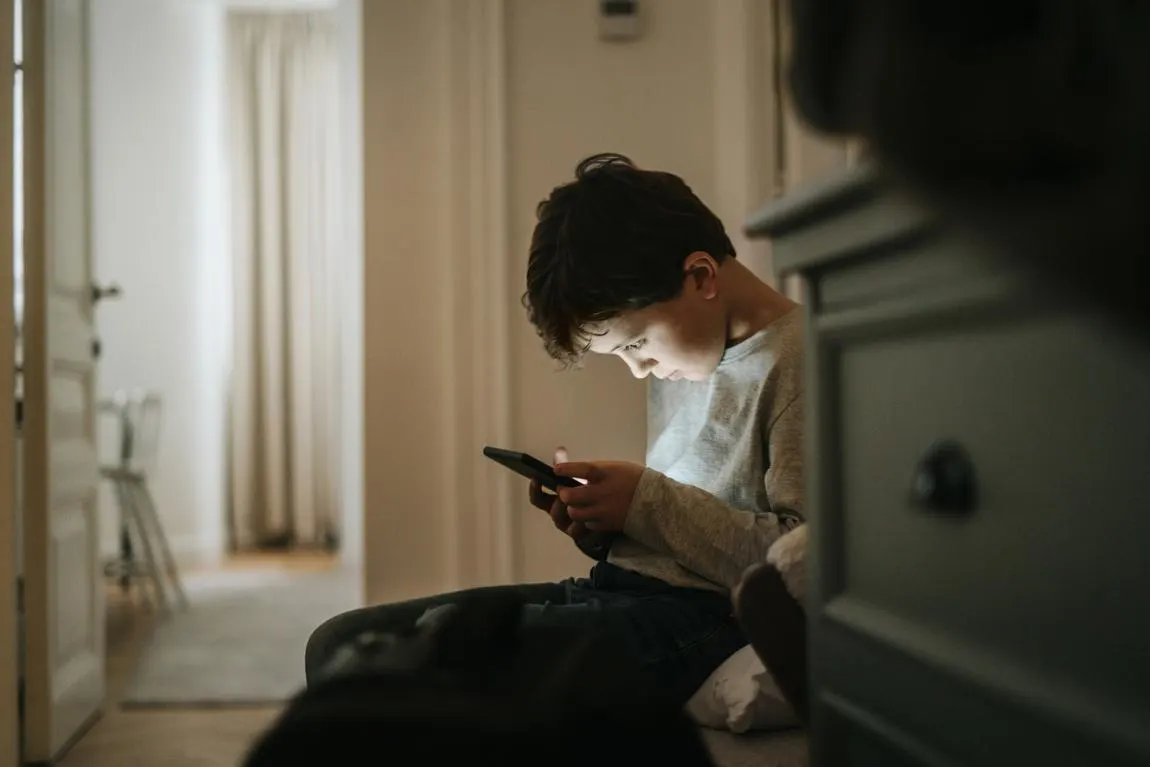
Excessive screen time can lead to significant developmental and learning delays.gettyA new report by the Department of Health and Human Services (HHS) and the Office of the Surgeon General has found that children and adolescents are spending more time than ever before on screens. Specifically, kids are spending nearly seven to nine hours a day on entertainment screens, which is often the same amount or more time than spent on sleeping, in-school or in other activities, such as exercise or engaging with peers. HHS Secretary Robert F. Kennedy, Jr. explained that “Children today spend more time on screens than sleeping, exercising, or engaging face-to-face with family and friends — and we are seeing the consequences in rising rates of anxiety, depression, obesity, and developmental challenges.” As a part of a broader effort to help curtail these ill effects, HHS has released a comprehensive advisory report on the harms of screen use and how parents can help promote healthy habits.Key takeaways from the advisory report include: that early and frequent exposure to screens may cause developmental issues and poorer language outcomes; excessive screen time may lead to poorer education outcomes and progress; mental health and behavioral declines are associated with screen time; and that screen time may severely disrupt routine sleep and rest patterns, especially if used right before bedtime. It also counsels parents to foster healthy habits with their children, including setting expectations of boundaries for healthy screen time and use; modeling the behavior that children should follow; delay screen time as long as possible for infants and young toddlers; and prepare reasonable alternatives for children that can incentivize them to pursue other activities that involve more human interaction and physical activity.Indeed, these impacts have been well documented across multiple large scale studies. The ABCD study, which is the largest study of brain development and child health in the United States, found that "children who spent more than two hours a day on screen-time activities scored lower on language and thinking tests, and some children with more than seven hours a day of screen time experienced thinning of the brain’s cortex, the area of the brain related to critical thinking and reasoning.” Furthermore, studies have also proven that while children may be captivated by moving figures on a screen, their deep learning and retention rates are much higher when interacting with a live person. Screen time patterns also frequently persist through young adulthood and later in life; kids that grow up watching tv are often more likely to spend more time in front of the tv as adults. While okay in moderation, this pattern of excessive screen time can have lifelong negative effects.MORE FOR YOU
Kids Are Spending Nearly 7 To 9 Hours A Day On Screens, More Than Average Sleep Times
Excessive screen time can lead to significant developmental and learning delays.
445 words~2 min read