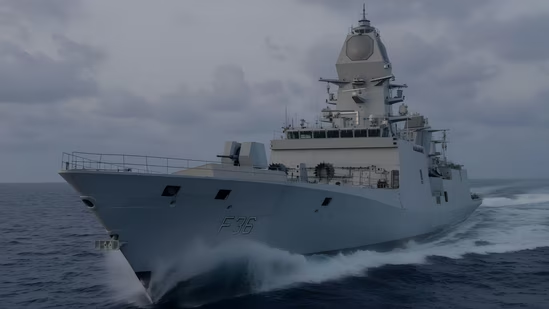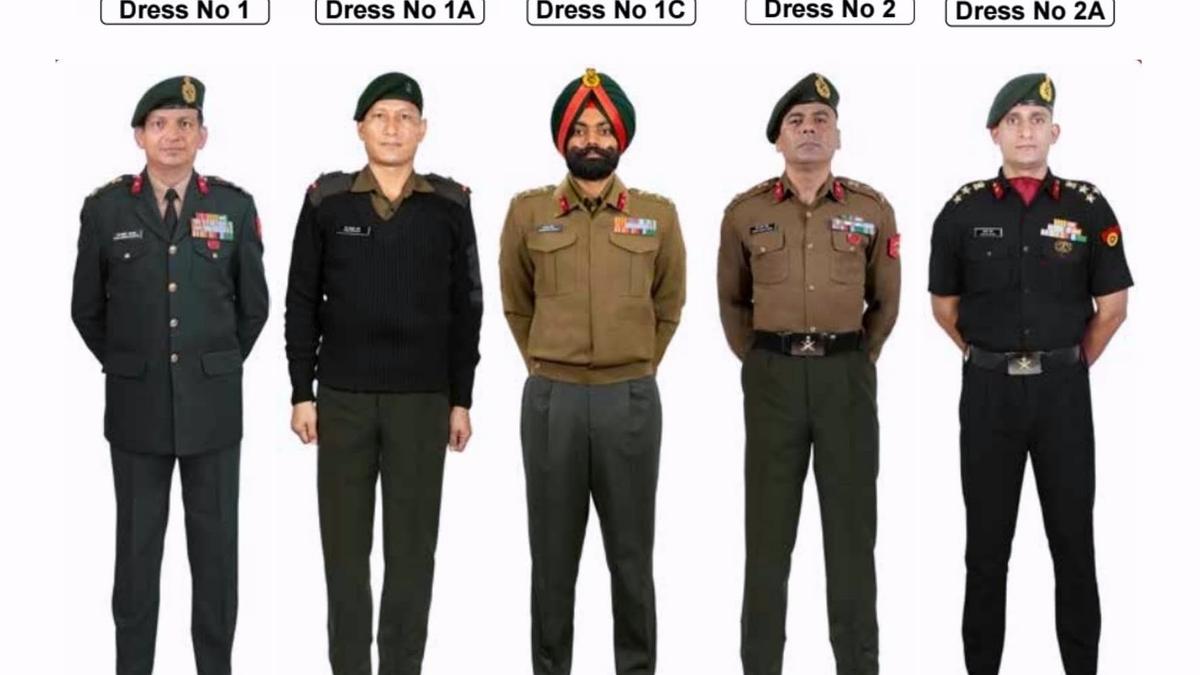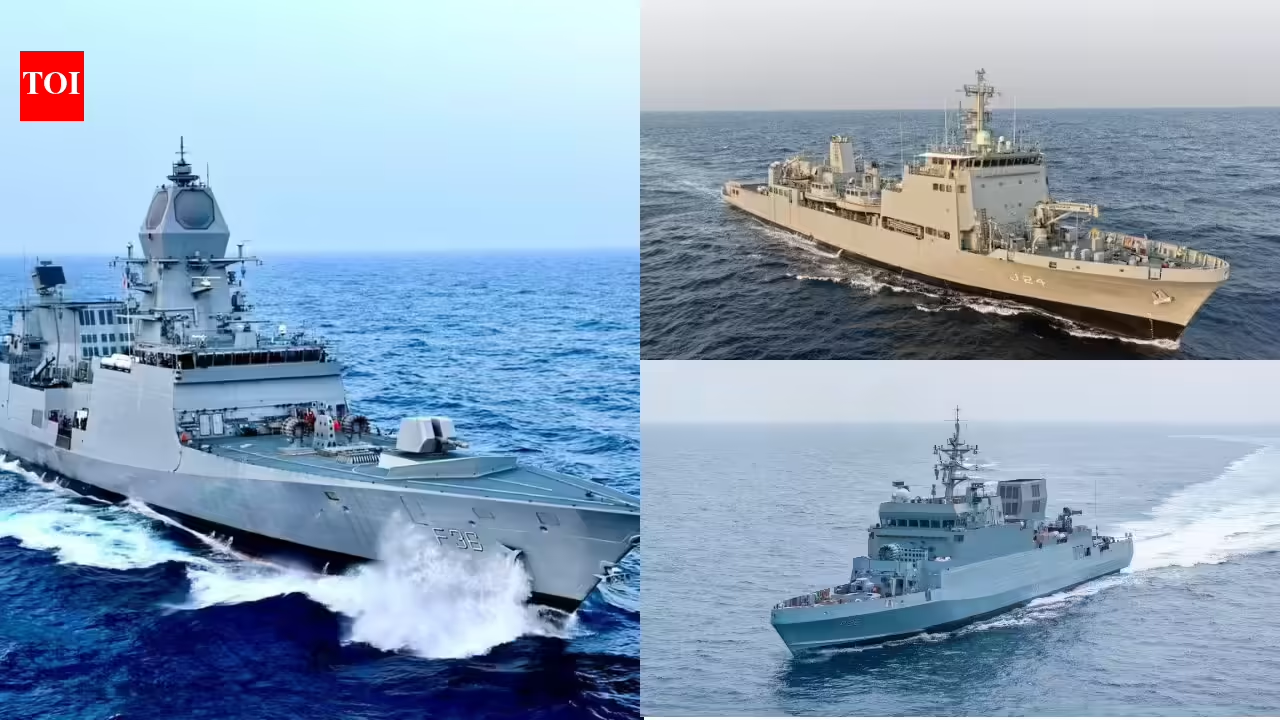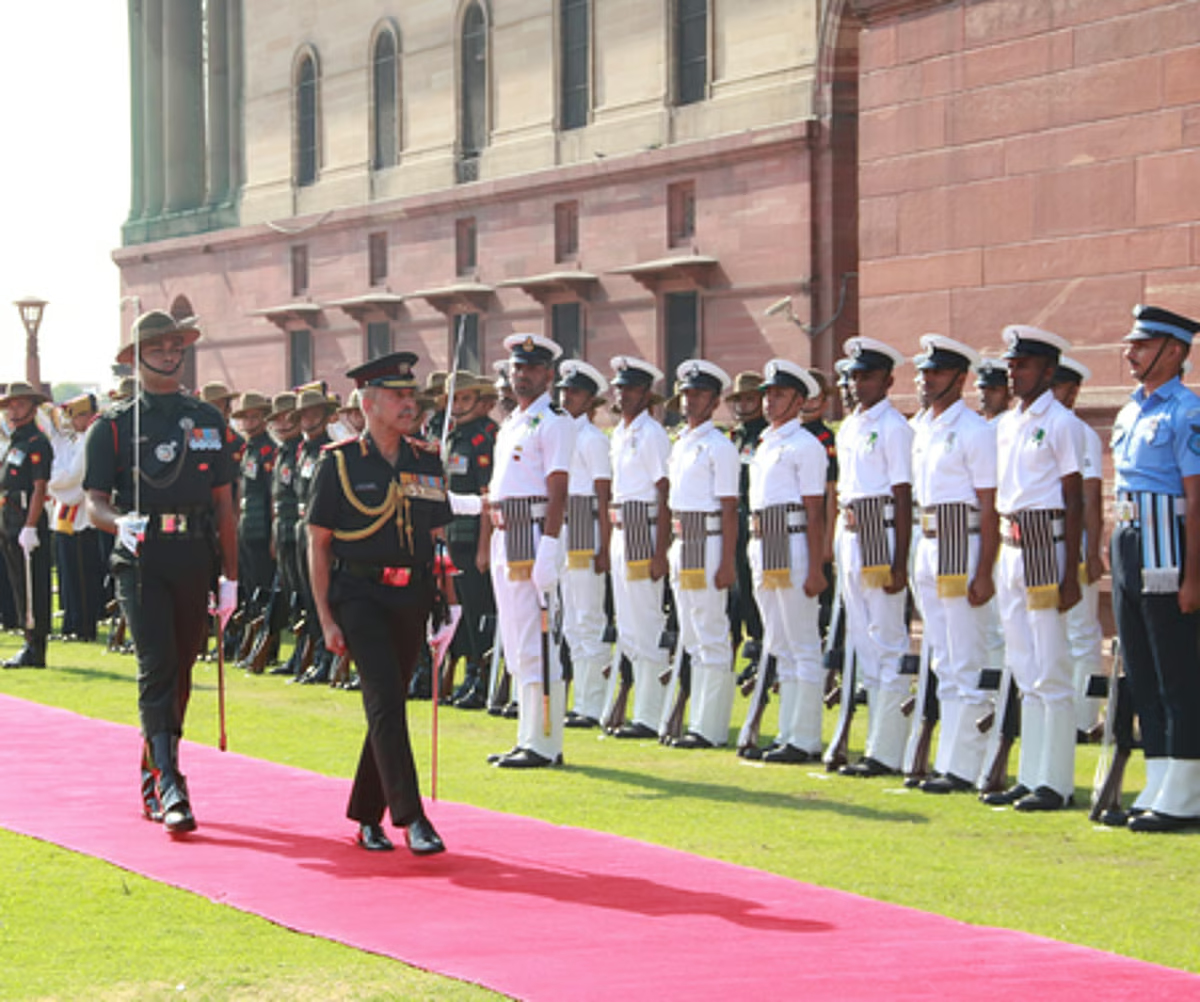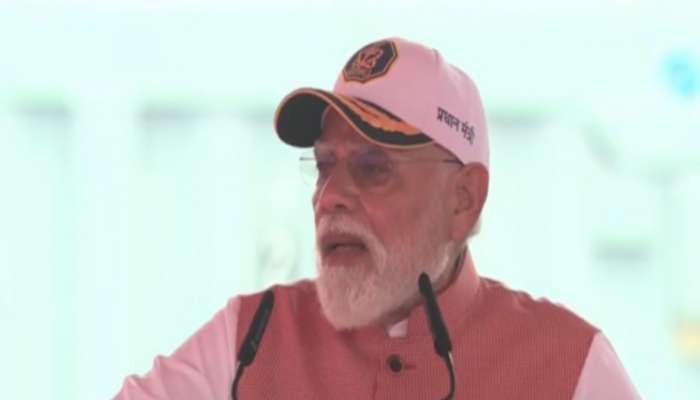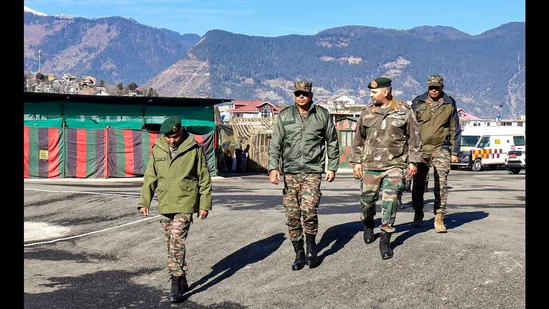
NEW DELHI: The Indian Navy has quietly dropped a much-hyped plan to indigenise the ranks of its non-officer cadre, a proposal that was part of a larger drive to shed military traditions inherited from the British, senior officials aware of the matter said on Friday.The proposal to replace colonial titles with Indian ranks was unveiled almost three years ago and backed by Prime Minister Narendra Modi. (@prodefencejammu)It is no longer pushing to rename ranks along Indian traditions because the defence ministry believes any change in nomenclature should be implemented uniformly across all three services, rather than as a navy-specific initiative, the officials said on the condition of anonymity.The proposal to replace colonial titles with Indian ranks was unveiled almost three years ago and backed by Prime Minister Narendra Modi. The rank revamp would have covered more than 65,000 sailors; officer ranks were excluded from the review.“The colonial-era ranks will stay—for now. The defence ministry favours a tri-services approach to any change,” said one of the officials.The ranks slated for renaming included Master Chief Petty Officer First Class, Master Chief Petty Officer Second Class, Chief Petty Officer, Petty Officer, Leading Seaman, Seaman First Class and Seaman Second Class. According to internal feedback, the ‘petty officer’ ranks were especially unpopular among those who held them.There are no plans for a tri-services indigenised rank framework, said another official. “It makes little sense for the navy to replace colonial ranks while other services retain them. The Indian Air Force uses ranks such as Warrant Officer, Sergeant, and Corporal. The army uses ‘Lance’ in its lower ranks,” he pointed out.The proposed indigenised ranks would have been the latest in a series of changes introduced by the navy over the past three to four years to discard British-era traditions, including adopting a new ensign, doing away with batons for commanders and allowing traditional Indian-wear in officers’ messes.Much of the “Indianisation” in the military began five years ago when Modi called for erasing colonial customs and adopting Indian ways in the armed forces at the Combined Commanders’ Conference at Kevadia in Gujarat. The PM’s remarks at the top conference in March 2021 indicated that many colonial practices in the armed forces were ending. He underlined the importance of enhancing indigenisation in the national security system---not just in sourcing equipment and weapons but also in doctrines, procedures and customs.This prompted the three services to identify customs seen as out of step with the Indian culture.In his 2022 Independence Day speech, Modi spoke of the “panch pran” or five pledges for India to become a developed country by 2047, its 100th year of independence. One of those resolutions was to uproot all signs of colonial slavery from mindset and habits. The “Indianisation” of military culture manifested itself in several moves, including the navy adopting a new ensign with the flag drawing inspiration from the seal of Maratha ruler Chhatrapati Shivaji Maharaj and the Cross of St George being dropped, it also ended the practice of senior officers carrying batons, and the defence ministry launching a drive to rename British-era cantonments as military stations.The army has drawn on texts like Kautilya’s Arthashastra, Kamandaka’s Nitisara and Thiruvalluvar’s Thirukkural for lessons on statecraft, strategy, diplomacy and warfare from ancient Indian thought. This effort to establish the relevance of these centuries-old strategic doctrines in the 21st century was part of a project named “Udbhav”, or emergence.In February, the army renamed several roads, residential colonies, and military facilities as part of a review of British-era influence, stating the aim was to reinforce an identity rooted in India’s military heritage. The review implemented so far covers 124 roads, 77 colonies, 27 buildings and military facilities and 18 other places including parks, training areas, sports grounds, gates and helipads.The Mall Road in Delhi Cantonment is now called Arun Khetarpal Marg in honour of the young 1971 war hero who was posthumously awarded Param Vir Chakra for his heroism. Kirby Place in the cantonment has been renamed after Captain Neikezhakuo Kenguruse, a Kargil war hero who was posthumously awarded the Maha Vir Chakra.
Navy rolls back much-hyped plan to indigenise ranks
The Indian Navy has abandoned plans to rename non-officer ranks, preferring a unified approach across all military services instead. | India News
676 words~3 min read