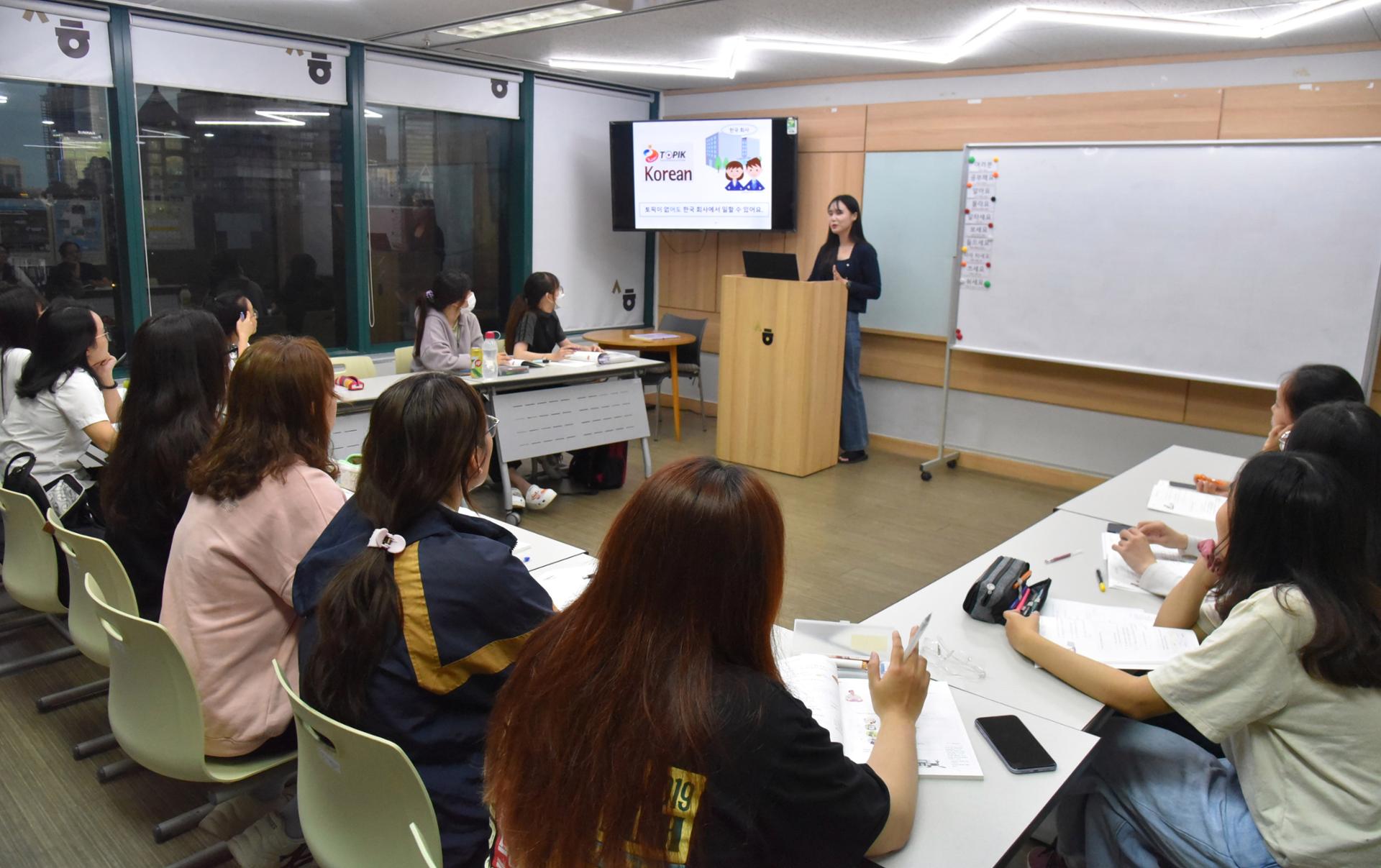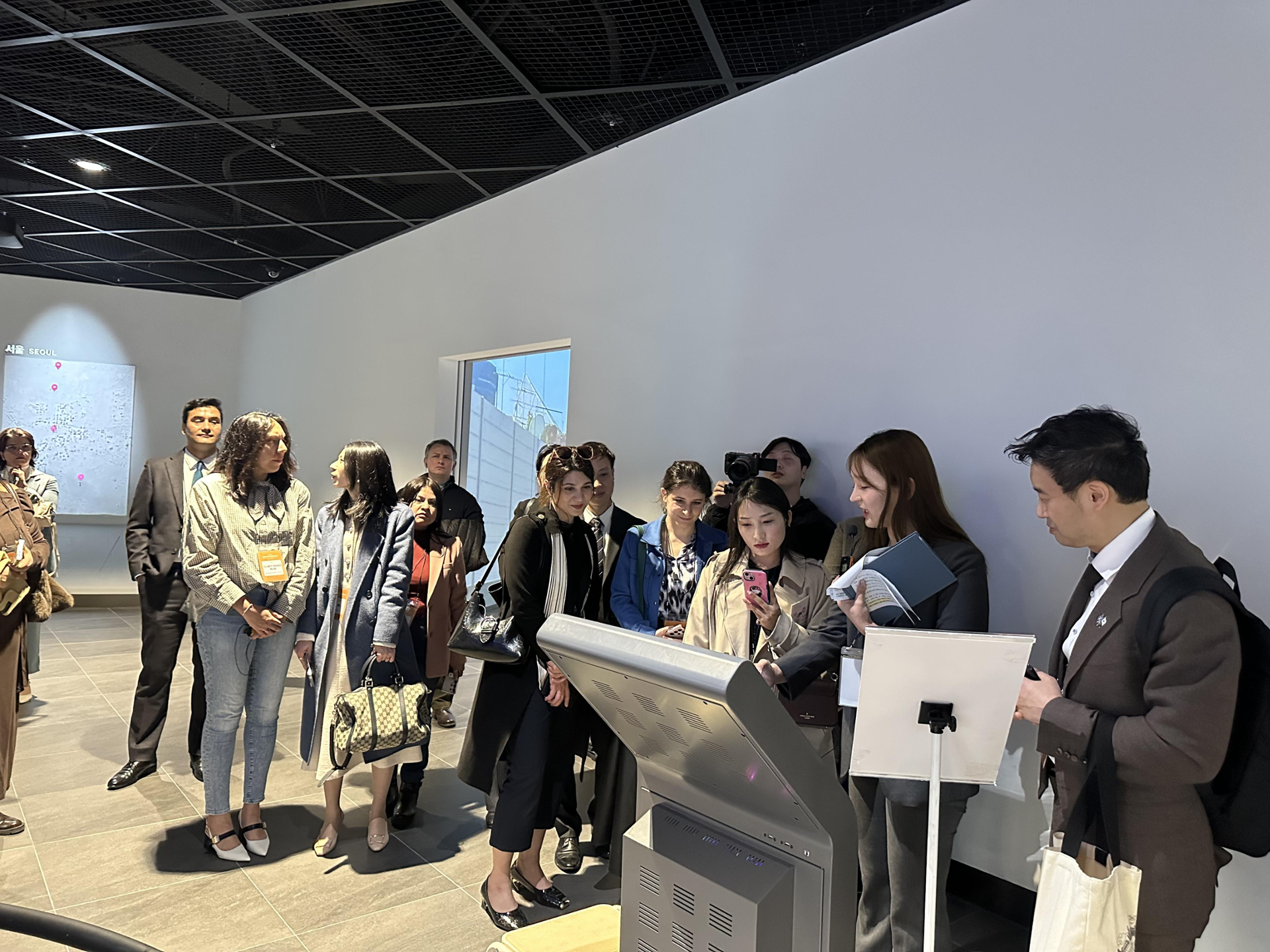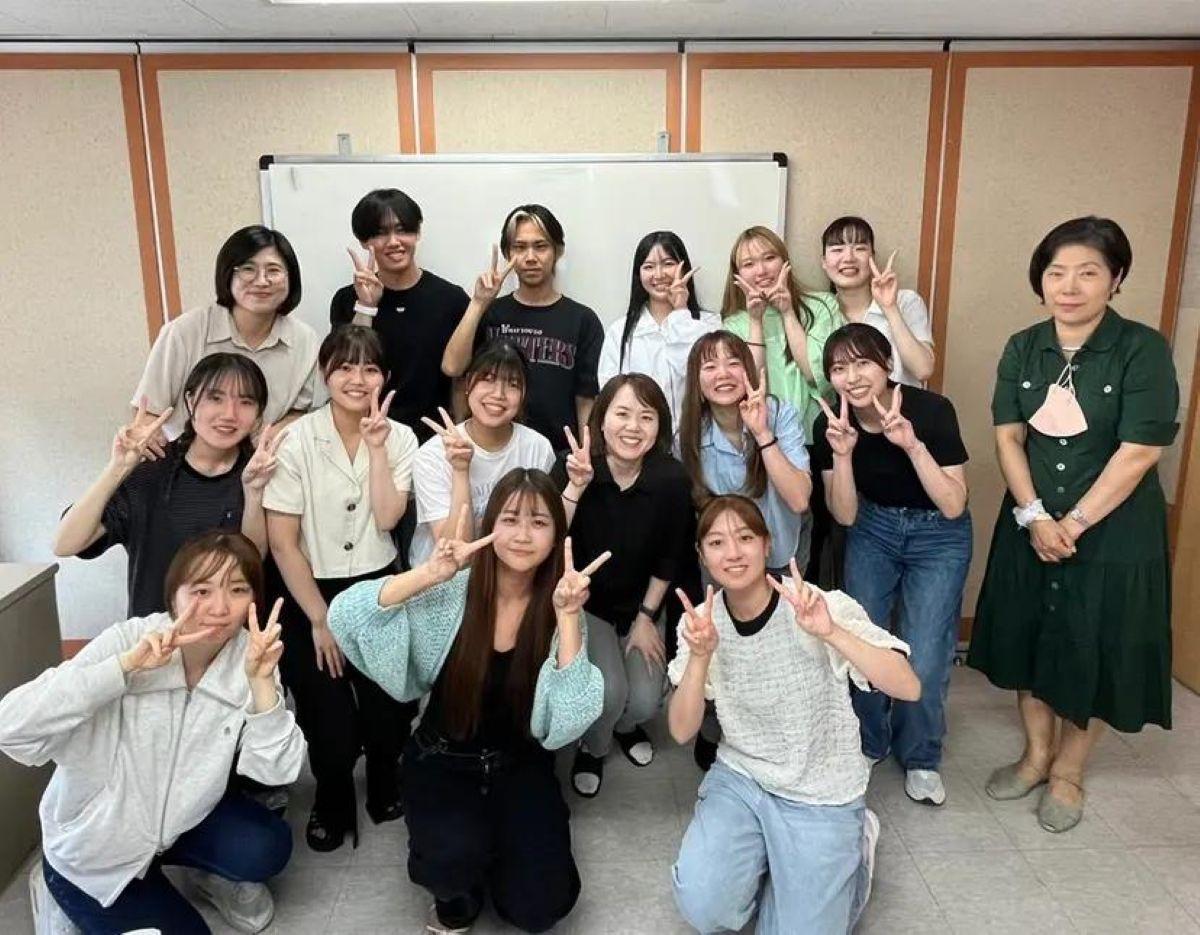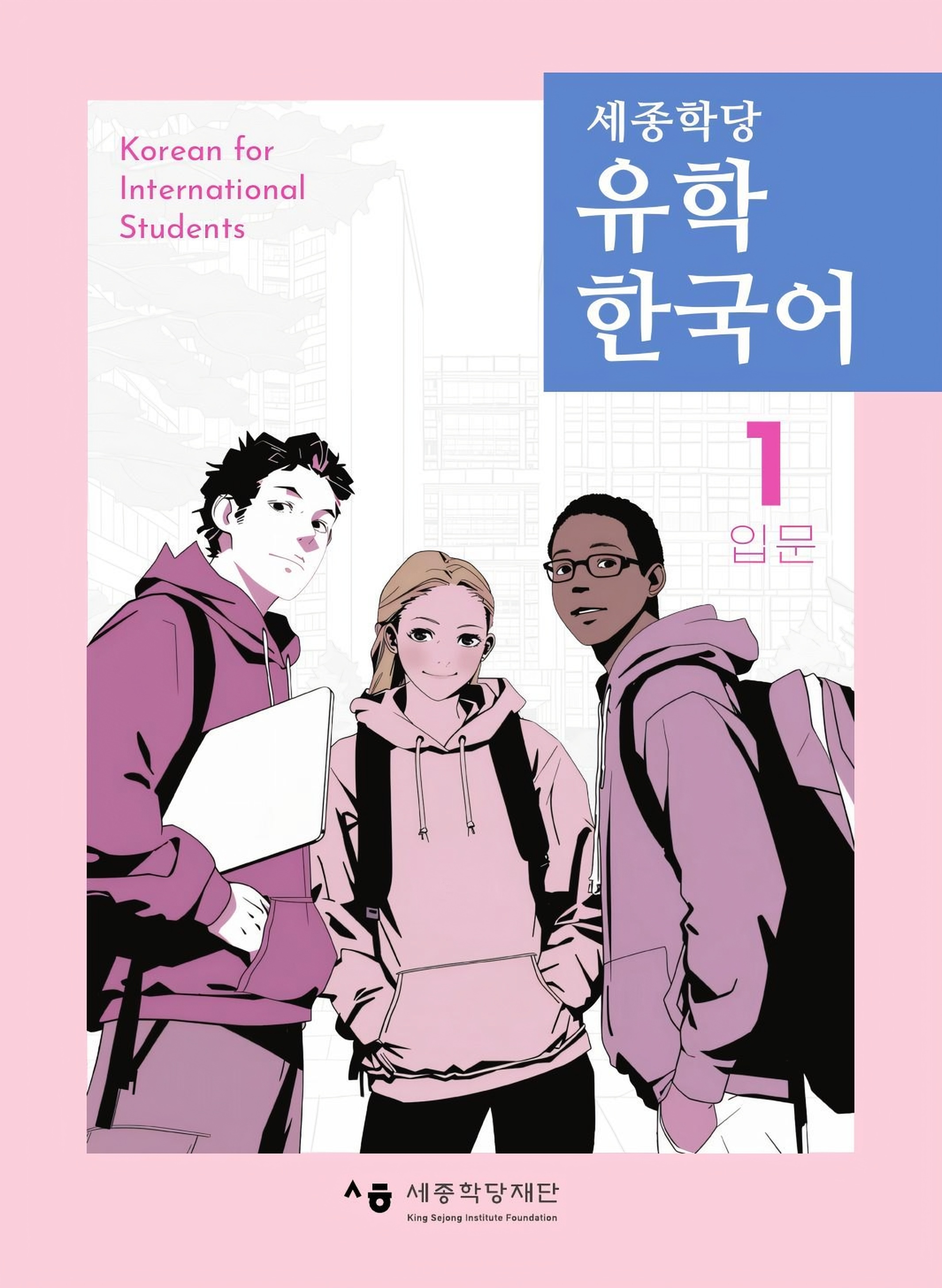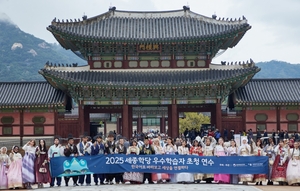
This photo provided by the King Sejong Institute shows outstanding learners from institutes across the world, who were invited to Korea in commemoration of the annual Hangul Day in October last year. (King Sejong Institute) Living in a foreign country brings both opportunities and difficulties. For many foreign residents in South Korea, the biggest challenge is language. Some 75 percent of foreign residents said Korean was the main difficulty they faced in daily life, according to a 2024 survey by the Ministry of Data and Statistics.A variety of Korean language courses are offered by public and private institutions, from the state-run King Sejong Institute to city and provincial governments and university language centers.The duration, schedule, level and fees vary by program. Here is a guide to where foreign residents can look for Korean language courses in Korea.King Sejong InstituteThe Nuri King Sejong Institute is a web portal that provides learning and teaching materials for the Korean language. On the website, users can register either as learners or teachers by submitting basic information such as name, email address, date of birth and nationality.Once logged in, learners can access practical Korean textbooks, basic vocabulary dictionaries and other materials. The dictionaries are available in English, Chinese, French, Indonesian, Russian, Mongolian, Vietnamese, Thai and Japanese. Learners can download the content for free as e-books or PDF files, while physical copies of some textbooks can be purchased through information provided on the website.Learners can also take grammar quizzes or use the “Speaking Practice” and “Writing Practice” sections to post their work. Tutors from the institute provide feedback in the reply section.There is also a Korean level test on the site to help users assess which class level might be appropriate for them. The test covers beginner and intermediate levels and consists of listening and reading sections. At the end, it gives a reference level from 1A to 4B for the King Sejong Institute Korean Program.A Korean study roadmap is also available on the website, allowing learners to check which courses, textbooks and learning materials are recommended from beginner to advanced levels. Users can also find information about institute events, Korean language courses and scholarships offered by local universities.The Online King Sejong Institute provides a separate learning platform for Korean language study. Learners can take courses under the basic curriculum, which is designed to improve Korean communication skills, or special courses for learners with specific needs, such as business Korean.Courses are categorized into three types: lecture-assisted, learning-assisted and self-learning. Relevant information can be found under the “Korean Courses” section. Not all courses are available year-round, so learners should check the schedule before applying.Users can also find and register for Korean culture classes on the website. One recent class, “Enjoy K-Beauty Like a Pro,” is accepting applications through June 8 and will be held June 10 via Zoom.Visit the notice section for the latest information on courses.While King Sejong Institutes also provide offline courses, many are aimed at people learning Korean outside the country. In Korea, regional governments and foreign resident support centers offer their own Korean language courses, so foreign residents should check local websites such as the Seoul Foreigners Portal.For regional courses, it is advisable to look for information early in the year, as annual course and enrollment plans are often announced around January. Previous announcement dates can be used as a guide to when new notices are likely to be posted.Courses at universitiesMany universities across Korea operate their own Korean language centers. Information about language centers in Seoul can be found here, while information about centers at Busan-based universities can be found here. Information about language centers in Incheon can be found here.Korea University Korean Language Center, for example, runs four semesters a year, with courses divided into six proficiency levels and an additional top-level course for students who have completed Level 6. The application fee is 120,000 won ($80), while tuition for the regular course is 1.8 million won per semester.Applications for the summer program, which runs from June 17 to Aug. 27, have already closed. Those who wish to attend the fall program can apply from June 8 to July 29. The fall program is scheduled to run from Sept. 11 to Nov. 26.Each university language center offers courses that vary in level, requirements, class size and fees. Applicants should check the websites of the relevant universities for detailed information before applying.
Want to learn Korean? Here’s where to start
Living in a foreign country brings both opportunities and difficulties. For many foreign residents in South Korea, the biggest challenge is language. Some 75 pe
730 words~3 min read