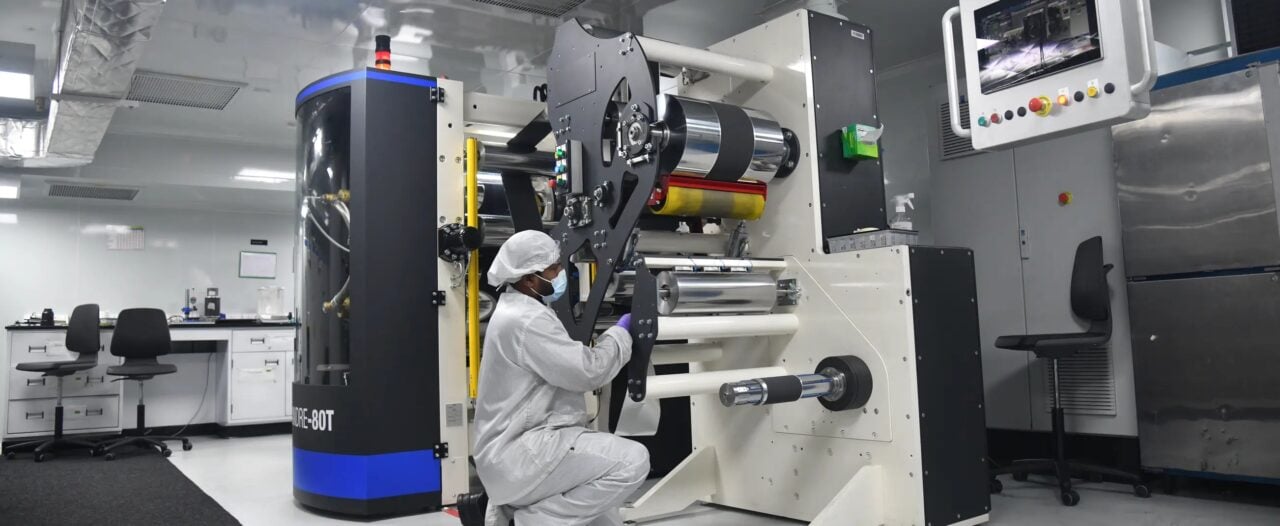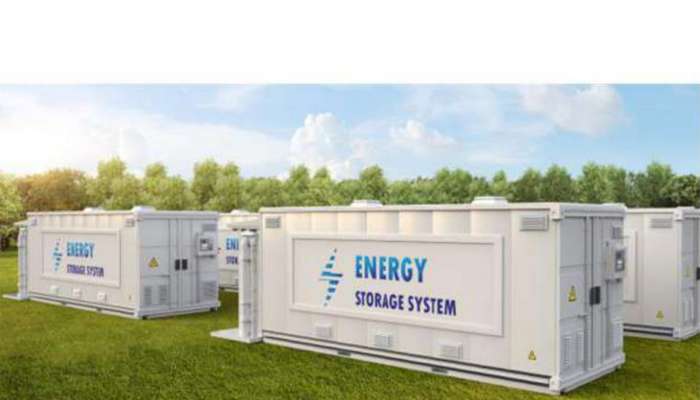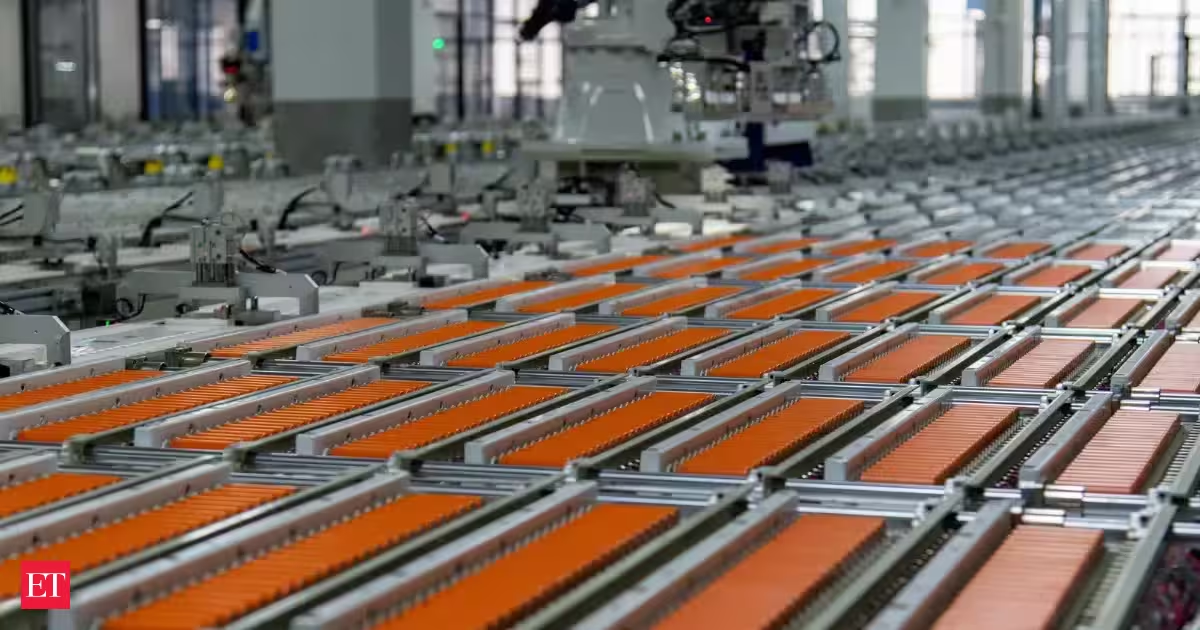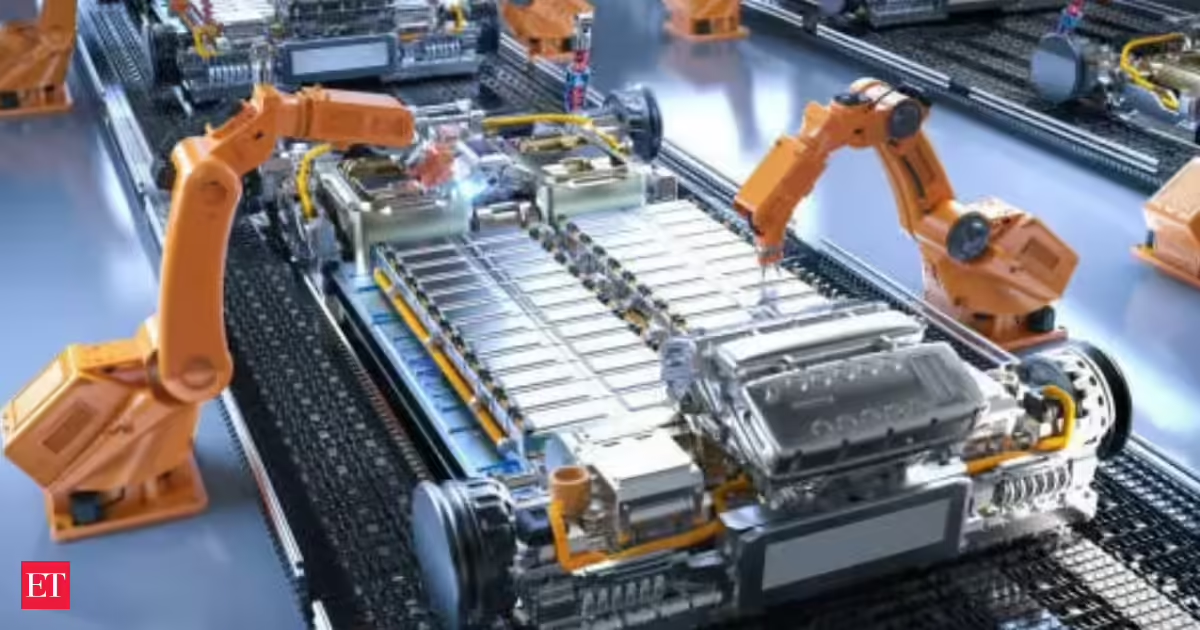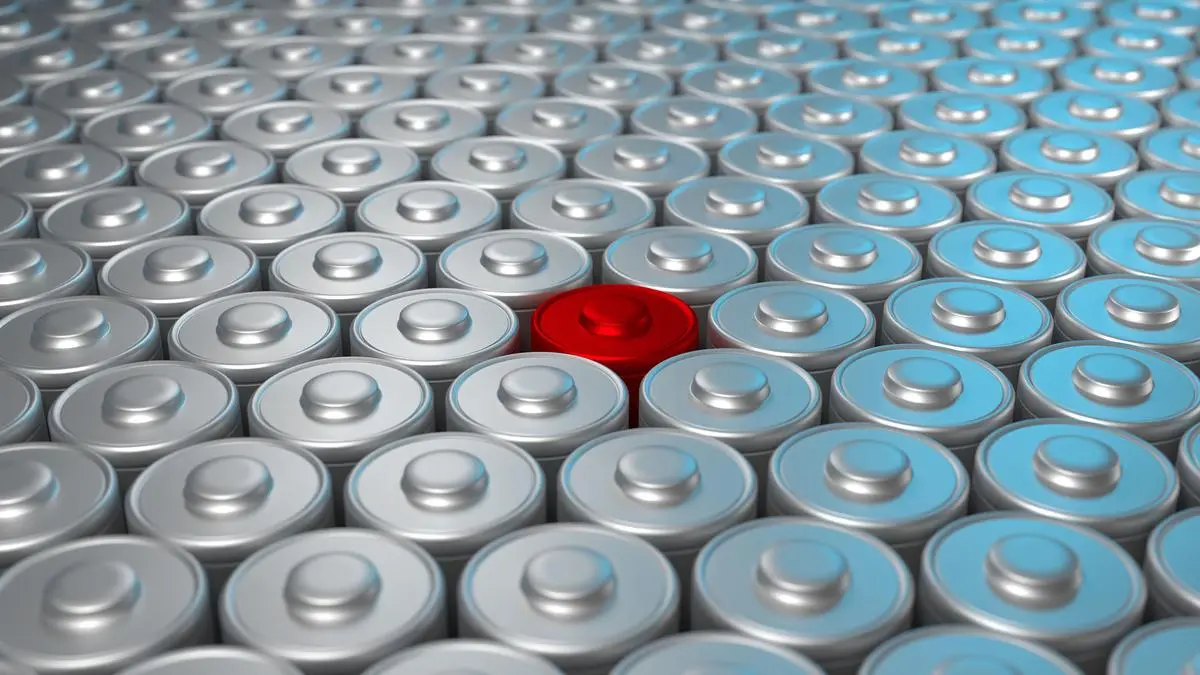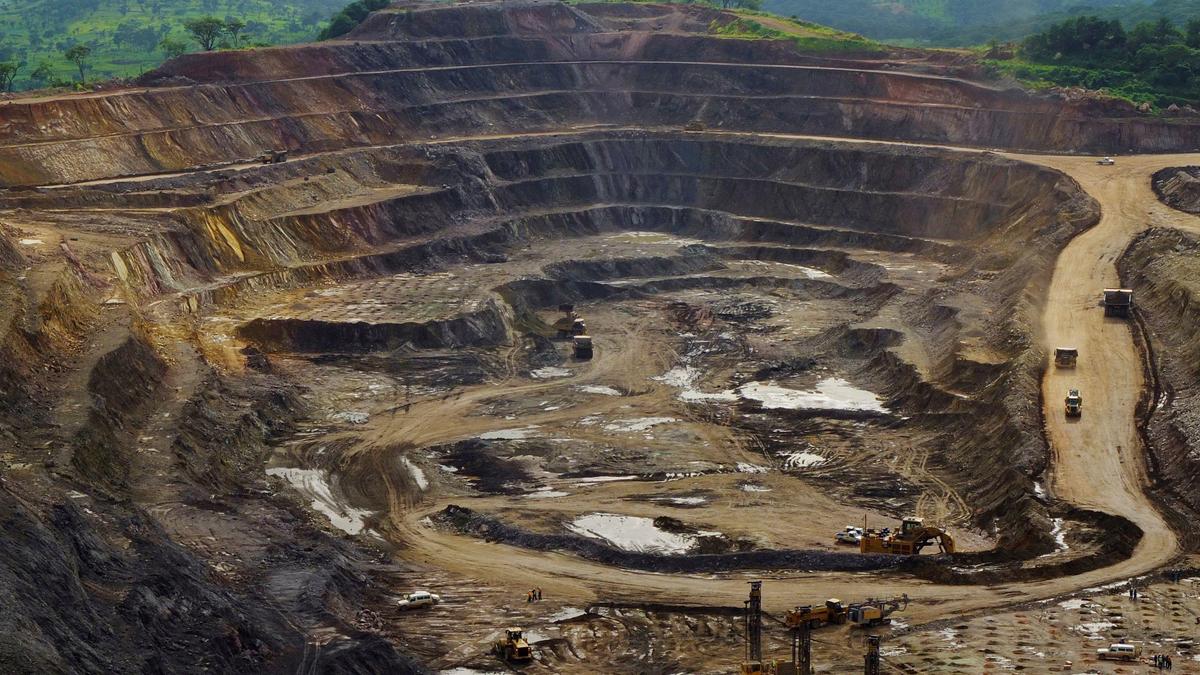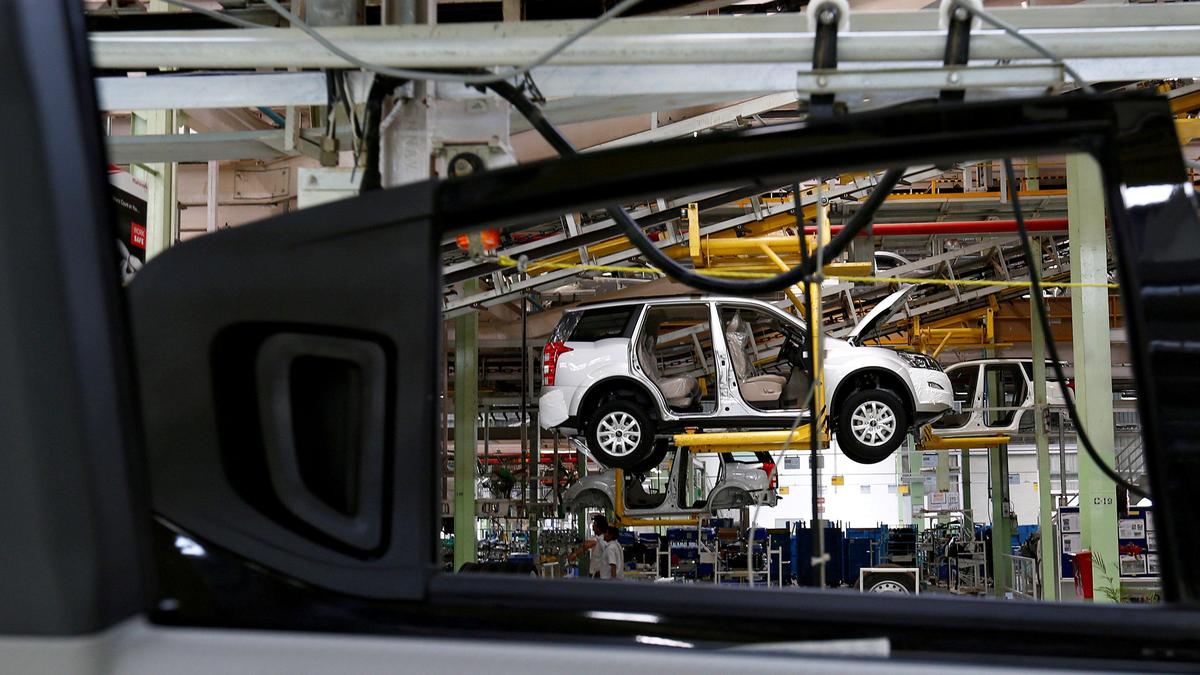
India is evaluating a mix of tax support and fiscal incentives through outcome-linked programmes to localise components crucial for making modern batteries used applications such as electric cars, officials told ET. Discussions are underway after domestic players sought support to help reduce imports, said the officials.“Incentives for raw materials and parts needed for battery manufacturing are being considered,” said a senior official, adding the quantum of support has not been finalised but a proposal should be ready for approvals within the next three months. The push for these programmes regained momentum after PM Narendra Modi underscored theneed to lower forex outgo amid the global economic crisis triggered by the US-Iran war.Also read: China takes aim at 'zero-gravity' seats in EV draft safety rulesThe ministry of heavy industries already runs a 18,100-crore Advanced Chemistry Cell (ACC) battery manufacturing production linked incentive scheme.Developing supply chains It aims to support setting up 50 gigawatt hour (GWh) ACC battery manufacturing capacity in the country. According to industry estimates, India will need more than 200 thousand tonnes of anode active material (AAM), and more than 400 thousand tonnes of Cathode Active Materials (CAM) by 2030. This will help meet the requirement of around 223 GWh domestic battery manufacturing capacity (already announced by the private sector) in the next five years. "Cathode and anode comprise nearly 70% of the total material cost in lithium-ion cells," an industry representative said,adding India is currently fully import-dependent for major battery component needs.EV Needs"Domestic supply chains for these parts need to be developed with demand growing in the country for modern, more efficient batteries for electric cars," the official said.While an incentive scheme is being considered, the industry has also sought import concessions to widen India's presence in the battery manufacturing supply chain. Budget 2026-27 had extended the basic customs duty exemption given to capital goods used for manufacturing Lithium-Ion Cells for battery energy storage systems. "Requests for an import duty exemption on capital equipment required for manufacturing anode materials have also been received," a second official said, adding the concerns have been forwarded to the Finance Ministry since multiple process equipment needed for localisation are currently not available in the country.Also read: EV demand charges ahead but supply runs lowBesides the import duty waiver, the industry has also flagged an inverted duty with finished products being imported at a comparatively lower duty than the raw materials required for indigenous manufacturing. "This anomaly has significantly increased the input cost burden on domestic manufacturers and has also led to the accumulation of unutilised Input Tax Credit (ITC)," a second industry representative said.
India eyes fiscal support for domestic EV battery supply chain
India is planning new incentives to boost local production of battery components. This move aims to reduce import dependence for electric vehicle batteries. Discussions are ongoing for tax support and outcome-linked programs. The government is focused on developing domestic supply chains for crucial materials like cathode and anode.
431 words~2 min read