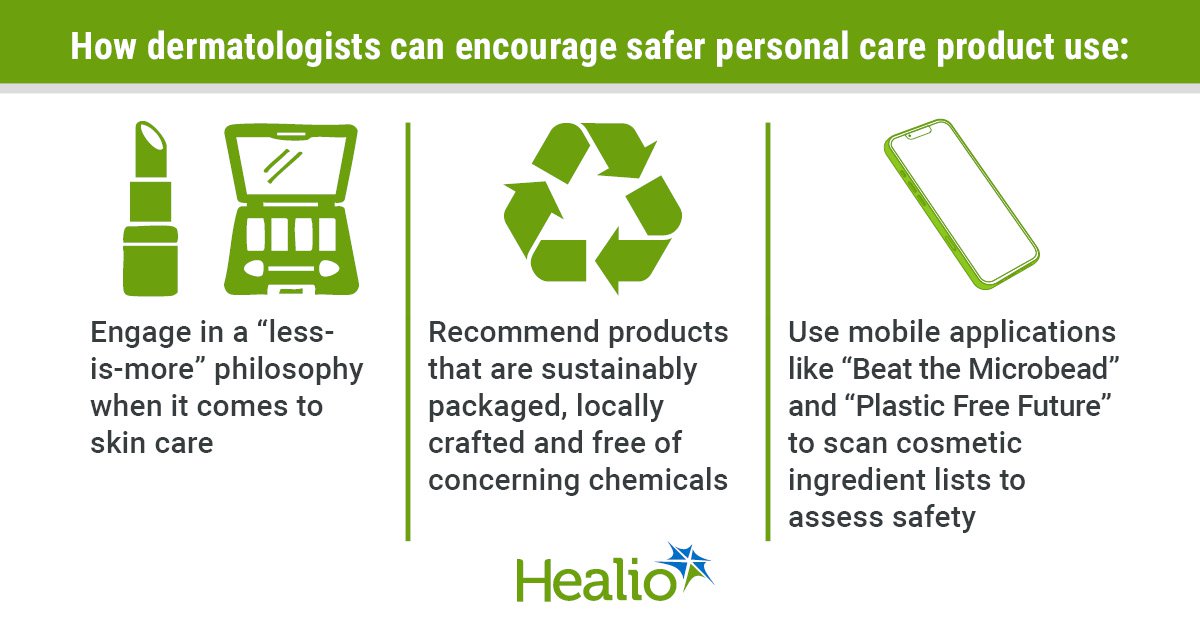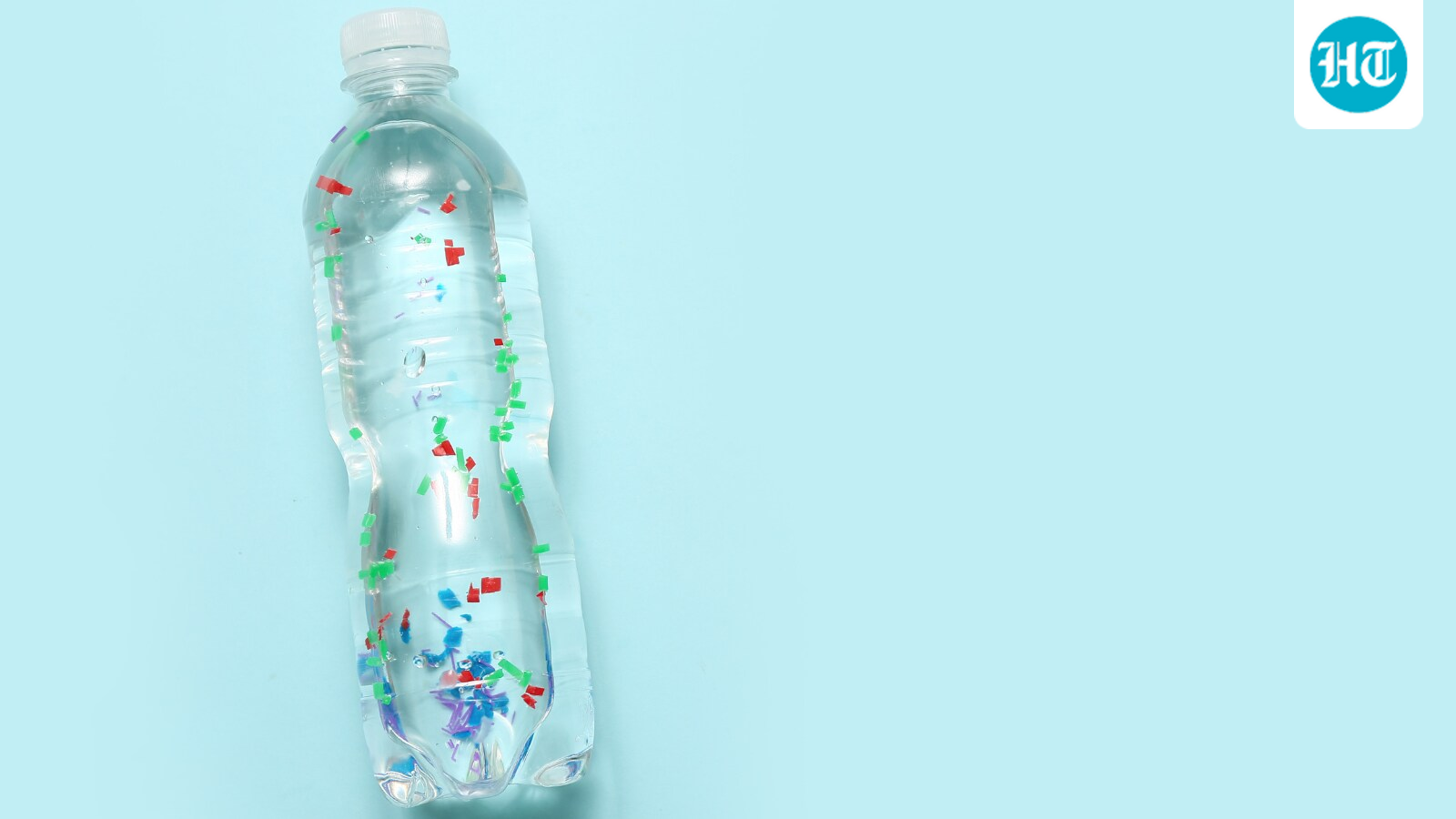
Daily Mail journalists select and curate the products that feature on our site. If you make a purchase via links on this page we will earn commission - learn moreWe’ve all seen the headlines about microplastics, the tiny plastic particles found everywhere from our oceans to our food. But most of us don’t realise they’re hiding even closer to home: in the products on our dressing tables.Many of our beauty items, from foundation to moisturisers, sunscreen to shampoo, contain synthetic ingredients often classed by scientists and campaigners as microplastics.Packaging, including bottles and pumps, may shed tiny particles over time, contributing small amounts. But shocking as it sounds, most microplastics in our beauty products are added intentionally. ‘They can serve specific functions, for example improving texture, creating a smooth feel or enhancing the product’s appearance,’ says Dr Nicole Chiang, a consultant dermatologist who formerly worked for the NHS and now runs her own clinic, Dr Nicole Dermatology, in Manchester.According to research by the Plastic Soup Foundation (PSF), a campaigning group that aims to eliminate plastic pollution at source, microplastics are present in 87 per cent of products by ten bestselling cosmetics brands. Names flagged by Greenpeace Italy in 2021 for particularly high use in certain products included Lush, Maybelline and Sephora.This is something we should all be aware of, the PSF thinks, because there is growing concern that microplastics may contribute to cancer development, by causing inflammatory responses and DNA damage.Recent documentaries such as Netflix’s The Plastic Detox have focused on potential links between plastics and fertility problems, due to their ability to disrupt hormones. They may also be vehicles for substances that are toxic to the human body, like heavy metals.So, with the average adult using 12 personal-care products every day, what do we need to know about microplastics – and how can we reduce our exposure?First, it’s important to distinguish the blanket term microplastics from specific microbeads. The latter are the solid plastic spheres usually made from polyethylene and once typically used as exfoliants, banned since 2018 due to the harm they cause to marine life.‘As microbeads have been phased out, most people think the problem has been resolved,’ says Iseult Lynch, Professor of Environmental Nanosciences at the University of Birmingham. ‘But microplastics are still a major component of many cosmetics, especially those designed to remain on the skin for several hours.’Some microplastics are visible to the naked eye, particularly glitter particles or shimmer in make-up, but many are microscopic and impossible to detect without reading the ingredients list.Of course, the ingredients used in cosmetics are tightly regulated, with the list of approved ingredients being updated regularly based on emerging scientific evidence. The beauty industry maintains that these ingredients are safe and play an important role in product performance, from ensuring an even application to improving shelf life.However, there are concerns that over time, they could be having a negative impact on our skin. ‘Studies suggest that microplastics could contribute to inflammation and barrier disruption, with potential effects such as accelerated skin-ageing,’ says Dr Chiang – although she points out that this has not yet been clearly shown outside the lab.The PSF points to research that says the smallest particles can penetrate beyond the skin’s surface under certain conditions, particularly when the skin barrier is compromised. Studies on other types of tiny particles, for instance those used in sunscreens, have shown that when skin is healthy, they do not pass into the bloodstream. However, Professor Lynch says that there are potential pathways for microplastics to enter the body via hair follicles or damaged skin, such as sunburn.Another area her team is currently researching is potential flaws in the methods used to evaluate microplastics in products. ‘They’re based on usage patterns from 20 or more years ago, which don’t reflect how people use cosmetics now, often layering multiple products,’ she says. ‘We’re now using far more – even tweens have robust skincare regimes.’ Primers, serums and highlighters have added to our load. Simplifying our routine and choosing fewer heavily processed cosmetic products may help reduce exposure.Change is coming. The EU has introduced sweeping restrictions on intentionally added microplastics in cosmetics, with their use in rinse-off products to be phased out by October 2027, leave-on cosmetics by 2029 and colour cosmetics by 2035. However, scientists and campaigners argue the rules don’t go far enough. The definition of what counts as a microplastic excludes certain liquid and soluble plastic polymers, meaning many commonly used ingredients will remain untouched. These include smoothing ingredients such as dimethicone, a silicone-based polymer used in primers, foundation and some sunscreens.But there are many microplastic-free alternatives out there if you look. See right for our picks.SIX WAYS TO REDUCE YOUR INTAKESwap shower gels in plastic bottles for soaps in cardboard packaging. We like Eco Warrior All Over Body Bar (£3.75, boots.com) and the brand-new Nature Of Things Coconut Oil & Cupuacu Soothing Body Bar (£22, natureofthings.com).Switch plastic net shower poufs for Konjac sponges or natural loofahs.We like Eco Bath Natural Loofah (£5.35, ecobathlondon.com).Download the PlasticFree Future or Yuka app to check the labels of your products and avoid ingredients such as polyethylene (PE), polypropylene (PP), nylon and polymethyl methacrylate (PMMA).Skip the primer. Many brands use ‘liquid plastic’ dimethicone to deliver ‘glass skin’ or pore-blurring effects. Instead try plastic-free Weleda Skin Food (£9.50, weleda.co.uk), which gives mature, dry skins a good make-up base.Find brands that are microplastic- free or carry ‘Zero Plastic Inside’ certification from the PSF. We like Weleda, Odylique, UpCircle and Inika Organic. Evolve Organic Beauty Gentle Cleansing Melt (£27, evolve beauty.co.uk) is exceptional.Consider how much you need long-wear and waterproof products like foundation, lipsticks and powders. Many rely on synthetic film-forming polymers to help them stay put. For a plastic-free base, try Inika Organic Liquid Foundation (£45, inikaorganic.com).
Is your make-up bag toxic?
They may improve products' texture and finish - but their health effects are less attractive. Polly Dunbar reports
962 words~4 min read