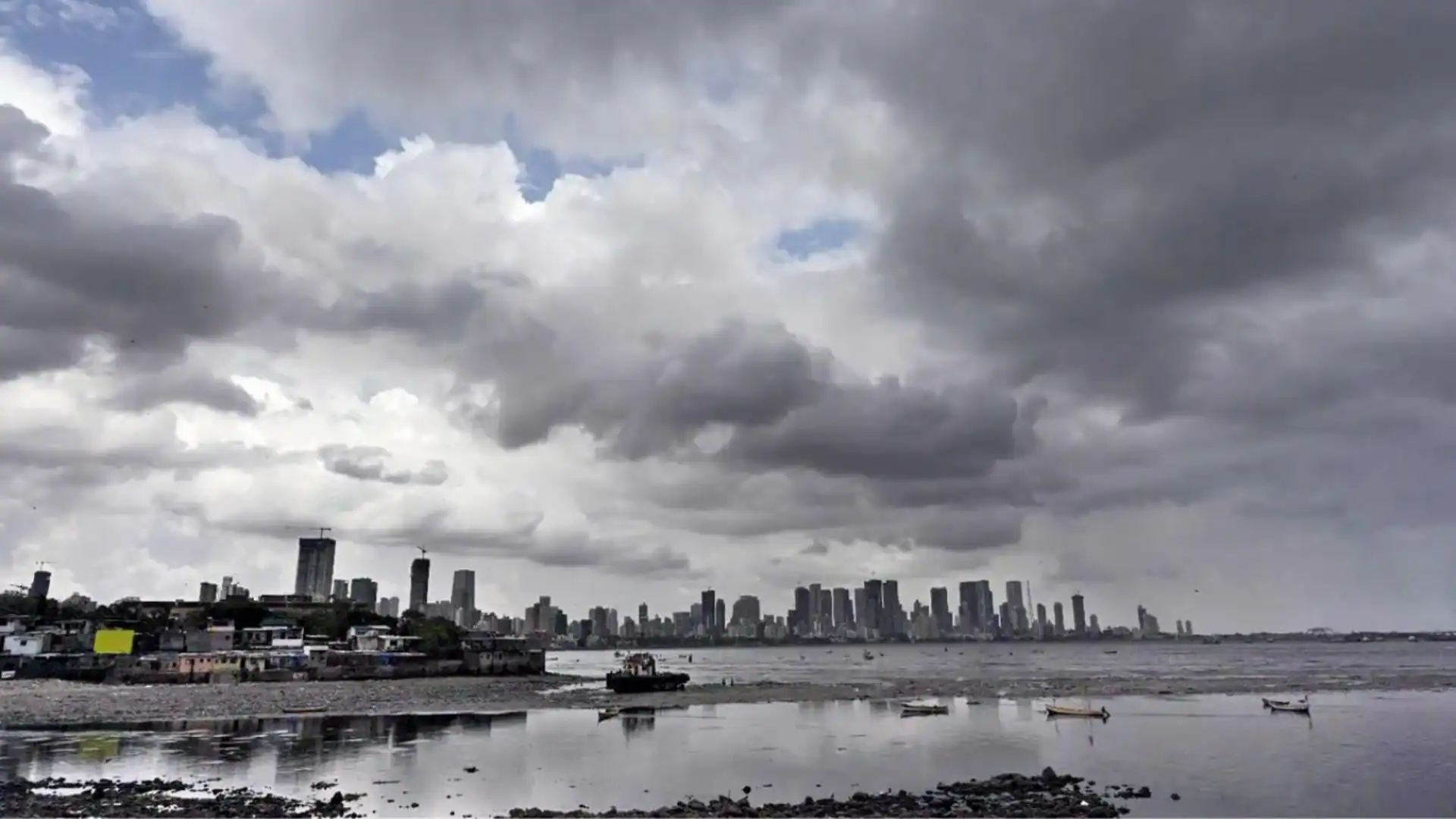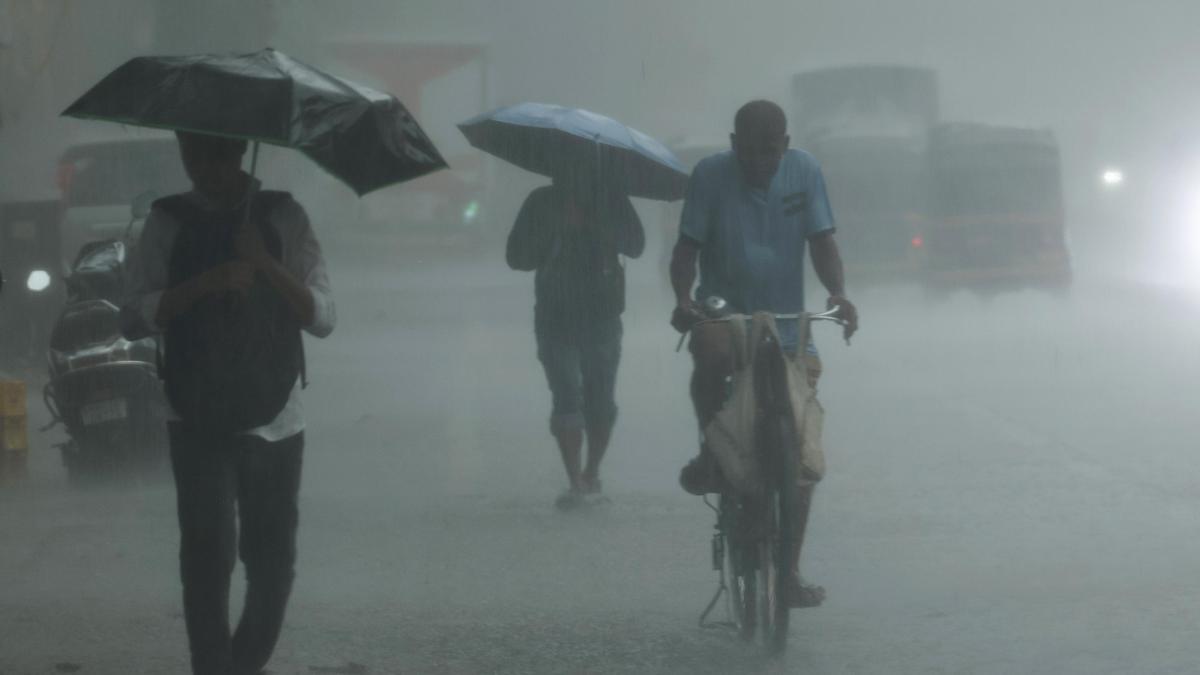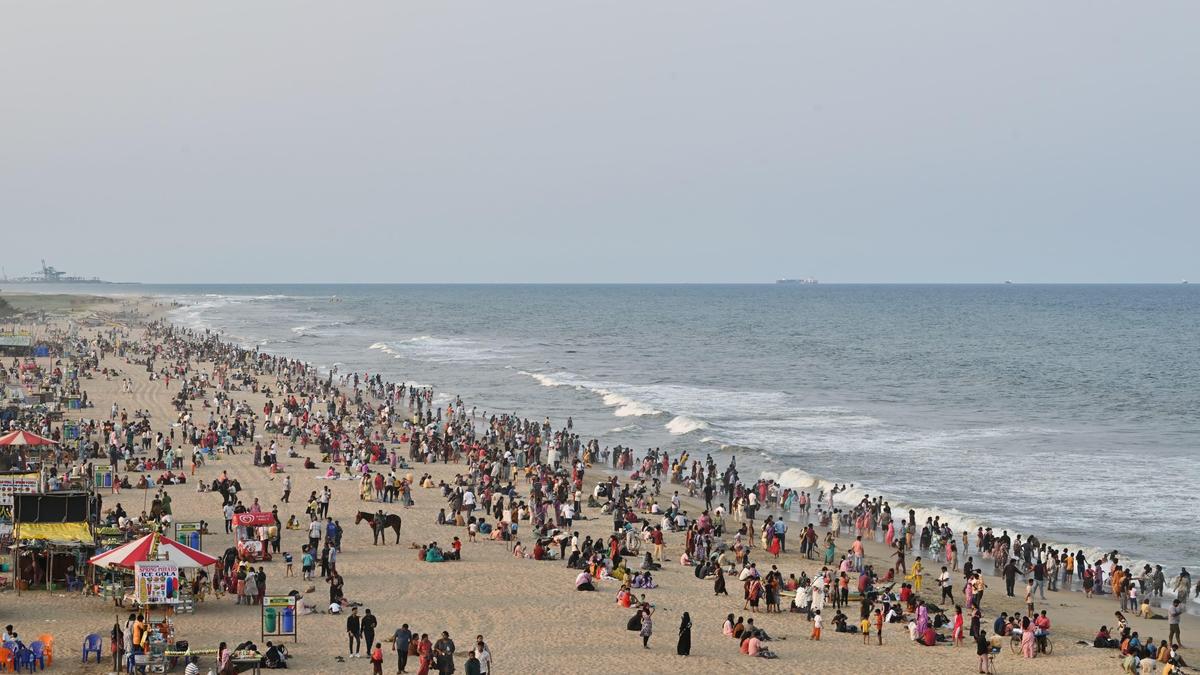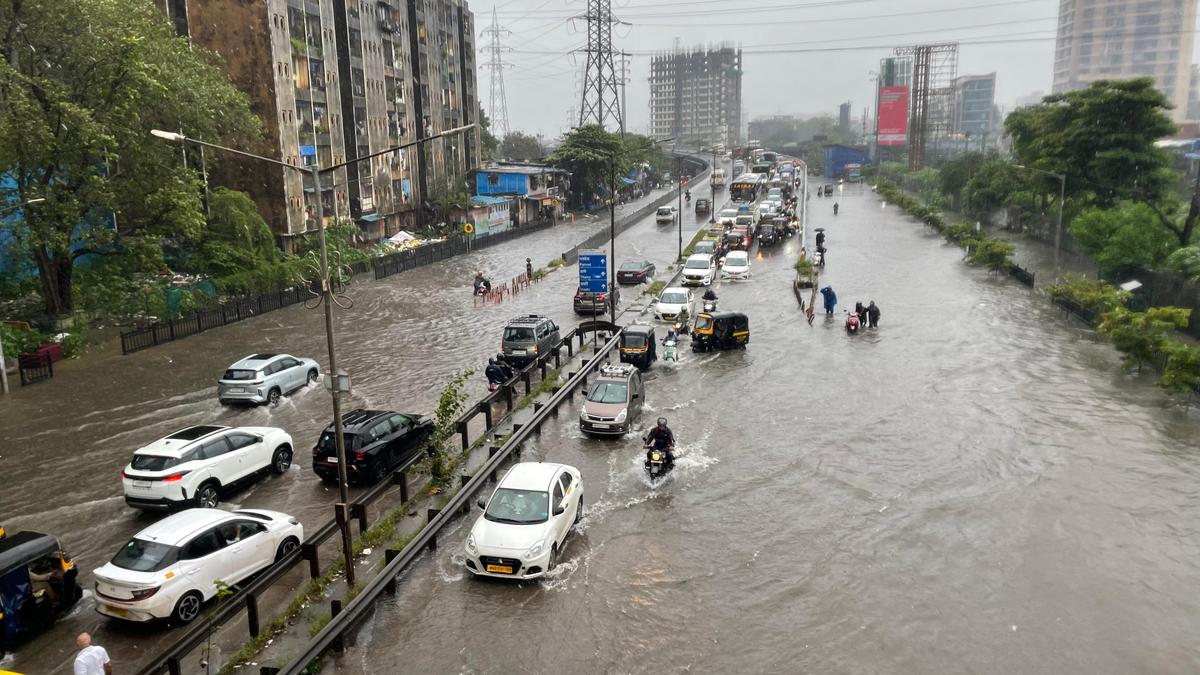
MUMBAI: Mumbai’s annual maximum temperature is projected to rise by 1.3°C by 2040, while the city could also witness nearly an additional week of heavy rainfall every monsoon season, according to a new climate projections report by Azim Premji University.Mumbai may get 1.3°C hotter by 2040, face week-long rise in heavy rainfallThe report, Indian Coastal Region: Climate Projections 2021–2040, stated that Mumbai’s annual maximum temperature could reach 33.1°C by 2040. Summer wet-bulb temperatures, the heat plus humidity measure, and winter minimum temperatures are also expected to rise by 1.3°C over the next 15 years.The study further projected an 18% increase in average monsoon rainfall in Mumbai — from the current 1,749 mm to 2,049 mm by 2040 — raising concerns over flooding and extreme weather events in the city.The findings underline the urgent need for heat-resilient urban planning and climate adaptation measures in Mumbai, the report said.The study mapped climate risks across India’s 11,000-km coastline and warned that nearly 40 coastal districts are likely to record summer temperature increases of over 1°C by 2040. Overall, India’s average temperature is projected to rise by 1.5°C during the period.Among coastal districts, Ernakulam is expected to witness the sharpest increase in maximum summer temperatures at 1.3°C, while Surat could see a 23% rise in southwest monsoon rainfall compared to historical levels.The report also warned of rapidly rising sea surface temperatures, increasing at 0.27°C per decade, which could heighten the risk of intense tropical cyclones. Coastal regions in Kerala and Tamil Nadu are expected to experience dangerous summer wet-bulb temperatures nearing 31°C, posing serious health risks.Researchers said the changing climate could severely affect livelihoods dependent on fishing, salt harvesting and agriculture, while also aggravating public health concerns, including heat-related illnesses and menstrual health challenges among women.“Getting air conditioned public transportation, setting up temporary shelters, spraying water from sprinklers etc may be reactive measures for coping with heatwaves. However, what needs be more immediate and critical is integration of climate knowledge in all public planning measures,” said Santonu Goswami, associate director at the School of Climate Change and Sustainability, Azim Premji University.
Mumbai may get 1.3°C hotter by 2040, face week-long rise in heavy rainfall
Mumbai's temperature may rise by 1.3°C by 2040, with increased rainfall raising flooding risks, highlighting urgent climate adaptation needs. | Mumbai news
347 words~2 min read